Ideal Oil Temperature Before You Rev High (Safe Range)
Understanding the ideal oil temperature is key to safe, high-performance driving. It ensures your engine is properly lubricated and protected. This article explains the safe temperature range and why it matters for your car’s longevity.
Understanding Engine Oil Temperature
Engine oil does a lot more than just make things slippery. It’s the lifeblood of your engine. It cools down hot parts.
It cleans away gunk. It keeps metal parts from grinding against each other. But oil only works its best when it’s at the right warmth.
Think of it like stretching before a workout. You wouldn’t jump into a sprint with cold muscles. Your engine oil needs to warm up too.
Cold oil is thick. It doesn’t flow well. This can make it hard for the oil to reach all the small nooks and crannies inside your engine.
This is especially true in very cold weather.
On the flip side, oil that gets too hot can also be a problem. It can break down. This means it loses its ability to protect your engine.
It might start to burn off. This is why knowing the “sweet spot” for your oil temperature is so important. It’s all about balance.
Why Oil Temperature Matters for High Performance
When you’re thinking about revving high, you’re asking your engine to do some heavy work. It will generate a lot of heat and friction. Proper oil temperature is your engine’s best defense.
It’s what keeps everything running smoothly and prevents damage.
Warm oil is thinner. This means it can flow easily. It can get into all the tight spaces between moving parts.
This helps reduce friction. Less friction means less wear and tear on your engine. It also means your engine can run more efficiently.
This is vital when you’re pushing it hard.
However, if the oil gets too hot, things can go wrong fast. Very hot oil can turn into a frothy mess. This is called oil aeration.
It loses its cushioning effect. Parts can start to rub together. This causes damage.
Also, super hot oil can start to degrade. It’s like cooking food for too long. It loses its good qualities.
This is why we aim for a specific temperature range.
My Own Oil Temperature Wake-Up Call
I remember this one crisp autumn morning. I had a new-to-me sports car. It was beautiful.
I was so excited to drive it. I hopped in, turned the key, and the engine purred to life. The oil temperature gauge was pretty low, still in the blue zone.
But I was impatient. I wanted to feel that acceleration.
So, I pulled out of my driveway and immediately gave it some gas. Not a full redline, but a good firm push. I heard a strange little tick-tick-tick sound.
It wasn’t loud, but it was there. My stomach did a flip. I backed off immediately and drove gently for a few more miles.
The sound went away as the oil warmed up.
That little tick scared me. It was a clear sign. My engine was telling me, “Hey, slow down!
I’m not ready yet!” That day taught me a valuable lesson. Respecting the temperature gauge isn’t just about following rules. It’s about listening to your car.
It’s about protecting your investment. I learned to wait. I learned to watch that needle climb slowly and steadily.
It’s a habit I’ve kept ever since.
Oil Temperature Basics
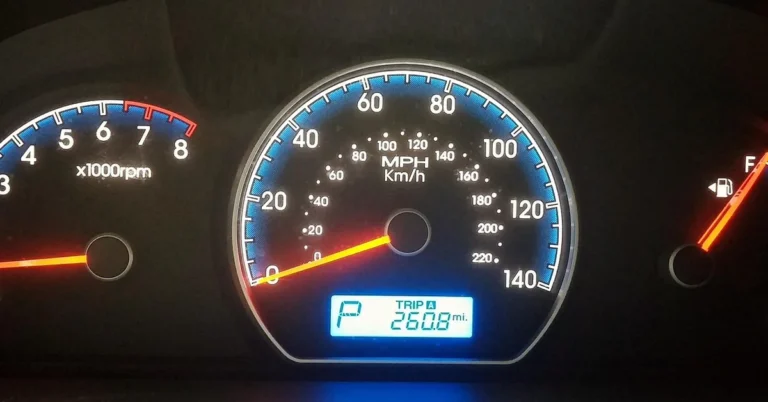
What is the blue zone? Many cars show a blue area on the temperature gauge. This means the engine is cold. It is not ready for hard driving.
Why is the middle zone best? The middle part of the gauge usually shows the optimal operating temperature. This is when the oil flows well and protects your engine.
What does red mean? A red zone or a flickering red light means your engine oil is too hot. You should stop driving immediately and let it cool down.
The Ideal Oil Temperature Range
So, what is this magic number? What’s the ideal oil temperature before you can safely rev high? For most cars, the sweet spot is between 195°F and 225°F (90°C and 107°C).
This is the range where your engine oil is warm enough to flow freely but not so hot that it starts to break down.
Some sources might give slightly different numbers. This can depend on the specific car model. It can also depend on the type of oil used.
Always check your car’s owner’s manual. It will give you the most accurate information for your vehicle. Your manual is your best friend here.
When you see your oil temperature gauge sitting comfortably in this range, you know your engine is ready. It’s protected. It can handle the demands of spirited driving.
This is when you can feel more confident about pushing the pedal a bit. It’s about giving your car the best chance to perform well and stay healthy.
Temperature Gauge Explained
- Cold (Blue): Oil is thick. Avoid high RPMs.
- Warming Up (Mid-Low): Oil is getting thinner. Drive gently.
- Optimal (Middle): Oil flows well. Engine is ready.
- Hot (Mid-High): Oil is thin but stable. Still good for most driving.
- Very Hot (Red): Oil is breaking down. Stop driving.
What Affects Oil Temperature?
Several things can influence how quickly your oil heats up. And how hot it gets. Understanding these can help you manage your driving better.
Outside Temperature is a big one. On a cold winter day, your oil will take much longer to warm up. It might not even reach the ideal range on short trips.
On a hot summer day, it might reach temperature faster. But it could also get too hot more easily.
Driving Style plays a huge role. Short trips mean your engine and oil might not get hot enough. Stop-and-go city traffic can also keep your engine from reaching its best temperature.
Constant acceleration and high speeds, of course, generate more heat. This can push your oil temperature higher.
Engine Load matters too. Towing a heavy trailer or going up a steep hill puts a lot of strain on your engine. This makes it work harder.
It generates more heat. This heat transfers to the engine oil.
Oil Viscosity is important. This is how thick or thin your oil is. Using the correct viscosity for your car and climate is crucial.
A thicker oil might take longer to warm up. A thinner oil might not offer as much protection at very high temperatures if it’s not designed for it.
Factors Influencing Oil Temp
Factor: Outside Air
Effect: Colder days = longer warm-up. Hotter days = faster warm-up, risk of overheating.
Factor: Your Driving
Effect: Short trips = cold oil. City traffic = less heat. Highway driving = steady heat.
Factor: Engine Work
Effect: Hills or towing = more heat generated.
Factor: Oil Type
Effect: Viscosity matters. Correct oil for your car and weather is key.
Real-World Scenarios: When to Be Extra Cautious
Let’s talk about times when you need to be extra mindful of your oil temperature. These are situations where your engine is working harder. And that means your oil needs to be in tip-top shape.
Cold Weather Starts are a prime example. If you live somewhere with freezing temperatures, your car might sit for hours. When you start it, that oil is like molasses.
It needs time to thin out. Driving gently for the first 5-15 minutes is not being slow. It’s being smart.
You’re letting the oil do its job.
Towing or Hauling is another big one. Pulling a trailer, a boat, or a camper adds significant weight. Your engine has to work much harder to move that extra mass.
This generates a lot of heat. Your oil temperature can climb quickly. It’s wise to monitor it closely.
You might need to take breaks to let things cool down.
Mountain Driving is similar. Going uphill requires a lot of engine power. This means more heat.
Even going downhill can sometimes put strain on the engine, especially if you’re using engine braking. The repeated cycles of acceleration and deceleration can affect oil temperature.
Track Days or Performance Driving are where oil temperature becomes critical. When you’re on a race track or pushing your car to its limits, the engine is under extreme stress. Oil temperatures can easily exceed the ideal range.
Many performance cars have dedicated oil coolers to help manage this. But even then, monitoring is key. You don’t want to blow an engine due to overheating oil.
What This Means for Your Car’s Longevity
Paying attention to your oil temperature isn’t just about immediate performance. It’s a major factor in how long your engine will last. Engines are complex machines with many moving parts.
These parts need proper lubrication. That lubrication is best when the oil is at the right temperature.
If you consistently drive with cold oil, you increase wear. Tiny metal particles can be scraped away from engine components. Over time, this builds up.
It can lead to oil sludge. It can cause premature engine failure. This is like a slow, silent killer for your engine.
On the other hand, if you let your oil get too hot, you risk damaging it. Degraded oil loses its protective qualities. It can lead to increased friction.
It can cause parts to seize up. This can result in very expensive repairs. Sometimes, it means a complete engine rebuild or replacement.
So, that simple temperature gauge on your dashboard is a powerful tool. It’s giving you real-time feedback on how your engine is doing. Respecting it means a healthier, longer-lasting engine.
It means fewer surprise repair bills. It’s a small effort for a big reward.
When is it Normal?
Normal Cold Start: Oil temp gauge in the blue or just starting to climb is normal. Drive gently.
Normal Driving: Gauge in the middle range is ideal for most everyday driving.
Normal Highway Driving: Gauge might sit slightly above the middle, which is fine if it’s stable.
Concerningly High: Gauge consistently in the red zone, or climbing rapidly without a clear cause like extreme load.
Quick Checks and Tips
Here are a few simple things you can do to help manage your engine oil temperature and keep your car happy.
- Warm-Up Gently: Always allow your engine to warm up. Drive gently for the first 5-15 minutes. Avoid hard acceleration.
- Monitor Your Gauge: Make it a habit to glance at your oil temperature gauge. Know what’s normal for your car.
- Use the Right Oil: Always use the oil viscosity recommended in your owner’s manual. Check it seasonally if you live in an area with extreme temperature changes.
- Scheduled Maintenance: Keep up with your oil changes. Fresh oil is better at handling heat and providing protection.
- Cool Down After Hard Driving: If you’ve been driving hard, like on a track or a long mountain road, let your engine idle for a few minutes before shutting it off. This allows the oil to circulate and cool down the hottest parts.
- Check Oil Level: Ensure your oil level is correct. Low oil means less capacity to dissipate heat.
Smart Driving Habits
Tip: Patience is key. Waiting for the warm-up is smart driving.
Tip: Know your car. Watch the temperature gauge like a hawk.
Tip: Right oil for the job. Check your manual for viscosity.
Tip: Fresh oil matters. Don’t skip those oil changes.
Frequently Asked Questions
What is the safest oil temperature to rev high?
The safest oil temperature range to rev high is typically between 195°F and 225°F (90°C to 107°C). This is when the oil is warm enough to flow well but not so hot that it risks breaking down or losing its protective qualities.
How long does it take for engine oil to reach the ideal temperature?
It can take anywhere from 5 to 15 minutes, depending on the outside temperature, how you’re driving, and the type of car. Short trips in cold weather may not allow the oil to reach its optimal temperature.
Is it bad to rev your engine when the oil is cold?
Yes, it is bad. Cold oil is thick and does not lubricate parts effectively. Revving a cold engine increases friction and wear on engine components, which can lead to long-term damage.
What happens if engine oil gets too hot?
If engine oil gets too hot, it can break down. This means it loses its ability to protect the engine. It can become frothy, thin out too much, or even burn.
This leads to increased friction, wear, and potential engine damage.
Can I drive my car if the oil temperature light is on?
No. If the oil temperature warning light comes on, especially if it’s red, you should pull over safely as soon as possible and turn off the engine. Let it cool down.
Driving with critically hot oil can cause severe and immediate engine damage.
Does synthetic oil get hotter than conventional oil?
Synthetic oils generally have better heat resistance and can maintain their protective properties at higher temperatures compared to conventional oils. However, all oils have limits. Even synthetic oil can overheat under extreme conditions.
Final Thoughts on Oil Temperature
Taking care of your engine’s oil temperature is one of the simplest yet most effective ways to ensure your car’s health. It’s about patience and observation. Watch that gauge.
Warm up your engine. You’ll be rewarded with a smoother running car. It also means a car that lasts much longer.
Products related to this article
Sponsored / affiliate links. As an Amazon Associate I earn from qualifying purchases. I may earn additional commission from eligible campaigns.
 ECOGARD X10023 Cartridge Engine Oil Filter for Conventional Oil - Premium Replacement | Fits 2018-2023 Volkswagen Atlas 3.6L; 2020-2023 Atlas Cross Sport 3.6L
 ECOGARD X10040 Cartridge Engine Oil Filter for Conventional Oil - Premium Replacement | Fits 2011-2026 Jeep Grand Cherokee, Dodge Durango 3.6L; 2012-2026 Wrangler 3.6L; 2014-2022 Cherokee 3.2L