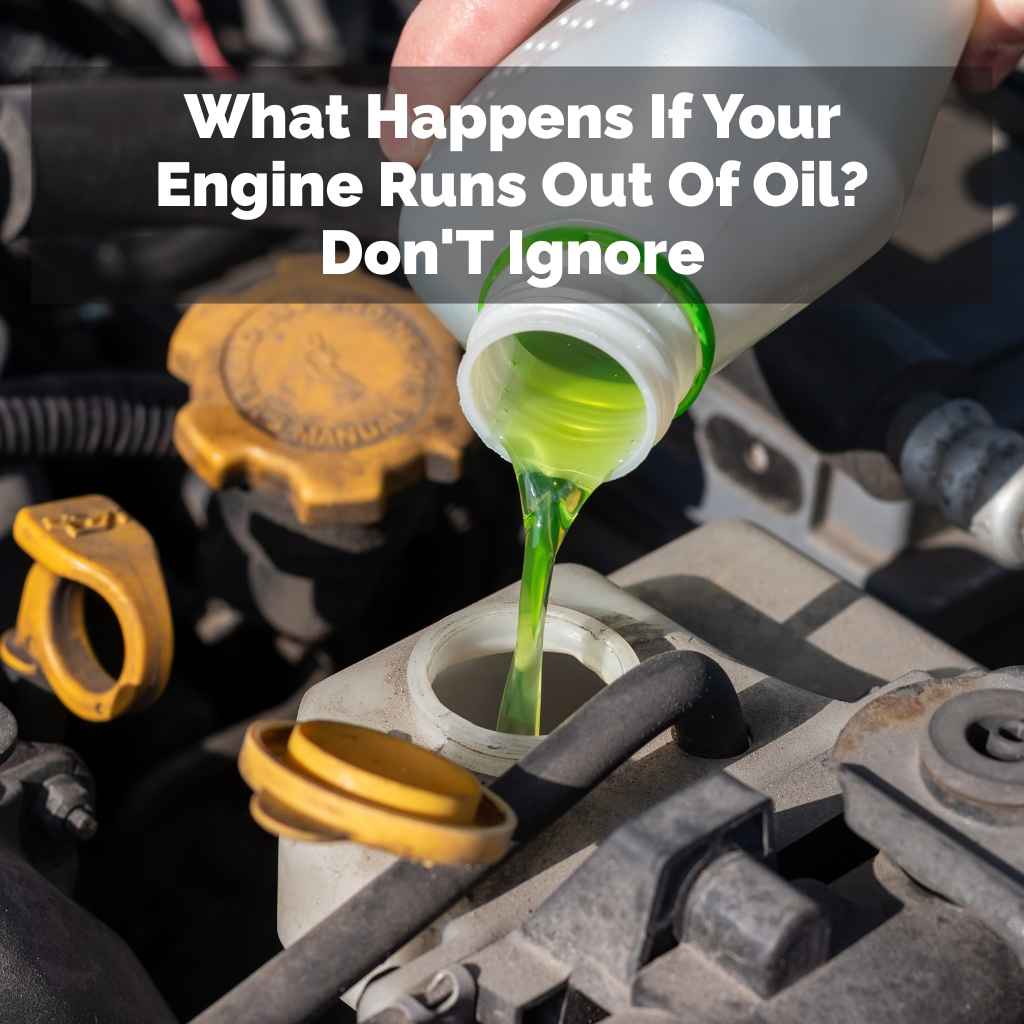
What Happens If Your Engine Runs Out Of Oil? Don’T Ignore
It’s a worry that pops into mind for many drivers. You’re on a long trip, or maybe just heading to work, and a little red light blinks on. Or maybe you just missed an oil change.
The thought arises: what if my engine runs out of oil? It’s a scary idea because engines are complex and expensive. We rely on our cars for so much.
Let’s break down what really happens, why it’s so bad, and what you can do.
Running an engine without enough oil leads to immediate friction between metal parts. This causes rapid overheating and severe, often irreversible, damage to critical components like the crankshaft, camshaft, and pistons. The engine can seize and become inoperable, requiring a costly replacement.
What Happens Inside Your Engine Without Oil?
Oil is the lifeblood of your car’s engine. It does more than just lubricate. It also cools, cleans, and protects.
When oil levels drop too low, these vital jobs stop getting done. This is where the trouble starts. It’s a cascade of bad events.
Imagine two pieces of metal rubbing together very fast. Without oil, there’s nothing to let them glide smoothly. They just grind against each other.
This friction creates a lot of heat. Your engine is not designed to handle this much heat in specific spots. The metal parts start to expand.
They can even warp or melt.
Oil also carries away tiny bits of metal. These bits come off as parts wear down normally. Without enough oil, these metal particles don’t get flushed away.
They can build up and cause even more scratching and grinding. It’s like adding sandpaper to moving parts.
The Stages of Engine Damage from Low Oil
It doesn’t happen all at once. There are stages. Understanding them helps you know when it’s a minor issue and when it’s a major crisis.
Stage 1: The Warning Signs
Most modern cars have sensors. These sensors are there to protect your engine. The first sign is usually a warning light.
It’s often a red oil can symbol. This light means the oil pressure is too low. Low pressure means not enough oil is circulating.
You might also hear new sounds. A ticking or knocking sound is common. This happens when parts aren’t getting enough oil to cushion them.
It’s like hearing your joints crack when you move. It means something isn’t right.
The smell of burning oil can also appear. This is because hot metal parts are heating the oil that is left. Or, oil might be leaking onto hot engine parts.
Stage 2: Friction and Heat Build-Up
If the warning signs are ignored, the engine keeps running. The metal parts inside continue to rub directly against each other. This is called dry friction.
It’s extremely damaging. The heat generated is intense.
Parts that normally have a thin film of oil between them are now touching. Think of the crankshaft rotating. It spins inside bearings.
Without oil, these bearings get damaged. The pistons move up and down inside cylinders. Without oil, they scrape the cylinder walls.
This extreme heat can cause metal to weaken. It can also cause parts to expand. When metal expands too much, it can seize up.
This means moving parts stop moving freely.
Stage 3: Wear and Tear Accelerates
Even if the engine doesn’t immediately seize, the damage is being done. Parts start to wear out much faster than they should. Bearings can be scored or flattened.
Piston rings can break. The cylinder walls can get scratched deeply.
This accelerated wear means the engine loses its efficiency. It might start to burn oil. It might leak oil more.
The performance of the car will suffer. It might feel sluggish or rough.
The oil itself also degrades faster. The heat breaks down the oil. It loses its ability to lubricate and protect.
So, the remaining oil is less effective. This makes the situation worse.
Stage 4: Catastrophic Engine Failure (Seizure)
This is the worst-case scenario. If the engine continues to run with critically low oil, a major component will likely seize. This means a moving part gets stuck.
It’s often a bearing or a piston.
When a main part seizes, the engine can’t turn anymore. The crankshaft is forcefully stopped. This can cause rods to break.
It can literally tear the engine apart from the inside. The car will suddenly stop running. It will likely make a loud, terrible noise right before it dies.
Once an engine seizes, it’s usually not repairable. The internal damage is too extensive. It means you need a new engine.
This is one of the most expensive car repairs there is.
Oil’s Many Jobs in Your Engine
Lubrication: This is the most known job. Oil creates a slippery layer between moving metal parts. This stops them from grinding.
It makes them glide smoothly.
Cooling: Engines create a lot of heat. Oil absorbs this heat. It carries it away from hot parts like pistons and bearings.
Then it cools down when it flows through the oil pan.
Cleaning: As oil circulates, it picks up dirt, soot, and metal bits. These get trapped in the oil filter. This keeps the engine clean inside.
Sealing: Oil helps to seal gaps. For example, between piston rings and cylinder walls. This keeps combustion pressure in and oil out of the combustion chamber.
Protection: Oil protects metal parts from rust and corrosion. It forms a barrier against moisture.
Real-Life Scenarios: When Low Oil Happens
I remember a time a friend called me, panicked. She was driving her older sedan home from a weekend trip. It was late, and she was tired.
Suddenly, a bright red light blinked on her dashboard. It was the oil pressure warning. She didn’t know what to do.
She kept driving for another mile, thinking it would be okay.
That mile was enough. She heard a clunking sound start. Then a grinding noise.
The engine sputtered and died. She had to get it towed. The mechanic told her the engine had seized.
It was completely ruined. The cost to replace it was more than the car was worth.
Another time, I was helping a neighbor check his car’s oil. He had a newer SUV. He told me he never checks it.
He thought the car would tell him if something was wrong. He was surprised to see the dipstick was almost dry. We added oil, and the engine ran much better.
But he admitted he’d been hearing a slight ticking noise for a few weeks. That ticking was the engine complaining. It was asking for oil.
These stories are not rare. Many people don’t realize how critical oil levels are. They think oil is just something that’s there.
They don’t understand its active role in keeping the engine alive and well.
Myths vs. Reality About Engine Oil
Myth: Cars will tell you exactly when they need oil. Reality: While warning lights are helpful, they often come on when damage has already started. Checking your oil manually is key.
Myth: If my car doesn’t leak oil, I don’t need to check it. Reality: Engines burn a small amount of oil over time, even without leaks. This consumption needs monitoring.
Myth: Any type of oil is fine if you’re just topping it up. Reality: Using the wrong type of oil can cause problems. Always use the weight and specification recommended by your car’s manufacturer.
Why Engines Use Oil and How It Disappears
Engines are not perfectly sealed. There are tiny gaps that are necessary for parts to move. Oil can escape through these gaps over time.
This is why engines consume oil.
Where does it go? A small amount can burn off in the combustion chamber. This is normal.
Some might evaporate. In older cars, leaks are also common. Oil can seep out of seals and gaskets.
The amount of oil an engine uses depends on many things. The age of the car, how it’s driven, and the type of oil all play a role. Some engines are designed to use a bit more oil than others.
That’s why checking the dipstick is so important.
Quick Oil Level Check Guide
1. Park on a Level Surface: This is crucial for an accurate reading.
2. Engine Off and Cool: Wait at least 10-15 minutes after turning off the engine. Hot oil can give a false reading and is dangerous to touch.
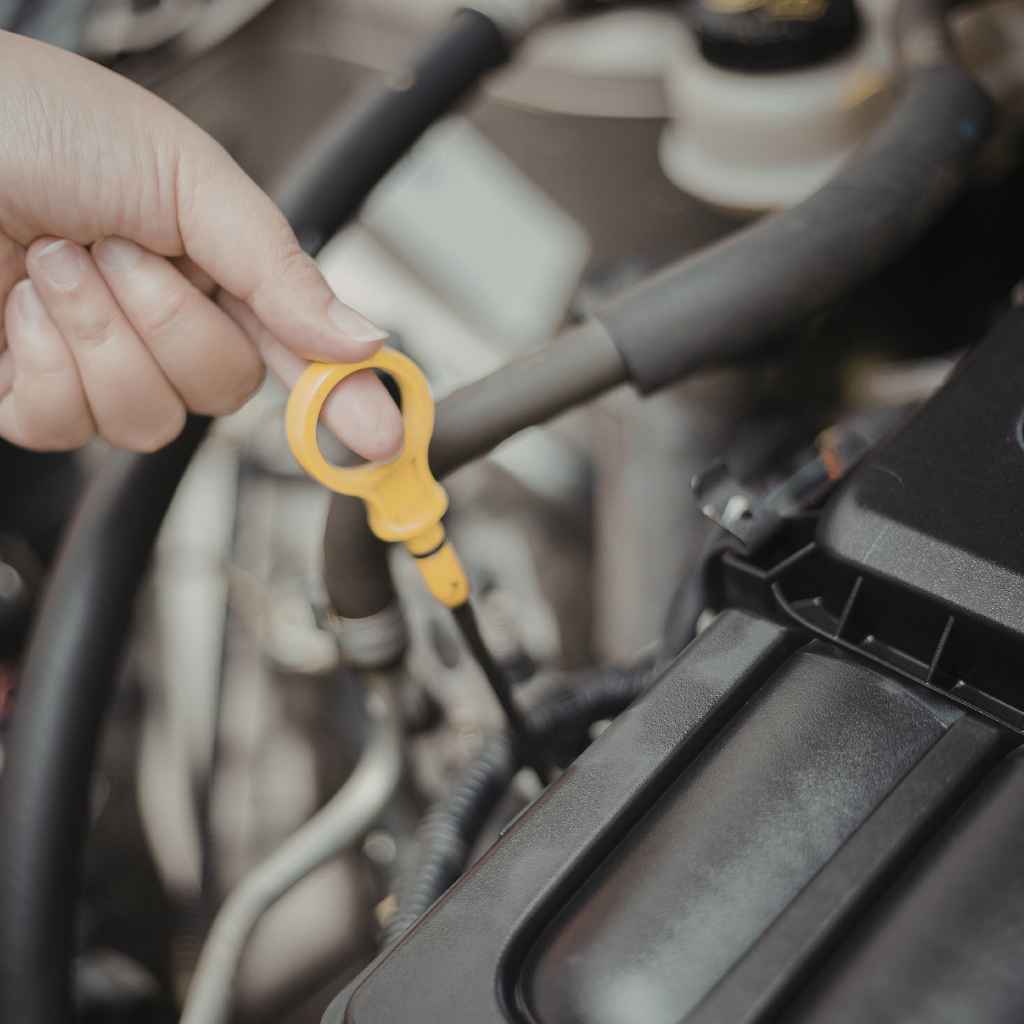
3. Locate the Dipstick: It usually has a bright-colored handle (yellow, orange, or red).
4. Pull and Wipe: Remove the dipstick and wipe it clean with a rag or paper towel.
5. Reinsert and Remove Again: Push the dipstick all the way back in, then pull it out slowly.
6. Check the Level: Look at the markings on the end of the dipstick. There are usually two marks or holes indicating ‘add’ and ‘full’.
The oil level should be between these marks.
The Role of Oil Pressure
Oil pressure is the force that pushes oil through your engine. It’s what gets the oil to all the nooks and crannies where it’s needed most. The oil pump is responsible for creating this pressure.
It’s driven by the engine itself.
When the oil level is low, the oil pump might not be able to pick up enough oil. It could start to suck air. When air gets into the system, the pressure drops.
This is when the oil pressure warning light comes on.
Low oil pressure is a serious problem. It means critical parts are not getting lubrication. It’s a direct sign that the engine is at risk of damage.
Ignoring this light is like ignoring a fire alarm.
What Happens If You Keep Driving on Low Oil?
This is where the real trouble starts. If that oil light is on, or if you know the oil level is low, continuing to drive is a gamble. It’s a gamble you will almost certainly lose.
The longer you drive, the more damage occurs. The heat builds up. Metal parts grind against each other.
The oil that is left breaks down even faster. The engine components are stressed beyond their limits.
You might get lucky and drive a short distance without immediate seizure. But even that short distance causes wear. It shortens the life of your engine.
It might lead to problems down the road that you can’t see yet. These problems could be increased oil consumption, knocking sounds, or reduced power.
The best advice is to stop driving immediately. If the oil pressure light is on, pull over safely as soon as you can. Turn off the engine.
Let it cool down. Then check the oil level. If it’s low, add the correct type of oil.
Consequences of Ignoring Low Oil Pressure
Severe Wear: All moving parts experience extreme friction.
Overheating: Lubrication also cools; without it, parts get too hot.
Scoring: Metal surfaces get deeply scratched and damaged.
Bearing Failure: Crucial rotating parts can seize or break.
Piston Damage: Pistons can melt or break inside cylinders.
Engine Seizure: The engine locks up and stops completely.
When to Worry: Red Light vs. Yellow Light
Cars often have different warning lights. It’s important to know what they mean. The red oil can light is a critical warning.
It signifies low oil pressure. This means the engine is in immediate danger.
Sometimes, a yellow or amber oil light might appear. This can indicate a less urgent issue. It might mean the oil level is low but not critically low.
Or it could point to a sensor problem. However, it’s still a warning that needs attention.
Never ignore any oil-related warning light. It’s always better to be safe than sorry. If the red light comes on, stop the car.
If a yellow light comes on, check your oil level as soon as possible. And then check it regularly.
How to Check Your Oil Level Correctly
Checking your oil is simple. But doing it right ensures accuracy. It helps you catch problems early.
You need a level surface. The engine should be off and cool. This is important because hot oil expands.
It also makes checking unsafe.
Find the dipstick. It usually has a bright handle. Pull it out.
Wipe it clean with a cloth or paper towel. Put it back in all the way. Pull it out again.
Look at the markings on the end. There are usually two marks or holes. The oil should be between them.
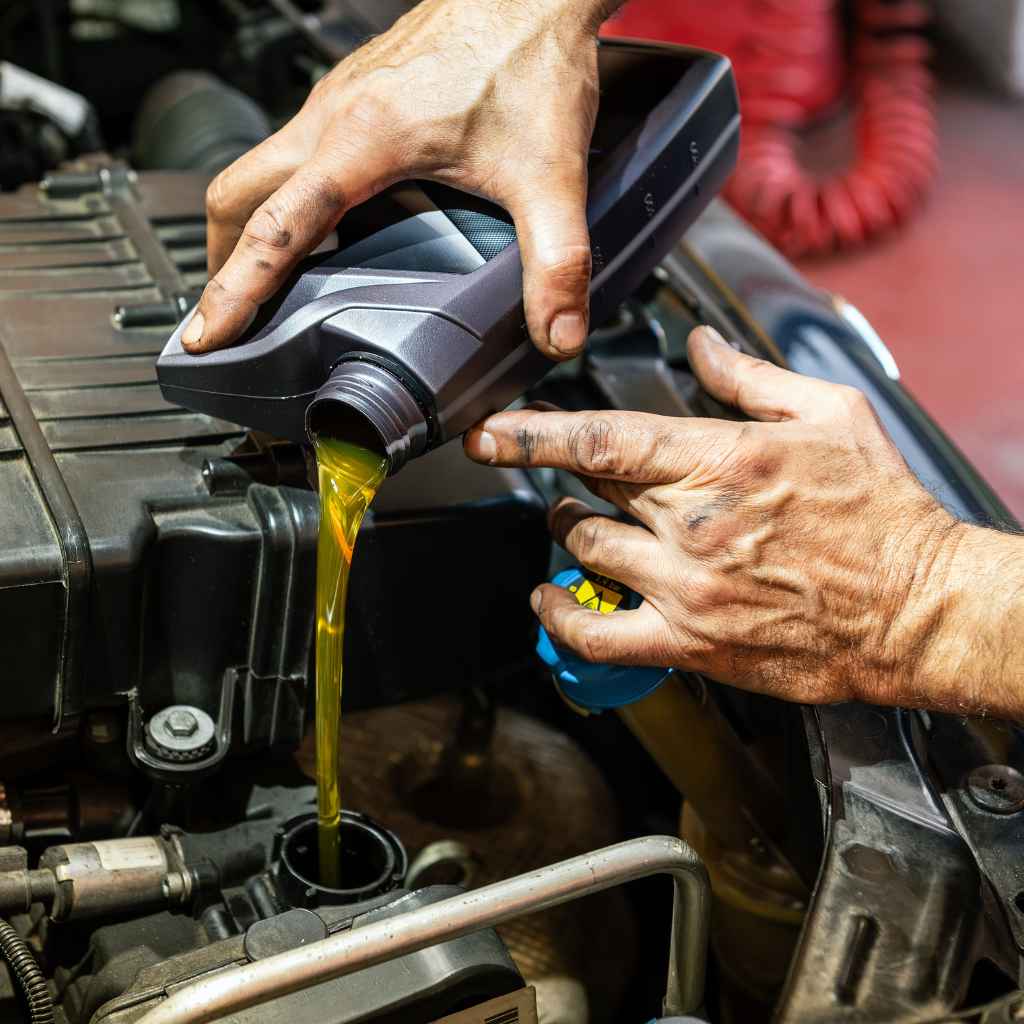
If the oil level is below the lowest mark, you need to add oil. Use the type recommended in your car’s owner’s manual. Add a little at a time.
Wait a minute. Then recheck the level. Don’t overfill it.
Adding Oil: A Step-by-Step Visual
Locate Oil Fill Cap: Usually marked with an oil can symbol.
Remove Cap: Unscrew and set aside.
Use Funnel: Insert a clean funnel to prevent spills.
Add Slowly: Pour in a small amount (e.g., half a quart) of the correct oil type.
Wait and Recheck: Let it settle for a minute, then check the dipstick.
Repeat if Needed: Continue adding small amounts until the level is correct.
What Kind of Oil Should You Use?
This is a critical question. Your car’s manufacturer specifies the exact type of oil needed. This information is in your owner’s manual.
It includes the oil weight (like 5W-30) and any special certifications or ratings it needs.
Using the wrong oil can be just as bad as having no oil. Some oils are too thick for cold weather. Some are not robust enough for high heat.
They might not protect your engine properly. This can lead to faster wear and other problems.
Always refer to your owner’s manual. If you can’t find it, look online for your car’s make, model, and year. Most auto parts stores can also help you find the right oil.
Preventing Low Oil Issues: Proactive Maintenance
The best way to avoid the nightmare of an engine running out of oil is through regular maintenance. It’s not complicated, and it can save you thousands of dollars.
Regular Oil Changes: Follow the recommended oil change schedule. This ensures you have fresh, clean oil circulating. It also allows a mechanic to spot potential issues.
Check Oil Level Frequently: Make it a habit. Check it once a month. Or check it every time you fill up your gas tank.
It takes two minutes. It could save your engine.
Inspect for Leaks: Look under your car for oil spots. If you see them, get it checked by a mechanic. Early detection of leaks can prevent a major oil loss.
Listen to Your Car: Pay attention to new sounds or smells. Don’t ignore warning lights.
Maintenance Schedule Snapshot
Oil & Filter Changes: Every 5,000-7,500 miles (or as per manual).
Tire Rotation: Every 5,000-7,500 miles.
Brake Inspection: Annually or every 15,000 miles.
Fluid Checks: Coolant, brake fluid, power steering fluid checked monthly.
Belts & Hoses: Inspect during oil changes for wear.
What to Do if Your Oil Light Comes On
Okay, let’s say the worst happens. That red oil can light flashes on your dash. Your heart sinks.
What should you do right this second?
- Pull Over Safely: Find the nearest safe place to stop your car. This might be a shoulder, a parking lot, or a side street.
- Turn Off the Engine: Do this immediately. The sooner the engine stops, the less damage occurs.
- Let It Cool: Wait at least 10-15 minutes. This lets the engine cool down and the oil settle.
- Check Oil Level: Use the dipstick as described earlier.
- Add Oil if Low: If the level is low, add the correct type of oil. Start with a small amount.
- Restart Cautiously: Once the oil level is corrected, start the engine. Watch the oil light. If it goes off, you’re likely okay for now. You should still get it checked by a mechanic.
- If Light Stays On: Do not drive the car. Call for a tow truck. Continuing to drive will cause severe engine damage.
The Cost of Ignoring Oil Levels
The cost of an oil change is relatively low. A few quarts of oil and a new filter are usually under $100. Even an oil change at a dealership might be $70-$150.
The cost of a new engine, however, can be anywhere from $3,000 to $7,000 or more. This doesn’t include labor. It can easily push the total repair cost to $5,000-$10,000+.
Sometimes, it’s cheaper to buy a new car than to replace the engine.
So, a few minutes of your time each month to check your oil can save you thousands of dollars and a lot of headaches. It’s a small effort with a huge reward.
Cost Comparison: Oil Check vs. Engine Replacement
Cost of Regular Oil Checks: Essentially free (your time).
Cost of Oil Changes: $50 – $150 per change.
Cost of Adding Oil: $10 – $20 per quart.
Cost of Minor Engine Repairs (due to neglect): $500 – $2,000+
Cost of Major Engine Repair (seized engine): $3,000 – $10,000+
Conclusion
Running your engine without enough oil is one of the quickest ways to destroy it. The lack of lubrication causes friction, heat, and ultimately, catastrophic failure. It’s a serious issue that demands immediate attention.
By making regular oil checks a habit, you protect your engine, your wallet, and your peace of mind. Don’t let that little red light be a surprise; be proactive and keep your engine happy.
Frequently Asked Questions About Engine Oil
How often should I check my engine oil?
It’s a good idea to check your oil level at least once a month. Many people check it every time they fill up their gas tank. If you have an older car or notice any signs of leaks, check it more often.
Can I add oil if my engine is hot?
Yes, you can add oil to a hot engine, but you should do so with extreme caution. Always ensure the car is on a level surface and turn off the engine. Wait about 10-15 minutes for the engine to cool slightly and for the oil to drain back into the oil pan.
Be careful when opening the oil fill cap, as steam or hot oil could escape. For the most accurate reading, it’s best to check when the engine is cool.
What happens if I overfill my engine with oil?
Overfilling your engine with oil can be just as harmful as having too little. Excess oil can get churned up by the crankshaft. This can create foam.
Foamy oil doesn’t lubricate well. It can also increase oil pressure. This can damage seals and gaskets, leading to leaks.
In severe cases, it can damage the catalytic converter.
My oil looks black. Is it bad?
Engine oil turns black over time. This is normal. The oil picks up dirt, soot, and metal particles from inside the engine as it circulates.
A dark color doesn’t automatically mean the oil needs changing, but very thick, sludgy oil is a sign it’s overdue for a change and may not be protecting the engine well.
What’s the difference between conventional and synthetic oil?
Synthetic oil is engineered in a lab and is much more refined than conventional oil. It offers better protection at extreme temperatures (both hot and cold). It also resists breakdown longer and can help engines run cleaner.
Conventional oil is less expensive but doesn’t offer the same level of performance or protection.
My car is burning oil. What should I do?
If your car is burning oil, it means oil is getting into the combustion chamber and being burned. This could be due to worn piston rings, valve seals, or gaskets. You should have your car inspected by a mechanic immediately.
Continued driving can lead to significant engine damage. You will also need to check and add oil regularly to prevent the engine from running dry.
Products related to this article
Sponsored / affiliate links. As an Amazon Associate I earn from qualifying purchases. I may earn additional commission from eligible campaigns.
 ECOGARD X10023 Cartridge Engine Oil Filter for Conventional Oil - Premium Replacement | Fits 2018-2023 Volkswagen Atlas 3.6L; 2020-2023 Atlas Cross Sport 3.6L
 ECOGARD X10040 Cartridge Engine Oil Filter for Conventional Oil - Premium Replacement | Fits 2011-2026 Jeep Grand Cherokee, Dodge Durango 3.6L; 2012-2026 Wrangler 3.6L; 2014-2022 Cherokee 3.2L