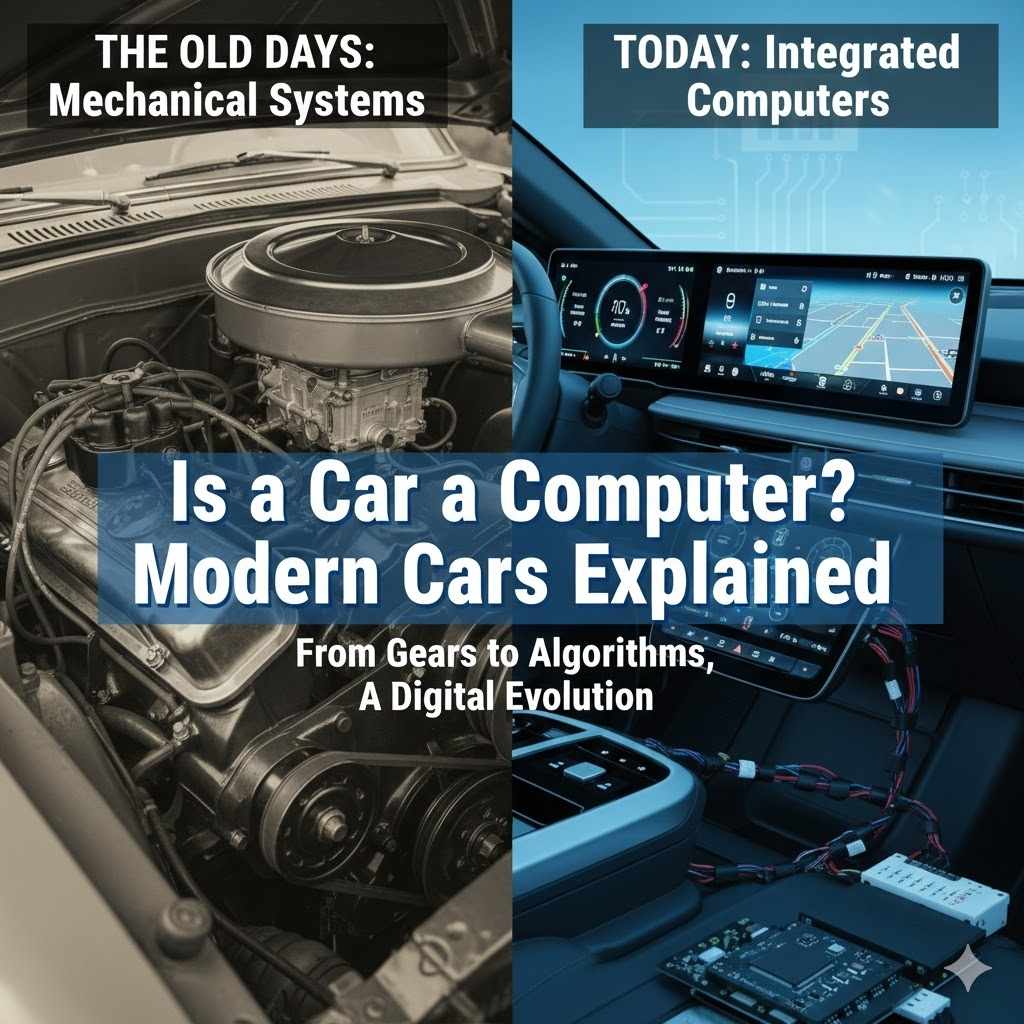
Is a Car a Computer? Modern Cars Explained
Ever wondered if a car is basically a giant computer? The question, Is a Car a Computer? Modern Cars Explained, is a common one, especially with all the tech packed into cars these days. It can seem confusing, but don’t worry! This post will break it down in simple terms. We’ll explore how modern cars work, what makes them “smart,” and what it all means for you. Get ready for a straightforward look at car technology, without the tech-talk jargon.
The Rise of the Digital Car
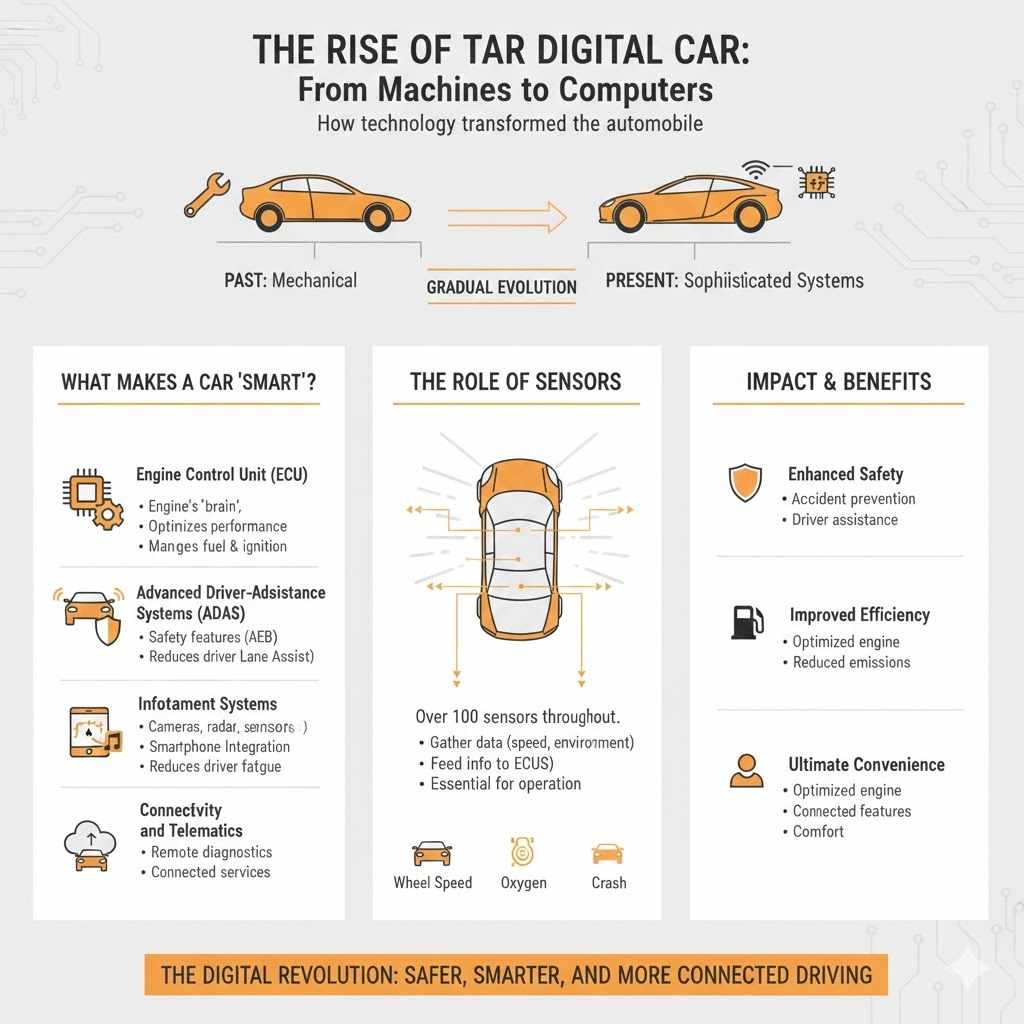
Cars have changed drastically over the last few decades. What used to be simple machines, driven solely by mechanical components, have transformed into complex systems. Gone are the days when your car’s primary systems were purely mechanical. Today’s vehicles feature intricate networks of computers, sensors, and software. These systems control nearly every aspect of the car’s performance, from engine management and safety features to infotainment systems and driver assistance.
This shift wasn’t a sudden change; it’s a gradual evolution. Early advancements included electronic fuel injection, anti-lock brakes (ABS), and airbags. These early steps laid the groundwork for the more integrated systems found in contemporary cars. As technology progressed, so did the vehicle’s reliance on computers and software, leading to the sophisticated machines we drive today.
What Makes a Car “Smart”?
The term “smart” can be applied to many aspects of the modern vehicle. This smartness comes from a combination of advanced features, including interconnected computer systems, and sophisticated sensors. These elements work together to improve safety, performance, and convenience for the driver and passengers.
-
- Engine Control Unit (ECU): The ECU is the car’s central processing unit for the engine. It collects data from sensors and controls engine functions like fuel injection, ignition timing, and emissions. This precise control ensures optimal performance and fuel efficiency. If there is an issue with the ECU, the car won’t start.
The ECU is essentially the “brain” of the engine, managing various components to ensure smooth and efficient operation. It receives input from numerous sensors throughout the engine, such as the oxygen sensor, crankshaft position sensor, and throttle position sensor. Based on these inputs, the ECU adjusts the engine’s settings to optimize performance and reduce emissions.
-
- Advanced Driver-Assistance Systems (ADAS): ADAS features utilize cameras, radar, and sensors to assist the driver. Systems like automatic emergency braking (AEB), lane departure warning, and adaptive cruise control are common. These systems constantly monitor the car’s surroundings and can intervene to prevent accidents or make driving easier.
ADAS technologies improve safety by proactively alerting the driver to potential hazards and, in some cases, taking corrective action. AEB can automatically apply the brakes if a collision is imminent, while lane departure warning alerts the driver if they are drifting out of their lane. Adaptive cruise control maintains a set speed and distance from the car ahead, reducing driver fatigue.
-
- Infotainment Systems: Modern cars are equipped with sophisticated infotainment systems. These systems combine audio, navigation, and connectivity features. They often include touchscreens, smartphone integration (Apple CarPlay, Android Auto), and access to streaming services.
Infotainment systems provide drivers and passengers with access to entertainment, information, and communication features. They can play music, provide navigation instructions, and allow drivers to make hands-free calls. The integration of smartphone apps allows drivers to access their favorite apps and services on the car’s display.
-
- Connectivity and Telematics: Many modern vehicles connect to the internet through embedded modems. This enables features such as over-the-air (OTA) software updates, remote vehicle diagnostics, and access to connected services. This connectivity allows the manufacturer to push updates and fix any issues without requiring the owner to take the vehicle to a service center.
Telematics refers to the use of technology to transmit information about a vehicle’s performance, location, and condition. Connected cars can send data to the manufacturer, providing insights into vehicle usage, potential issues, and areas for improvement. This data can also be used to provide services like roadside assistance and stolen vehicle tracking.
The Role of Sensors
Sensors are the eyes and ears of a car’s computer systems. They gather data about the car’s environment, its performance, and the driver’s actions. This information is then used by the various electronic control units to make decisions and control the car’s functions. These sensors feed data to the computer systems.
A car can have over 100 sensors. These sensors are located throughout the vehicle and collect various types of data. Some examples include: wheel speed sensors, which measure the speed of each wheel; oxygen sensors, which monitor the exhaust emissions; and crash sensors, which detect the impact of a collision. The data collected by these sensors is essential for the car’s operation.
Electronic Control Units (ECUs) and Their Functions
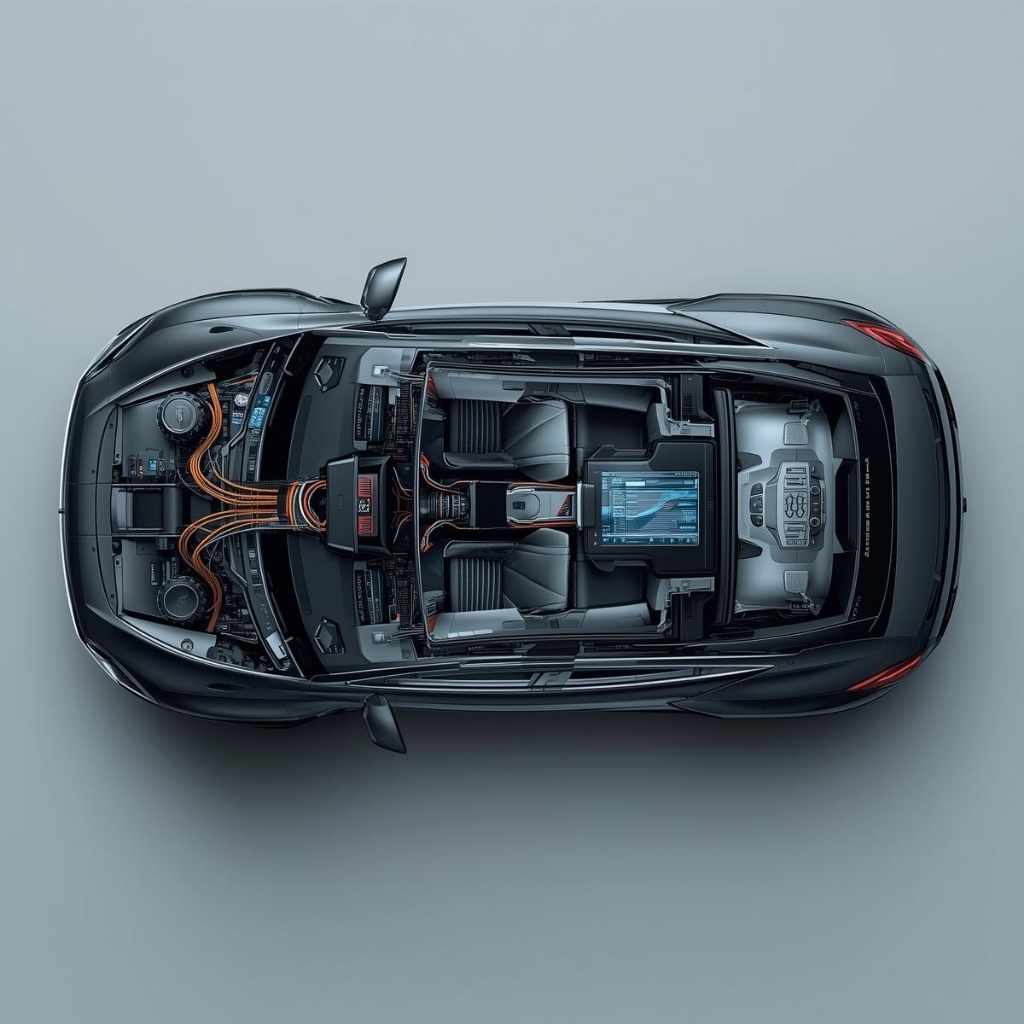
ECUs are the brains of a modern vehicle. These are small computers dedicated to controlling different parts of the car. The various ECUs are connected by a network that allows them to share information and coordinate their actions. Each ECU focuses on a specific function, whether it’s the engine, brakes, transmission, or climate control.
These electronic control units are at the core of a car’s digital infrastructure. Each ECU functions like a specialized computer, programmed to manage a particular system or function within the vehicle. From the engine management system to the anti-lock braking system, each critical component has its own dedicated ECU, ensuring precise control and optimal performance. They are vital for how everything works.
ECU Network and Communication
The ECUs in a car aren’t isolated; they communicate with each other through a network. This network allows them to share data and coordinate actions. For example, when the driver presses the brake pedal, the brake system’s ECU receives this information and tells the engine control unit to reduce engine power, which helps slow the car.
The communication between different ECUs is essential for the integrated operation of a modern vehicle. This network allows different systems to work together seamlessly. This coordination makes it possible for safety features like electronic stability control to function effectively. The ECUs can respond to changing conditions by sharing information and coordinating their operations.
Examples of ECUs and Their Functions
Various ECUs control different car systems. The Engine Control Unit (ECU) manages the engine’s performance. The Transmission Control Unit (TCU) controls the transmission’s shifting. The Anti-lock Braking System (ABS) ECU controls the brakes to prevent wheel lockup. The Body Control Module (BCM) manages various body functions, such as lighting and door locks. Each ECU contributes to the car’s overall functionality and performance.
-
- Engine Control Unit (ECU): Manages the engine’s operation, including fuel injection, ignition timing, and emissions control. The ECU is responsible for optimizing engine performance and reducing emissions.
The ECU is the central hub for engine management, monitoring numerous sensors to ensure efficient and reliable operation. By adjusting parameters such as fuel delivery and spark timing, the ECU ensures that the engine runs smoothly under various conditions. In addition, it plays a key role in reducing pollutants and improving fuel economy.
-
- Transmission Control Unit (TCU): Controls the automatic transmission, optimizing gear shifts for performance and fuel efficiency. The TCU uses information about the vehicle’s speed, engine load, and throttle position to determine the optimal gear to shift to. The TCU aims to provide smooth gear changes, improve acceleration, and enhance overall driving experience.
The TCU is responsible for the precise control of the transmission system. It manages gear shifts, ensuring smooth and efficient operation. By adjusting shift points based on driving conditions, the TCU enhances fuel economy and improves vehicle performance.
-
- Anti-lock Braking System (ABS) ECU: Controls the anti-lock braking system, preventing wheel lockup during braking. The ABS ECU monitors the wheel speeds to detect when a wheel is about to lock up, preventing the car from skidding. The ABS ECU applies and releases the brakes rapidly to maintain steering control and prevent collisions.
The ABS ECU monitors the speed of each wheel, preventing them from locking up during hard braking. When the brakes are applied aggressively, the system rapidly pulses the brakes, allowing the driver to maintain steering control and preventing the car from skidding.
-
- Body Control Module (BCM): Manages various body functions, such as interior and exterior lighting, power windows, and door locks. The BCM integrates different control systems and allows them to work together. This integration enhances the convenience and comfort of the vehicle.
The BCM is responsible for controlling various features of the vehicle. It manages functions such as lighting, power windows, and door locks, providing drivers with convenience and enhancing the overall driving experience. The BCM also integrates with other systems, improving the coordination of different vehicle functions.
Software’s Role in Modern Cars
Software is essential for the functionality of modern cars. It runs on the ECUs and controls almost every aspect of the vehicle’s operation. This includes engine performance, safety systems, infotainment, and connectivity features. It processes the information collected by the sensors.
Software is the invisible force that enables the advanced functionality of today’s cars. It’s the set of instructions that tells the hardware how to behave. From managing the engine’s combustion cycle to enabling driver-assistance systems, software is fundamental. Regular software updates are common to enhance features, fix bugs, and improve overall performance.
Over-the-Air Updates
Just like your smartphone, cars can receive software updates over the air (OTA). These updates allow manufacturers to add new features, fix bugs, and improve the car’s performance without requiring a trip to the dealership. This ensures the car remains up-to-date.
OTA updates offer significant advantages, allowing for continuous improvement of vehicle software. This system makes it possible to enhance existing features, correct software glitches, and introduce new capabilities to the car. Drivers can benefit from the ongoing enhancements to safety, convenience, and performance without the need for manual service appointments.
Software Bugs and Cybersecurity
The increasing reliance on software does bring challenges. Software bugs can sometimes cause problems. Cybersecurity is also a growing concern because connected cars are vulnerable to hacking. Manufacturers are investing in more robust security measures.
With greater reliance on software comes the risk of bugs and vulnerabilities. Although software engineers work hard to produce robust and bug-free code, errors can occur. In addition, as cars become more connected, cybersecurity threats grow, meaning that the security of vehicle systems is a vital area of concern. The automotive industry is proactively developing cybersecurity measures.
Is a Car a Computer? Modern Cars Explained: A Deep Dive
The answer to Is a Car a Computer? Modern Cars Explained is not a simple yes or no. The truth lies somewhere in the middle. Modern cars definitely use a lot of computer technology. They have multiple computers (ECUs) that control various functions. However, a car is not exactly a computer in the same way your laptop or desktop is.
Cars use many elements of computer systems, but their primary purpose is still transportation. A computer’s primary function is to process information. Cars use computers to help them move safely and efficiently. The complexity of cars has increased significantly, and they depend on software and electronics. The fundamental purpose of a car is to be mobile.
Analog vs. Digital Systems
Early cars were mainly mechanical, with analog systems. Today’s cars have a blend of analog and digital systems. Analog systems use continuous signals. Digital systems use discrete, binary signals. This can be compared to how an old record player (analog) is different from a digital music file.
The distinction between analog and digital systems helps to understand the technological changes in automotive design. In older cars, mechanical systems were common, meaning the components were directly linked to a physical process. For example, the throttle cable directly controlled the throttle valve. The move towards digital systems has allowed for greater control. Digital components allow systems to be automated, allowing for more efficiency.
The Convergence of Technology
The automotive industry is experiencing a merging of technologies, as cars incorporate more software, sensors, and connectivity features. This convergence leads to smart vehicles that can connect to the internet, communicate with other vehicles, and even drive themselves. Technology is growing in cars to improve safety and the driving experience.
The evolution of automobiles is characterized by the increasing integration of technology, with software playing an increasingly important role. These sophisticated cars have advanced features such as driver-assistance systems, infotainment systems, and connectivity functions. This technological shift is driving innovation in the automotive field. The direction that cars will take is influenced by advances in technology.
The Future of Automotive Technology
The car is not just a mode of transportation. The future of automotive technology is set to include even more automation, electric vehicles, and improved connectivity. The innovations focus on creating safer, more efficient, and more enjoyable driving experiences. Cars are turning into data centers on wheels.
The future of driving promises to be a time of innovation, with advances in technology. This involves a shift towards electric vehicles, autonomous driving systems, and enhanced connectivity features. The focus is to make cars safer, more efficient, and more enjoyable for drivers and passengers. We can look forward to a period of change in the industry.
Electric Vehicles (EVs)
Electric vehicles are becoming more common. They use electric motors instead of gasoline engines. They have unique software and computer systems to manage the batteries, motors, and charging. EVs are part of the trend toward sustainable transportation.
Electric vehicles represent a significant shift in the automotive industry, relying on electric motors and batteries instead of traditional gasoline engines. These vehicles have their own distinct software and computer systems designed to manage battery performance, energy usage, and charging processes. With government and industry support, EVs are on the rise. They play a key role in making transportation more sustainable.
Autonomous Driving
Self-driving cars are the next big leap. They use advanced sensors, cameras, and software to navigate roads without human input. Fully autonomous driving is still in development, but it promises to revolutionize transportation. A lot of testing and refinement is needed.
Autonomous driving systems use advanced sensors, cameras, and software to navigate roads without driver input. The development of self-driving cars aims to enhance safety, reduce traffic congestion, and improve mobility. The widespread use of autonomous vehicles is anticipated to transform the automotive industry. Advances in this area are leading to improved safety and better efficiency.
Frequently Asked Questions
Question: Do modern cars have computers?
Answer: Yes, modern cars have multiple computers, called ECUs (Electronic Control Units), that control different functions like the engine, brakes, and infotainment.
Question: Can a car be hacked?
Answer: Yes, because modern cars are connected to the internet, they can be vulnerable to hacking, just like any other computer system. Manufacturers are working on stronger security.
Question: What is an ECU?
Answer: An ECU (Engine Control Unit or Electronic Control Unit) is a small computer that controls a specific part of your car, like the engine or brakes.
Question: What are over-the-air updates in cars?
Answer: Over-the-air (OTA) updates are software updates sent to your car wirelessly, like updates to your smartphone. They can add new features or fix problems.
Question: Are cars becoming more like computers?
Answer: Yes, modern cars rely heavily on computers and software, but they’re still primarily designed for transportation. However, their reliance on computer technology keeps growing.
Final Thoughts
So, Is a Car a Computer? Modern Cars Explained shows that the answer is not black and white, but rather a spectrum of technological integration. While cars aren’t exactly the same as your home computer, they definitely rely heavily on them. Modern vehicles use numerous computers (ECUs) and complex software to control everything from engine performance to safety features. They also boast advanced sensor technology, connectivity features, and the ability to receive over-the-air updates. This integration of computer technology is making cars smarter, safer, and more feature-rich.
The automotive industry is always changing, and it’s exciting to see what’s next. As a car owner, you can stay informed by reading about automotive technology, understanding the basics of how your car works, and making sure your software is always up-to-date. Keep exploring the developments in the car industry, and you will understand more about the technology that gets you where you want to go.