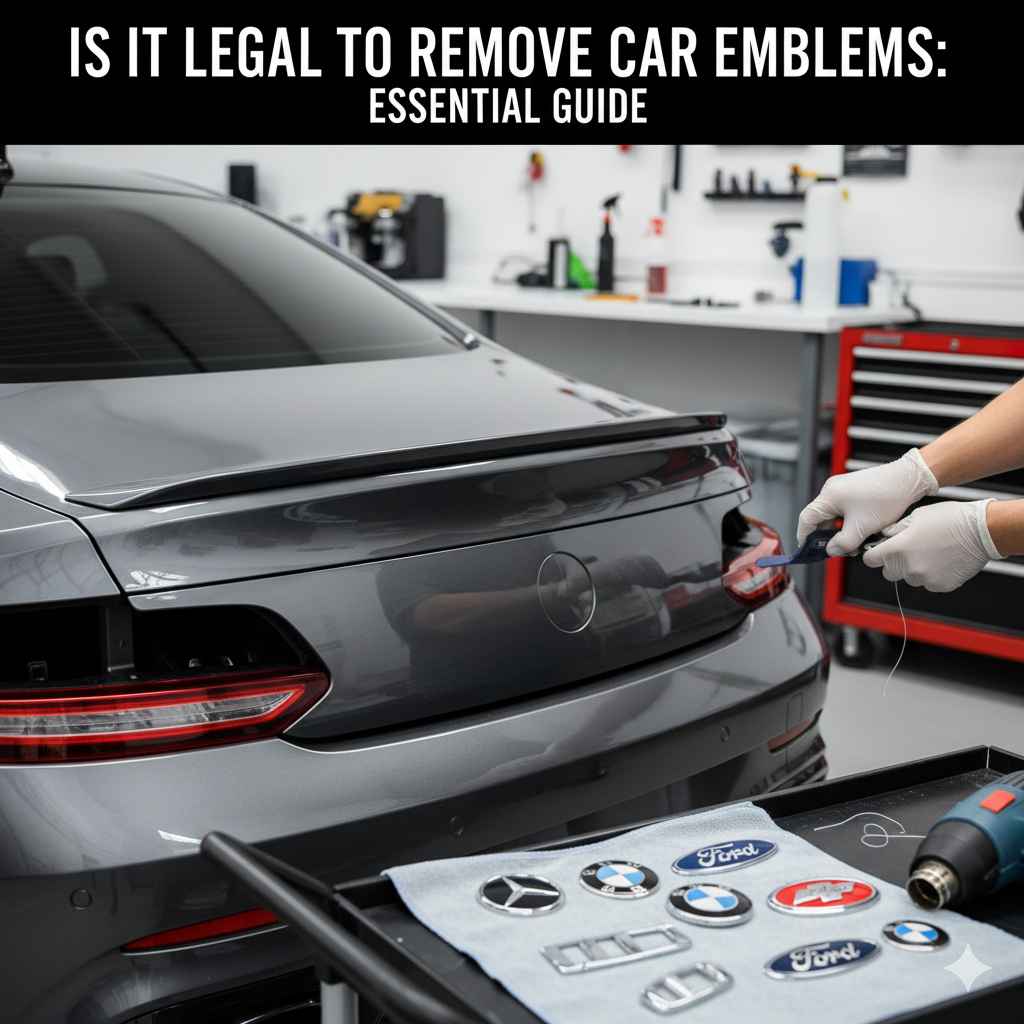
Is It Legal to Remove Car Emblems: Essential Guide
Yes, in most cases, it is legal to remove car emblems and badges. Laws typically focus on safety equipment and identification numbers, not decorative logos. However, always double-check local ordinances and consider potential resale value.
Ever looked at your car and thought, “This badge just doesn’t fit my style”? You’re not alone! Many car owners wonder if swapping out or completely removing those shiny logos and emblems is a simple DIY project or a legal minefield. The good news is, it’s usually a straightforward process with no legal worries. This guide will walk you through everything you need to know, from understanding the legality to how to do it safely. Let’s get your car looking just how you want it!
Understanding Car Emblems and Their Purpose
Car emblems, also known as badges or logos, are the symbols placed on a vehicle’s exterior to identify the manufacturer, model, trim level, or special features. Think of the iconic Ford blue oval, the Mercedes-Benz star, or the “V8” badge on a performance car.
What Are Emblems Made Of?
Most car emblems are crafted from durable materials like:
- Chrome-plated plastic: This is the most common type, offering a shiny metallic look without the weight or cost of real metal.
- Metal alloy: Some higher-end or performance models use solid metal emblems for a more premium feel.
- Resin domed logos: These often have a raised, glossy finish and are typically found on newer vehicles.
Why Do Manufacturers Use Them?
Manufacturers use emblems for several key reasons:
- Branding and Recognition: To make their vehicles easily identifiable in a crowded market.
- Model and Trim Identification: To inform potential buyers about the specific version of a car.
- Marketing and Status: Emblems can be associated with luxury, performance, or specific features.
While these badges are a core part of a car’s identity, their removal is a popular customization choice for many drivers.
Is It Legal to Remove Car Emblems? The Essential Answer
Let’s get straight to the point: In the vast majority of places, it is perfectly legal to remove car emblems and badges. Car manufacturers aren’t required by law to keep them attached, and there are no specific regulations that prohibit their removal. Laws that govern vehicle modifications generally focus on safety features like lights, brakes, windows, and registration plates, as well as ensuring the vehicle’s VIN (Vehicle Identification Number) is accessible. Decorative emblems typically don’t fall into these categories.
However, it’s always wise to be informed. While rare, some local or state regulations might have obscure rules, particularly concerning official badging related to vehicle type or specific emissions certifications in very niche circumstances. For instance, if an emblem explicitly stated a vehicle met a certain emissions standard that is legally regulated for operation, removing it could theoretically be an issue if it interferes with official inspection processes, but this is highly unlikely for standard manufacturing logos.
The primary concerns for legality with car modifications usually revolve around:
- Safety equipment: You can’t legally remove airbags or disable seatbelts.
- Visibility impairments: Tinting windows too dark or placing objects that block your view is often illegal.
- Noise levels: Modifying exhaust systems to be excessively loud can break laws.
- Vehicle identification: Tampering with or obscuring the VIN is a serious offense.
- Lighting: Changing lights to non-standard colors (like red headlights) is usually prohibited.
Car emblems don’t impact any of these critical areas.
What About Specific Cases?
While it’s generally legal, consider these points:
- “Powered by Honda” or “V6” badges: Removing these is legal. The car is still identifiable by its VIN.
- “Hybrid” or “Electric” badging: Removing these is also legal. The car’s powertrain is inherent to its design, not its badges.
- Trim level badges (e.g., “LX,” “Touring,” “Sport”): These are purely for marketing and can be removed legally.
The key takeaway is that emblems are primarily cosmetic or identifying markers, not safety or regulatory components.
Why People Remove Car Emblems
The appeal of removing emblems, often called “debadging” or “debadging,” comes down to aesthetics and personal preference.
Common Reasons for Debadging:
- Sleeker Appearance: Many drivers prefer a cleaner, smoother look on their car’s body. Removing emblems can create a more minimalist and sophisticated aesthetic.
- Customization: It’s a way to personalize a vehicle and make it stand out from other identical models on the road.
- Easier Cleaning: Emblems can trap dirt, grime, and develop rust or discoloration over time. Removing them simplifies washing and waxing.
- Resale Value (Sometimes): While debatable, some buyers might prefer a “blank canvas” look, while others might prefer the original badging. This is highly subjective.
- Preparing for a Wrap or Paint Job: For a flawless finish, emblems are often removed before the car is vinyl wrapped or repainted.
Potential Downsides:
While generally safe, consider these before you start:
- Loss of Brand/Model Identification: If you or future buyers prefer knowing the exact trim or model instantly, this is lost.
- Resale Value Concerns: Some classic car collectors or buyers might view de-badging negatively, affecting the price. However, for most modern cars, this impact is minimal.
- Visible Trim Outline: On older cars, or if heat guns are used excessively, you might be left with an outline where the emblem once sat.
How to Safely Remove Car Emblems: A Step-by-Step Guide
Removing car emblems is a DIY-friendly task that requires minimal tools. Precision and patience are key to avoid damaging your car’s paint.
Tools You’ll Need:
- Heat Gun or Hair Dryer: To soften the adhesive.
- Fishing Line, Dental Floss, or Plastic Prying Tools: To cut through the adhesive.
- Rubbing Alcohol (Isopropyl Alcohol): For residue removal.
- Microfiber Cloths: For cleaning and polishing.
- Clay Bar (Optional): For removing stubborn residue.
- Car Wax or Sealant: To protect the paint afterwards.
- Gloves (Optional): To keep hands clean.
Step-by-Step Removal Process:
Step 1: Clean the Area
Thoroughly wash and dry the area around the emblems. This removes any loose dirt or grit that could scratch the paint during the removal process.
Step 2: Apply Heat
Use a heat gun on a low setting or a hairdryer to gently warm the emblem. Move the heat source constantly over the emblem for about 30-60 seconds. The goal is to soften the adhesive holding it in place, not to melt or damage the paint. You’ll want the emblem to be warm to the touch, but not hot.
Step 3: Loosen the Emblem
Once the adhesive is warm and pliable, gently slide a piece of strong fishing line or dental floss behind one edge of the emblem.
- Work the line back and forth in a sawing motion.
- Apply steady, gentle pressure.
- If you encounter resistance, apply more heat and try again.
- Avoid pulling or prying aggressively with metal tools, which can scratch the paint. Plastic trim removal tools can be used for leverage if needed, but be gentle.
Step 4: Remove Remaining Adhesive
After the emblem is off, you’ll likely have residual adhesive on your paint. Rub this gently with your thumb or a microfiber cloth.
- Dip a microfiber cloth in rubbing alcohol and carefully wipe away the sticky residue.
- For stubborn spots, a clay bar can be very effective. Follow the manufacturer’s instructions for using a clay bar.
Step 5: Clean and Protect the Paint
Once all the adhesive is gone, clean the area again with a car wash soap and water, then dry it.
- Inspect the paint for any minor imperfections.
- Apply a high-quality car wax or paint sealant to the newly exposed area. This will protect the paint and help it blend in with the surrounding finish.
- A detailer might recommend using a product like California Gold Quick Detailer (as an example of a widely available product for cleaning and light waxing) on the area to restore shine and protection.
Understanding Different Emblem Types and Removal Challenges
While the general process is similar, some emblems might present unique challenges. Knowing what you’re dealing with can make the job smoother.
Adhesive-Mounted Emblems
These are the most common and are attached with automotive-grade double-sided tape. The steps outlined above are perfect for this type. These are typically found on the vast majority of car doors, trunks, and fenders.
Clip-Mounted Emblems
Less common for manufacturer logos, some badges might be attached with small plastic clips from behind the panel.
- You might need to carefully pry the emblem off, and you’ll feel them release.
- Sometimes, these often come with an adhesive backing as well.
- If you suspect clips, do a quick online search for your specific car model to see if this is common.
Emblems Embedded in Trim Pieces
Some newer vehicles have emblems integrated directly into chrome trim strips or black plastic pieces.
- Removing these often means removing the entire trim piece.
- This can be more complex and might require specific trim removal tools and knowledge of how the trim piece is secured.
- Check your car’s service manual or forums for guidance on trim removal.
Examples of Emblems and Their Typical Mountings:
| Emblem Type | Typical Location | Common Material | Primary Attachment Method | Removal Difficulty |
|---|---|---|---|---|
| Manufacturer Logo (e.g., Mercedes Star, BMW Roundel) | Grille, Hood, Trunk, Wheels | Chrome-plated plastic, Metal | Adhesive, sometimes clips (hood ornaments) | Easy to Moderate |
| Model Name (e.g., “Camry,” “F-150”) | Trunk, Fenders | Chrome-plated plastic | Adhesive | Easy |
| Trim Level (e.g., “LE,” “XLT,” “Sport”) | Fenders, Doors, Trunk | Chrome-plated plastic, Resin | Adhesive | Easy |
| Engine/Performance Badge (e.g., “V6,” “EcoBoost,” “TSI”) | Fenders, Doors, Trunk | Chrome-plated plastic, Metal | Adhesive | Easy |
| Special Edition Badges (e.g., “Anniversary,” “GT-R”) | Trunk, Fenders | Metal, Chrome-plated plastic | Adhesive, Clips | Moderate |
Legal Considerations: Beyond Just “Is It Legal?”
While removing emblems is generally legal, it’s always good practice to consider the broader implications, especially if you plan to sell your car.
Resale Value and Buyer Perception
For most everyday cars, the impact of de-badging on resale value is minimal. Some buyers appreciate the clean look, while others might prefer the factory appearance. However, for certain vehicles, especially classics or performance models, original badging might be preferred by collectors. If you’re unsure, it might be wise to keep the emblems in a safe place in case a future buyer wants them. You can often reattach them with new adhesive strips.
Insurance and Identification
Your car’s insurance policy and registration will identify your vehicle by its VIN and license plate, not its emblems. Removing emblems will not affect your insurance coverage or legal registration. The legal identification of a vehicle is tied to its Vehicle Identification Number (VIN), which is physically stamped onto various parts of the car chassis and noted on your title and registration documents. The U.S. National Highway Traffic Safety Administration (NHTSA) provides thorough information on VIN standards and their importance in vehicle safety and identification, accessible via their official website.
Warranty Concerns
Removing external emblems should not void your car’s manufacturer warranty. Warranties typically cover defects in materials and workmanship of the vehicle’s components. Emblems are considered cosmetic exterior accessories, and their adhesion is generally not tied to critical mechanical or electrical systems. However, if you were to damage the paint while removing them, any repair costs for the paint damage would likely be your responsibility.
Alternatives to Full Debadging
If you like the idea of changing your car’s look but aren’t ready for permanent removal, consider these options:
1. Emblem Overlays or Skins
These are adhesive stickers or vinyl wraps that go directly over your existing emblems.
- Pros: Reversible, easy to apply, wide variety of colors and finishes (carbon fiber, matte black, gloss, custom designs).
- Cons: Can sometimes look aftermarket if not applied perfectly, might peel over time.
Websites like Badgeskins offer a wide selection of these custom overlays for various car models.
2. Painting Emblems
You can paint your emblems to match your car’s body color, a contrasting color, or a matte black finish.
- Pros: Provides a customized, often monochromatic look. Can be done DIY or professionally.
- Cons: Requires careful preparation (sanding, priming) for durability. Can be tedious.
3. Replacing Emblems
You can purchase aftermarket emblems in different styles, finishes, or even custom-made designs to replace your factory ones.
- Pros: Allows for a completely new look while retaining identification.
- Cons: Cost can vary greatly. Ensure they are compatible with your car’s mounting points.
- For accurate replacement parts, consult resources like TurnSignal which offers guides on emblem identification and replacement.
Frequently Asked Questions (FAQ) About Removing Car Emblems
Q1: Can I get a ticket for removing car emblems?
A1: It is highly unlikely. Laws about vehicle modifications generally focus on safety and identification numbers, not decorative badges.
Q2: Will removing emblems damage my car’s paint?
A2: When done correctly, with proper heating and careful use of non-damaging tools like fishing line, paint damage is avoidable. However, rushing the process or using sharp metal objects can scratch or peel the paint.
Q3: What is the best way to remove the sticky residue left behind?
A3: Rubbing alcohol (isopropyl alcohol) is very effective. For tougher residue, a clay bar or a specialized adhesive remover can be used. Always follow up with a thorough cleaning and waxing.
Q4: Can I reattach my old emblems after removing them?
A4: Yes, you can. You’ll need to purchase new automotive double-sided adhesive tape (often called “emblem tape”) and apply it carefully to the back of the emblem before reattaching it.
Q5: Does de-badging affect my car’s warranty?
A5: No, removing exterior emblems will not void your car’s manufacturer warranty. The warranty covers manufacturing defects, not cosmetic modifications that don’t affect the vehicle’s core function or safety.
Q6: Are there any specific emblems I should NOT remove?
A6: Generally, no. However, if an emblem is directly related to a legally required certification (like specific emissions badges in certain regions, though this is rare for consumer cars) or is a critical safety indicator (which is uncommon for manufacturer logos), confirm local regulations. Standard brand, model, and trim emblems are safe to remove.
Q7: How do I know if my emblems are clipped or just glued on?
A7: Most are glued on with adhesive. If you’re unsure, a quick search online for “[Your Car Model] emblem removal” often yields videos or forum posts showing how specific emblems on your car are attached. You can also try gently wiggling the emblem; if it moves freely after heating, it’s likely only adhesive. If it feels very secure and doesn’t budge, it might have clips.
Conclusion: Debadge with Confidence!
So, the answer to “is it legal to remove car emblems?” is a resounding yes for most drivers. You can confidently de-badge your vehicle to achieve that streamlined, personalized look you desire without worrying about legal repercussions.