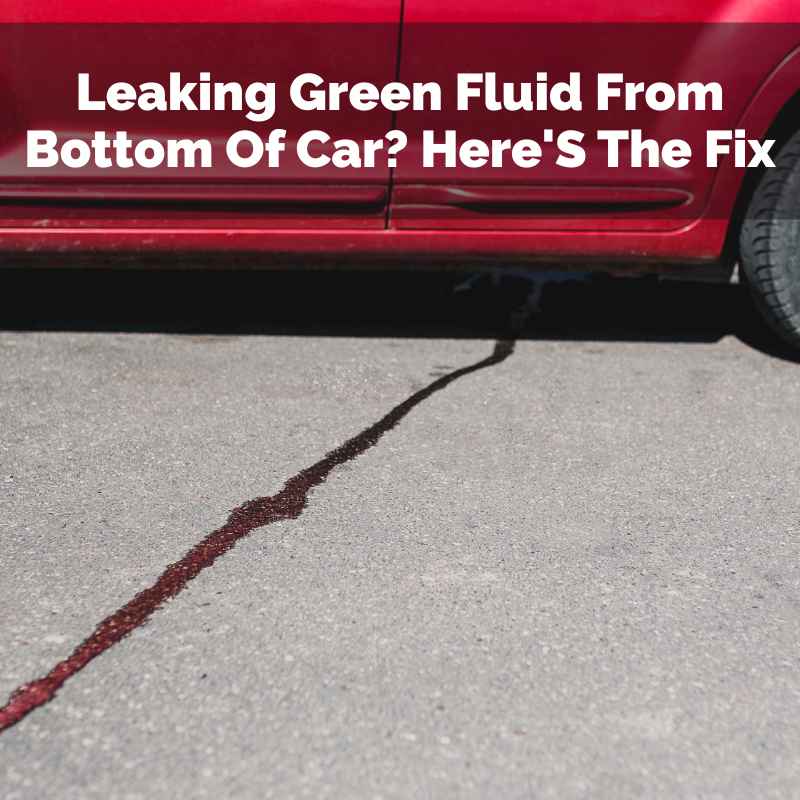
Leaking Green Fluid From Bottom Of Car? Here’S The Fix
This article will break it down for you. We’ll explore what that green liquid usually is. You’ll learn why it might be there.
We’ll also cover simple things you can check yourself. Our goal is to give you clear answers. You’ll feel more confident about your car.
Leaking green fluid from the bottom of your car often means coolant is escaping. This is usually from the radiator, hoses, or water pump. It’s important to check your coolant level and find the leak source promptly to prevent engine overheating.
Understanding Green Car Fluid Leaks
That green liquid you’re seeing is most often your car’s coolant. Coolant is also called antifreeze. It has a very important job.
It keeps your engine from getting too hot. It also stops it from freezing in cold weather.
Coolant is a mix. It’s usually water and a special chemical. Ethylene glycol or propylene glycol are common chemicals.
They work together. They transfer heat away from the engine. This keeps everything running smoothly.
Different car brands use different colored coolants. Green is a very common color. So, seeing green fluid often points to a coolant issue.
Why does coolant leak? Well, your car’s cooling system has many parts. These parts work under pressure.
Over time, they can wear out. Hoses can crack. Gaskets can fail.
The radiator itself can develop tiny holes. The water pump can also start to drip. Any of these issues can let coolant escape.
It’s not just the color that tells you it’s coolant. Coolant often has a slightly sweet smell. This smell can be noticeable.
It’s another clue to what you’re dealing with. If you see a green puddle and smell something sweet, it’s very likely your coolant.
My Own Green Leak Scare
I remember one time I saw a bright green puddle under my old sedan. It was after a long drive. I pulled into my driveway and noticed it right away.
My stomach dropped. My mind raced through all the worst-case scenarios. Was the engine ruined?
Would I need a whole new system?
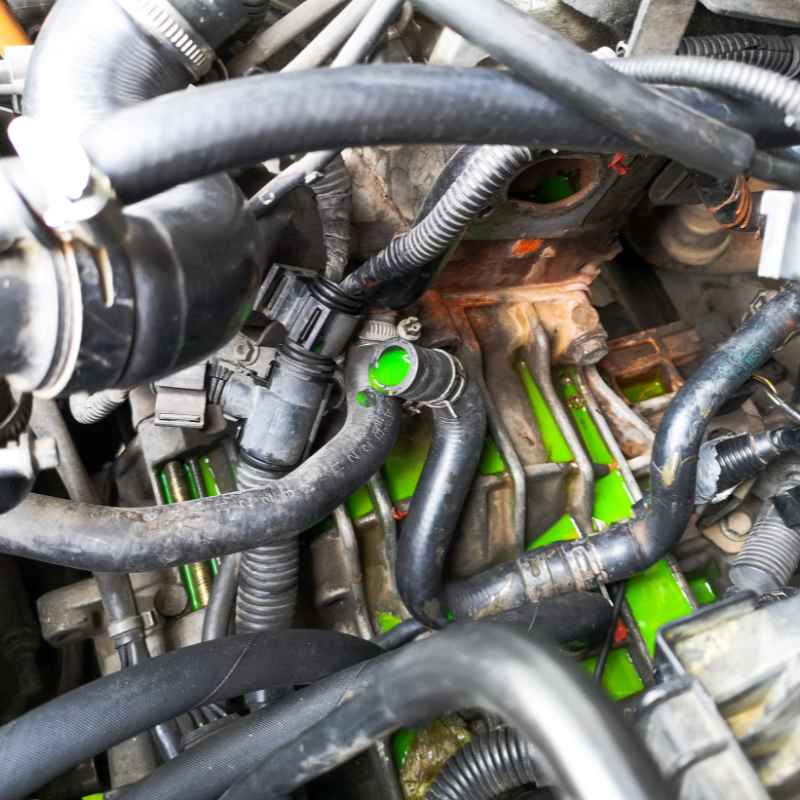
I felt a bit of panic. The green liquid looked so out of place. I immediately popped the hood.
I checked the coolant reservoir. It was lower than it should be. I could see some dried green residue around the edges.
This confirmed my fear. It was indeed a coolant leak. The leak wasn’t huge, but it was definitely there.
It made me realize how important it is to pay attention to these signs.
Coolant Basics for Car Owners
What is Coolant? A special fluid that stops your car’s engine from overheating or freezing.
Common Colors: Green, red, orange, blue, and yellow. Each color often means a different type or brand of coolant.
Key Ingredients: Water mixed with ethylene glycol or propylene glycol.
Why it Leaks: Parts wear out. Hoses, seals, radiators, and pumps can fail over time.
Where Can This Green Fluid Come From?
Understanding where the leak starts helps a lot. Your car’s cooling system is a network. It has many connection points.
A leak can happen at almost any of them. Let’s look at the most common spots.
The Radiator
The radiator is like the heart of the cooling system. It’s a metal grid. Air passes through it to cool the fluid inside.
Radiators can leak for a few reasons. Corrosion is a big one. Tiny holes can form.
They might start small. Over time, they can grow. Accidents can also damage a radiator.
A stone hitting it can cause a leak.
Coolant Hoses
Rubber hoses carry the coolant. They connect the engine to the radiator and other parts. These hoses can become brittle with age.
They can crack or split. Clamps that hold them in place can also loosen. A loose clamp can allow coolant to drip out.
A split hose means a bigger leak.
Water Pump
The water pump moves the coolant through the system. It has a seal. This seal keeps the fluid inside.
Over time, this seal can wear out. When it does, coolant can start to seep out. You might see a drip from the pump itself.
Sometimes, the pump housing can crack.
Heater Core
Your car’s heater uses coolant. A heater core is like a mini radiator. It’s inside your car’s dashboard.
If this leaks, you might see green fluid on the passenger side floor. Sometimes, you’ll smell it inside the car too. This leak is less common but can happen.
Thermostat Housing and Gaskets
The thermostat controls coolant flow. It’s usually in a housing. This housing has a gasket.
Gaskets are seals. They prevent leaks. If a thermostat housing gasket fails, coolant can leak.
This might be a smaller, slower leak.
Common Leak Spots to Check
- Radiator: Look for corrosion or visible damage.
- Hoses: Check for cracks, bulges, or soft spots.
- Water Pump: See if there’s a drip from the pump itself.
- Connections: Inspect hose clamps and where hoses meet other parts.
- Reservoir Tank: The plastic tank can crack or lose its cap seal.
Why is My Car Leaking Green Fluid?
So, you’ve got a green puddle. Why did it start? Several factors contribute to coolant leaks.
Understanding these can help you prevent future problems.
Age and Wear
Car parts don’t last forever. Rubber hoses degrade over time. Metal parts like the radiator can rust.
Seals and gaskets dry out. This is a natural process. Most cars will face these issues eventually.
Regular maintenance helps catch them early.
Engine Overheating
If your engine runs too hot, it puts extra stress on the cooling system. This can speed up wear. It might cause hoses to burst.
It can also damage the water pump seal. Overheating is a serious issue. It can lead to bigger problems than just a leak.
Poor Quality Coolant or Mix
Using the wrong type of coolant is a problem. Some coolants are not compatible. They can cause corrosion or damage to your system.
Also, the mix of coolant and water matters. If it’s too much water, it won’t protect well. If it’s too much chemical, it might be too harsh.
Driving Conditions
Driving in extreme heat can stress the system. Stop-and-go traffic is also hard on cooling systems. These conditions make the engine work harder.
They increase the chance of overheating. This can lead to leaks over time. Rough roads can also shake parts.
This might loosen connections.
Manufacturing Defects
Sometimes, a part might have a defect from the factory. This can cause it to fail sooner than expected. It’s rare, but it does happen.
This is why checking your car’s history is important. If a part was recently replaced, it might be worth double-checking.
When is a Leak Serious?
Small Puddles: A very small drip might be manageable for a short time. But it still needs fixing.
Large Puddles: A big puddle means a serious leak. You should not drive the car.
Fast Dripping: If fluid is running out quickly, stop driving immediately.
Overheating: If your car’s temperature gauge goes up, turn off the engine.
What to Do When You See Green Fluid
Seeing that green puddle can be worrying. But don’t panic. There are steps you can take.
They will help you figure out the problem. They will also help you fix it safely.
Safety First!
Your car’s cooling system is pressurized. The coolant can be very hot. Never open the radiator cap when the engine is hot. You could get seriously burned.
Let the engine cool down completely. This can take an hour or more. Also, coolant is toxic.
Keep it away from pets and children. Clean up any spills carefully.
Check the Coolant Level
Look for the coolant reservoir. It’s usually a translucent plastic tank. You’ll see “Min” and “Max” lines on it.
Check the level when the engine is cold. If it’s below the “Min” line, your coolant is low. This confirms a leak.
Try to Find the Leak Source
Look under the car. Where is the puddle? Is it mostly in the front, middle, or back?
Use a flashlight. Shine it on hoses and connections. Look for wet spots or drips.
Feel around the radiator and water pump if the engine is cool. Sometimes, you’ll see dried coolant. It looks like green crust.
Quick Checks for Leaks
Visual Inspection: Look for obvious wet spots or drips.
Feel for Moisture: Gently feel hoses and connections for dampness.
Check Reservoir: Note the coolant level when cold.
Look for Stains: Dried coolant leaves a residue.
Add Water or Coolant (Temporarily)
If the coolant level is low, you need to add some. In an emergency, plain water can work for a short time. But it won’t protect against freezing or boiling.
It’s best to add the correct type of coolant. Check your car’s manual for the right kind. Don’t just pour it in.
Add it slowly to the reservoir.
Important Note: Adding coolant is a temporary fix. It won’t stop the leak. It just gets you by for a little while.
You still need to find and fix the real problem.
When to Call a Mechanic
If you can’t find the leak. If the leak is large. If you’re not comfortable working on cars.
It’s time to call a professional. Mechanics have the tools and knowledge. They can find the leak.
They can fix it correctly.
Don’t ignore a coolant leak. Even small leaks can lead to big problems. An engine that overheats can suffer severe damage.
This can be very expensive to repair. It’s always better to fix it early.
Real-World Scenarios of Green Leaks
Let’s look at some common situations where you might find green fluid.
Scenario 1: The Morning Drip
You walk out to your car on a cool morning. You see a small, fresh green puddle under the front of the car. It’s not huge.
It looks like it just started. This often points to a hose or a radiator seam. The rubber hose might have a tiny crack that leaks more when it’s cold and stiff.
Or, a seam on the radiator might be failing.
Scenario 2: After a Long Drive
You just finished a long trip. You park the car. Later, you notice a significant green puddle.
This could mean a part failed under pressure. The heat and vibration from the long drive may have made a weak spot give way. A burst hose or a leaking radiator could be the cause.
Scenario 3: Inside the Car Smell
You’ve been driving, and you notice a sweet smell inside the car. You might also see fog on the windshield. This often means the heater core is leaking.
The coolant is getting into the ventilation system. This is a more complex repair. It involves getting behind the dashboard.
Scenario 4: Gradual Loss of Coolant
Your coolant warning light comes on. You check the reservoir, and it’s low. You top it up.
A few weeks later, it’s low again. You don’t see a big puddle. This suggests a very slow leak.
It could be a small crack in a hose, a faulty water pump seal, or a bad gasket. These leaks can be hard to spot without a mechanic.
Common Leak Culprits
- Aging Rubber Hoses: They become brittle and crack.
- Radiator Corrosion: Tiny holes form from rust.
- Water Pump Seal Failure: The internal seal wears out.
- Thermostat Gasket Issues: The seal around the thermostat fails.
- Heater Core Problems: Leaks inside the car’s cabin.
What This Green Fluid Means for Your Car’s Health
A green fluid leak is more than just a mess. It’s a sign your car needs attention. Ignoring it can lead to serious problems.
Let’s talk about what it means for your car.
Engine Overheating is the Main Risk
The primary job of coolant is to keep the engine temperature stable. When coolant leaks out, there’s less of it. The system can’t cool the engine effectively.
The temperature gauge will rise. If it goes into the red, your engine is overheating. This can cause components to warp or melt.
Head gaskets are very vulnerable.
Damage to Other Parts
Coolant is not just water. It has chemicals that protect the metal parts of your engine. These chemicals prevent rust and corrosion.
They also lubricate the water pump. If the coolant level gets too low, these protections are gone. This can lead to faster wear and tear on expensive engine parts.
The water pump can be damaged by running dry.
Corrosion and Blockages
If the wrong type of coolant is used, or if the system is old and neglected, corrosion can build up. This rust and gunk can clog parts of the cooling system. It can block the small tubes in the radiator.
It can prevent the thermostat from opening. A blocked system can’t cool the engine properly. This leads to more overheating.
The Cost of Waiting
A small coolant leak might cost a little to fix. You might need a new hose or clamp. But if you wait, the damage can become severe.
An overheated engine can lead to a blown head gasket. This can cost thousands of dollars to repair. Sometimes, the engine might be damaged beyond repair.
It’s almost always cheaper to fix a leak early.
Consequences of Ignoring Leaks
Engine Damage: Overheating can cause expensive parts to fail.
Reduced Lifespan: Parts wear out faster without proper coolant.
Costly Repairs: Small leaks can become huge repair bills.
Breakdowns: You could be stranded with a disabled car.
Quick Fixes and Tips for Coolant Leaks
While a permanent fix usually needs a mechanic, there are some temporary measures and tips.
Use the Right Coolant
Always use the coolant recommended in your car’s owner’s manual. They often come in different colors and formulas. Using the wrong type can cause problems.
If you’re unsure, ask your mechanic.
Top Up Correctly
When adding coolant, use a 50/50 mix of antifreeze and distilled water. Distilled water is best because it has no minerals. Minerals can cause corrosion.
Always add coolant to a cold engine. Never fill it past the “Max” line.
Temporary Stop Leak Products
There are products sold in auto parts stores that claim to stop small leaks. These are usually powders or liquids you add to the coolant. They can work for very small leaks.
However, they are not a permanent fix. They can sometimes clog parts of the cooling system. Use them with caution and only as a temporary measure.
Regular Inspections
Make it a habit to check your coolant level weekly. Look under your car for any new puddles. Check hoses for cracks or leaks.
This regular attention can help you spot problems early.
Smart Coolant Tips
Check Level: Weekly when the engine is cold.
Use Correct Type: Always follow your manual’s recommendation.
50/50 Mix: Use antifreeze and distilled water.
Temporary Fixes: Use stop-leak products cautiously.
Clean Spills: Coolant is toxic and can harm pets.
Frequently Asked Questions About Green Car Leaks
Is green fluid always coolant?
While green fluid is most often coolant (antifreeze), it’s not always the case. Some cars use other types of fluids that can be green. However, for most vehicles, a green liquid on the ground usually points to a coolant leak.
The sweet smell associated with coolant is another strong indicator.
Can I drive my car with a coolant leak?
It depends on the size of the leak. A very small drip might allow you to drive a short distance to a mechanic. However, if the leak is large, or if your car’s temperature gauge is rising, you should not drive the car.
Continuing to drive an overheating car can cause severe engine damage.
How much does it cost to fix a coolant leak?
The cost varies a lot. A simple hose replacement might cost around $100-$200. Replacing a radiator can be $400-$800 or more.
Replacing a water pump is often in the $500-$1000 range. The most expensive repairs are often due to secondary damage from overheating, like a blown head gasket.
What is the difference between green and red coolant?
The color of the coolant indicates its type and additives. Green coolant is often older technology and may need to be changed more frequently. Red or orange coolants are often “long-life” or “OAT” (Organic Acid Technology) coolants, designed to last longer.
It’s crucial not to mix different types of coolants, as it can cause system damage.
How do I know if my water pump is leaking?
A leaking water pump often shows signs. You might see a small drip coming from the pump’s weep hole. This hole is designed to let a tiny bit of fluid escape if the seal starts to fail.
You might also hear a grinding or whining noise from the pump. Sometimes, there’s a visible stain of dried coolant around the pump.
Can a bad radiator cap cause a leak?
Yes, a faulty radiator cap can contribute to leaks. The cap is designed to hold a specific pressure in the cooling system. If the cap is worn or damaged, it might not hold pressure correctly.
This can allow coolant to escape, especially when the system heats up and expands. It can also lead to the engine running hotter than it should.
Final Thoughts on Green Leaks
Seeing a green liquid under your car is a clear signal. It’s your cooling system asking for attention. While it can seem worrying, understanding the basics helps.
It’s often a common issue with identifiable causes. Being aware of the signs and knowing what to do can save you stress and money. Always prioritize safety and get leaks checked out by a professional if you’re unsure.
Keeping your coolant system healthy keeps your engine running smoothly.
Products related to this article
Sponsored / affiliate links. As an Amazon Associate I earn from qualifying purchases. I may earn additional commission from eligible campaigns.