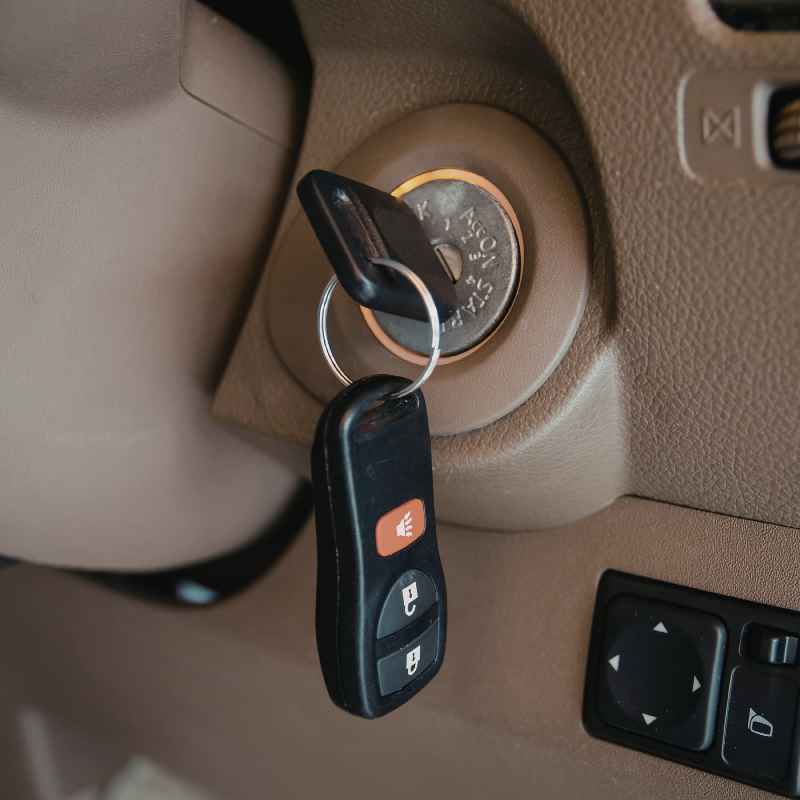
Why Is My Car Key Hot? Reasons You Should Never Ignore
It’s a common thing. You reach for your car key, and it feels surprisingly warm. Maybe even hot to the touch.
You might wonder, “Why is my car key hot?” It can be a little unnerving. You rely on this small piece of metal every day. You need it to get where you’re going.
Seeing it act strangely can raise questions. This guide will help you understand why this happens. We’ll cover the simple reasons and the ones you shouldn’t overlook.
Let’s get to the bottom of it.
It’s normal for a car key to feel warm sometimes, especially if it’s been in the sun. However, if your car key is consistently hot or feels unusually hot, it could signal a problem with the key fob’s battery, internal components, or even an external heat source. Understanding the common causes helps ensure your key is safe and works properly.
What Makes a Car Key Feel Hot?
Your car key isn’t just a simple piece of metal anymore. Most modern keys have electronic components inside. These are for things like unlocking doors, starting the engine, and security.
These parts can generate a small amount of heat. Think of your smartphone. It gets a little warm when you use it a lot.
Your car key fob is similar. It has a tiny battery and circuitry.
When these electronic parts work, they use energy. This process creates a little bit of heat. It’s usually not enough to notice.
But sometimes, conditions can make that heat build up. This makes the key feel warm or even hot in your hand. It’s important to know that some heat is normal.
It’s the extreme heat that we need to watch out for.
Let’s break down the usual suspects. We’ll explore the reasons why your car key gets hot.
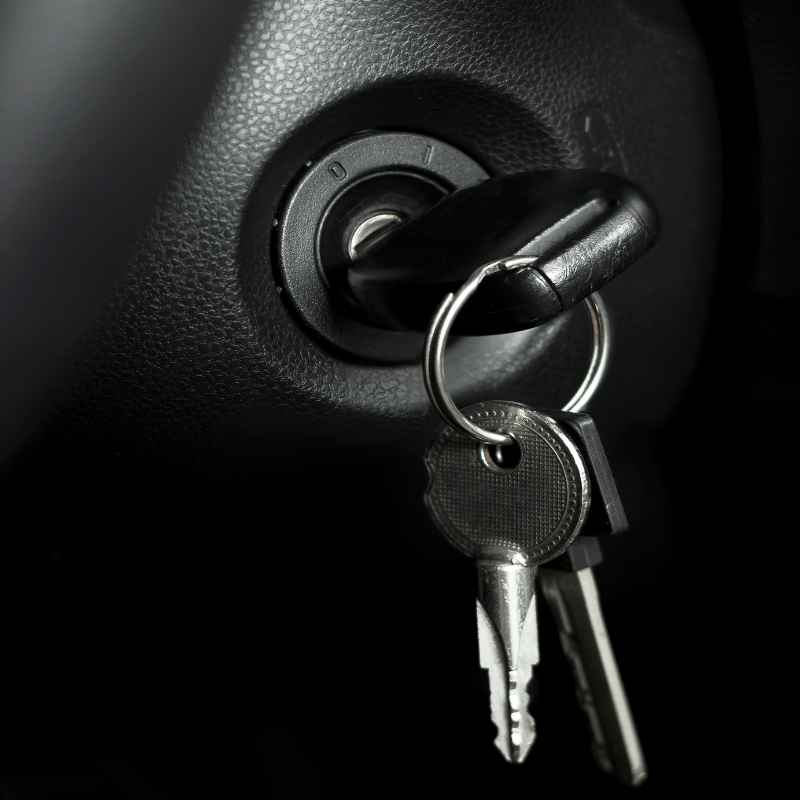
My Personal Experience with a Hot Car Key
I remember one summer day vividly. I was rushing out of the grocery store. The sun was beating down, and my car was sitting in the middle of the parking lot.
I grabbed my keys from my purse, and my hand recoiled a little. They were radiating heat. I held them for a moment, and they felt uncomfortably warm, almost like they’d been sitting on a radiator.
My first thought was, “This isn’t right.” I worried something was wrong with them. What if they stopped working when I needed them most? I quickly unlocked the car, got inside, and put the keys on the console.
The air conditioning had them cooled down in no time. That day taught me that external factors can really play a role.
Common Causes: Quick Scan
Sun Exposure: Direct sunlight can heat up anything left inside a car.
Battery Issues: A dying or faulty battery can sometimes overheat.
Fob Damage: Physical damage can affect internal components.
Constant Button Pressing: Holding down a button can cause minor warmth.
Electronic Malfunction: Less common, but possible.
The Sun: A Silent Heat Generator
This is probably the most common reason your car key feels hot. If you leave your car parked in the sun for any length of time, the interior temperature can skyrocket. Think about it: a car is like a greenhouse.
Sunlight streams through the windows, warming up the surfaces inside. Plastics, metal, and even leather can absorb a lot of heat.
Your car key, especially if it’s made of plastic with some metal components, will absorb this ambient heat. If it’s been sitting on the dashboard, in the ignition, or even in a cup holder, it’s directly exposed to the super-heated air. When you pick it up, that absorbed heat transfers to your hand.
It feels much hotter than the outside air.
This is perfectly normal. The key itself isn’t malfunctioning. It’s just a victim of thermodynamics.
Once you remove it from the hot environment, it will cool down. Leaving keys in a hot car is not recommended for many reasons. It can damage electronics over time.
So, always try to park in the shade when possible. Or, at least, don’t leave sensitive items like your key fob baking on the dash.
Battery Woes: A Common Culprit
Your key fob has a small battery. This battery powers the electronics. It sends signals to your car to unlock doors, start the engine, and more.
Like any battery, it has a lifespan. When a battery starts to die, it might not perform as efficiently.
Sometimes, a failing battery can generate extra heat. This happens when the battery is working harder to send a signal. Or, if the battery itself is old and starting to degrade internally.
It’s not a dramatic heat like a fire. It’s a subtle warmth that you might notice when holding the key.
If your car key is consistently warm, even when it hasn’t been in the sun, the battery is a prime suspect. Battery changes are usually simple. You can often do it yourself with a small screwdriver.
If you’re unsure, a mechanic or an automotive locksmith can help. Knowing how to replace your key fob battery is a handy skill.
Spotting Battery Problems
Key Fob Behavior: Buttons might become less responsive. Unlock/lock range might decrease.
Warning Lights: Some cars may show a dashboard warning for key fob battery low.
Consistent Warmth: The key feels warm even when not in direct sun.
Damage to the Key Fob
Car keys are pretty robust. But they can still get damaged. Dropping your keys can cause internal components to shift or break.
Getting them wet can also cause problems, even after they dry. If the internal circuitry of your key fob is damaged, it can behave erratically.
A cracked circuit board or a loose connection might cause parts to short-circuit. This can generate heat. It’s like if you bend a wire too many times.
The connection might get weaker or unstable. This instability can lead to extra heat production.
If you’ve recently dropped your keys, or if they’ve had a bad encounter with water, this could be the reason. If the plastic casing is also cracked, it’s a clear sign of physical damage. In these cases, the key might need to be repaired or replaced.
A damaged key fob can also lead to other issues, like not being able to start your car.
Accidental Button Presses
Modern car keys have multiple buttons. There’s the lock button, unlock button, panic button, and sometimes a trunk release. If you keep a key fob in your pocket or purse, it’s possible to accidentally press a button.
Especially the panic button, which is often a prominent one.
When a button is pressed, the key fob sends a signal to the car. If a button is stuck down, or if you’re repeatedly pressing it without realizing it, the fob is constantly trying to send that signal. This constant activity can cause the battery to work overtime.
And as we discussed, this can lead to some warmth.
Try to notice if the heat occurs when you’re carrying the key in a particular way. Or if it happens after you’ve been sitting on it. A simple fix might be to change how you carry your keys.
Or to use a key cover that prevents accidental presses. Some people also find that reorienting the key in their pocket helps.
Fob Button Check
Test Each Button: Press lock, unlock, trunk, and panic buttons one by one. See if any feels stuck or acts unusually.
Listen for Signals: When pressing, listen for a click from the car or a light flash. This confirms the fob is sending a signal.
Pocket Carry: If carried in a pocket, try a different pocket or a bag to see if the heat persists.
Internal Electronic Malfunctions
While less common, there’s always a possibility of an internal electronic malfunction. The tiny computer chips and circuits inside your key fob are complex. Sometimes, these can develop a fault.
This fault could cause them to draw too much power. Or to generate heat as a byproduct of their error.
This is harder to diagnose yourself. It’s not something you can usually fix with a simple tweak. If you’ve ruled out external heat sources, battery issues, and physical damage, an internal malfunction might be the cause.
This is where professional help becomes important. An automotive locksmith or a dealership service center can test your key fob’s electronics.
These malfunctions can sometimes be intermittent. Meaning the key might feel hot one day and normal the next. This can make diagnosis tricky.
But persistent warmth that can’t be explained by other factors should be investigated. It’s better to be safe than to have your key suddenly stop working.
Real-World Scenarios and Context
Let’s look at different situations where you might notice a hot car key. Understanding these real-world contexts can help you pinpoint the cause.
Environment: Where You Park Matters
The environment where you leave your car is a big factor. Parking under a hot sun for hours on a summer day is a prime example. Direct sunlight intensifies heat.
A dark-colored car will absorb more heat than a light-colored one. Even in milder weather, leaving your key in direct sunlight for a prolonged period can warm it up.
Consider parking garages. While they offer shade, some can still get quite warm, especially in enclosed spaces. If you live in a hot climate, even a few minutes in the sun can make a difference.
It’s always wise to think about where your car and its contents are spending their time.
Habits: How You Use Your Key
Your daily habits can also play a role. Do you often leave your keys in the ignition when you step out for a moment? Or do you put them on the dashboard while driving?
These actions can expose the key to both direct sun and the car’s internal heat. Some cars have charging ports for key fobs, and if this port is faulty, it could cause the fob to overheat. Even prolonged use of the remote start feature might cause the fob to warm up slightly as it communicates repeatedly with the car.
Design and Materials
The materials used in your key fob can affect how it retains heat. Plastic is a good insulator, meaning it traps heat. Metal components within the fob will also conduct heat.
The color of the fob can also matter. Darker colors absorb more light and thus more heat than lighter colors. The design of the fob, including its size and shape, can influence how air circulates around it, affecting its cooling rate.
User Behavior: Forgetting and Neglecting
Sometimes, it’s simply user behavior. Forgetting to take your keys out of the ignition when you’re out of the car, or leaving them in a spot that gets direct sun. These small oversights can lead to a hot key.
Over time, constant exposure to heat can degrade the battery and internal components of the key fob. This can lead to premature failure. It’s a good idea to develop a habit of keeping your keys in a cool, safe place when not in use.
Everyday Scenarios
The Beach Trip: Keys left on the car seat during a sunny day at the beach.
The Busy Commute: Keys in a pocket, with constant phone use generating body heat.
The Quick Errand: Car parked in the sun for 30 minutes while shopping.
The Cold Start: Key fobs can sometimes feel cold, not hot. This is also normal due to battery discharge in cold weather.
When is a Hot Car Key a Concern?
It’s important to know when to stop worrying and when to start being concerned. A key that feels slightly warm after being in a hot car is usually not an issue. But if you notice any of the following, it’s time to pay attention.
Consistent, Unexplained Warmth: If your key is hot to the touch every time you pick it up, even after being in a cool place for hours, that’s a red flag. This suggests an internal issue. It’s not just absorbing external heat.
Extreme Heat: If the key is so hot that it’s uncomfortable to hold, or if you worry it might be damaging your hand, that’s a sign of a problem. It shouldn’t be painfully hot.
Key Fob Malfunction: If the key is hot and, at the same time, you’re experiencing problems with its function (e.g., doors not unlocking, car not starting), the heat might be a symptom of a larger electronic failure.
Smell of Burning: This is a serious sign. If you detect any unusual smells, like burning plastic, coming from your key fob, stop using it immediately. This could indicate a battery failure or a short circuit that poses a fire risk.
Physical Signs of Damage: If the key fob is cracked, warped, or shows signs of melting, it’s a clear indicator of a problem that needs professional attention.
Simple Checks and What You Can Do
Before you rush to a professional, there are a few simple checks you can do yourself. These might help you identify the cause or at least confirm if there’s an issue.
1. The “Cool Down” Test
The next time your key feels hot, try this. Place it in a cool, dry place, away from sunlight. See if it cools down within 10-15 minutes.
If it does, it was likely just external heat. If it remains warm or hot, that’s more telling.
2. Battery Check
If you’re comfortable, check your key fob battery. Most fobs have a small seam. You can gently pry it open with a small flathead screwdriver or a coin.
Note the battery type (usually a small coin cell like a CR2032). If the battery looks old or corroded, replacing it is a good first step. You can buy replacements at most electronics stores or drugstores.
3. Button Test
Press each button on the fob deliberately. Do they all click? Do they all trigger the expected response from your car (lights flash, doors lock/unlock)?
If one button feels sticky or doesn’t work, it might be the source of constant signal transmission.
4. Visual Inspection
Look closely at the key fob. Are there any cracks? Is the casing warped or discolored?
Is there any sign of liquid damage (like corrosion around seams)? A visual inspection can reveal obvious physical problems.
5. Try a Different Key Fob (If You Have One)
If you have a spare key fob for your car, try using that one exclusively for a few days. Does the spare key also get hot? If the spare works fine and doesn’t overheat, it strongly suggests the problem lies with your primary key fob.
If both get hot, the issue might be related to your car’s receiver or how it communicates with the fobs.
Quick Fixes & Tips
Store Safely: Keep your key fob in a cool, dry place. Avoid leaving it in direct sunlight or a hot car.
Pocket Practice: If carrying in a pocket, try a pocket without other heat-generating items like phones, or use a small pouch.
Battery Replacement: Replace old batteries promptly. This is an easy DIY task for many fobs.
Consider a Fob Case: A protective silicone case can prevent accidental button presses and offer some thermal insulation.
When to Seek Professional Help
If you’ve gone through the simple checks and are still unsure, or if you’ve identified a potential issue, it’s time to seek professional help. Don’t hesitate to contact an automotive locksmith or your car dealership’s service department. They have the tools and expertise to diagnose complex electronic issues.
An automotive locksmith specializes in car keys and key fobs. They can often repair or reprogram key fobs. They can also cut and program new keys if yours is beyond repair.
Dealerships can also help, but they may be more expensive. They have direct access to manufacturer-specific parts and diagnostic equipment.
If you suspect a serious internal malfunction, especially one that causes extreme heat or smells, it’s crucial to get it checked out quickly. A faulty key fob could be a minor annoyance or a safety hazard. Better to be safe than sorry.
Frequently Asked Questions About Hot Car Keys
Can a hot car key damage my car?
Generally, a hot car key itself won’t damage your car. However, if the heat is caused by an internal malfunction of the key fob, that malfunction could potentially interfere with your car’s systems. Also, leaving a hot key fob in a hot car for extended periods can degrade its internal components over time, affecting its lifespan and performance.
How do I know if my key fob battery is failing?
Signs of a failing key fob battery include a shorter range for unlocking/locking doors, buttons becoming less responsive, or the key fob feeling consistently warm even when not exposed to heat. Some cars also have dashboard indicators for key fob battery status.
Can I fix a broken key fob myself?
You can often replace the battery yourself. If the key fob casing is cracked, you might be able to find replacement shells online and transfer the internal components. However, for internal electronic issues or programming problems, professional help from an automotive locksmith or dealership is usually required.
Is it normal for a key fob to get warm when using the remote start?
Yes, it’s somewhat normal for a key fob to become slightly warm when using features like remote start. This is because the fob is actively transmitting signals to the car for an extended period. The warmth should be mild and temporary, not extreme heat.
What should I do if my car key smells like burning plastic?
If your car key smells like burning plastic, stop using it immediately. This indicates a serious problem, likely a battery failure or a short circuit. Remove the battery if you can safely do so and seek professional help from an automotive locksmith or dealership as soon as possible.
There’s a potential fire risk.
Can extreme cold make a key fob hot?
Extreme cold typically makes a key fob perform poorly or feel very cold. It’s not common for cold temperatures to cause a key fob to become hot. If a key fob is hot in cold weather, it would strongly suggest an internal electronic issue rather than an environmental cause.
Final Thoughts on Your Warm Key
It’s easy to get worried when a familiar object like your car key acts unusual. The good news is that most of the time, a warm car key is just reacting to its environment. Sunlight and warm interiors are the biggest culprits.
But it’s always wise to be aware of the other possibilities.
Pay attention to how hot the key gets and how often. Keep an eye out for other signs of trouble. By understanding the common causes and knowing when to seek help, you can ensure your car key stays in good working order.
This keeps you on the road and your mind at ease.
Products related to this article
Sponsored / affiliate links. As an Amazon Associate I earn from qualifying purchases. I may earn additional commission from eligible campaigns.