Car Wash Wax vs Spray Wax
Car wash wax is worth paying for only when you want a few days of extra water beading and easier drying; skip it if you expect durable paint protection. Used that way, it can save time, but it will not replace a real wax or coating, and overpaying for it can buy almost nothing. Here’s how Wash Wax compares with Spray Wax, what each actually does, and when each is worth the money.
| Factor | Wash Wax | Spray Wax | Winner |
|---|---|---|---|
| Application | Built into an automatic or tunnel wash | Applied by hand after washing, often as a quick spray-and-wipe product | Wash Wax for convenience |
| Durability | Usually lasts a few weeks to a few months | Typically lasts 2 to 4 weeks | Wash Wax |
| Main benefit | Shine and temporary water beading | Touch-up shine and short-term slickness | Tie |
| Protection strength | Temporary maintenance help, not durable protection | Short-lived protection, usually better when used carefully after washing | Spray Wax |
| Best fit | Drivers who want a fast add-on at the wash bay | Owners who want control and repeatable touch-ups | Depends on routine |
Gloss, beading, and protection are different
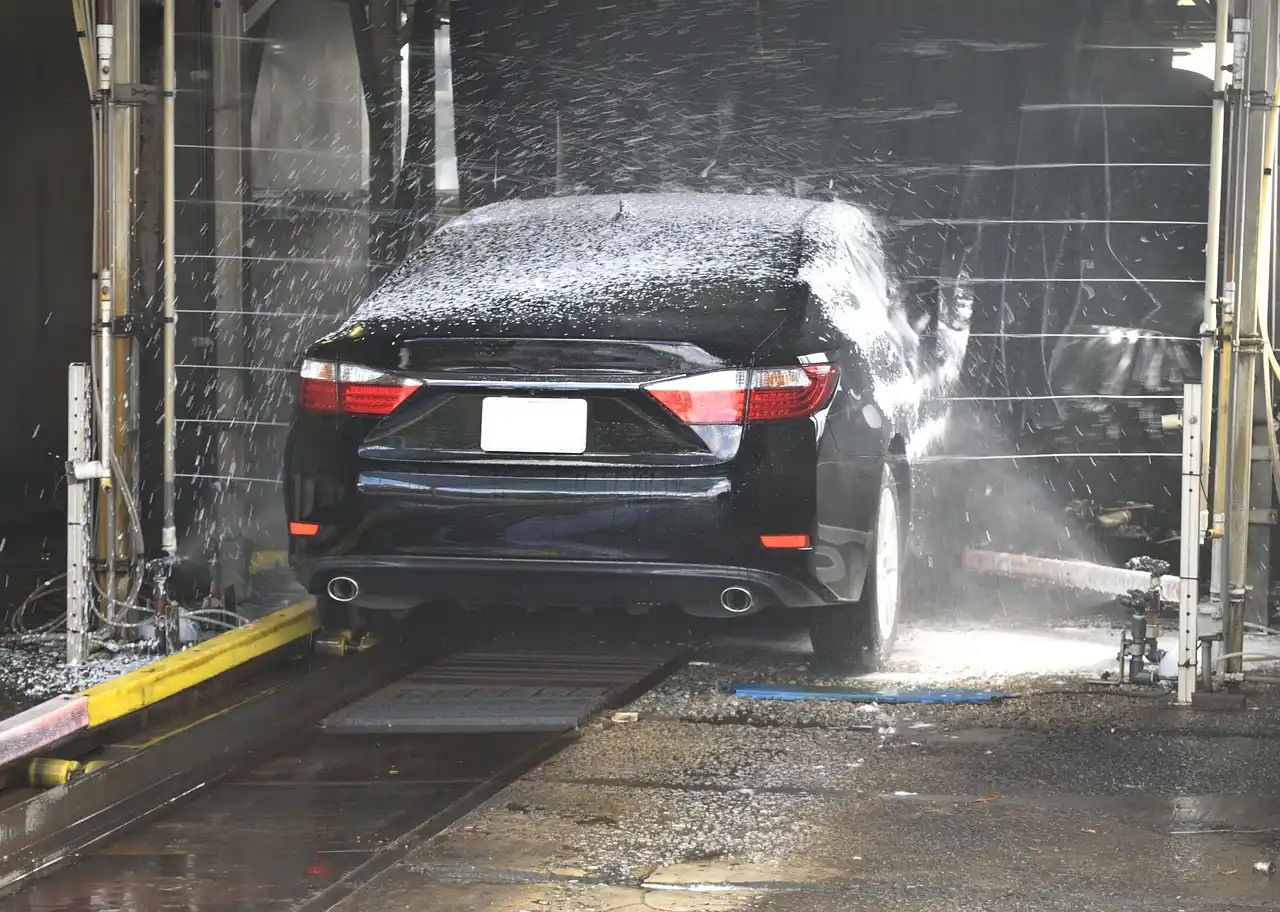
Wash Wax is often an add-on offered at automatic or tunnel washes. Spray Wax is a consumer product you apply by hand, often as a quick spray-and-wipe product after washing or, depending on the formula, on wet or dry paint. The key difference is control: one is a convenience extra at the wash bay, the other is a separate maintenance product.
That difference matters because gloss and water beading are not necessarily the same as lasting paint protection. A car wash can leave paint slick and easier to dry, but that finish is short-lived. A hand-applied spray product can do the same job with more control over coverage and residue.
What each product
Wash Wax is mainly about convenience. It adds a quick gloss boost at the end of the wash and can help water roll off for a short time. Spray Wax is better for topping up after a wash, especially when you want a fast way to refresh slickness without booking a full waxing session.
Say your sedan sits outside and gets washed every week. A tunnel-wash wax can make drying easier that day, but a bottle of spray wax gives you more control over where protection is placed and how often you refresh it.
Shine, beading, and protection are different
Gloss and beading are appearance benefits. Protection is a separate question. Clear coat is the outer paint layer, and it still needs safe, non-abrasive maintenance because UV exposure and contamination can wear it down over time.
That is why a wash-bay wax should be treated as a maintenance convenience, not a paint shield. It can help the car look cleaner and shed water better for a short stretch, but it does not stop the need for regular washing or replace longer-lasting products.
Does car wash wax work?
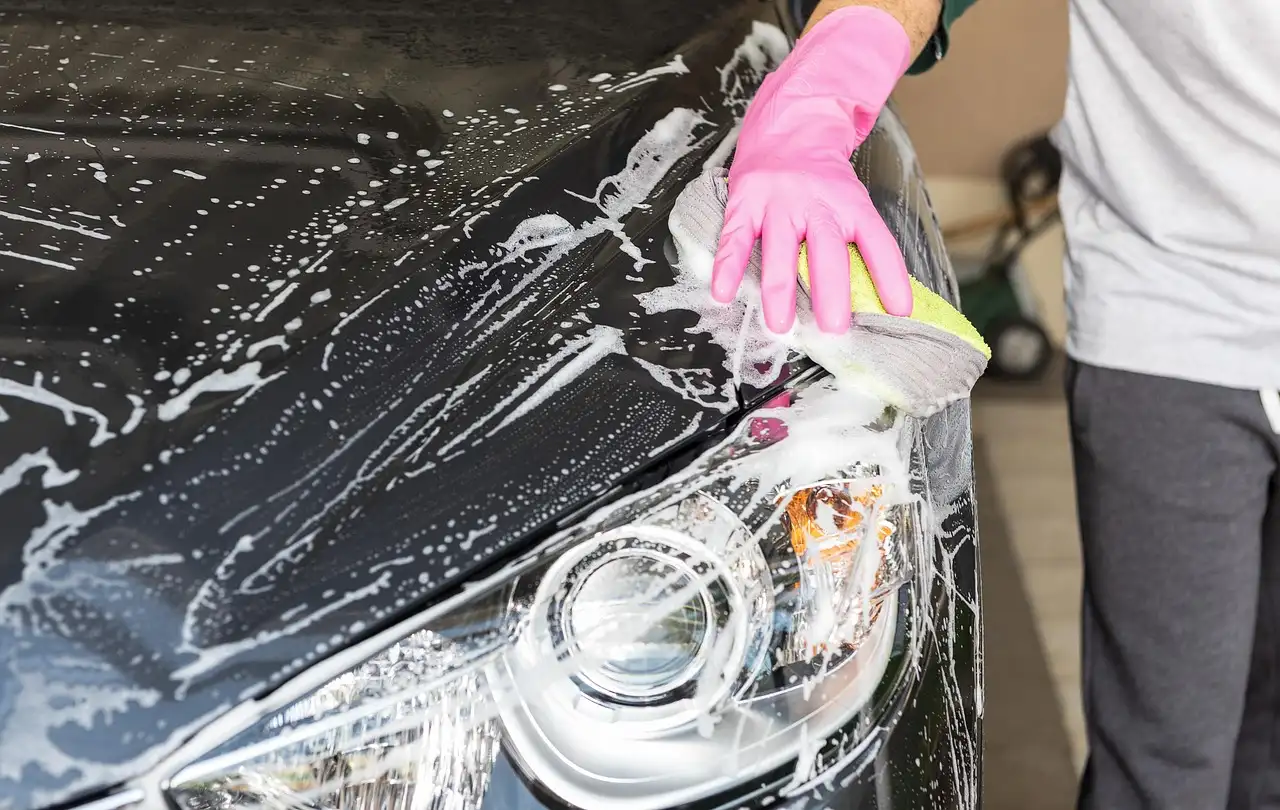
Yes, car wash wax can work when used properly and under the right conditions. It can leave the surface looking glossier, improve short-term water beading, and make drying easier. Those are real benefits, but they are temporary cosmetic gains rather than long-lasting protection.
What it cannot do is fix bad prep, cover contamination, or stand in for a true protective layer. If the paint already has residue, the wash-bay wax may sit on top of that residue instead of bonding to clean paint, which limits the result.
What wash-bay wax can do
Wash Wax can add a short-lived slick feel and a cleaner look. It may help water sheet off more quickly, which can cut down the amount of towel drying needed after a wash. For a driver who just wants the car to look better leaving the bay, that can be enough.
What it cannot do
It does not turn a quick wash into durable protection. It will not match the life of a paste wax, synthetic sealant, or ceramic-type product. It also will not solve tunnel wash issues such as brush abrasion or hard-water spotting, both of which can still leave the finish looking tired.
Why the effect is temporary
Wash-bay waxes are often a temporary cosmetic gain rather than long-lasting protection. Typical life is weeks to a few months, which is useful for routine upkeep but not for anyone expecting the paint to stay protected through long service intervals without refreshes.
Auto Express reported a 10-week test with the panel washed once a fortnight. That kind of schedule shows the basic point: even when a wash-bay product holds up for a while, it is still part of maintenance, not a substitute for more durable protection.
Wax types at a glance
Different wax and sealant products solve different problems. Spray Wax is the quickest hand-applied option. Paste wax usually lasts longer and asks for more labor. Synthetic sealant, carnauba wax, and ceramic spray each sit in different places on the durability-versus-effort scale.
Spray wax
Spray wax is the easier of the two options. It is practical for temporarily increasing shine, and it is often used for touch-ups after washing. Some formulas can be applied wet or dry depending on the product, which makes them flexible for quick maintenance.
Paste wax
Paste wax requires buffing and more labor, but it usually lasts longer than spray wax. It is a better fit for enthusiasts who want deeper gloss and more time between applications. Carnauba paste wax typically lasts 4 to 8 weeks.
Synthetic sealant
Synthetic sealant is polymer-based protection with longer durability than carnauba wax. A common life span is 3 to 6 months. It is often easier to apply than traditional wax, and it is the better choice when lasting protection matters more than classic wax feel.
Carnauba wax
Carnauba wax is favored for a warm, deep shine and show-car appearance. Its tradeoff is shorter life. It is usually chosen for appearance-first maintenance, not for long service intervals.
Ceramic spray and spray sealant
Ceramic spray and spray sealant are hybrid silica-based products that sit between wax and ceramic coating in both ease and durability. They are usually better than ordinary spray wax for longevity, while still being far simpler than a full coating process.
How long each option lasts
Durability is where the gap becomes obvious. Wash Wax usually lasts a few weeks to a few months. Spray Wax typically lasts 2 to 4 weeks. Carnauba paste wax usually lasts 4 to 8 weeks, while synthetic sealant often lasts 3 to 6 months. The longer-lasting choices cost more effort up front.
Wash-bay wax durability
Wash-bay wax is temporary. It can be useful, but only in the short term. If you are paying extra mainly for one-day slickness, that is a reasonable use case. If you want protection that remains meaningful after repeated weather exposure, this is the wrong product class.
Spray wax durability
Spray wax usually fades fastest of the options discussed here. That does not make it useless. It makes it a maintenance product for drivers who value speed and repeatability over long intervals between applications.
Sealant and carnauba timing
Carnauba gives a short but attractive finish. Synthetic sealant usually lasts much longer and is the stronger choice for drivers who want months rather than weeks. Ceramic spray and spray sealant generally sit closer to sealant behavior than to ordinary spray wax.
Why maintenance habits matter
These time frames assume the car is washed safely and regularly. Abrasive towels, dirty wash mitts, and poor tunnel wash conditions will shorten the life of any protection. So will hard-water spotting and residue left behind by poor rinsing.
Wax types decision table
| Driver type | Parking conditions | Wash frequency | Expected benefit | Recommendation |
|---|---|---|---|---|
| Daily driver | Street parked | Weekly or biweekly | Quick gloss and easier drying after routine washes | Wash Wax |
| Garage-kept car | Indoor storage | Occasional | Limited gain from a wash-bay add-on; better to control protection at home | Spray Wax |
| Leased car | Mixed parking | Regular | Clean finish before return; easy upkeep without overcommitting | Wash Wax |
| Winter commuter | Outside in salt and slush | Frequent | Short-term beading, but not enough as the main defense | Spray Wax |
| Black paint owner | Garage or covered parking | Frequent | Control over residue and touch-up gloss between washes | Spray Wax |
Skip it
- You expect durable paint protection from a tunnel add-on.
- Your wash already leaves hard-water spotting or brush marks.
- You are paying extra mainly out of habit, not for visible short-term beading.
- You already maintain the paint with a longer-lasting sealant or ceramic spray.
Pay for it
- You want a quick gloss boost and easier drying after the wash.
- You are leasing and want the car to look tidy without a full detailing routine.
- You wash often and prefer convenience over product control.
- You need a short-lived finish help before weather or road grime gets worse.
When the add-on is worth paying
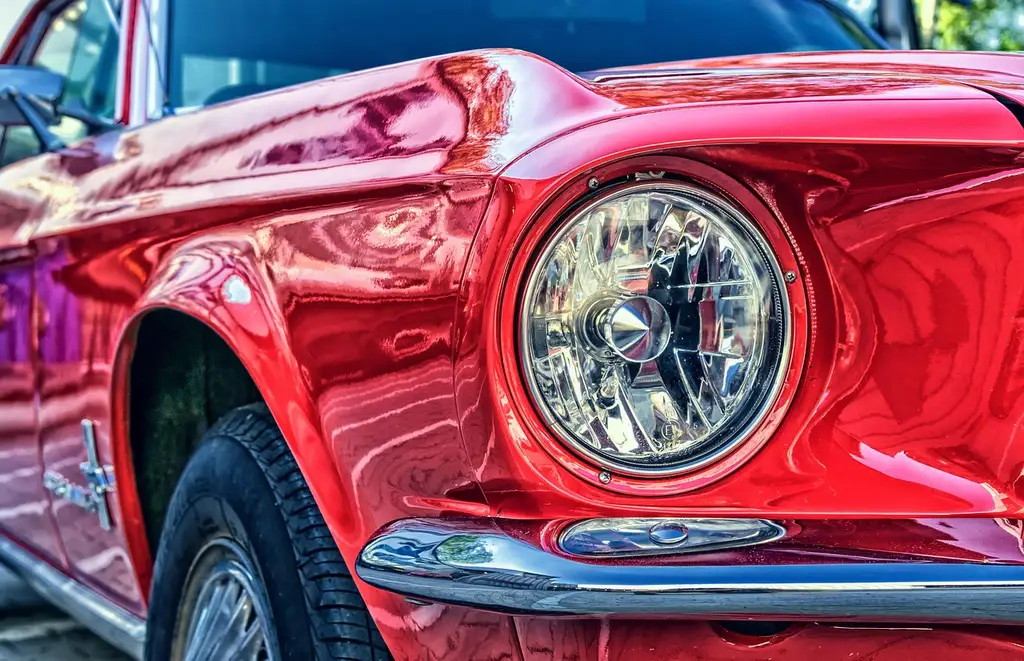
Paying for Wash Wax makes sense when the goal is convenience, not durability. It is most defensible for drivers who want a little extra shine, some water beading, and less drying effort right after the wash. It is a weak buy if the goal is lasting paint protection.
Daily driver in rough weather
A daily driver parked outside in rain, salt, or dust can use short-term help. The add-on can improve the look of the car right after a wash, but it should be treated as a small maintenance bonus. For real protection, a sealant or ceramic spray is the better foundation.
Winter commuter
Winter road spray and slush demand frequent washing. In that setting, Wash Wax may help the car shed water for a short stretch, but the better long-term move is a product with more durability. A quick wax add-on is a bandage, not the cure.
Leased car before turn-in
A leased car benefits from a clean, presentable finish near return time. Wash Wax can be useful because it adds gloss without requiring a full hand-detail routine. If the goal is simply to improve curb appeal and reduce drying time, it is a reasonable spend.
Black paint owner who wants quick gloss
Black paint shows residue, haze, and water marks more easily than lighter colors. Spray Wax is usually the smarter choice here because it gives more control and is better suited to touch-ups after washing. Picture a black sedan with a clean panel and visible water spots on the lower doors; a careful spray-on application can improve the look without adding another tunnel step.
Choose Wash Wax if… / Choose Spray Wax if…
Wash Wax wins when convenience is the main target and you are already at an automatic or tunnel wash. Spray Wax wins when you want more control, faster touch-up use, and a better path to repeatable maintenance. If you care more about lasting protection than shine, neither should be your final answer.
Choose Wash Wax if…
- You already use an automatic wash and want the easiest add-on.
- You care most about short-term gloss and quicker drying.
- You are prepping a daily driver or lease car for a tidy finish.
- You do not want to keep a separate product at home.
Choose Spray Wax if…
- You want to apply protection by hand and control coverage.
- You need a touch-up product after washing.
- You want a product that can be used wet or dry, depending on the formula.
- You care more about routine maintenance than tunnel convenience.

Frequently asked questions
Does spray wax at car washes work?
Yes, it can work as a temporary finish helper. The result is usually more gloss and short-term water beading, not durable paint protection. If the car already has residue or the wash leaves spotting behind, the benefit will be smaller and less consistent.
Is spray on car wax any good?
It is good for quick maintenance, especially after a wash. Spray Wax is practical for temporarily increasing shine and can be useful for touch-ups. It is not a replacement for a longer-lasting sealant or ceramic spray when the goal is months of protection.
Is car wash wax any good?
Yes, if you want convenience and a short-lived cosmetic boost. Car wash wax can be useful when used properly and under the right conditions, but it is often a temporary cosmetic gain rather than a durable defense for the clear coat.
Car wax vs ceramic spray
Traditional wax, including carnauba and paste wax, usually offers shorter life and a warmer look. Ceramic spray and spray sealant generally last longer and resist washing better, while still being easy to apply. For most drivers who want simple durability, ceramic spray is the stronger choice.
Car polish vs wax
Polish and wax do different jobs. Polish removes or reduces surface defects and can improve clarity before protection goes on. Wax adds a protective layer and gloss after correction. If the paint needs cleaning up, polish first; if it needs short-term finish protection, apply wax afterward.
Products related to this article
Sponsored / affiliate links. As an Amazon Associate I earn from qualifying purchases. I may earn additional commission from eligible campaigns.