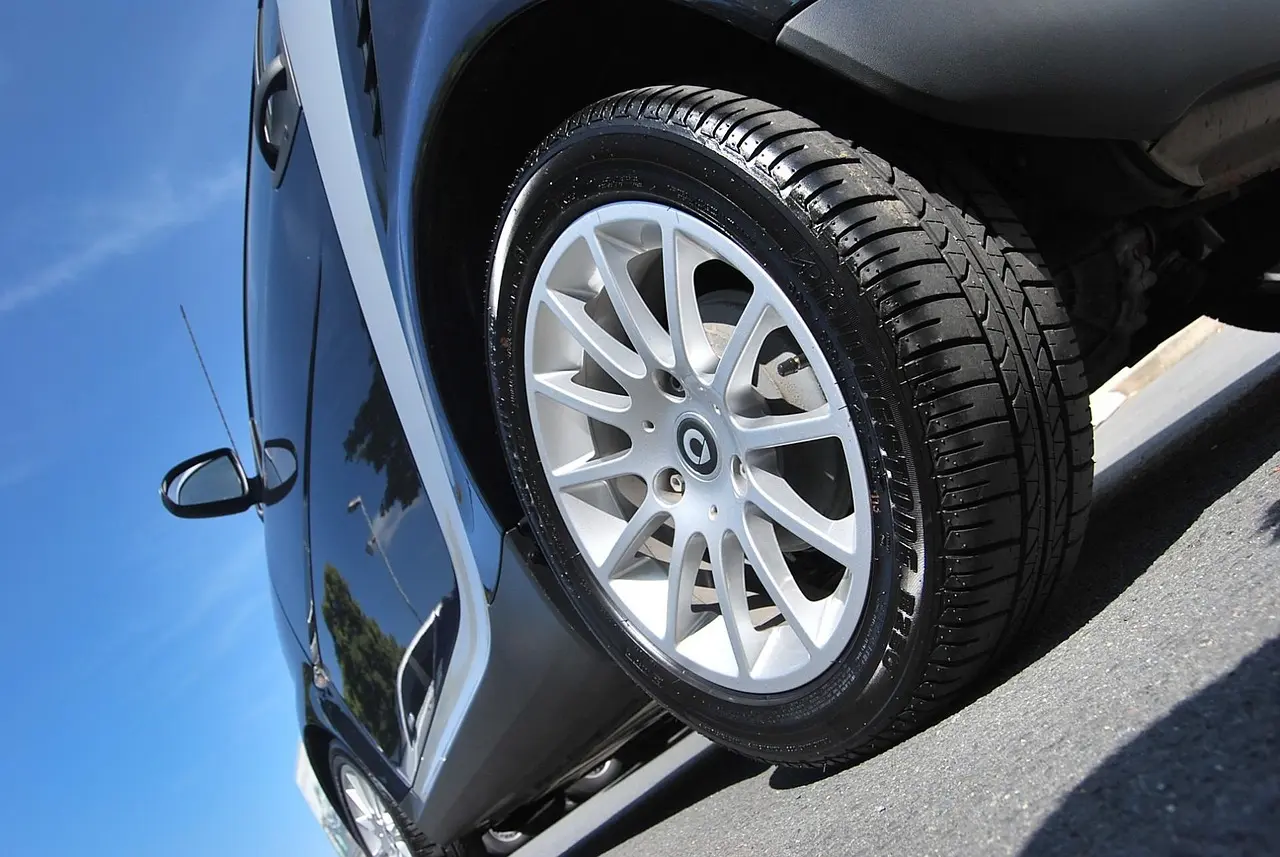
Best Tire Cleaners for Car Tires: We Compared
The best cleaner for car tires depends on the problem: use a dedicated tire cleaner for brown staining, a pH-safe wheel and tire cleaner for routine washes, and a water-based tire shine if you want gloss without sling. Use the wrong product and you can leave browning behind, stain wheels, or waste money on a finish that fades fast. This guide compares tire cleaners, tire shines, and brushes by tire condition, finish goal, and budget.
Quick comparison
| Product | Badge | Best for | Price | ||
|---|---|---|---|---|---|
 |
Meguiar’s Hot Shine Tire Foam, Aerosol Tire Shine forMeguiar’s | Our pick | 19 oz, 2-pack · spray foam · glossy shine | $7.98
Price as of 27 Oct 2026
|
View |
 |
Black Magic 5072647 Tire Wet Gel, 16 oz – Thick ClingingBlack Magic | Also great | 16 oz · tire wet gel · glossy finish | $9.88
Price as of 27 Oct 2026
|
View |
 |
Chemical Guys, Tire Kicker Extra Glossy Tire Shine Spray,Chemical Guys | Pair with it | 16 oz · spray dressing · extra glossy | $13.99
Price as of 27 Oct 2026
|
View |
 |
Adam’s Polishes Tire & Rubber Cleaner (2-Pack) – RemovesAdam’s Polishes | Budget pick | 2-pack · tire cleaner · rubber and trim | $18.89
Price as of 27 Oct 2026
|
View |
 |
Mothers Back-to-Black Tire Cleaner, 24 oz. (09324) |Mothers | Our pick | $9.99
Price as of 1 Nov 2026
|
View |
This quick table is the fastest way to sort cleaner from shine and pick the right product type for the tire’s condition. It also helps you avoid buying a glossy dressing when you need browning removal.
How we chose
The list below uses published product details, stated use cases, and buyer feedback. The main filter was fit for purpose: cleaning power, wheel-finish compatibility, ease of use, and whether the product is meant for washing, degreasing, or dressing.
Value also mattered. A 24 Fl Oz spray cleaner, a 22 Fl Oz foam cleaner, a 16 oz detailer, and a brush solve different problems, and the right one depends on how much buildup you need to remove before you think about shine.
Safety came next. Products advertised as safe for all wheel types are a better fit for alloy, chrome, and steel wheels. Shine products are not substitutes for cleaners, and degreasers are stronger still, with more residue risk if you skip wiping or rinsing.
Tire cleaner decision matrix
| Condition | Best cleaner type | Agitation needed | Dwell time | Risk of sling or residue |
|---|---|---|---|---|
| Lightly dirty weekly maintenance | Wheel and tire cleaner spray | Light brushing optional | Short dwell, then rinse or wipe | Low if you rinse fully; moderate if residue is left behind |
| Heavy brown oxidation | Dedicated tire cleaner or stronger degreaser | Brush required | Short to moderate dwell | Moderate; brown film can return if buildup is deep |
| Prep before dressing or coating | Cleaner that strips old dressing and oils | Brush strongly recommended | Brief dwell, then wipe or rinse thoroughly | Low sling after prep, but residue can block bonding |
| Shine-only finishing | Tire shine or ceramic tire coating | Applicator pad only | No cleaning dwell; apply thinly | Higher if overapplied; dust attraction rises with gloss |
For routine upkeep, a spray cleaner is usually enough. For brown blooming, you need stronger chemistry and more agitation. For shine-only finishing, skip cleaners entirely and move to dressing or coating after the tire is already clean and dry.
Which cleaner removes brown blooming best?
The strongest answer is a dedicated tire cleaner built to strip oxidation and old dressing, not a shine product. For the heaviest browning, a stronger cleaner or degreaser with brush agitation works best, while lighter staining often responds to a wheel and tire cleaner used more often.
Brown blooming is the chalky or tan film that comes back after a quick wash. If it returns fast, the tire likely still has old dressing, road film, or embedded contamination on the sidewall. That is a cleaning problem first, not a shine problem.
For that reason, a stronger option such as Chemical Guys Signature Series Orange Degreaser is a better fit when grime is heavy, while a dedicated tire cleaner is better for regular maintenance. If the tire is badly discolored, use a brush, short dwell, and a thorough rinse or wipe before dressing.
When to add a brush
A brush matters when the sidewall is textured, the tire is heavily browned, or old dressing has dried into the rubber. Spray alone can loosen film, but it usually will not lift embedded grime from grooves and lettering.
For light buildup, spray-and-wipe can be enough. For neglected tires, use a brush with controlled pressure, then rinse or wipe until the foam or runoff no longer turns dark.
When prep before dressing matters
If you are applying a tire dressing or coating, the prep step is more important than the shine step. Any leftover cleaner, oils, or old dressing can keep the new finish from bonding evenly and can make streaks more visible.
Armor All Extreme Wheel and Tire Cleaner: best budget spray
This is the value pick for drivers who want a simple spray cleaner without stepping into specialty detailing pricing. It is a 24 Fl Oz bottle in spray format, rated 4.8/5 in the roundup, and positioned as safe for all wheel types while removing dirt and brake dust.
It fits best on tires that are dirty but not severely neglected. That makes it a practical weekly-wash cleaner for alloy, chrome, and steel wheels when you want one bottle that can cover both wheel faces and the tire sidewall.
The drawback is scope. A budget spray cleaner is not the strongest answer for deep brown oxidation, and it may need a brush when buildup is old or repeated dressing has left residue behind.
Adam’s Polishes Wheel & Tire Cleaner: best for weekly upkeep
This is a good match for enthusiasts who want a cleaner aimed at routine maintenance instead of heavy restoration. It is listed at 4.7/5, sold in a 16oz size, and described for wheel-and-tire use with a pleasant scent and daily-maintenance suitability.
That makes it a better fit for frequent washing, especially when the sidewalls only need a quick reset after road film and light grime. The smaller bottle also suits detailers who do not need a large-format jug on the shelf.
The tradeoff is capacity and correction strength. A 16oz bottle is efficient for upkeep, but it is less attractive for neglected tires, and the product is better viewed as a maintenance cleaner than a heavy browning remover.
Chemical Guys Signature Series Orange Degreaser: best for heavy grime
This is the stronger all-purpose option when tire grime crosses into grease, oily residue, and stubborn road contamination. It is rated 4.8/5 and is positioned as a heavy-duty cleaner with spray application and versatile use beyond tires.
It is useful when a normal tire cleaner stalls out, especially before a fresh dressing or when a tire has repeated product buildup. A degreaser can also help on stubborn trim and dirty rubber areas where a mild cleaner leaves a film behind.
The honest drawback is control. Stronger chemistry raises the chance of residue if you do not rinse or wipe properly, and it is more than many weekly-wash users need. Use it as a problem solver, not a default every-wash bottle.
CERAKOTE Rapid Ceramic Tire Coat: best for protection-focused shine
This is the option for drivers who care more about finish and protection than cleaning power. It sits in the ceramic tire coating category, so the goal is a dressed, protected sidewall rather than stain removal.
Use it after the tire has been cleaned and fully prepped. That is the key difference: a coating product is not a cleaner, and it should not be used to hide browning or old dressing.
The limitation is obvious. If the tire is dirty, brown, or dusty, the coating will only lock in a poor surface. It belongs at the end of the process, not the beginning.
Chemical Guys Wheelie All Exterior Surface and Wheel Brush: best agitation tool
This is the brush choice when you need control in tight areas. A wheel brush helps reach valve stems, lug recesses, spoke corners, and the grooves in textured sidewalls where spray alone cannot break loose buildup.
It is best paired with a spray cleaner or degreaser on dirty wheels and tires. If the finish is only lightly dusty, a brush may be optional; if the tire is brown or coated in old dressing, it becomes much more useful.
The drawback is that a brush adds time and a second step. It is not a cleaner by itself, and using too much pressure can push grit across a sensitive wheel face if the surface has not been pre-rinsed.
Chemical Guys Gerbil Wheel and Rim Cleaning Brush: best value brush
This is the budget-minded agitation tool in the lineup, with a 4.7/5 rating and a practical role for wheel and rim cleaning. It belongs in the cart when you need a brush more than you need another bottle of spray.
For drivers maintaining more than one vehicle, a lower-cost brush often gives better value than stepping up to a stronger cleaner alone. It works especially well with products that are safe for all wheel finishes and need some help in tight areas.
The drawback is simple: a brush helps cleaning, but it does not replace chemistry. If the tire is heavily browned or dressed over and over, the brush only works when paired with the right cleaner.
Black Magic 120228 Intense Foam Wheel & Tire Cleaner: best high-foam cleaner
This is a deep-cleaning foam option for drivers who prefer a visible cleaner that clings while it works. It is a 22 fl oz product, and its high-foaming format is meant to help lift dirt on wheels and tires while staying easy to see during application.
That foam format is handy when you want more coverage on vertical surfaces or a little more dwell without immediately running off. It is also a sensible middle ground between a light maintenance spray and a heavier degreaser.
The drawback is that foam alone does not guarantee better results. Heavy browning still needs agitation, and you can still end up with residue if you stop after the foam instead of wiping or rinsing thoroughly.
Chemical guys tire kicker tire shine: best for wet gloss
This is a shine product, not a cleaner, and it is the top pick for tire shine rankings on Road & Track. It is the right choice when the tire is already clean and you want a glossy, dressed finish rather than stain removal.
It suits drivers who want control over the look. Water-based tire shine formulas are often chosen when the goal is a deeper gloss with less greasy sling than old-school solvent-heavy dressings.
The drawback is dust and overapplication. Any high-gloss dressing can attract grime if it is applied too thickly, and it will not fix browning that is still trapped underneath.
Car Guys Premium Series Tire Shine: best premium low-grease finish
This is the premium tire dressing choice for drivers who want either a high-gloss or satin finish without a greasy look. Road & Track lists it as the best premium tire shine, and its low-grease angle makes it appealing for cleaner-looking sidewalls.
It is a finish product for the end of the process. If you want a controlled sheen after a proper clean, this category makes more sense than a stronger cleaner with an artificial shine left behind.
The drawback is the same as most dressings: finish choices only matter after cleaning is done. If the tire still has old residue, the new shine can highlight streaks instead of hiding them.
Meguiar’s Hot Shine Tire Foam: best value shine foam
This is the value shine foam in the roundup, and Road & Track names it the best value tire shine. The foam format is practical for drivers who want a simple, spray-on gloss step with long-lasting shine positioning.
It fits well when you want quick coverage and less mess than a liquid dressing. Foam shine can be convenient for busy maintenance schedules because it is easy to apply evenly across the sidewall.
The limitation is that it is still a dressing, not a cleaner. If you apply it over a dirty or browned tire, you are only dressing the problem, not removing it.
Which one should you buy?
If you want one cleaner for most drivers, start with a pH-safe wheel and tire cleaner that is safe across common wheel finishes. For this roundup, Armor All Extreme Wheel and Tire Cleaner is the best budget spray choice, while Adam’s Polishes Wheel & Tire Cleaner is the cleaner to favor for regular upkeep and a more enthusiast-oriented routine.
If the tire is deeply brown, move up to a stronger cleaner or degreaser and add a brush. If you want shine only, skip cleaners and buy a dressing or coating such as Chemical Guys Tire Kicker Tire Shine, Car Guys Premium Series Tire Shine, or CERAKOTE Rapid Ceramic Tire Coat after the tire is fully clean.
A common first-timer mistake is spraying a gloss product on top of a dirty sidewall and calling it finished. That hides nothing for long, and it often leaves dust, sling, and patchy residue that is harder to remove later.
Say your tires are washed every week and only show light road film. A wheel-and-tire spray plus a basic brush is usually enough, and you do not need a heavy degreaser that risks more residue than the car actually needs.
Suppose the sidewalls look tan again two days after detailing. That points to deeper browning or old dressing in the rubber, so the better move is stronger cleaning, more agitation, and a prep step before any new dressing goes on.
What is the best cleaner for car tires?
The best cleaner for car tires depends on condition, not brand name. For weekly maintenance, a wheel-and-tire spray is usually enough. For brown sidewalls or old dressing, choose a dedicated tire cleaner or a stronger degreaser. For gloss, use a dressing or coating after cleaning, not in place of it.
What tire cleaner removes brown tire blooming the best?
Brown blooming responds best to dedicated tire cleaners built to strip oxidation and old product residue, with a brush added for texture and grooves. Stronger degreasers can help on severe grime, but they also raise the risk of residue if you do not rinse or wipe carefully afterward.
What tire cleaner is safe for alloy, chrome, and steel wheels?
Look for products explicitly stated as safe for all wheel types. In this roundup, Armor All Extreme Wheel and Tire Cleaner is positioned that way, and Black Magic’s foam cleaner is also described as safe on all wheels. Always test cautiously on unknown finishes and avoid letting cleaner dry on the surface.
Do I need a brush with tire cleaner, or is spray and rinse enough?
Spray and rinse can be enough for light weekly dirt. A brush becomes important for brown oxidation, old dressing, and textured sidewalls where film sits in grooves. If the cleaner turns brown as you work, that is a good sign the brush is doing real work instead of just moving liquid around.
Which tire cleaner is best for weekly maintenance?
A wheel-and-tire spray is the best fit for weekly maintenance because it is quick, controlled, and less aggressive than a heavy degreaser. Adam’s Polishes Wheel & Tire Cleaner fits that role well, and Armor All Extreme Wheel and Tire Cleaner is a strong budget alternative for routine use.
What is the difference between tire cleaner and tire shine?
Tire cleaner removes dirt, brake dust, road film, and often old dressing. Tire shine adds gloss, satin, or a protected look after the tire is already clean. Cleaner is for surface correction. Shine is for appearance and sometimes UV protection, but it will not fix browning underneath.
Which tire cleaner gives the longest-lasting shine without sling?
Strictly speaking, a tire cleaner does not create shine; a tire dressing or coating does. For the longest-lasting shine with less sling, choose a low-grease dressing or a ceramic tire coating applied thinly. Thick gels can reduce sling, but overapplication still raises residue risk.
What tire cleaner should I use before applying tire dressing?
Use a cleaner that strips old dressing, oils, and road film, then rinse or wipe until the sidewall is clean and dry. That prep step matters more than the shine product itself. If the tire still feels slick or looks patchy, the new dressing will likely wear unevenly.
Frequently asked questions
Which tire cleaner removes brown tire blooming the best?
A dedicated tire cleaner designed to strip oxidation and dressing residue is the best starting point. For severe browning, use a brush and more than one pass if needed. If the discoloration keeps coming back quickly, the issue is usually deeper buildup, not a lack of shine product.
Products related to this article
Sponsored / affiliate links. As an Amazon Associate I earn from qualifying purchases. I may earn additional commission from eligible campaigns.