3 Best Wheel Cleaning Brushes for Cars in 2026: Research Shows
The 3 best wheel cleaning brushes for 2026 are a slim barrel brush for deep barrels, a soft spoke brush for tight face gaps, and a microfiber or wool mitt-style brush for delicate finishes; choose based on wheel shape, spoke spacing, barrel depth, and how much brake dust builds up. Use the wrong brush and you can miss brake dust, scratch clear coat, or leave grit in lug pockets and around valve stems. This guide explains which brush type fits alloy, painted, powder-coated, chrome, and aero wheels.
Quick comparison
| Product | Badge | Best for | Price | ||
|---|---|---|---|---|---|
 |
DINJAKA Car Wheel Barrel Brush – Deep Rim Detailing, 17"DINJAKA | Our pick | 17" Long Reach · Dual-material · Flat-tape fibers | $23.99
Price as of 22 Oct 2026
|
View |
 |
Wheel Woolies 9" Wheel & Fender Boars Hair Detail BrushDirrttz | Upgrade pick | 9" Boars Hair · 100% Boars Hair · Textured Handle | $52.00
Price as of 22 Oct 2026
|
View |
 |
VIKING Wheel Cleaning Brush for Car Detailing, Car CleaningVIKING | Budget pick | 10.3" Length · Ultra-soft Bristles · Ergonomic Design | $9.99
Price as of 22 Oct 2026
|
View |
The 2026 cut is about fit, not hype. In recent comparison coverage, Auto Express tested 10 wheel brushes on three wheel types and used both microfibre and nylon-bristle designs, which is the right split to think about here.
That matters because one brush rarely handles every wheel. Deep barrels, tight spokes, and finish-sensitive faces need different heads, handles, and tip protection.
How we chose
The short list favors four things: finish safety, reach, agitation, and grip. Those are the features that decide whether a brush removes dust cleanly or drags grit across a wheel face.
Material is the first filter. Metal-free construction lowers scratch risk on painted, polished, and powder-coated wheels, while a non-scratch protected tip matters where the brush can bump the barrel or spoke edge.
Reach and flexibility come next. A long handle helps in deep barrels, while a bendable shaft helps behind dense multi-spoke patterns and around calipers.
Finally, the brush has to match the job. Microfiber is gentler on delicate finishes. Nylon-bristle designs add bite for heavier brake dust, but they need a protected core or tip to stay wheel-safe.

Wheel brush decision table
| Wheel type | Safest pick | Reach level | Cleaning aggressiveness | Likely failure mode |
|---|---|---|---|---|
| Deep-dish multi-spoke | Flexible barrel brush with protected tip | High | Medium | Too-short handle leaves the inner barrel dirty |
| Flat alloy | Soft microfiber spoke brush | Medium | Low | Overly stiff bristles can haze the finish |
| Painted or powder-coated | Metal-free microfiber or soft boar-style brush | Medium | Low to medium | Unprotected wire or hard cores can mar coated surfaces |
| Chrome | Microfiber wheel brush with soft edge protection | Medium | Low | Dry grit and hard tips can leave fine marks |
| EV aero wheels | Thin-profile flexible brush | High | Low to medium | Bulky heads cannot reach narrow vents and recesses |
| Heavy brake-dust use | Nylon-bristle barrel brush with protected tip | High | High | Brush may be too soft to break baked-on dust |
DINJAKA Car Wheel Barrel Brush: best for deep barrels
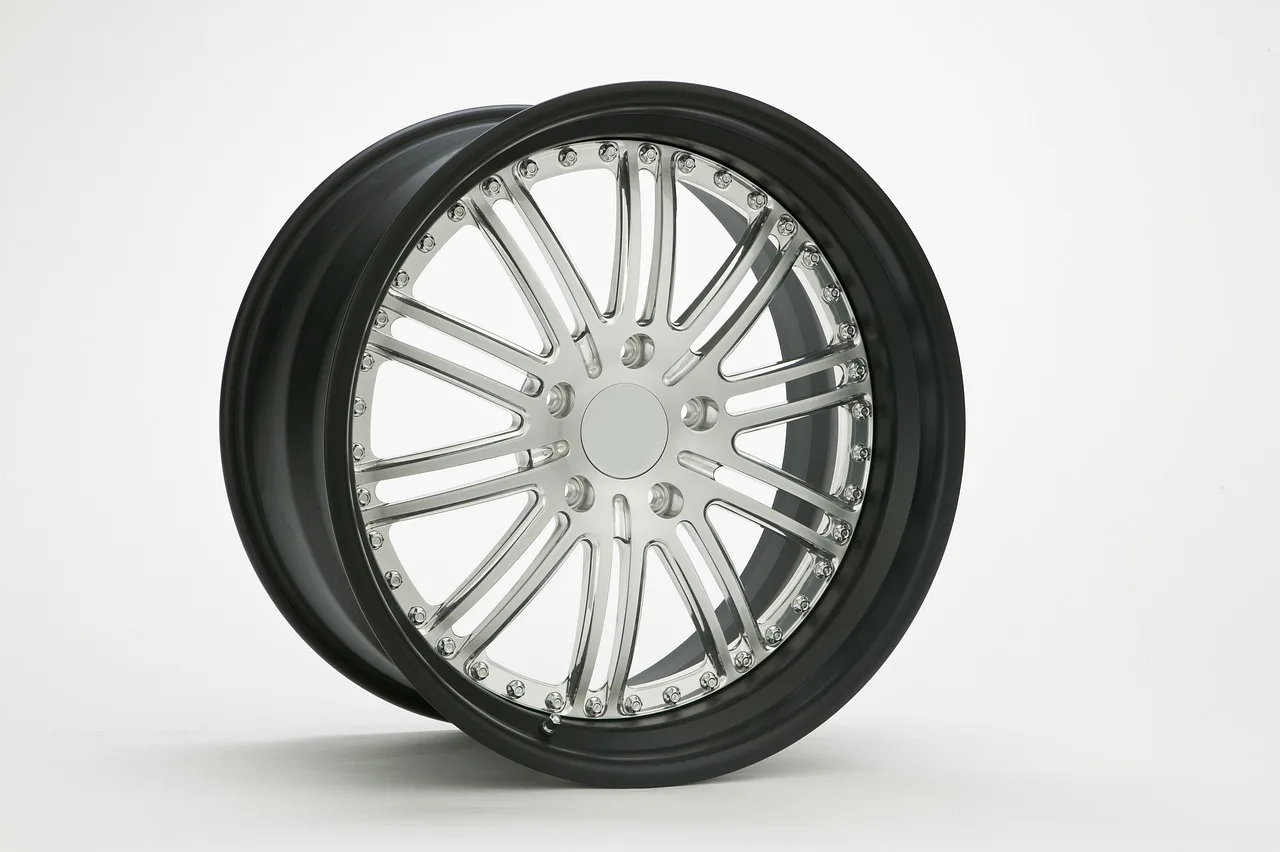
This is the right pick when the inside of the wheel matters more than the face. The 17-inch reach, flat-tape fibers, and dual-material construction make it a strong match for deep barrels, behind-caliper cleaning, and wheels that trap dust far from the spokes.
It is the most useful option here for barrel work because reach is the main limitation on deep-dish setups. A shorter brush can feel soft and safe, then still miss the dirt that sits at the back of the barrel.
The drawback is that a longer barrel brush can feel awkward on small, open-face wheels. If your rims are shallow and easy to access, this may be more brush than you need.
Wheel Woolies 9 wheel & fender boars hair Detail brush: best for delicate finishes
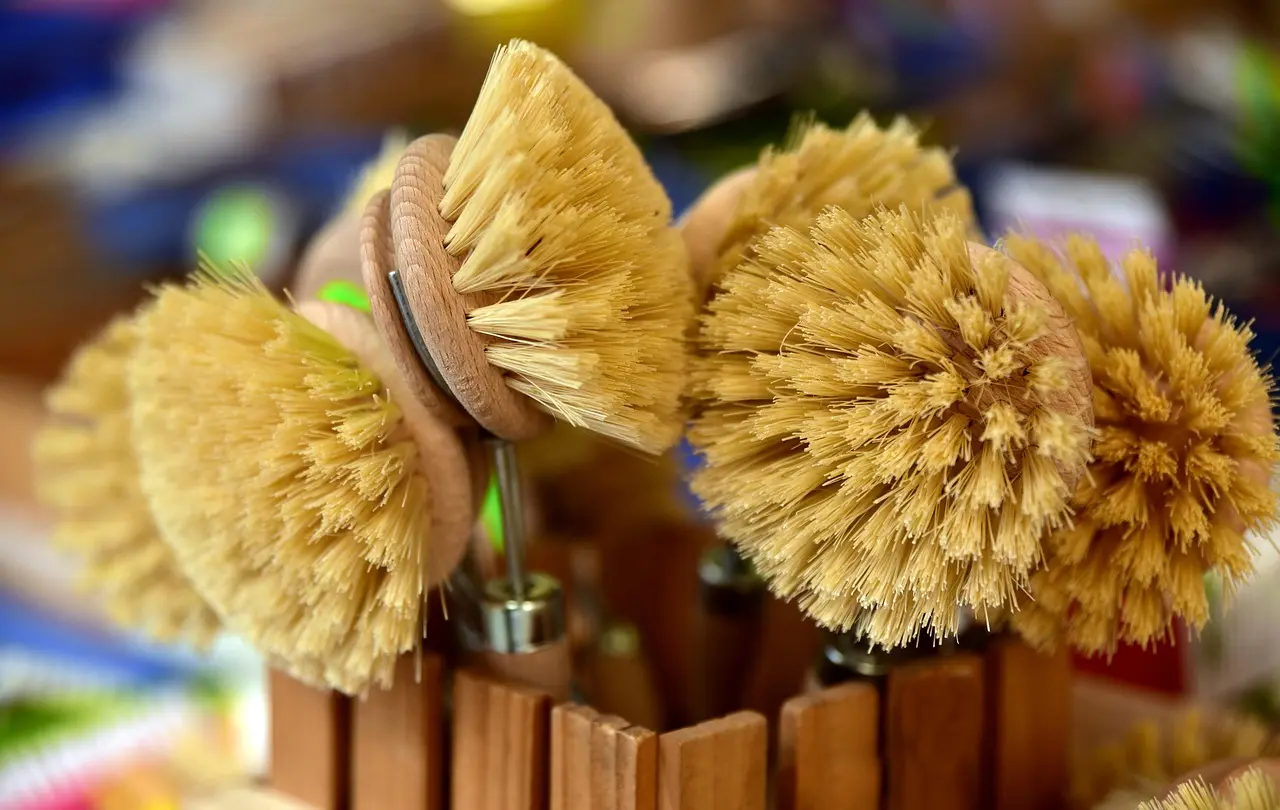
This is the finish-sensitive choice. The 100% boars hair head and textured handle make it a smart fit for painted, polished, and powder-coated wheels where scratch risk matters more than brute force.
Boars hair gives more agitation than a fluffy microfiber-only head without moving into harsh bristle territory. That middle ground is useful on alloy faces and tight areas where you want cleaning bite without metal parts or stiff synthetic scrubbing.
The tradeoff is reach. At 9 inches, it is better for faces, lips, and tighter areas than for deep barrels. It also asks for a second brush if your wheels pack heavy brake dust in the inner barrel.
VIKING Wheel Cleaning Brush: best budget everyday brush
This is the easiest entry point for routine wheel care. The 10.3-inch length, ultra-soft bristles, ergonomic shape, and rubber lining make it a practical face brush for lighter dust and frequent washing.
It fits the common use case: wheels that need regular cleaning, not aggressive rescue work. For alloy rims, the soft bristles are a better default than a stiff brush, especially if the finish is painted, clear-coated, or powder-coated.
The limitation is reach and bite. It is not the first pick for deep barrels, and it will not move baked-on brake dust as quickly as a more aggressive nylon design.
Which one should you buy?
If your wheels have deep barrels, dense spokes, or hard-to-reach caliper areas, start with the DINJAKA barrel brush. Its reach and dual-material head solve the access problem first, which is where many wheel brushes fail.
If your priority is finish safety on coated, polished, or show-style wheels, choose the Wheel Woolies boars hair brush. It is the most conservative pick of the three for surfaces that can mark easily.
If you want a low-cost brush for weekly cleaning, the VIKING brush is the sensible buy. It covers everyday dust without asking for a premium price, but it is better as a face brush than as a barrel specialist.
Say your car has 19-inch aero wheels with narrow vents and heavy dust after a week of commuting. A flexible barrel brush handles the vents better than a bulky head, and the long reach matters more than extra softness once dust is packed behind the spokes.
Suppose your sedan has painted alloy rims and you wash every seven to ten days. A soft, metal-free brush is the safer default because you are cleaning light grime often, not scrubbing years of buildup off the wheel.
For the 2026 buyer, the practical shift is not a new miracle material. It is better grip, more specialized lengths, and more brush sets that separate barrel cleaning from face cleaning instead of forcing one tool to do both jobs.
Start with wheel geometry. Deep barrels want longer reach. Tight spoke gaps want a slimmer head. Flat faces can use a softer, broader brush that moves quickly across the surface.
Then check finish risk. Painted, polished, chrome, and powder-coated wheels should steer you toward metal-free construction, soft tips, and gentler fibers. The brush can still clean well, but it should not have exposed hardware or a hard edge at the working end.
Next, match agitation to brake dust. Microfiber wheel brushes are better for delicate finishes and lighter grime. Nylon-bristle wheel brushes are better when brake dust is stubborn, but they should have a protected tip or a safer core design.
Grip matters more than many buyers expect. A rubberized or silicone grip helps when the brush is wet and slippery, and it reduces hand fatigue during repeated passes around all four wheels.
A lug nut detailing brush belongs in the kit if your wheels have tight pockets around center caps or bolts. That smaller head reaches places the barrel brush will miss, especially where dust hides at the base of the lug recess.
A tire brush is a separate tool. It should have stiffer bristles for sidewalls and browning, so do not expect the same brush that is safe on the wheel face to clean the tire well.
Should you buy one brush or a set? One brush is enough only if your wheel design is simple and your dust level is light. A two-brush system makes more sense when you need one tool for the barrel and another for the face, because those jobs need different heads.
- Check wheel finish first.
- Measure access by spoke spacing and barrel depth.
- Decide how aggressive your brake dust really is.
- Choose a soft face brush, a barrel brush, or both.
- Add a lug nut detail brush if your pockets trap grime.
- Use a tire brush only for sidewalls.
Frequently asked questions
What is the best wheel cleaning brush for cars?
The best wheel cleaning brush depends on wheel shape and dust load, but a slim barrel brush is the most useful single choice for many drivers. It reaches the inner barrel and behind calipers, where a face brush often cannot go. If your wheels are delicate, pair it with a softer microfiber or boars hair brush.
Which wheel brush is safe for alloy rims?
A soft, metal-free brush is the safer default for alloy rims, especially if the finish is painted, powder-coated, or polished. Microfiber and boars hair heads are usually gentler than stiff synthetic bristles. The key is not only softness, but the absence of exposed metal and rough edge tips.
Are microfiber wheel brushes better than bristle brushes?
Microfiber wheel brushes are better for delicate finishes and lighter grime because they are gentler on the surface. Bristle brushes, especially nylon-bristle designs, add more cleaning bite for stubborn brake dust. The better choice depends on whether you need less risk or more agitation.
What size wheel brush do I need for deep barrels?
For deep barrels, choose a long-handled brush with enough reach to get behind the spokes and into the inner barrel without scraping the wheel. A short face brush often cannot reach the dust that sits far back. If your wheel is deeply recessed, reach should matter more than a plush head.
Can a wheel brush scratch painted or polished wheels?
Yes, the wrong brush can scratch painted or polished wheels, especially if it has exposed metal, a hard core, or trapped grit in the fibers. A metal-free brush with a protected tip lowers the risk, but technique still matters. Rinse loose debris off first and do not scrub dry contamination.
How do I clean hard-to-reach lug nut areas?
Use a lug nut detailing brush with a small head so it can fit around center caps, bolts, and recesses. A regular wheel brush is usually too large for these pockets. Work the area after rinsing, then follow with a rinse or mitt pass so loosened dust does not stay hidden in the recesses.
Products related to this article
Sponsored / affiliate links. As an Amazon Associate I earn from qualifying purchases. I may earn additional commission from eligible campaigns.