Painters Tape Safe for Cars: Ultimate Guide to Scratch-Free Painting
Are you planning to give your car a fresh new look or protect its surfaces during a DIY project? Using the right painter’s tape can make all the difference.
But how do you know if the tape you choose is truly safe for your car’s delicate paint? You don’t want to risk peeling off paint or leaving sticky residue behind. You’ll discover exactly what makes painter’s tape safe for cars and how to pick the best one for your needs.
Keep reading to protect your car and get professional results every time.
Why Use Painter’s Tape On Cars
Using painter’s tape on cars is a smart step for any paint job. It helps keep things neat and clean. This tape is designed to stick well but not harm the car’s surface. It makes painting easier and gives a professional look.
Protecting Car Surfaces
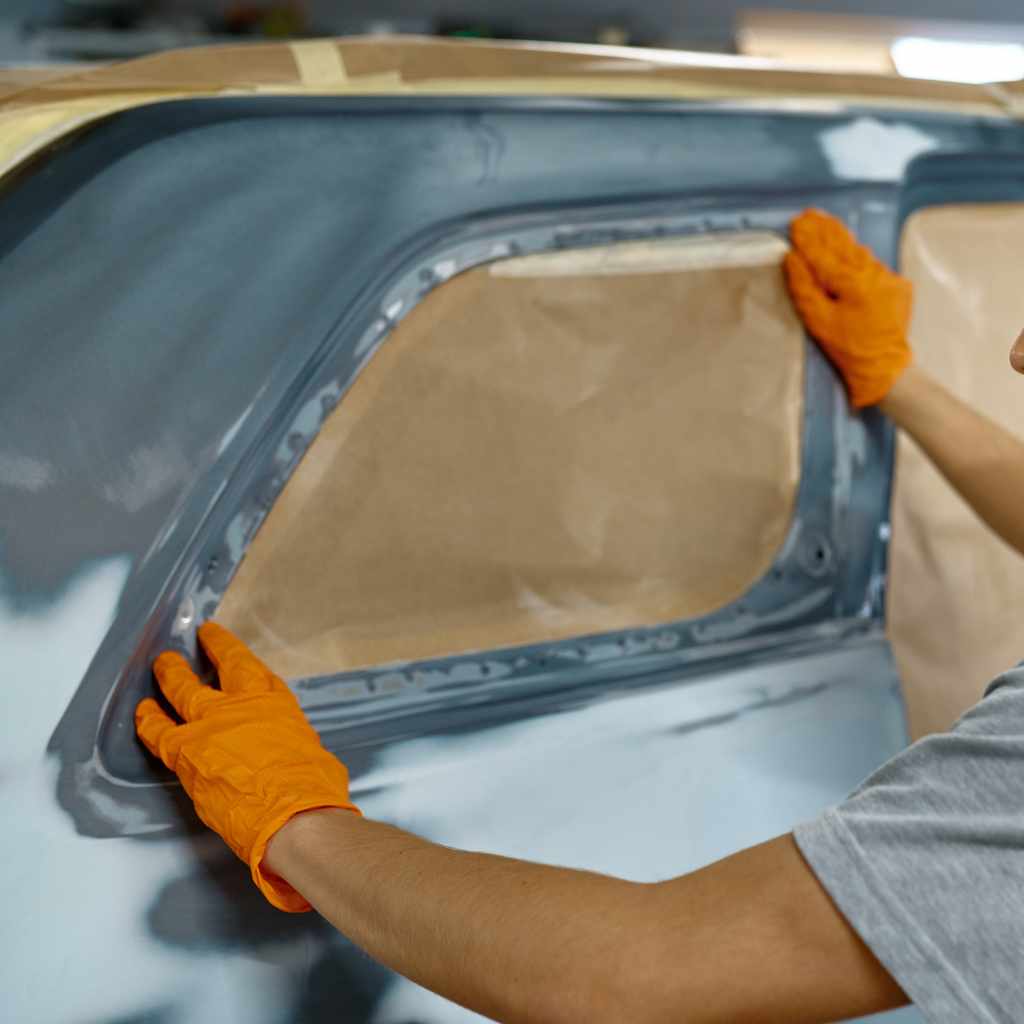
Painter’s tape shields areas not meant for paint. It stops paint from sticking to windows, trims, and rubber parts. The tape peels off easily without leaving marks. This protection keeps the car safe and clean.
Achieving Clean Paint Lines
The tape creates sharp, clear edges between colors. It prevents rough or blurry paint lines. Using tape helps paint stay only where needed. This makes the car look neat and well-painted.
Preventing Paint Bleed
Paint bleed happens when paint seeps under tape edges. Painter’s tape reduces this risk by sealing edges tightly. It keeps paint inside the lines for a smooth finish. This ensures the paint job looks tidy and precise.
Types Of Painter’s Tape For Cars
Choosing the right painter’s tape for cars is key to a clean paint job. Different tapes serve different purposes. Some stick firmly, while others peel off gently. Knowing the types helps protect your car’s surface and paint.
Automotive Masking Tape
This tape is made for car surfaces. It sticks well but removes without damage. It resists heat and chemicals. Ideal for body shops and DIY projects. It keeps paint lines sharp and clean.
Low-tack Painter’s Tape
Low-tack tape has less stickiness. It peels off easily without pulling paint. Perfect for delicate areas and old paint. It helps avoid paint lifting and surface damage. Use it on plastic trims and rubber parts.
Frogtape And Specialty Tapes
Frogtape has a special edge that seals paint. It prevents paint bleed for sharp lines. Specialty tapes include extra-wide and high-heat versions. These tapes handle tough jobs and unique surfaces. Great for custom paint and intricate designs.
Choosing The Right Tape
Choosing the right painter’s tape for your car is important. The wrong tape can damage the paint or leave sticky residue. The best tape sticks well but comes off cleanly. It also stands up to sun and heat. These factors help protect your car’s surface during painting or repairs.
Adhesion Levels
The tape must stick firmly but not too strong. Low adhesion tape may peel off too soon. High adhesion tape can harm the paint when removed. Choose tape with medium adhesion for cars. It holds in place without causing damage.
Residue-free Removal
Residue from tape can be hard to clean. Some tapes leave sticky marks on the paint. Look for tape that removes easily without residue. This keeps your car’s surface clean and smooth. It saves time and effort after painting.
Uv Resistance
Sunlight can weaken some tapes and cause them to fail. UV-resistant tape lasts longer in the sun. It prevents tape from breaking down or leaving residue. Use UV-resistant tape for outdoor painting jobs. It protects both the tape and your car’s finish.
Preparing Your Car Surface
Preparing your car surface is key before applying painter’s tape. It helps the tape stick well and protects your car’s paint. A clean, dry surface prevents damage and ensures sharp paint lines. Follow simple steps for the best results.
Cleaning And Drying
Start by washing the area with soap and water. Remove dirt, dust, and grease carefully. Use a soft cloth to avoid scratches. Dry the surface fully with a clean towel. Wet or dusty surfaces reduce tape adhesion.
Removing Old Tape Residue
Old tape can leave sticky marks or residue. Use a gentle adhesive remover or rubbing alcohol. Apply with a soft cloth and rub lightly. Avoid harsh chemicals that can damage paint. Clean the surface again after removing residue.
Surface Temperature Considerations
Check the surface temperature before taping. Ideal temperature is between 60°F and 80°F (15°C to 27°C). Too hot or cold surfaces affect tape stickiness. Work in the shade or during cooler parts of the day. This helps tape stay put and prevents paint damage.
Applying Painter’s Tape Safely
Applying painter’s tape safely on a car protects its surface and ensures clean paint lines. Proper technique reduces the risk of paint bleed and damage. Follow these steps for the best results.
Proper Tape Placement
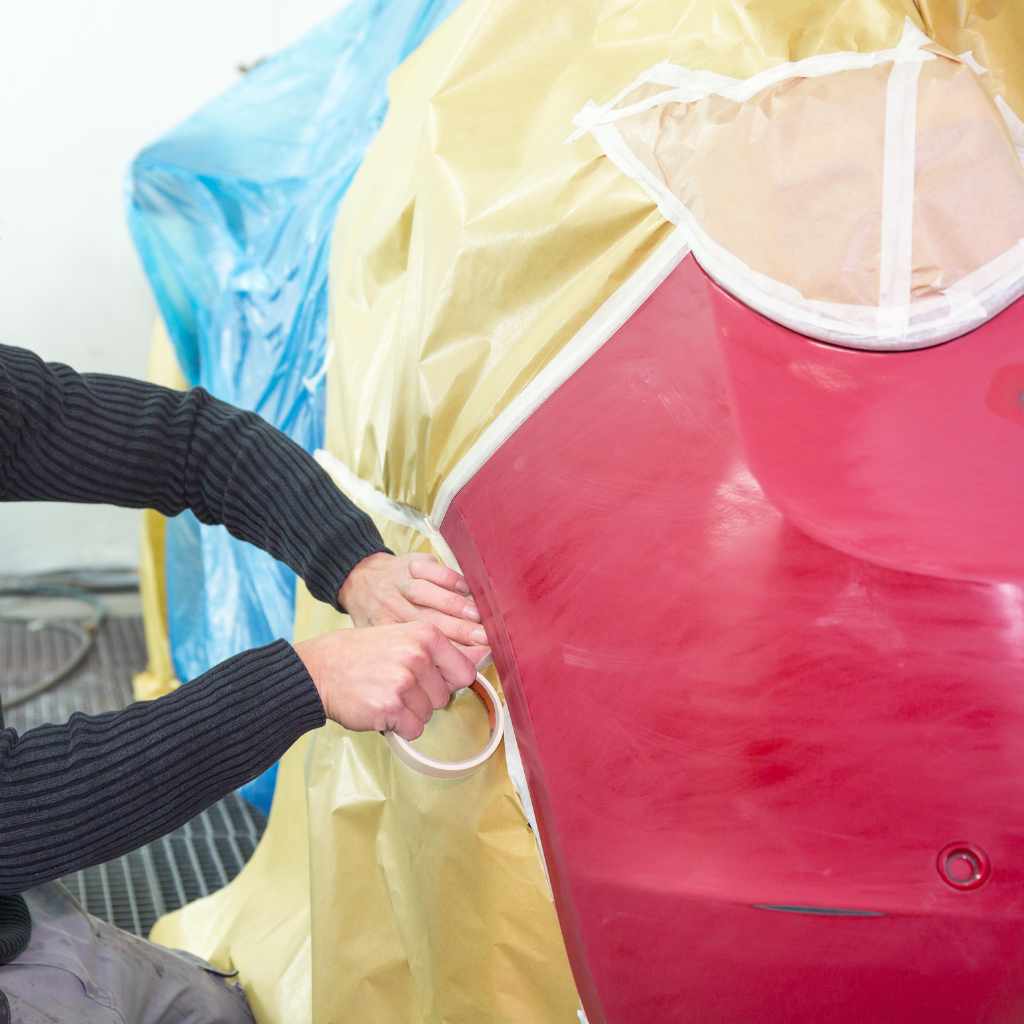
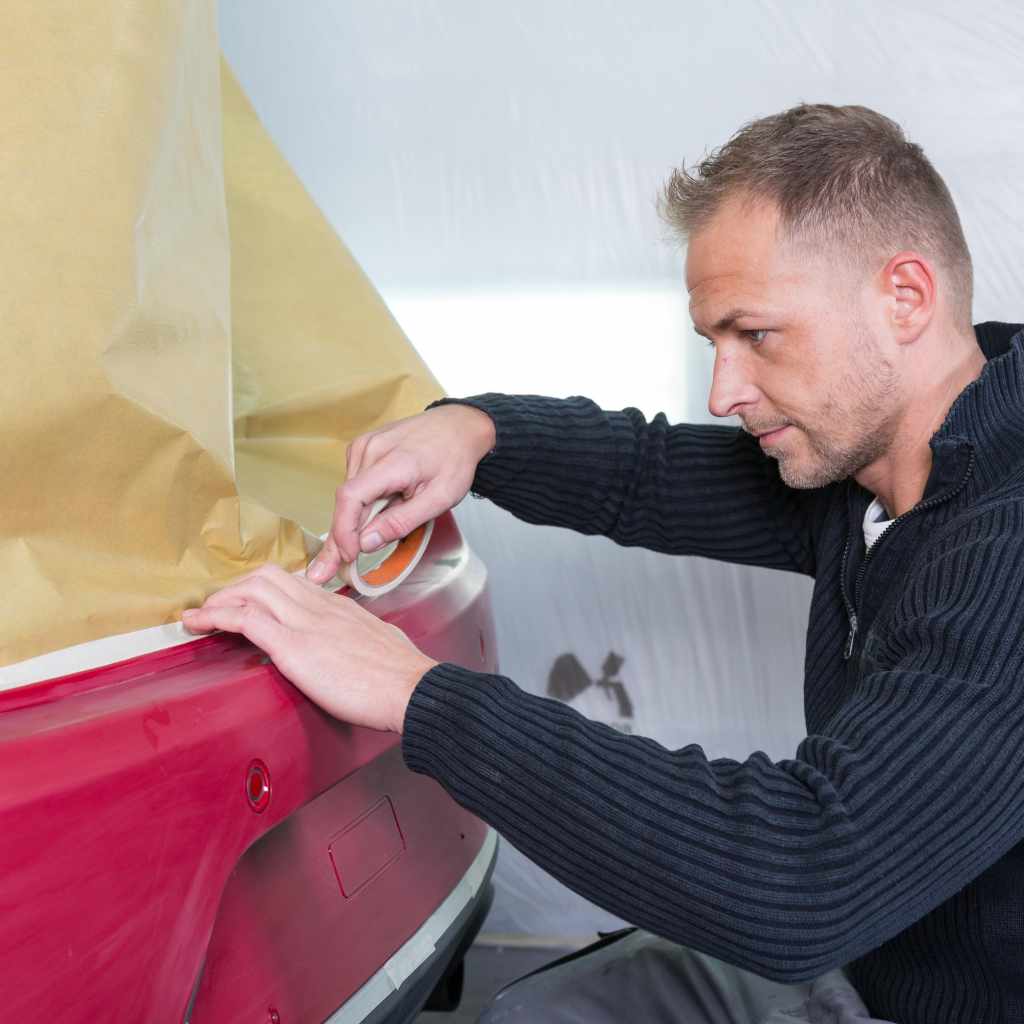
Place the tape carefully along the edge of the area to paint. Press it down firmly without lifting the paint underneath. Align the tape straight to avoid uneven lines.
Avoiding Stretching Or Wrinkles
Do not stretch the tape while applying. Stretching causes the tape to lift or curl back later. Smooth the tape gently with your fingers to remove wrinkles and bubbles.
Sealing Edges For Sharp Lines
Run a plastic card or your fingernail along the tape edges. This seals the tape and stops paint from seeping underneath. Make sure all edges stick tightly before painting.
Removing Tape Without Damage
Removing painter’s tape from your car without causing damage requires care and patience. The right timing and technique make all the difference. Avoid rushing to prevent peeling paint or leaving sticky residue. Follow these simple steps to keep your car’s surface safe and clean.
Timing For Removal
Remove the tape as soon as the paint dries but not too late. Leaving tape on too long makes it harder to remove. Paint may stick to the tape if left too long. Check the paint instructions to know the right drying time. Early removal helps avoid damage and sticky residue.
Peeling Techniques
Peel the tape slowly and gently at a 45-degree angle. Pulling too fast can lift paint or cause marks. Use your fingers to hold the car surface steady. Pulling the tape back on itself helps reduce stress on paint. Take breaks if the tape feels stuck to avoid damage.
Handling Difficult Residue
Sticky residue can remain after tape removal. Use a soft cloth with mild soap and water to clean it. For tougher residue, try rubbing alcohol or adhesive remover made for cars. Avoid harsh chemicals that can damage paint. Always test cleaners on a small spot first. Wipe gently until residue disappears.
Common Mistakes To Avoid
Using painter’s tape on your car can protect its paint during repairs or detailing. Many people make simple mistakes that cause damage or poor results. Avoiding these errors helps keep your car’s surface safe and your work clean. Below are common mistakes to watch out for.
Using Household Tape
Household tape is not made for car paint. It often leaves sticky residue behind. This residue can damage the clear coat. Painter’s tape designed for cars has gentle adhesive. It removes cleanly without harming the surface. Using the wrong tape wastes time and risks damage.
Leaving Tape Too Long
Leaving painter’s tape on the car too long can cause problems. The adhesive can harden and stick more strongly. This makes removal difficult and may peel off paint. Always remove the tape soon after painting or work is done. Do not let tape stay on for days.
Ignoring Surface Preparation
Applying tape on a dirty or wet surface reduces its effectiveness. Dust and moisture stop the tape from sticking properly. This lets paint bleed under the tape edges. Clean and dry the car surface before taping. Proper preparation ensures sharp, clean paint lines.
Tips For Scratch-free Painting
Painting a car without scratches is a careful task. It needs attention and the right methods. Using painter’s tape safely helps protect the car’s surface. Follow these simple tips for scratch-free painting to get great results.
Using Quality Paints And Tools
Choose paints designed for cars. They stick well and last longer. Use brushes and rollers made for auto paint jobs. Cheap tools can cause uneven layers and scratches. Good tools make painting smooth and easy.
Working In Controlled Environments
Paint indoors or in a sheltered space. Avoid dust, wind, and dirt. These particles can stick to the paint and cause scratches. Keep the area clean and dry. Control the temperature for better paint drying.
Inspecting After Tape Removal
Remove painter’s tape carefully. Pull it slowly at a sharp angle. Check the edges for any paint flaws. Fix small scratches or smudges right away. Early inspection prevents bigger problems later.
Frequently Asked Questions
Is Painter’s Tape Safe To Use On Car Surfaces?
Yes, painter’s tape is safe on most car surfaces. It has low adhesive strength to prevent paint damage or residue. Always test a small area first to ensure no peeling or marks occur after removal.
Can Painter’s Tape Protect Car Paint During Repairs?
Painter’s tape effectively protects car paint during repairs. It creates clean paint lines and prevents overspray on unwanted areas. Use automotive-grade tape for better adhesion and residue-free removal.
How Long Can Painter’s Tape Stay On A Car?
Painter’s tape can stay on a car for up to 7 days safely. Prolonged use beyond this may cause adhesive residue or damage. Remove tape promptly after painting or repairs for best results.
What Type Of Painter’s Tape Is Best For Cars?
Automotive-grade painter’s tape is best for cars. It offers stronger adhesion without damaging paint or leaving residue. Choose tape specifically designed for vehicle surfaces for optimal results.
Conclusion
Painters tape can protect your car’s surface during painting. It sticks well and peels off cleanly without damage. Choose tape made for delicate surfaces to avoid problems. Always test a small area first to be safe. Using the right tape helps achieve neat, sharp paint lines.
This simple step saves time and keeps your car looking good. Trust painters tape for easy, safe car painting projects.