Portable Air Jack for Car: How Exhaust Air Jacks Work
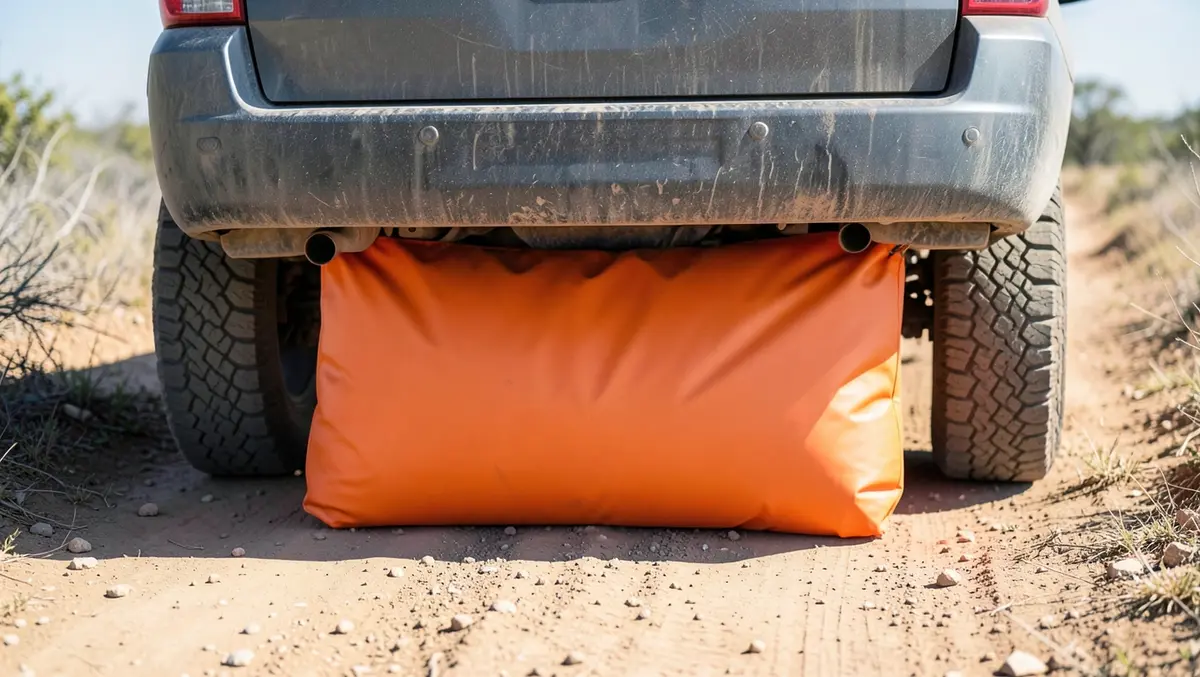
A portable air jack is an inflatable rubber bag that lifts a car when you connect it to the exhaust pipe or a compressor and let air pressure do the work. Most models raise a vehicle in under a minute and are rated for 3 to 5 tons, which makes them a popular choice for off-road recovery on sand, mud, or uneven ground where a standard scissor jack would sink or tip.
It is a genuinely different tool from the 12-volt electric hydraulic jacks sold under similar names, so if you have landed here comparing options, this guide covers how an actual air jack works, what to look for, and the one safety rule you should never skip.
What Is a Portable Air Jack and How Does It Work?
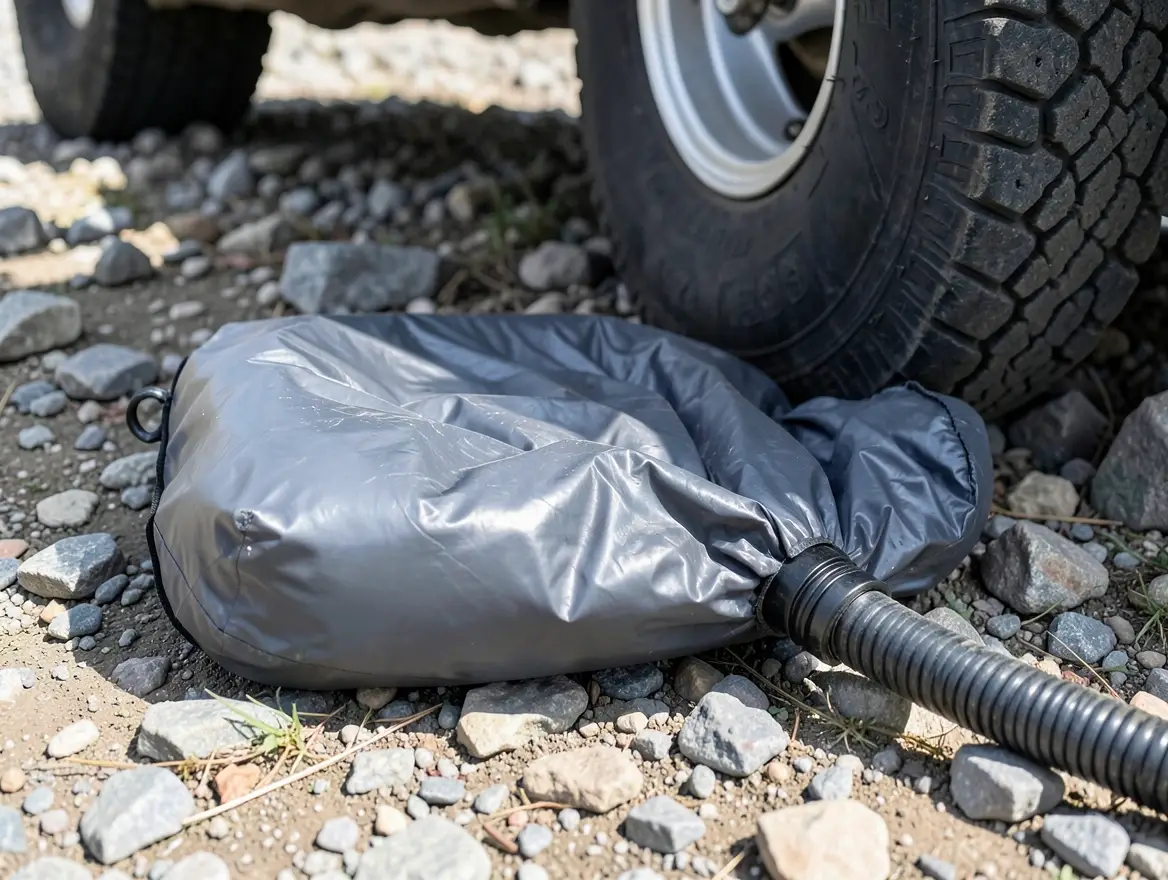
A portable air jack, sometimes called an exhaust jack or air bag jack, is a flat, deflated bag made of layered nylon and PVC. You slide it under a solid part of the vehicle’s frame or axle while it is empty, then connect a rubber hose from the bag to your car’s exhaust tip. Starting the engine pushes exhaust gas into the bag, and it inflates and lifts the vehicle in a matter of seconds.
Most bags use a one-way valve, so once you disconnect the hose, the air stays trapped inside and the vehicle holds its height without a running engine. Many models also work with a standard 12-volt air compressor instead of the exhaust, which matters if the engine will not start in the first place.
Portable Air Jack vs. Electric Hydraulic Jack: What Is the Difference?
These two tools get lumped together in searches because both are marketed as convenient roadside options, but they work on completely different principles.
| Feature | Portable Air Jack | Electric Hydraulic Jack |
|---|---|---|
| Lifting method | Inflatable bag, filled by exhaust or a compressor | 12V motor driving a screw or hydraulic ram |
| Best surface | Sand, mud, gravel, uneven or off-road terrain | Flat, firm, paved surfaces |
| Power source | Running engine or a separate air compressor | Car battery via cigarette lighter or direct wiring |
| Typical capacity | 3–5 tons | 2–5 tons |
| Storage size | Folds flat, very compact | Rigid case, bulkier |
If you mostly drive on pavement and want a rigid, self-contained tool for routine tire changes, an electric hydraulic jack is usually the more practical pick. If you spend time off-road, tow a trailer through soft ground, or just want something that packs flatter than a metal jack, a true air jack is the better fit — which is the tool this guide focuses on.
BEST FOR OFF-ROAD RECOVERY
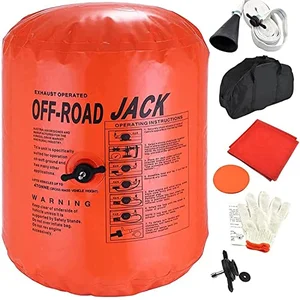 |
Flieeya 4-Ton Exhaust Air Jack – $127.99 A true exhaust-inflated lifting bag built for uneven ground — the soft shell spreads the load instead of sinking into sand, mud, or gravel the way a scissor or bottle jack can.
|
Weight Capacity and Lift Height to Look For
Air jacks are sold by tonnage and by how many bags they use. A single-bag jack is what most drivers picture and what off-road recovery kits typically include, while multi-bag “triple bag” jacks are more of a garage tool built for shop air compressors rather than exhaust inflation.
| Capacity | Typical Lift Height | Good For |
|---|---|---|
| 3 tons (6,600 lbs) | Up to about 20 inches | Compact cars and small sedans |
| 4 tons (8,800 lbs) | Up to about 24 inches | Mid-size SUVs and light trucks |
| 5 tons (11,000 lbs) | Up to about 24–28 inches | Full-size trucks and heavier SUVs |
Check your vehicle’s curb weight (usually listed in the owner’s manual or driver’s door jamb sticker) against the jack’s rated capacity, and buy a size up if you are close to the limit rather than right at it.
How to Use a Portable Air Jack Safely
- Park on the flattest ground available. A slight slope is manageable, but avoid loose or steeply angled terrain if you can help it.
- Chock the wheels that will stay on the ground so the vehicle cannot roll while it is being lifted.
- Position the deflated bag under a solid frame rail, axle, or the manufacturer’s recommended jack point — never under a plastic panel, rocker molding, or the fuel tank.
- Connect the hose to your exhaust tip (or a portable compressor if the engine will not run) and start the engine.
- Watch the lift closely as the bag inflates. Stop immediately if the vehicle starts to tip or the bag shifts off the contact point.
- Once you reach the height you need, place a rated jack stand under a solid frame point before doing any work underneath the vehicle.
The One Safety Rule You Should Never Skip
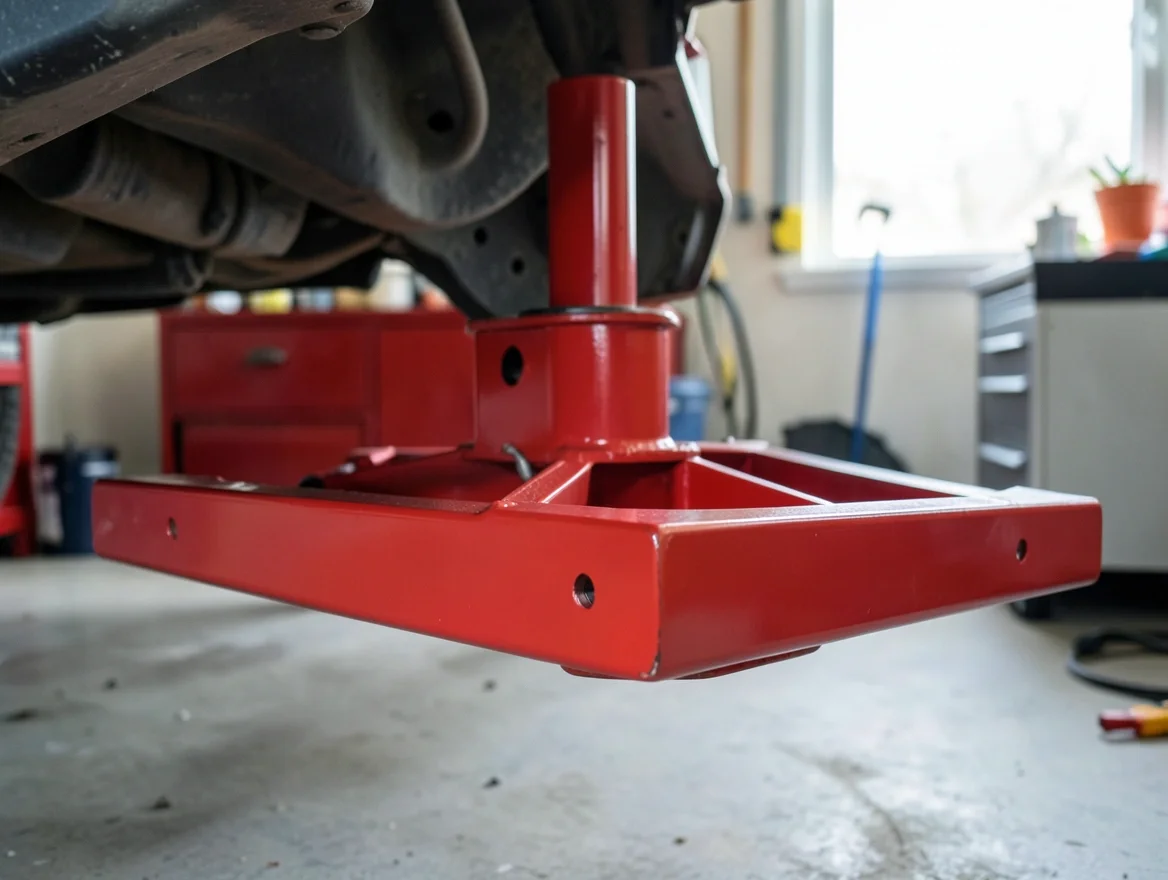
An air jack is a lifting tool, not a support tool. That distinction matters. Once the bag reaches the height you need, it is holding the vehicle up through trapped air pressure alone — a slow leak, a punctured bag, or the hose popping loose can let the vehicle down without warning. Never get underneath a vehicle that is supported only by an air jack, a scissor jack, or any other lifting jack.
Once the vehicle is at height, slide a properly rated jack stand under a solid frame point and let the stand carry the weight before you go underneath. If you are on soft ground, set a wide board or base plate under the stand’s feet so it cannot sink or tip. This is the same rule that applies to any jack, including the ones covered in our guide to jacking up a car to change a tire safely and where to put a jack under a car.
When a Portable Air Jack Makes the Most Sense
- Off-road recovery: changing a tire on sand, mud, or loose gravel where a scissor jack’s small foot would sink
- Low-clearance vehicles: the deflated bag is flat enough to slide under a car that sits too low for a bulky floor jack
- Emergency kits: it packs flatter and lighter than most rigid jacks, so it stores easily in a trunk or truck bed
- Uneven or sloped ground: the wide contact area is more stable than a jack resting on a small point
What to Look for When Buying a Portable Air Jack
- Weight rating: match it to your heaviest vehicle’s curb weight, not just the one you drive most often.
- Bag material: look for multi-layer nylon with a PVC coating, which resists exhaust heat and punctures better than single-layer vinyl.
- Dual inflation: a bag that accepts both an exhaust hose and a standard compressor fitting gives you a backup if the engine will not start.
- Included hose length: a longer hose gives you more room to angle the jack correctly without straining the connection.
- Carry case: a dedicated bag keeps the hose, adapters, and jack itself together and protects the fabric from tears in storage.
Frequently Asked Questions
What Is A Portable Air Jack For A Car?
A portable air jack, also called an exhaust jack or air bag jack, is a flat rubber or vinyl bag that lifts a vehicle when it is inflated. Most models connect to your car’s exhaust pipe, so starting the engine fills the bag and raises the vehicle in seconds. It is a different tool from an electric hydraulic jack, which uses a 12-volt motor to drive a mechanical ram.
How Does An Air Jack Inflate: Exhaust Or Compressor?
Most portable air jacks support both methods. The hose fits over your car’s exhaust tip, so the engine’s exhaust pressure inflates the bag once you start the car. If the engine will not run, the same bag can usually be inflated with a portable air compressor instead, since both connect through the same valve.
Is A Portable Air Jack Safe To Use?
It is safe for lifting when used correctly, but it is not a substitute for a jack stand. Like any floor jack, an air jack is designed to raise a vehicle, not hold it in place while you work underneath. Once the car is at the height you need, always slide a rated jack stand under a solid frame point before getting under the vehicle.
How Much Weight Can A Portable Air Jack Lift?
Most consumer models are rated between 3 and 5 tons, or roughly 6,600 to 11,000 pounds, which covers the vast majority of sedans, SUVs, and light trucks. Always check the specific weight rating printed on the bag or listed by the manufacturer against your vehicle’s curb weight before using it.
Can I Use A Portable Air Jack On Sand Or Mud?
Yes, and this is the main reason off-road drivers carry one. The flat, soft-shell design spreads the vehicle’s weight over a wider area than a scissor or bottle jack’s small metal foot, so it is far less likely to sink into sand, mud, or loose gravel.
How Is An Air Jack Different From An Electric Hydraulic Jack?
An air jack is an inflatable bag that lifts a vehicle with exhaust or compressor pressure and works well on soft, uneven, or low-clearance ground. An electric hydraulic jack is a rigid metal unit with a 12-volt motor that drives a screw or hydraulic ram, and it generally needs a flatter, firmer surface to sit on safely.
Bottom Line
A portable air jack earns its spot in an off-road or emergency kit because it packs flat, lifts fast, and handles soft ground better than a rigid jack. Match the capacity to your vehicle’s weight, keep the hose and bag in good condition, and remember the one rule that applies to every jack on this list: once the vehicle is up, a rated jack stand — not the jack itself — is what should be holding it there.
Products related to this article
Sponsored / affiliate links. As an Amazon Associate I earn from qualifying purchases. I may earn additional commission from eligible campaigns.