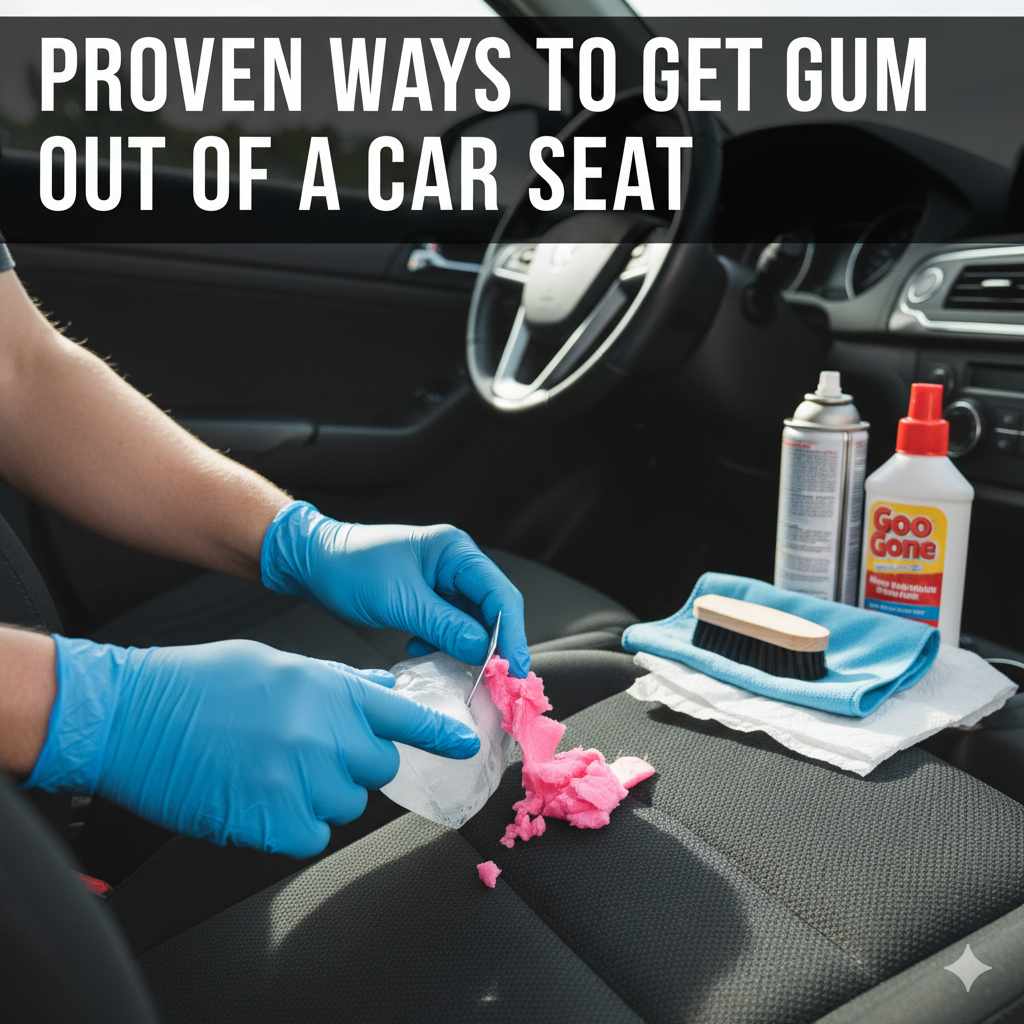
Proven Ways To Get Gum Out Of A Car Seat
Getting gum out of your car seat is manageable with simple household items! Try freezing it with ice or using common solvents like peanut butter or rubbing alcohol. Always test in an inconspicuous spot first and work gently to avoid damaging the seat material.
Getting gum stuck on your car seat is one of those little annoyances that can really take the joy out of your ride. It’s sticky, it’s stubborn, and it feels like it’s there to stay. But don’t worry! As your automotive guide, I’m here to tell you that you absolutely don’t need to panic or call a professional detailer right away. We’ve all been there, and thankfully, there are some straightforward, proven methods to tackle this sticky situation without harming your car’s interior. Get ready to reclaim your clean car seat with these easy-to-follow tips.
Why Gum Sticks and How to Win the Battle
Gum is designed to be sticky and pliable, which is exactly what makes it such a headache when it adheres to fabric or leather car seats. Its chewy nature allows it to press into the texture of the seat, and its molecular structure makes it cling tightly. The good news is, we can use science and a bit of patience to outsmart it. Most methods work by either hardening the gum so it can be chipped away or by dissolving its sticky components. We’ll explore a few of the most effective and beginner-friendly ways to get that stubborn gum off your car seat.
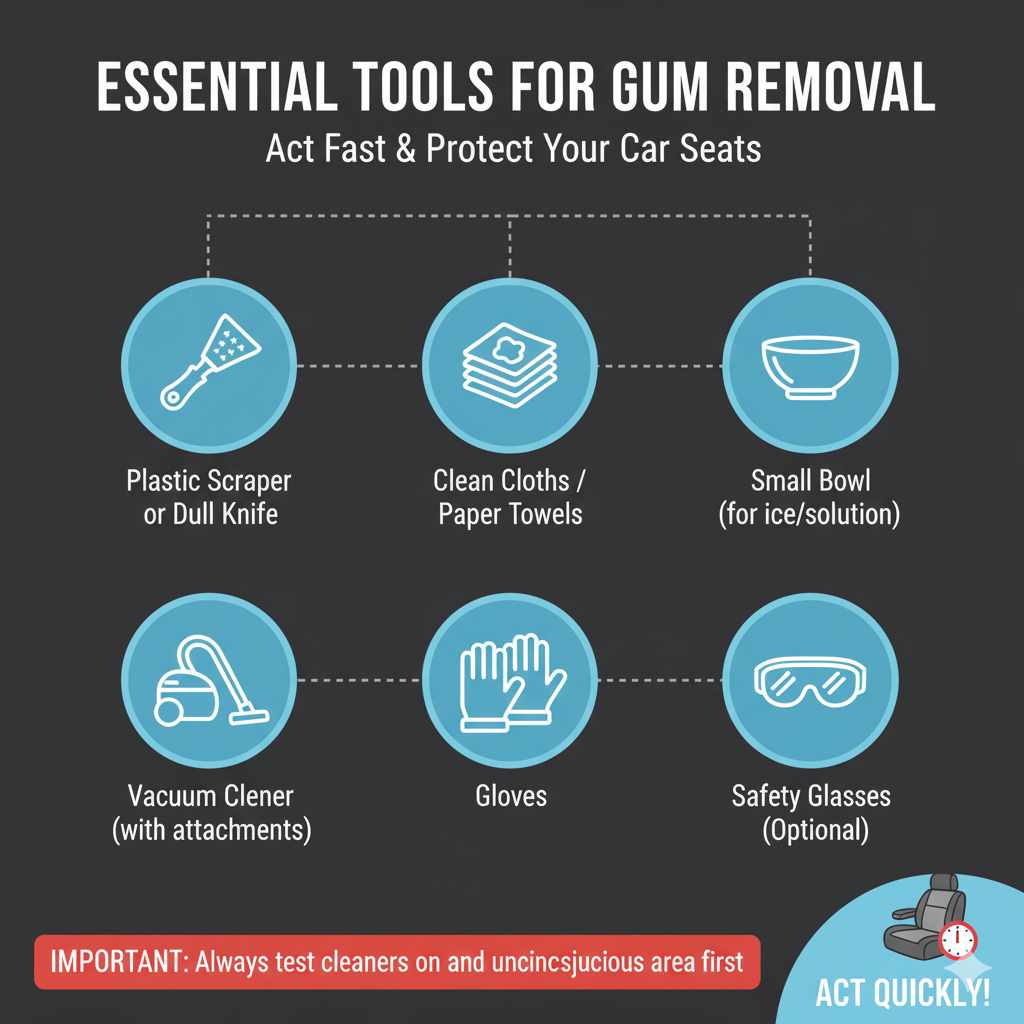
Essential Tools for Gum Removal
Before you start, gather a few basic tools that will make the process smoother and safer for your car seats. Having these ready means you can act quickly and efficiently.
- Plastic scraper or dull knife: For gently lifting hardened gum.
- Clean cloths or paper towels: For applying solutions and wiping away residue.
- Small bowl: To hold ice or your chosen cleaning solution.
- Vacuum cleaner: For initial removal of loose debris and final clean-up.
- Gloves: To protect your hands, especially when using solvents.
- Optional: Safety glasses if using stronger cleaning agents.
Method 1: The Ice Cube Freeze & Scrape
This is often the go-to method because it’s safe for most car seat materials and uses items you likely have at home. Freezing makes the gum brittle, which makes it easier to break off.
Step-by-Step Guide:
- Gather your ice: Fill a small bowl or a resealable bag with ice cubes. If using a bag, ensure it’s sealed to prevent water from leaking onto your seats.
- Apply the ice: Place the ice directly on top of the gum. Hold it there for about 5-10 minutes, or until the gum feels hard and frozen. You can also use a damp, cold cloth if you don’t have loose ice.
- Scrape gently: Once the gum is stiff, use a plastic scraper or the dull edge of a butter knife to carefully chip away at the hardened gum. Work from the edges inward. Be patient; avoid forcing it, which could damage the seat fabric.
- Vacuum loose pieces: As you break off small pieces of gum, vacuum them up immediately to prevent them from re-sticking or being ground further into the seat.
- Repeat if necessary: If large chunks of gum remain, reapply the ice and continue scraping.
- Clean remaining residue: Once the bulk of the gum is removed, you might have a slight stain or sticky residue. You can gently dab this with a damp cloth. For tougher spots, proceed to Method 3 on residue.
Method 2: The Peanut Butter or Oil Approach
The oils in peanut butter (or other cooking oils like olive oil or vegetable oil) can help break down the gum’s stickiness, making it easier to remove. This method is best for fabric seats and should be used cautiously on leather.
What You’ll Need:
- Smooth peanut butter (chunky can add more unwanted texture)
- Plastic scraper or dull knife
- Clean cloths or paper towels
- Mild soap and water solution
Step-by-Step Guide:
- Apply peanut butter: Scoop a small amount of smooth peanut butter and spread it directly over the gum deposit. Ensure the gum is completely covered.
- Let it sit: Allow the peanut butter to sit on the gum for about 5-10 minutes. The oils will start to work on loosening the gum’s grip.
- Scrape carefully: Use your plastic scraper or dull knife to gently lift the peanut butter and gum mixture. You should notice the gum becoming less sticky and starting to clump with the peanut butter.
- Wipe away: Use a clean cloth or paper towel to wipe away the peanut butter and gum. You may need to use a few cloths as you work.
- Clean the area: After removing the majority of the gum and peanut butter, there will likely be an oily residue. Mix a little mild dish soap with warm water and use a clean cloth to gently clean the affected area.
- Rinse and dry: Dampen another clean cloth with plain water to wipe away the soap residue, then dry the area with a separate dry cloth.
Caution for Leather Seats: While oils can work on leather, overuse or inadequate cleaning afterward can lead to staining or damage. Always test in an inconspicuous area first. A dedicated leather cleaner is generally a safer bet for leather.
Method 3: Rubbing Alcohol (Isopropyl Alcohol)
Rubbing alcohol is a fantastic solvent that can break down the sticky polymers in gum. It evaporates quickly and is generally safe for most fabric upholstery, although it’s always best to test it first. For leather, use with extreme caution or opt for a product specifically designed for leather.
Step-by-Step Guide:
- Test first: Find an unseen spot on your car seat (e.g., under the seat or along a seam) and apply a small amount of rubbing alcohol to a cotton ball or cloth. Gently rub the area to ensure it doesn’t cause discoloration or damage. Wait a few minutes for it to dry completely.
- Saturate a cloth: If the test is successful, dampen a clean cloth or cotton ball with rubbing alcohol. Don’t soak it to the point of dripping.
- Apply to gum: Gently dab the alcohol-soaked cloth or cotton ball onto the gum. You want to work the alcohol around the edges and onto the gum itself. You’ll notice the gum starting to soften and lose its tackiness.
- Scrape and lift: As the gum breaks down, use your plastic scraper or the dull edge of a knife to gently lift the softened gum away from the seat fibers.
- Wipe away residue: Use a clean, dry cloth to wipe away any loosened gum and alcohol residue.
- Repeat as needed: Continue dabbing with alcohol and scraping until all the gum is gone.
- Final clean: Once the gum is removed, you can wipe the area with a damp cloth (water only) to remove any remaining streaks of alcohol, and then dry thoroughly.
For more information on cleaning solvents and their safe use with different materials, resources like the U.S. Environmental Protection Agency (EPA) offer guidance on household cleaning product safety.
Method 4: Vinegar Solution
White vinegar is a mild acid that can help break down the sticky bond of gum. It’s a natural option that’s generally safe for most fabrics.
Step-by-Step Guide:
- Prepare vinegar solution: Mix equal parts white vinegar and water in a small bowl.
- Test compatibility: As with rubbing alcohol, test this solution on an inconspicuous part of your car seat to ensure it doesn’t affect the color or material.
- Apply and soak: Dip a clean cloth into the vinegar solution and wring it out so it’s damp, not dripping. Gently press the damp cloth onto the gum, ensuring it covers the sticky substance. Let it sit for about 5-10 minutes.
- Scrape away: Use your plastic scraper or dull knife to carefully scrape off the loosened gum. The vinegar should have softened its adhesive properties.
- Wipe clean: Use a fresh cloth dampened with plain water to wipe away any vinegar residue.
- Dry the area: Pat the area dry with a clean, dry towel.
Method 5: Commercial Gum Removers
If the DIY methods seem too daunting or haven’t fully worked, you can find commercial products specifically designed to remove gum from various surfaces, including car interiors.
Using Commercial Removers:
- Read the label carefully: Always follow the manufacturer’s instructions precisely. Different products have different application methods and drying times.
- Ventilate your car: Open doors and windows for good airflow, especially if the product has strong fumes.
- Test in a hidden area: Even commercial products can react unexpectedly with certain car seat materials. A test patch is crucial.
- Apply as directed: This might involve spraying the product onto the gum or applying it with an applicator.
- Allow contact time: Let the product work for the specified duration.
- Scrape and wipe: Use the tools recommended on the product label to remove the softened gum.
- Clean up: Some products require a follow-up cleaning with water or a specific cleaner.
Authoritative Source on Car Care Product Safety: For general advice on understanding and safely using cleaning chemicals in your home and car, the U.S. Environmental Protection Agency (EPA) offers valuable information on safer cleaning choices and chemical ingredients.
Dealing with Different Seat Materials
The best method can sometimes depend on what your car seat is made of. Here’s a quick guide:
| Seat Material | Recommended Methods | Methods to Use with Caution | Methods to Avoid |
|---|---|---|---|
| Fabric/Cloth | Ice Cube, Peanut Butter, Rubbing Alcohol, Vinegar, Commercial Gum Removers | (None, with proper testing and gentle application for all) | Harsh chemical solvents not designed for upholstery; excessive scrubbing. |
| Leather | Ice Cube (carefully), Commercial Leather Gum Remover | Peanut Butter (very diluted, with immediate thorough cleaning), Rubbing Alcohol (diluted, test thoroughly, minimal application) | Harsh solvents like pure rubbing alcohol without dilution, prolonged exposure to oils, excessive heat. |
| Vinyl | Ice Cube, Mild Soap & Water, Rubbing Alcohol (diluted, test) | Peanut Butter (clean thoroughly after) | Harsh solvents that can degrade vinyl, abrasive cleaners. |
Always remember to test any cleaning agent in an inconspicuous area first, regardless of the seat material. This is your best defense against accidental damage.
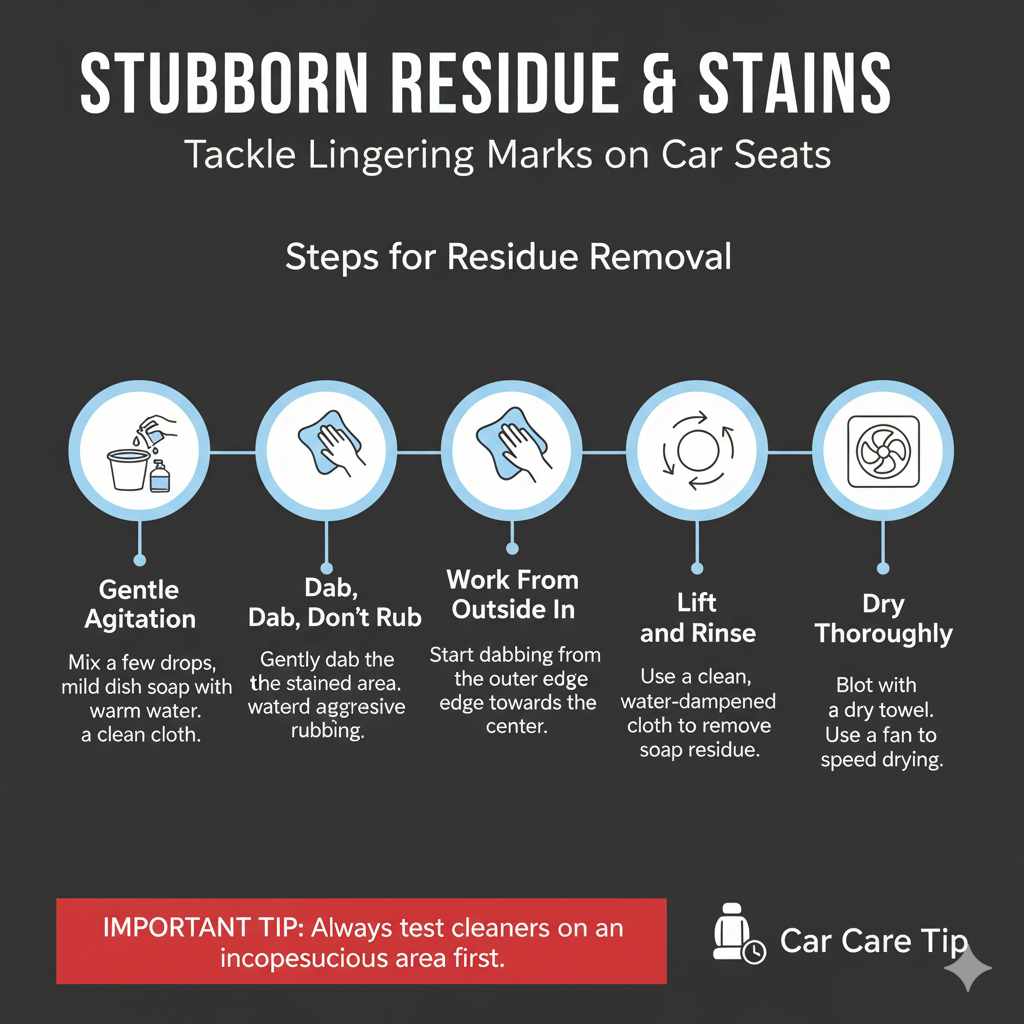
Stubborn Residue and Stains
Sometimes, after the gum is gone, a sticky residue or a faint stain remains. For these situations, a mild upholstery cleaner or a solution of dish soap and water can be effective.
Steps for Residue Removal:
- Gentle agitation: Mix a few drops of mild dish soap (like Dawn) with warm water. Dip a clean cloth into the solution and wring it out well.
- Dab, don’t rub: Gently dab the stained or sticky area. Avoid aggressive rubbing, which can spread the residue or damage the fabric.
- Work from outside in: If it’s more of a stain, start dabbing from the outer edge of the spot and work your way toward the center. This helps prevent spreading.
- Lift and rinse: Use a separate clean cloth dampened with plain water to dab the area and remove soap residue.
- Dry thoroughly: Blot the area with a dry, clean towel. You can also use a fan to speed up drying and prevent mildew.
FAQ: Your Gum Removal Questions Answered
Q1: What is the absolute easiest way to get gum out of a car seat?
A1: The easiest and often safest method is the ice cube technique. Freeze the gum until it’s hard, then gently scrape it off. It requires minimal supplies and is gentle on most materials.
Q2: Can I use hairspray to get gum out of my car seat?
A2: Some people have success with hairspray because the alcohol in it can harden the gum. However, hairspray can also leave a sticky residue itself and potentially stain certain fabrics. It’s generally better to use rubbing alcohol directly.
Q3: Will using peanut butter on my leather car seat damage it?
A3: Peanut butter can leave an oily residue on leather if not cleaned thoroughly. It’s best to use it on fabric or, if you must use it on leather, apply a very small amount, scrape quickly, and immediately clean the area with a dedicated leather cleaner to remove all oil traces.
Q4: How long should I leave ice on the gum?
A4: Leave the ice on for about 5 to 10 minutes, or until the gum feels completely hardened and brittle. You might need to apply ice for slightly longer if the gum deposit is very thick.
Q5: What if there’s still a sticky spot after removing the gum?
A5: A sticky residue can usually be cleaned with a solution of mild dish soap and warm water. Dampen a cloth, gently dab the area, then rinse with a clean, damp cloth and dry thoroughly.
Q6: Should I scrub the gum vigorously?
A6: Absolutely not! Vigorous scrubbing can embed the gum deeper into the fabric, damage seat fibers, or spread the sticky mess. Always use a gentle scraping or dabbing motion.
Q7: Are commercial gum removers safe for all car seats?
A7: While formulated for gum removal, it’s essential to check the product label for compatibility with your specific seat material (fabric, leather, vinyl). Always perform a patch test in an inconspicuous area before applying it to the main gum stain.
Preventing Future Gum Mishaps
Once your car seat is gum-free, you’ll want to keep it that way! The best defense is awareness and a little bit of habit-forming.
- Designate a “gum spot”: If you or your passengers chew gum, have a small bag or container ready specifically for used gum.
- Educate passengers: Especially if you have younger passengers, remind them where to put their gum when they’re done.
- Avoid chewing gum during messy activities: Eating or drinking while also chewing gum increases the risk of a drop or smear.
- Clean spills immediately: If gum does get somewhere it shouldn’t, address it as soon as possible before it gets ground in or dries completely.
Conclusion
Dealing with gum on your car seat might seem like a daunting task, but as you’ve seen, it’s entirely manageable with the right approach and a few common household items. Whether you opt for the simple freeze-and-scrape method, the oil-based solution of peanut butter, or a solvent like rubbing alcohol, patience and gentle technique are your greatest allies. Remember to always test any cleaning agent in a hidden spot first, especially on leather or sensitive upholstery. With these proven methods, you can confidently tackle sticky gum situations and keep your car’s interior looking its best, just like new. Happy cleaning!