How to Remove Rust from a Car: 9 Methods Compared (2026)
The best way to remove rust from a car depends on where the rust is, not on which product is most popular. Parts you can unbolt do well in a soak or an electrolysis bath. Painted panels that stay on the car are usually handled with a wire brush or sandpaper, then a converter or primer. Rust that has eaten through metal, or sits on the frame, is a job for a professional shop.
This page compares the removal methods side by side: mechanical, chemical, electrolysis and household remedies. It covers what each one leaves behind, because every method that exposes bare steel starts a clock. It also covers the safety gear for acids, dust and old paint. If you want to stop rust from spreading first, see how to stop rust on a car from spreading. For the full repair after removal, see how to fix rust on a car.
Identifying Rust On Your Car
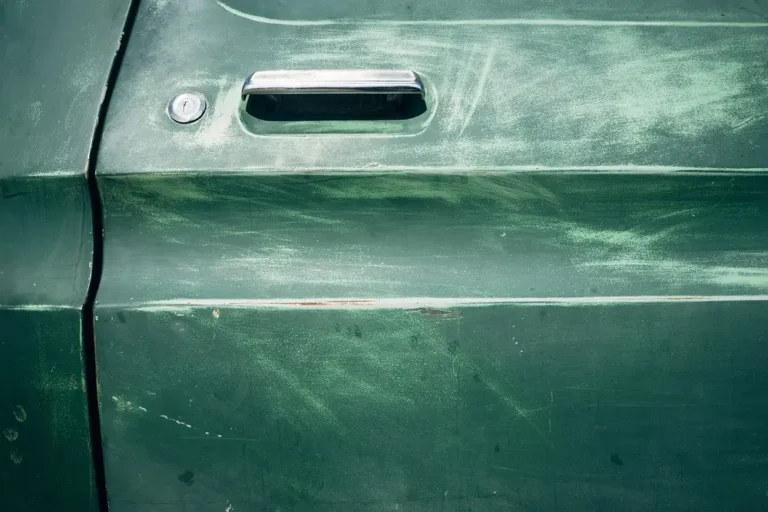
Rust shows up as orange or brown spots, rough patches you can feel through the paint, or bubbles under the paint. Bubbles are a warning sign, since the metal underneath is already corroding. Check wheel arches, door bottoms, rocker panels, the trunk floor and the undercarriage first, because water and road salt collect there.
Best Pick for Rusty Removable Parts
|
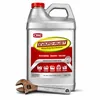
Evapo-Rust Heavy Duty Rust Remover, 1 Gallon, $28.06 A water-based soak for bolts, brackets, brake-caliper hardware and other parts that come off the car. Soak, rinse, dry and prime; no scrubbing or sanding.
|
As an Amazon Associate we earn from qualifying purchases. This is a spec-based pick from the listing and maker data, not a hands-on test.
Sort what you find into three groups, because each one points to a different method. Surface rust is a thin orange layer on solid metal. Scale is flaking, layered rust that you can chip off. Penetrating rust has made pits that go through the metal or left the panel soft. The first two are DIY territory. The third is not.
Best Chemical Rust Removers for Cars: Which Method Works?
Here is every common method side by side, so you can match the method to the part. Speed and risk notes come from the maker data sheets and product listings named in each section below, not from our own bench tests.
| Method | Best for | Speed and effort | Main risk |
|---|---|---|---|
| Wire brush or wire wheel | Loose rust, scale and flaking paint on frames, brackets and underbody | Fast on loose rust; leaves bare metal that needs more work | Flying wire, dust, and lead or silica in old coatings; scratches paint |
| Sanding (coarse to fine grit) | Surface rust on a painted panel, with feathered edges for paint | Slow and hands-on, but the most controllable | Dust; sanding through thin metal; old paint dust |
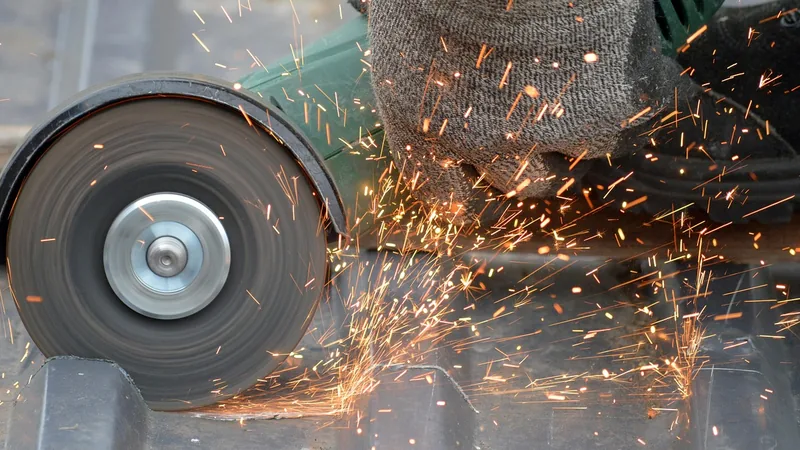
| Flap disc on an angle grinder | Thick brackets, frame sections and heavy scale | Fast, aggressive | Sparks, dust, thinning metal, kickback |
| Abrasive blasting | Removable parts and frames, with the right setup | Fast coverage | Crystalline silica dust; unsuitable for thin panels at home |
| Chelator soak (Evapo-Rust type) | Removable steel parts that fit in a tub | Hours to overnight, almost no effort | Low hazard per the SDS; slower in cold; part must fit |
| Phosphoric-acid gel | Small, bare-steel spots, vertical surfaces | Described as working within minutes | Fumes, skin and eye burns; damages paint, aluminum, chrome, stainless and plastics |
| Rust converter | Panels, frames and underbody that stay on the car | Brush or spray on, then cure and prime | Converts rather than removes; fumes; flammable aerosols |
| Electrolysis | Removable steel parts only | Hours, plus set-up | Hydrogen gas, electric shock, chemical bath |
| Vinegar or other household acids | Light rust on small hardware | Slow; hours of soaking | Mild, but not tested here on car panels; never on paint |
Remover, converter or dissolver: what the words mean
The labels blur three different jobs. A chelator such as Evapo-Rust removes the iron oxide and leaves bare metal. The listing says to soak, rinse, then protect the metal with a corrosion inhibitor. A phosphoric-acid gel such as Loctite Naval Jelly dissolves rust on bare steel and, per Bob Vila’s product testing, is not for aluminum, chrome, stainless steel, plastics or painted surfaces. A converter such as Rust-Oleum Rust Reformer does not remove rust at all: it turns what remains into a paintable black coating, so it only suits solid rust on surfaces you are going to coat anyway.
A practical rule: use a remover when you want bare metal back (parts, welding prep), and a converter when the panel stays on the car and you only need to stop the rust and coat it. Never put a converter over thick, flaking scale; remove the loose layer first.
What Evapo-Rust’s own data sheet says
The Evapo-Rust safety data sheet states the product is not classified as hazardous under the 2012 OSHA Hazard Communication Standard, and lists it as mostly water with a proprietary chelating agent. CRC’s technical data lists a pH of 6 to 7, and notes that cleaning times are longer below 15 degrees C (59 degrees F). That is a narrower claim than the marketing word ‘non-toxic’: it means the maker does not classify it as hazardous, not that you can ignore gloves. Do not pour used solution into waterways or storm drains, per the SDS.
Tools And Materials Needed
For mechanical removal, you need a wire brush, sandpaper in several grits (60 or 80 to start, then finer), a scraper, and rags. For chemical removal you need a plastic tub for parts, a chelator or gel, a primer, and masking tape and plastic sheeting to protect surrounding paint. For electrolysis you need a plastic tub, washing soda, a battery charger and a sacrificial steel anode.
Safety First: PPE, Dust, Lead And Acids
- Eyes and hands: sealed goggles for grinding, wire wheels and acid gels, and chemical-resistant gloves for any remover. Wear a face shield with a grinder or power wire wheel.
- Lungs: use a respirator suited to the job. Dust from grinding and sanding can contain old paint, and abrasive blasting with sand can create respirable crystalline silica, which OSHA links to silicosis and lung cancer. Acid gels and converters call for ventilation, outdoors if possible.
- Old paint: on an older car, treat the paint as if it could contain lead until it is tested, and avoid dry sanding or grinding it. Our rust repair guide covers lead-dust handling in more detail.
- Acids: follow the maker’s data sheet for first aid, and keep acid gels off aluminum, chrome, stainless steel, plastic and paint unless the label says otherwise.
- Fire: converters and primers in aerosol cans are flammable, and grinding makes sparks. Keep them apart and have a fire extinguisher nearby.
Preparing Your Car
Wash the area with soap and water to remove dirt and road salt, then dry it thoroughly with a clean towel. Tape off the surrounding paint and trim, because gels and sparks can mark them. Work in the shade, since direct sun makes converters and primers dry too fast. Disconnect the battery before grinding near wiring, and keep sparks away from fuel lines.
Removing Surface Rust
Wire brush, sandpaper and flap disc
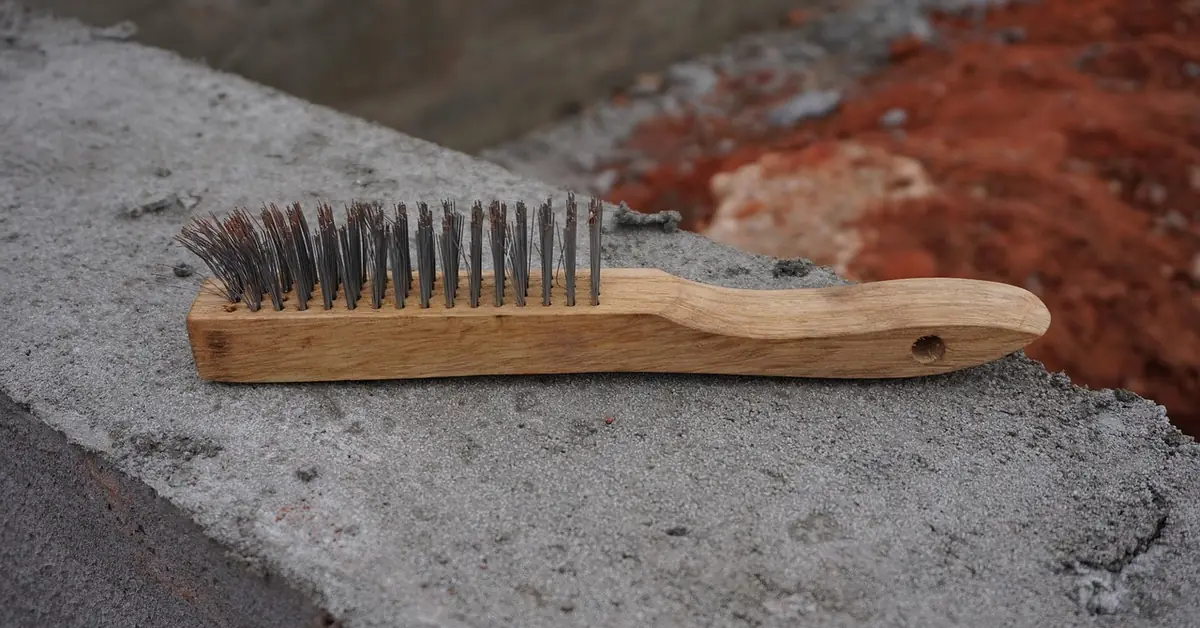
Start with a wire brush or coarse sandpaper to remove flakes and break through paint blisters, and keep going until you reach bright, solid metal. Then step to finer grits so the edge of the repair blends into the surrounding paint: the bare area gets primer, and the feathered ring around it gets paint. Use a flap disc only on thick steel such as brackets or frame sections: it removes metal quickly, and it can thin a body panel before you notice.
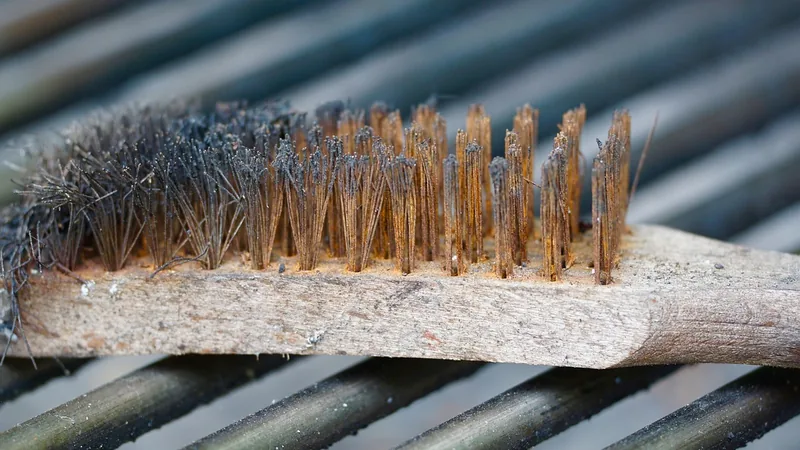
Blasting with sand or other abrasives is fast on removable parts, but the dust is the issue. OSHA lists abrasive blasting with sand among the activities that expose workers to respirable crystalline silica dust. Large dry blasting of body panels is a shop job, not a driveway one.
Household remedies: vinegar, baking soda and lemon
We did not find a controlled test of vinegar, baking soda or lemon juice on car rust, so we are not putting effectiveness numbers on them. What the sources do say is consistent: vinegar is a mild acid that needs hours of soaking, which makes it a fit for small hardware and not for a panel, and Bob Vila’s rust-remover test did not include it. Do not use any acid on painted body panels, because it can dull and strip paint, and rinse and dry metal well afterward.
Electrolysis: for parts that come off the car
Electrolysis uses a washing-soda bath and a battery charger to pull rust off a steel part. It suits only removable steel parts, and it needs real precautions. The process gives off hydrogen, which is flammable, so run it outdoors or in a well-ventilated area, away from sparks and pilot lights. The bath conducts electricity, so unplug the charger before reaching in, and keep the electrodes from touching the part or the tub. Use plain steel for the anode, not stainless steel, because stainless can release chromium compounds into the bath.
What every method leaves behind
Removing rust does not fix the metal, it exposes it. Bare steel can start to flash-rust again within hours, faster in humid air, so the plan has to include a primer. Evapo-Rust’s own listing says to protect the metal with a corrosion inhibitor after rinsing, and a self-etching primer or rust-inhibiting primer does the same job on a panel. For a spot on a painted panel, finish with matching paint such as a touch-up paint kit.
Dealing With Deep Rust
If the metal is soft, holed, or flexes when you press it, removal is no longer the job: the damaged metal has to be cut out and replaced, which is panel repair. That is a pro job when the rust is in a structural area, such as the frame rails, subframe, suspension mounting points, rocker panels or seat-belt anchors. If you cannot tell whether an area is structural, assume it is and get it inspected before you drive the car.
Cutting Out Rust
On a non-structural panel such as a fender lower, rusted metal is cut back to clean steel with an angle grinder and cut-off wheel. Wear a face shield, gloves and a respirator, and keep the area clear of fuel lines and wiring. Anything left rusty under the repair will come back through it.
Welding Techniques
A patch of the same gauge steel is welded in with short tack welds so the panel does not warp from heat. Welding near fuel lines or tanks and welding structural metal are both jobs for a qualified shop. See our stopping-the-spread guide for how to tell when rust has become a structural problem.
Applying Rust Converter
Converters change remaining rust into a stable coating that primer can bond to. They fit areas that are hard to strip fully, such as underbody seams and frames that a pro has judged sound. Wire-brush loose rust and flaking paint first, apply a thin even coat by brush or spray, and let it cure according to the can before priming. Read the maker’s safety data sheet: the aerosol versions are flammable, and the SDS lists the hazards for that exact product.
Priming And Painting
Primer is what makes the removal last. Apply thin coats of primer within the time the label allows, instead of leaving bare steel overnight.
Choosing The Right Primer
Use a self-etching primer on bare steel after removal, and a rust-inhibiting primer over a cured converter. Check the label for the paint system you plan to use.
Painting Tips
Spray in thin coats at the distance on the can, match the paint code from the door jamb sticker, and finish with a clear coat. Wear a respirator while spraying.
Preventing Future Rust
Wash the car regularly in winter and rinse the undercarriage after driving on salted roads. Fix paint chips before they spread, and consider a rubberized undercoating on wheel wells and underbody areas that are clean and rust-free first.
Frequently Asked Questions
What Is The Easiest Way To Remove Rust From A Car?
For loose surface rust on a panel, the easiest route is a wire brush or sandpaper to knock off flakes, then a rust converter or a rust-inhibiting primer over what is left. For rusty parts you can unbolt, the least effort is a chelator soak such as Evapo-Rust: submerge, wait, rinse and dry. Either way, prime promptly, because bare metal rusts again.
Does WD-40 Remove Rust From Car Paint?
WD-40 Original is a lubricant and water displacer and does not dissolve rust. WD-40 Specialist Rust Remover Soak is a separate product; its listing describes it as a soak that removes rust without acids, intended for parts rather than painted body panels. Neither replaces sanding, priming and painting on a body panel.
What Is The Best Rust Remover For Cars?
It depends on where the rust is. For parts you can remove, a chelator soak such as Evapo-Rust leaves bare metal with little effort. For a panel or frame that stays on the car, a rust converter or a phosphoric-acid gel (used only on bare steel, per its label) is more practical. A wire brush or sandpaper comes before either one. Read the maker’s data sheet for the exact product.
What Is The Fastest Way To Fix Rust On A Car?
Mechanical removal is fastest for light rust: a wire wheel or flap disc strips loose rust in minutes, but it creates dust and sparks and removes paint with it. Acid gels are described as working within minutes on small spots, but they need rinsing and care around paint and trim. Whatever you choose, the repair is not finished until the bare metal is primed.
Can You Remove Rust From A Car Yourself?
Surface rust and light scale on non-structural panels and removable parts are realistic DIY jobs with the right gloves, eye protection and respirator. Rust that has made holes, or rust on the frame, subframe, suspension mounting points or other structural areas, is a job for a qualified body or frame shop. If you are unsure whether an area is structural, have a professional look at it.
Is It Worth Fixing Rust On A Car?
Surface rust is worth treating early because it is the cheapest stage to stop. Whether penetrating rust is worth repairing depends on the car’s value and where the rust is. Rust in structural areas is a safety issue regardless of value, so get a professional assessment before deciding. Our guide to how to fix rust on a car covers repair levels in more detail.
Conclusion
Pick the method by location: soak or electrolyze what you can unbolt, brush or sand what stays on the car, convert only what you cannot strip, and hand structural rust to a professional. Whatever you choose, the bare metal needs primer soon, and your lungs, eyes and skin need real protection from dust, acids and old paint.
Products related to this article
Sponsored / affiliate links. As an Amazon Associate I earn from qualifying purchases. I may earn additional commission from eligible campaigns.