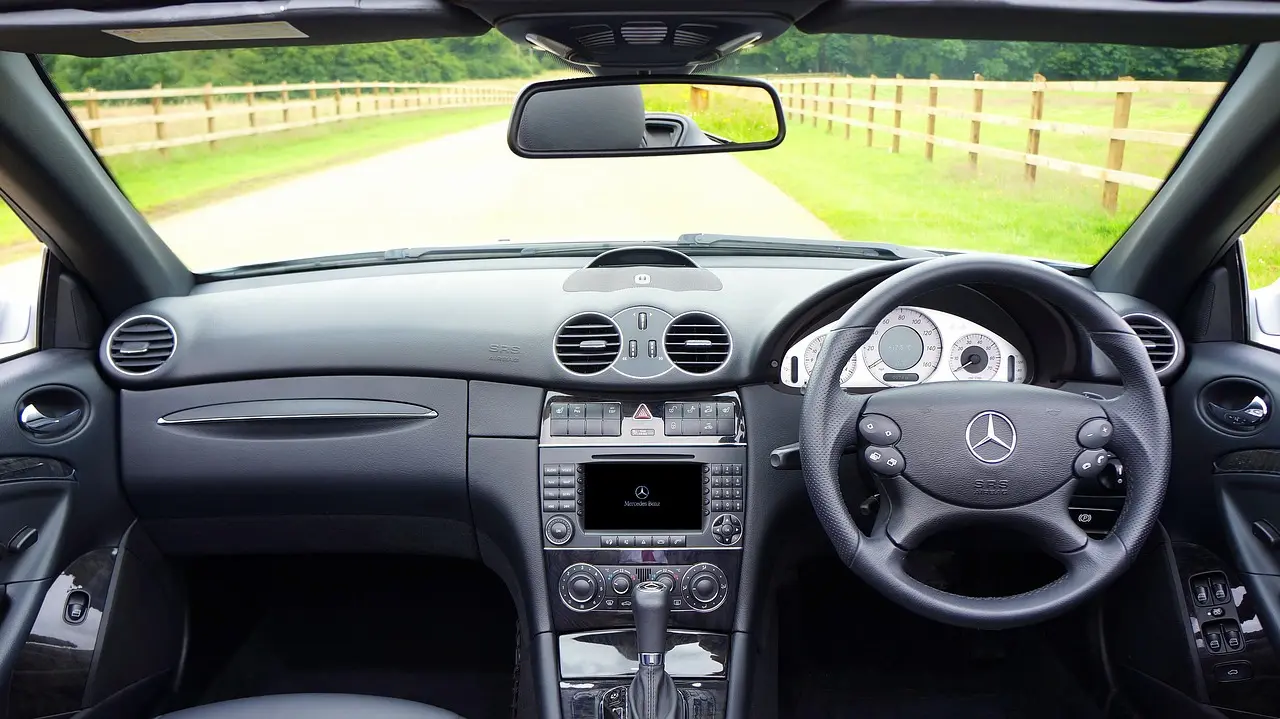
Steering Wheel for Car: Tested & Reviewed (3 Picks)
The best steering wheel for most buyers is an OEM-spec replacement for daily driving, a hub-compatible 320–350 mm wheel for street builds, and a quick-release wheel only for track-focused cars with the right airbag, horn, and hub fitment. Get fitment wrong, and you can lose airbags, trigger warning lights, or buy a wheel that will not bolt to your column. This guide compares three picks by use case, fitment risk, and install complexity so you can buy the right wheel the first time.
Top picks by use case and Fitment


For most drivers seeking an OEM replacement, the GM Genuine Parts 85739720 is often the top pick, since vehicle-specific engineering matters more than style when factory fit, horn integration, and airbag-compatible architecture are priorities. For aftermarket street use, the Grant 415 Challenger is a street-friendly aftermarket pick; for universal builds, the RASTP wheel fits the usual racing pattern but still requires the right hub adapter.
Quick picks by use case
| Best for | Pick | Key spec | Fitment note |
|---|---|---|---|
| OEM replacement | GM Genuine Parts 85739720 | Jet black finish; 18.3 x 18.3 x 6.0 inches; 4.9 pounds | Vehicle-specific engineering for Chevrolet, Buick, GMC, and Cadillac applications |
| Daily street use | Grant 415 Challenger | 13 1/2 inch diameter; 2 1/4 inch dish; foam grip; silver satin steel spokes | Street-friendly size, but fit depends on the correct hub and column application |
| Universal racing-style build | RASTP universal racing wheel | 345 mm / 13.58 inch; 6-bolt pattern; suede wrap; aluminum frame | Hub adapter is not included, so install depends on vehicle-specific hardware |
GM Genuine Parts 85739720 review
The GM Genuine Parts 85739720 is the safest choice when you want a factory-style replacement instead of a conversion. GM says the part is backed by General Motors, and its fit is tied to specific Chevrolet, Buick, GMC, and Cadillac applications rather than a universal bolt-on pattern.
Fitment and OE compatibility
This wheel belongs in the OEM replacement lane. That matters because factory steering wheels often carry airbag, switch, horn, and trim interfaces that aftermarket wheels do not duplicate. The listed size is 18.3 x 18.3 x 6.0 inches, and it weighs 4.9 pounds, which fits the profile of an OE-style part rather than a stripped racing wheel.
If you need the original wheel style for a restoration, lease return, or repair where the factory controls must stay intact, this is the type of part to start with. It avoids the adapter math and wiring guesswork that come with universal swaps.
Who should buy it?
Buy this if your priority is direct replacement, original steering-wheel behavior, and a setup that stays close to the car’s factory safety and control layout. It is the better answer when the question is compatibility first and appearance second.
Suppose your daily driver has worn leather, but the airbag and steering-wheel buttons still need to work exactly as designed. A vehicle-specific OEM wheel is the least complicated path, because it keeps the column, electronics, and trim logic aligned with the car.
Main install risks
The main risk is assuming all GM wheels are interchangeable. Vehicle-specific parts can still differ by year, trim, or control layout, so column fit, connector shape, and button integration must be checked before ordering. If the wheel includes airbag-related hardware, never assume a non-OE part will match the original system.
Grant 415 Challenger review
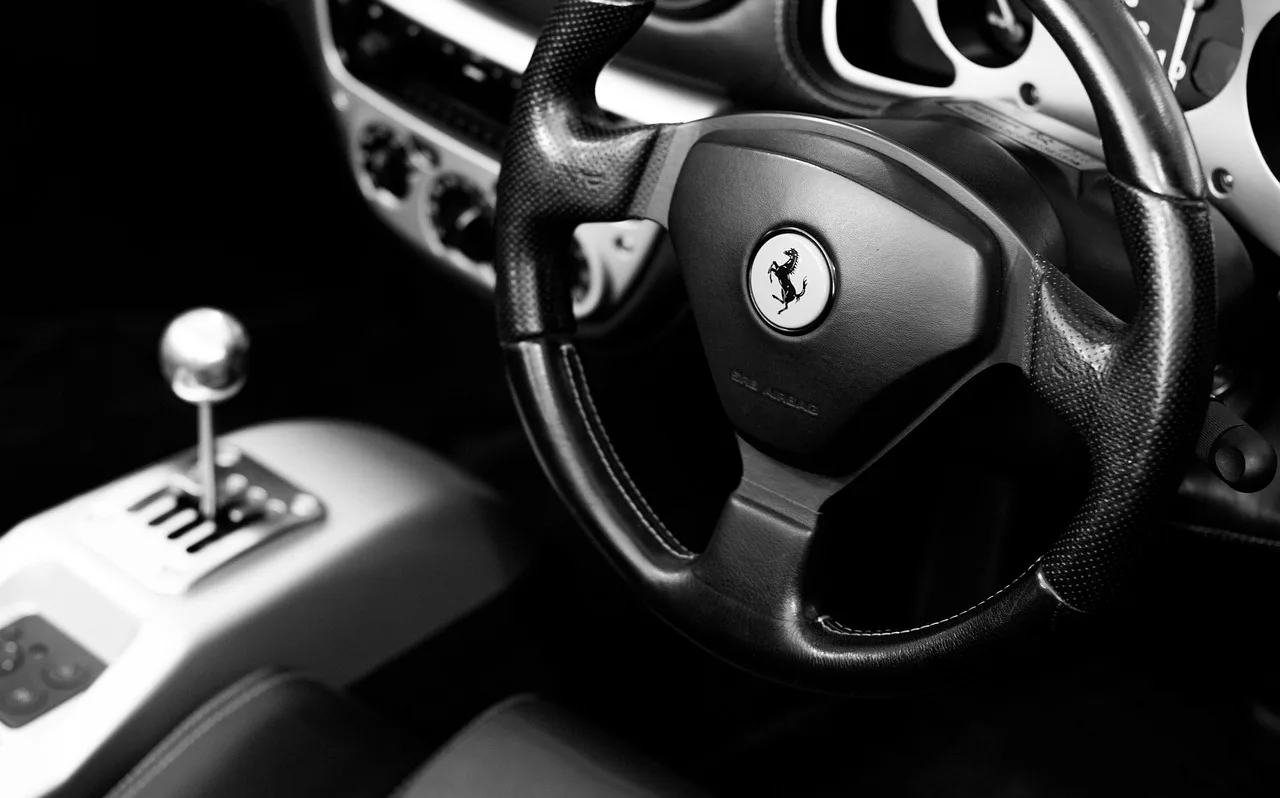
The Grant 415 Challenger is the best street-friendly aftermarket pick here because its size and dish split the difference between stock comfort and a more connected feel. It uses a 13 1/2 inch diameter wheel and a 2 1/4 inch dish, which moves the rim closer to the driver than a flat wheel.
Diameter and dish depth
A 13 1/2 inch wheel is smaller than many factory wheels, so steering feel tends to quicken slightly because you need less hand travel for the same steering input. The 2 1/4 inch dish adds reach and changes the driving position, which can help if the wheel sits too far away in a classic or modified cabin.
That deeper offset is useful, but it also changes clearance. If your knees, stalks, or dash controls are already close, dish depth can matter as much as diameter.
Grip feel and materials
The Grant uses a black cushioned foam grip and silver satin steel spokes. Foam can feel forgiving on longer street drives, and it usually stays more comfortable to the touch than bare metal. The tradeoff is durability: foam can wear, compress, or get slick sooner than leather or OE trim materials.
For a car that sees regular driving rather than track abuse, foam makes sense. For a build that lives in heat, sun, and constant hand contact, it is worth thinking about how the surface will age.
Best use case and tradeoffs
This wheel suits a driver who wants a street-oriented aftermarket wheel with a classic look and a more compact diameter. It is not the best answer if you need factory airbag retention or want to preserve every OE control function without adaptation.
A common first-timer mistake is buying a 13 1/2 inch wheel for a tight cabin and then finding that the new rim improves steering quickness but crowds the turn-signal stalk. Diameter and dish should be judged together, not separately.
RASTP universal racing wheel review
The RASTP universal racing wheel is the best fit for a universal aftermarket build that already has the right hub plan. It measures 345 mm, or 13.58 inches, uses a 6-bolt setup, and features a suede-wrapped aluminum steering wheel frame. The hub adapter is not included.
6-bolt fitment and hub adapter need
This wheel is not a plug-and-play replacement for most cars. Universal wheels commonly need a hub adapter to match the vehicle’s spline and column design, and the adapter also helps align the bolt pattern. Without that adapter, the wheel may not mount at all.
That is the key fitment risk with universal wheels: the wheel itself may fit a standard racing pattern, but the car still needs the correct hub, bolt spacing, and often separate horn wiring solutions.
Suede grip and daily-use limits
Suede gives a high-grip feel, especially with gloves, which is why it appears often in track-style wheels. The drawback is wear. Suede can polish smooth over time, absorb oils, and demand more care than leather, foam, or OE trim.
For a weekend or track-focused build, that tradeoff is acceptable. For a commuter that sees coffee, rain, and daily hand oils, suede takes more maintenance than many owners expect.
Best use case and install risk
This wheel is best for a track-style or modified car where the owner already knows the hub, horn, and wiring plan. It is a poor choice if you want a straightforward replacement or if the original airbag system needs to remain intact.
The biggest install risks are the wrong spline, the wrong hub, missing horn wiring, and airbag deletion issues on non-OEM swaps. Those failures are more common than bad wheel quality.
What size steering wheel should you choose?

For daily driving, a wheel in the common 13.5 to 15 inch range usually offers a practical balance of steering effort, response, and clearance. Smaller wheels quicken the feel, but they also reduce leverage. Larger wheels increase leverage and can feel easier at parking speeds, but they may slow hand movement and crowd the cabin.
How diameter changes steering effort
Diameter changes leverage. A larger wheel gives your hands more radius to work with, so steering effort drops, especially at low speed or without power assist. A smaller wheel reduces leverage, so the steering can feel heavier even if the rack itself has not changed.
That is why a 13 1/2 inch wheel often feels more direct than a factory wheel. It gives less steering assistance, but it usually rewards the driver with quicker input.
How diameter affects clearance and control feel
Smaller wheels can improve leg clearance and help the gauge cluster stay visible, but they can also make the steering feel busier on long drives. Larger wheels can improve comfort for casual cruising, yet they may hit knees or reduce room around stalks and buttons.
If the car has a deep dashboard or low seat position, a larger wheel may be fine. If the cabin is tight, a smaller diameter can make the driving position much easier to live with.
When smaller or larger makes sense
Choose smaller if you want quicker response, more knee room, and a sportier feel. Choose larger if you want easier parking maneuvers, more leverage, or a setup that keeps the car closer to factory behavior.
Think in use cases, not trends. Street cars usually prefer moderate diameters; track builds can go smaller; restorations often stay with OE size unless the original wheel is uncomfortable or damaged.
Steering wheel fitment matrix
This matrix puts fitment risk and use case ahead of appearance. That is the right order, because the wheel has to fit the column, the hub, and the driver before it can improve the car.
| Pick | Diameter | Dish depth | Bolt pattern | Hub adapter needed | Best use case | Common install risk |
|---|---|---|---|---|---|---|
| GM Genuine Parts 85739720 | Vehicle-specific | OE-style depth | Vehicle-specific | No, for the intended OEM application | Factory replacement, restoration, OE control retention | Wrong trim level, wrong year, or connector mismatch |
| Grant 415 Challenger | 13 1/2 inch | 2 1/4 inch | Aftermarket wheel pattern, column dependent | Yes, for most non-OEM installs | Street driving, classic builds, mild sport upgrade | Incorrect hub, poor clearance, horn wiring mismatch |
| RASTP universal racing wheel | 345 mm / 13.58 inch | Shallow to moderate, depending on hub | 6-bolt | Yes; not included | Track-style or universal aftermarket build | Wrong spline, missing adapter, airbag and horn issues |
How to choose the right wheel
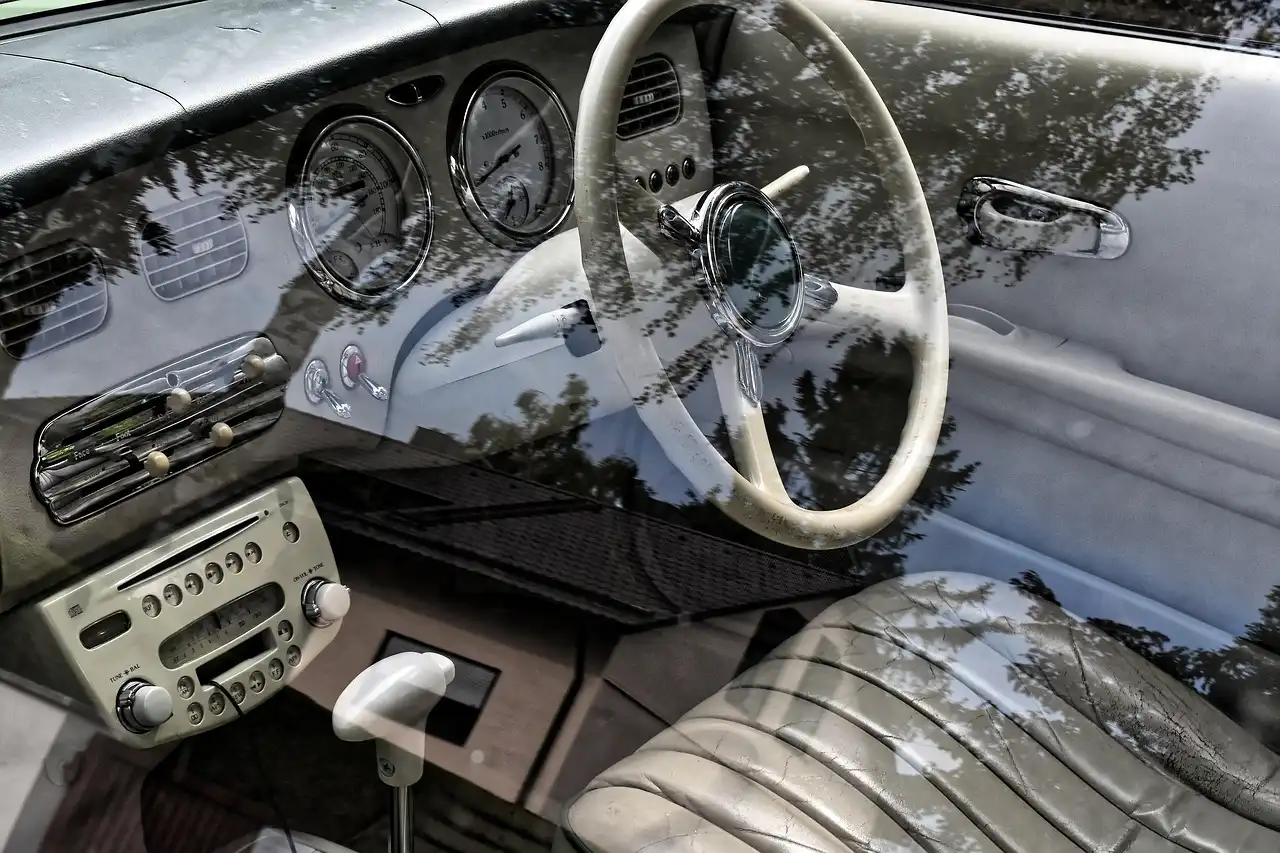
Choose OEM replacement if you need factory compatibility, airbag continuity, and the least installation risk. Choose a universal aftermarket wheel only if you have already confirmed the hub adapter, bolt pattern, and wiring path. Choose the wheel size and dish around the driving position you want, not the look you want.
OEM replacement versus universal aftermarket
OEM replacement works best when the vehicle needs direct compatibility with factory controls and safety equipment. Universal aftermarket works best when the car is being converted for a different driving use and the owner is prepared to source the right hub and wiring pieces.
That separation matters. A universal wheel may fit many cars in theory, but in practice the hub adapter and wiring determine whether it actually works in your car.
Flat versus deep dish
A flat wheel keeps the rim close to the spoke plane and usually preserves a more factory-like reach. A deep-dish wheel moves the rim toward the driver, which can improve reach and hand placement, especially in older cars or cockpit-style builds. It can also change how your arms sit relative to the dash.
For daily driving, a moderate dish usually feels easiest to live with. For a custom cabin or a car with a long reach to the wheel, deeper dish can help a lot.
Grip material and long-term durability
Suede gives high grip but asks for more care. Foam is comfortable and light, but it can age faster than leather. Leather and OE trim usually hold up better in daily use, especially when sunlight, temperature swings, and constant hand contact are part of the routine.
If the car is a commuter, durability matters as much as touch. If it is a weekend or track car, grip may matter more than long-term surface wear.
Airbag, horn, and wiring considerations
Airbag deletion is commonly the biggest safety and legal concern on non-OEM swaps. Horn wiring is the next most common problem, followed by the wrong hub or spline. Before buying, confirm whether the wheel uses a vehicle-specific connector, whether the horn circuit needs an adapter, and whether the car can legally run without the original airbag system.
Say your car needs a 6-bolt wheel but the column requires a specific hub spline. If you order the wheel first and the hub second, you can end up with parts that look compatible but will not mount together. The fix is planning the column hardware before the wheel arrives.
Frequently asked questions
What is the best steering wheel for a car?
The best steering wheel depends on the job. For most daily drivers, an OEM-spec replacement is the safest choice. For street builds, a 320–350 mm aftermarket wheel with the correct hub can work well. For track use, a universal racing wheel makes sense only when the hub, wiring, and safety setup are already sorted.
Are universal steering wheels compatible with my car?
Sometimes, but not directly. Universal steering wheels usually need a vehicle-specific hub adapter, and the bolt pattern must match the adapter or quick-release setup. They also may not carry over factory wiring for horn functions or airbag systems, so compatibility is more than just physical diameter.
Do I need a hub adapter for an aftermarket steering wheel?
In most cases, yes. A hub adapter bridges the car’s steering column spline to the aftermarket wheel’s mounting pattern. Without it, many universal wheels will not bolt on correctly. The adapter also affects wheel offset, so it can change reach and clearance in the cabin.
What size steering wheel should I choose for daily driving?
For daily driving, a moderate wheel in the common 13.5 to 15 inch range is usually the easiest compromise. Smaller wheels feel quicker but can require more steering effort. Larger wheels feel easier at low speed but may reduce leg room or make the steering slower to respond.
What is the difference between a deep dish and flat steering wheel?
A flat wheel sits closer to the spoke plane, while a deep-dish wheel pushes the rim toward the driver. Deep dish can improve reach and hand position, especially in older or modified cars. Flat wheels usually preserve more factory-like clearance around knees, stalks, and dashboard controls.
Which steering wheel is best for OEM replacement vs racing use?
For OEM replacement, the GM Genuine Parts 85739720 is the right type of pick because it is vehicle-specific and intended for factory-style fitment. For racing use, the RASTP universal wheel is the more relevant choice because it uses a 6-bolt pattern and a suede-wrapped aluminum frame, but it needs the right hub hardware.
How much does a steering wheel cost?
In the wider category reviewed here, reported prices ran from $19.67 to $430.86, with an average of $94.72 across the analyzed set. That spread reflects the difference between simple universal wheels, OE-style replacements, and more specialized parts with extra fitment or material detail.
What features matter most in a steering wheel: grip, diameter, or dish?
Fitment comes first, then diameter, then dish, then grip material. If the wheel will not mount correctly, the rest does not matter. After that, diameter shapes steering effort and response, dish changes reach, and grip material affects comfort, wear, and how the wheel feels after months of use.
Products related to this article
Sponsored / affiliate links. As an Amazon Associate I earn from qualifying purchases. I may earn additional commission from eligible campaigns.