Rat Fink Decals for Cars: Best Picks and Hot Rod History
The best Rat Fink decals for cars are licensed, period-correct die-cuts in 4- to 12-inch sizes, with white or black borders for older hot rod styling; for most builds, 6 inches is the safest all-around pick. Buy the wrong size or art style, and the car looks generic instead of period-correct. This guide ranks decal types by authenticity, placement, and price, then links each choice to Ed Roth’s real custom-car history.
Small and large rat Fink decal choices



Start with what the decal will do on the car. Small pieces fit glass, toolboxes, and trim without taking over the panel, while larger graphics belong on quarter panels and door areas where they can follow the sheet metal. Size and period-correct style should be judged together.
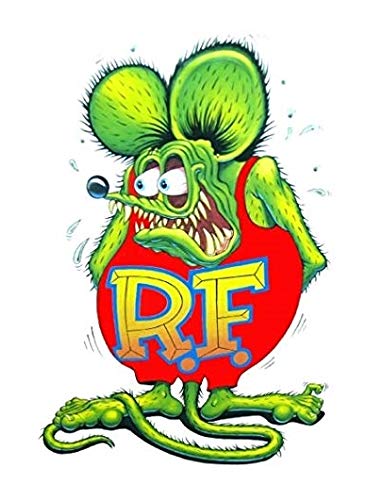
Rat Fink is an Ed “Big Daddy” Roth creation tied to hot rods and kustom kulture. The character began as a green, gear-head rat who drove hot rods and motorcycles, then spread onto cars, T-shirts, posters, and model kits. That history matters because the best decal choices still borrow the same offbeat, garage-built attitude.
Small decal picks by window and toolbox use
Small decals work best when you want the art to read at close range without taking over the panel. Clay Smith Cams sells a small Rat Fink decal sized 2-1/2″ x 3-3/4″, which is a practical fit for side glass, a rear quarter window, or a toolbox lid. It is also the least risky choice for cars with limited flat space.
For a subtle hot rod cue, a small decal usually looks more period-correct on a 1950s build than a larger graphic. That smaller footprint echoes the way hot rod graphics often appeared as accessories, shop identity markers, or window dressings instead of billboard-sized body art.
Large decal picks for quarter panels and body sides
Large decals suit broader panels that can carry the character’s outline without crowding the body line. Clay Smith Cams sells a large black-and-white Rat Fink decal sized 4″ x 6″, and a large purple Rat Fink sticker sized 5″ x 7″. Both are better choices for quarter panels, truck bedsides, or a wide rear glass.
A large decal can also make the art read from a distance, which is useful on cars with simple paint. If the body already has pinstriping, multiple emblems, or a lot of chrome trim, keep the Rat Fink graphic to one panel so the car does not look cluttered.
Color and style differences buyers will notice
Color shifts the whole feel of the decal. Black and white reads closest to the older hot rod image, while green connects more directly to Rat Fink’s original look. Purple is less period-plain, but it still fits the character’s wild, custom-car side when you want a louder accent.
Mooneyes decals belong in the same visual family. Mooneyes sells a 3-inch yellow eyeball logo decal, a 5-inch yellow eyeball logo decal, and assorted sticker sheets in an official vinyl peel-and-stick format. That eyeball logo has the same shop-built, speed-parts feel that Rat Fink buyers usually want.
Rat Fink decal buyer matrix
This matrix sorts the main decal choices by size, placement zone, price band, best-fit vehicle type, and authenticity note. Use it to narrow the field before you decide whether you want a quiet window decal or a bigger body-panel graphic.
| Pick | Size | Placement zone | Price band | Best-fit vehicle type | Authenticity note |
|---|---|---|---|---|---|
| Clay Smith Cams small Rat Fink decal | 2-1/2″ x 3-3/4″ | Side window, rear glass corner, toolbox | $4 | Hot rod, street rod, shop truck | Licensed art with a compact layout that suits older hot rod styling. |
| Clay Smith Cams large black-and-white Rat Fink decal | 4″ x 6″ | Quarter panel, rear glass, door insert | $6 | Traditional kustom, mild custom, coupe | Black-and-white art is one of the most period-friendly looks for a 1950s-inspired build. |
| Clay Smith Cams large purple Rat Fink sticker | 5″ x 7″ | Body side, truck bedside, garage panel | $6 | Custom cruiser, show car, chopped sedan | Same core character, but the color pushes it toward a louder 1960s-style custom vibe. |
| Clay Smith Cams green Rat Fink decal | Small format | Window, toolbox, dash panel | $4 | Period hot rod, shop car, model display board | Green ties closest to the character’s original description and looks the most on-theme. |
| Mooneyes 3-inch yellow eyeball logo decal | 3-inch | Glass corner, interior trim, small panel | Check the listing | Roadster, coupe, pickup with limited flat space | Official vinyl peel-and-stick format; good companion piece when you want Roth-era shop style without a big character graphic. |
| Mooneyes 5-inch yellow eyeball logo decal | 5-inch | Quarter window, rear glass, body panel | Check the listing | Street rod, mild custom, drag-inspired build | Still period-friendly, but the larger size needs a flatter panel for the logo to read cleanly. |
| Mooneyes assorted sticker sheets | Assorted | Toolbox, interior trim, notebook, window strip | Check the listing | Any hot rod with multiple small accent spots | Best when you want several small graphics that match the same hot rod and kustom kulture mood. |
What size Rat Fink decal should you buy for your car?
Choose the smallest size that still reads from the distance you want. A 2-1/2″ x 3-3/4″ decal works for close-up accents, a 4″ x 6″ graphic is a balanced all-round size, and a 5″ x 7″ piece suits wider body panels. For most cars, the middle size is the safest starting point.
3-inch and smaller decals
Small decals are best when you want the graphic to feel like a period accessory, not the main event. They fit side glass, rear glass corners, toolboxes, and small dash trim. That makes them a practical choice for cars with tight bodywork or busy paint.
Say your coupe has a narrow rear quarter window and a lot of chrome around the opening. A small Rat Fink decal gives you the character without crowding the frame, while a larger piece can start to look oversized.
Mid-size decals for glass and trim
Mid-size decals are the easiest pick for most buyers. They give the Rat Fink art enough room to show the full figure while still fitting common car surfaces such as rear glass, quarter windows, and inner trim panels. They also tend to look closest to vintage sticker placement.
A 4″ x 6″ decal is the clearest example of this middle ground. It is large enough to be visible on a parked car, but not so big that it overwhelms a stock-style body.
Large decals for body panels
Large decals belong on flatter, wider areas where the graphic can breathe. Quarter panels, truck bedsides, and door sections work better than curved fenders or narrow pillars. A 5″ x 7″ Rat Fink sticker is more likely to look right there than on a small glass pane.
A common first-timer mistake is placing a large decal on a panel with too much curvature. The edges lift sooner, and the art can look distorted. Keep the biggest graphics for broad, clean sections of sheet metal.
Are official Rat Fink stickers available in different colors?
Yes. Official and licensed Rat Fink stickers are available in different colors, and that matters for period style as much as personal taste. Clay Smith Cams lists small versions, large black-and-white versions, and a large purple version, while the Rat Fink image itself is closely tied to green.
Black and white versions
Black and white is the safest pick if you want a classic hot rod look. It reads like old shop art, survives changing paint colors, and usually looks right on nearly any vintage build. It is the best choice for buyers who want the decal to feel old-school without looking loud.
Green versions
Green is the closest color cue to Rat Fink’s original image as a green, gear-head rat who drove hot rods and motorcycles. If you want the decal to feel tied directly to the character’s roots, green is the most on-theme choice. It works especially well on darker paint or simple primer-style cars.
Purple versions
Purple pushes the character toward a wilder custom-car look. That makes it a better fit for show cars, heavily customized builds, or cars that already use bright accent colors. It is less restrained than black and white, but it still belongs in the same Roth-era visual world.
Rat Fink hot rod history
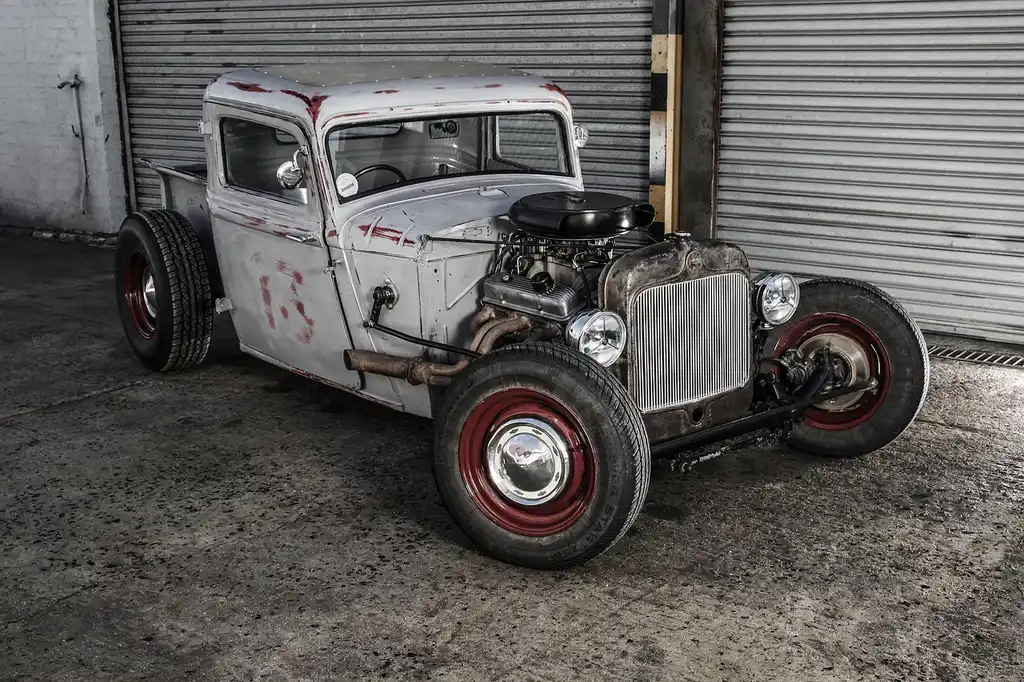
Ed Roth built Rat Fink into more than a cartoon character. The image emerged in 1958, and by the August 1959 issue of Car Craft magazine, Roth’s designs had entered the hot rod mainstream. That timing explains why Rat Fink still feels tied to genuine garage culture instead of later nostalgia.
Ed Roth and the Rat Fink character
Roth was an artist and custom car builder associated with Rat Fink and “Weirdo” shirts. His work in the late 1950s and 1960s mixed hot rods, cartoon exaggeration, and outsider humor in a way that made the art instantly recognizable. That style is what buyers are trying to echo when they choose a decal.
The Sacramento History Museum notes that Rat Fink became synonymous with hot rod culture and appeared on cars, T-shirts, and toy models. That broad use is the reason the character still works on a window decal today.
Weirdo shirts, posters, and model kits
Rat Fink did not stay on body panels. Roth’s art spread through shirts, posters, and model kits, which kept the character visible to hobbyists even when the car itself was parked. That wider merchandise trail is why period-correct decals often borrow the same bold outline and simple color blocking.
The model-kit connection matters too. If a decal looks too polished or too modern, it can feel out of step with the rough, hand-drawn style that defined the Roth era.
Why The Outlaw matters
The Outlaw is a useful period anchor because it was created in 1959 and had a complete fiberglass body. It was featured in the January 1960 issue of Car Craft, which places Roth’s custom-car work squarely in the moment when Rat Fink moved from oddball art into mainstream hot rod culture.
That matters for buyers because it separates authentic-looking Roth-era graphics from generic monster art. If the decal style feels too clean or too modern, it drifts away from the same custom-car era that made Rat Fink famous.
What makes an authentic Rat Fink decal?
An authentic Rat Fink decal is licensed, matches Roth-era styling, and is made as a vinyl peel-and-stick graphic. The graphic should look like a real hot rod decal, not a random cartoon rat. Period feel comes from the line work, color choices, and placement on the car.
Licensed art and period-correct style
Licensed art matters because it usually follows the character’s known proportions and visual cues more closely than generic copies. Period-correct style usually means a rougher, older hot rod look, often with simple outlines, limited color, and a graphic that feels at home on a 1950s or 1960s build.
Vinyl peel-and-stick construction
Rat Fink car decals are vinyl peel-and-stick graphics, usually die-cut or printed. That format matters because it is what lets the art sit cleanly on window glass, body panels, or interior trim without the thickness of a badge or emblem.
How to spot generic lookalikes
Generic copies often miss the body shape, the eyes, or the period attitude. They may use cleaner outlines, odd proportions, or colors that do not fit the original character. If the art looks more like modern clip art than a Roth design, it is probably not the right choice for a period build.
- Match the artwork to the car’s era, not just the name Rat Fink.
- Choose a size that fits the surface without wrapping around a curve.
- Prefer licensed or official vinyl decals when period accuracy matters.
- Use black-and-white for the most classic hot rod look.
- Use green if you want the closest visual link to the original character.
Where should a Rat Fink decal be placed on a hot rod?
Place the decal where the graphic follows the body line and stays readable at normal viewing distance. Windshields and rear glass work for smaller decals, quarter panels work for mid-size graphics, and toolboxes or interior trim suit the smallest accents. Avoid curved edges that can distort the art.
Windshield and rear glass
Windshield corners and rear glass are the best places for smaller Rat Fink decals. Glass gives you a flat field, and the graphic can sit close to the edge without fighting trim or body seams. This is also the most common place for a subtle vintage sticker look.
If a rear window has limited space because of defroster lines or trim, a small 2-1/2″ x 3-3/4″ decal will usually fit better than a larger piece and can still keep the hot rod theme intact.
Quarter panels and body sides
Quarter panels and body sides are the right zones for larger Rat Fink graphics. These areas can often carry a 4″ x 6″ or 5″ x 7″ decal without making the car look top-heavy. They also let the character read as part of the body design rather than a tiny add-on.
Toolboxes, panels, and interior trim
Toolboxes, interior trim, and small metal panels are ideal for the smallest decals and the Mooneyes sticker sheets. These spots give you room to add period flavor without committing to a large exterior graphic. They are also useful for shop cars and garage displays.
For owners who want a quiet touch, that is often the best route. One small decal on a toolbox can carry the same Roth-era reference without changing the car’s exterior balance.
Frequently asked questions
What are the best Rat Fink decals for cars?
The best Rat Fink decals for cars are licensed, period-correct vinyl peel-and-stick pieces in sizes that match the surface. For most builds, a mid-size black-and-white decal is the safest all-around choice. It fits common glass and panel areas, and it looks close to the older hot rod style.
What size Rat Fink decal should I buy for my car?
Buy the smallest size that still fits the surface and stays readable. Small decals suit windows and toolboxes, 4″ x 6″ works well for most glass and quarter panels, and 5″ x 7″ is better for wider body sides. If you are unsure, start with the mid-size option.
How much do Rat Fink decals usually cost?
Clay Smith Cams prices the small Rat Fink sticker at $4 and the large versions at $6. That gives buyers a low-cost way to choose between a subtle accent and a larger body-panel piece. Other licensed decals may be priced differently, so check the listing before you buy.
What is the history behind Rat Fink in hot rod culture?
Rat Fink was created by Ed “Big Daddy” Roth and first appeared in 1958 alongside his other grotesque monsters. Roth’s custom-car work helped push the character into the hot rod mainstream by 1959, and the image later spread through cars, T-shirts, posters, and model kits.
What makes an authentic Rat Fink decal different from generic copies?
An authentic Rat Fink decal follows the licensed character art, uses a vinyl peel-and-stick format, and keeps the Roth-era look intact. Generic copies often miss the original proportions or use cleaner, modern artwork. If the graphic feels too polished, it may not fit a period hot rod.
What other Ed Roth or Mooneyes decals fit the same style?
Mooneyes eyeball logos fit the same hot rod world, especially in 3-inch and 5-inch yellow formats. Assorted sticker sheets also work for smaller accents. If you want the same Roth-era flavor without another Rat Fink graphic, those logos are the closest visual match.
Products related to this article
Sponsored / affiliate links. As an Amazon Associate I earn from qualifying purchases. I may earn additional commission from eligible campaigns.