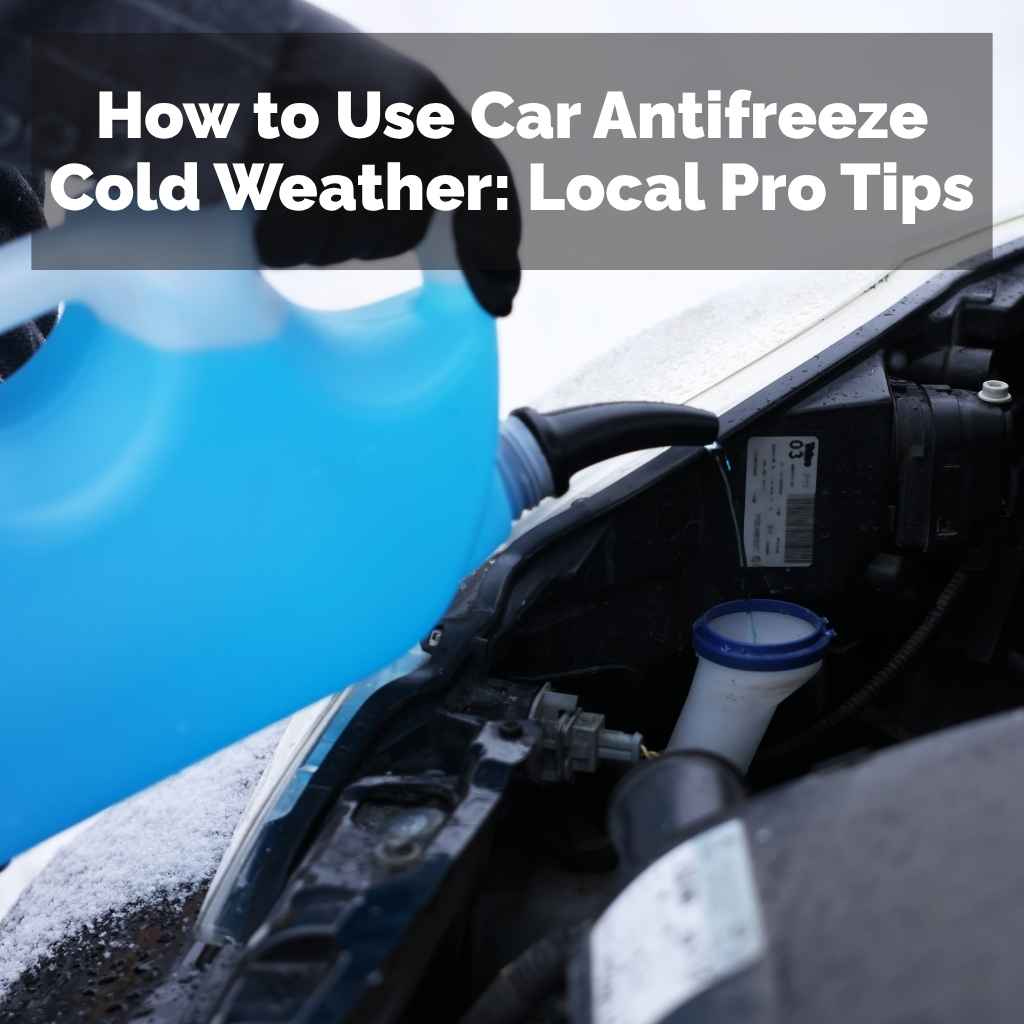
How to Use Car Antifreeze Cold Weather: Local Pro Tips
Keeping your car running smoothly when it’s cold outside can feel tricky. Many folks aren’t sure about the best way to handle their car’s antifreeze. It’s a common question, especially for new car owners.
This guide will make How to Use Car Antifreeze in Cold Weather: Local Pro Tips simple and easy. We’ll walk you through it step-by-step so your engine stays safe and sound.
Why Antifreeze Matters in Winter
Antifreeze, also known as coolant, is a vital fluid for your car’s engine, especially when temperatures drop. Its primary job is to prevent the engine’s cooling system from freezing. If water in the radiator and engine block freezes, it can expand and cause serious damage, leading to costly repairs.
Antifreeze lowers the freezing point of the coolant, keeping it liquid even in sub-zero conditions. It also raises the boiling point, which helps prevent your engine from overheating during warmer days or heavy use. Understanding its role is key to winter car care.
The Science Behind Antifreeze Protection
Antifreeze works by changing the physical properties of water. The most common type of antifreeze is ethylene glycol or propylene glycol mixed with water. Ethylene glycol is more toxic but offers excellent freeze protection.
Propylene glycol is less toxic, making it a safer choice for the environment and for households with pets, though it may not offer quite the same level of performance in extreme cold. When mixed with water, these glycols significantly lower the freezing point of the solution. For example, a 50/50 mix of antifreeze and water can protect your engine down to -34 degrees Fahrenheit (-36 degrees Celsius).
This freezing point depression is due to a colligative property of solutions. Colligative properties depend on the number of solute particles in a solvent, not their identity. When glycol molecules are added to water, they interfere with the water molecules’ ability to form a crystal lattice structure, which is what happens when water freezes.
This interference requires a much lower temperature for the solution to freeze.
Furthermore, antifreeze contains additives that prevent corrosion and rust within the cooling system. These additives form a protective layer on metal surfaces, shielding them from chemical reactions that can degrade engine components over time. Without these additives, the cooling system would be vulnerable to damage from both freezing and the natural corrosive processes within an engine.
Freeze Protection: The main function is to stop the coolant from freezing. Water expands when it freezes, which can crack engine blocks or radiators. Antifreeze stops this expansion.
When water freezes, its molecules arrange themselves into a rigid crystal structure. This structure takes up more space than liquid water. In the confined spaces of an engine’s cooling system, this expansion can exert immense pressure, easily exceeding the strength of metal components.
Antifreeze disrupts this ordered structure, making it harder for ice crystals to form and grow.
Boiling Point Elevation: Antifreeze also raises the boiling point of the coolant. This is important for preventing your engine from overheating, especially in hot weather or during demanding driving conditions.
The presence of glycol molecules in water also hinders the process of vaporization. This means the coolant can reach higher temperatures before it starts to boil and turn into steam. Steam pockets in the cooling system can be inefficient at transferring heat, potentially leading to hot spots and overheating.
A higher boiling point ensures the coolant remains liquid and effective at managing engine heat.
Corrosion Inhibition: Modern antifreeze formulas include special additives that protect your cooling system’s metal parts from rust and corrosion.
These corrosion inhibitors work in several ways. Some form a protective film on metal surfaces. Others neutralize acidic byproducts of combustion that can enter the cooling system.
This protection is crucial for the longevity of radiators, water pumps, thermostats, and engine components made of aluminum, cast iron, and other metals. Without these inhibitors, the cooling system would degrade much faster.
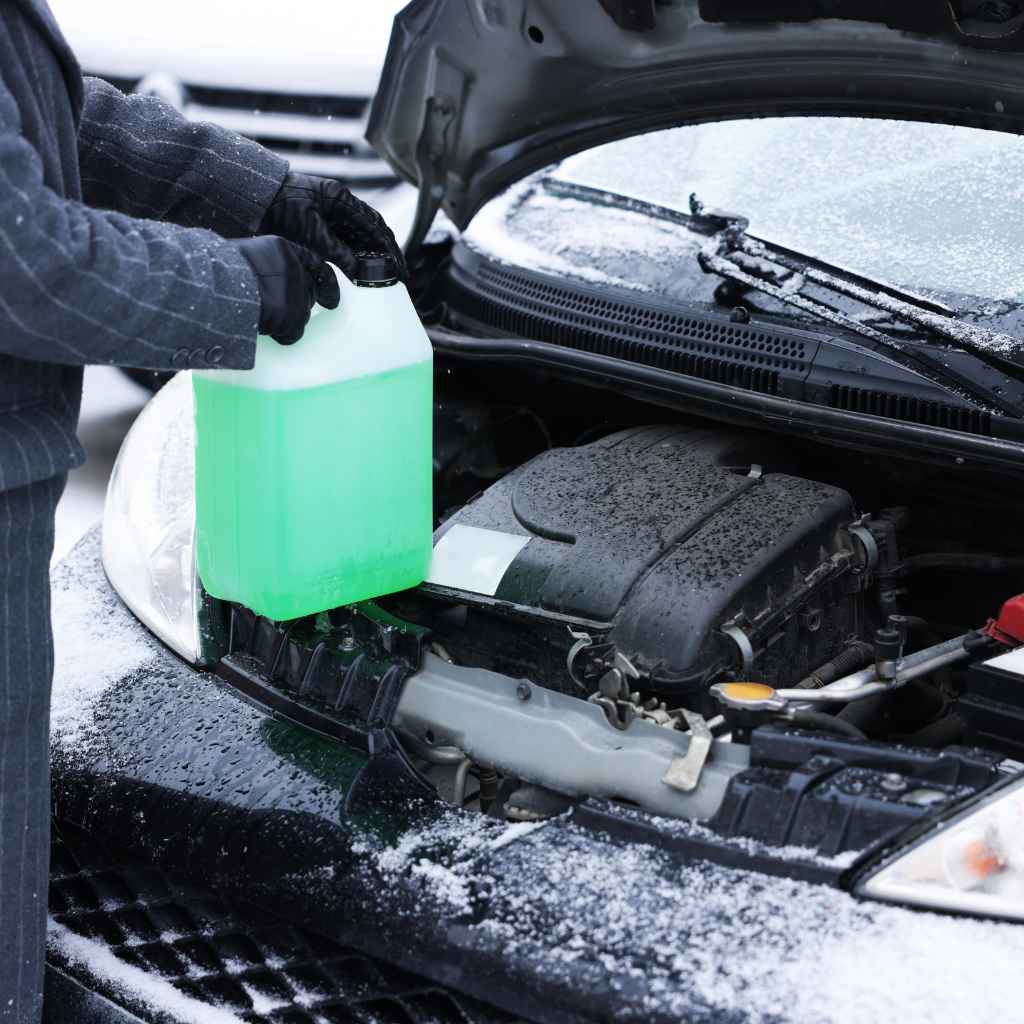
How to Use Car Antifreeze in Cold Weather Pro Tips
Knowing how to use car antifreeze correctly is crucial for protecting your vehicle during winter. It’s not just about pouring it in; the mix ratio and type are important. Many drivers make the mistake of using straight antifreeze or just plain water, neither of which is ideal for cold weather.
A proper mix ensures both freeze protection and optimal cooling performance. We’ll cover the essential steps local pros follow to keep engines safe when the mercury drops.
Choosing the Right Antifreeze Type
There are several types of antifreeze available, and using the wrong one can cause problems. The most common types are categorized by color and chemical composition. Historically, green antifreeze was standard, typically containing ethylene glycol.
Newer vehicles often use extended-life coolants (ELCs) which come in various colors like orange, pink, red, or yellow and are usually based on OAT (Organic Acid Technology) or HOAT (Hybrid Organic Acid Technology).
Ethylene glycol is a very effective coolant and provides excellent freeze and boil-over protection. It’s also less expensive. However, it is toxic and requires careful handling and disposal.
Propylene glycol-based antifreeze is less toxic, making it a safer option if spills are a concern, especially for those with pets or children. While it offers good protection, it might not perform as well as ethylene glycol in extremely cold temperatures or at very high heat.
It is extremely important to check your car’s owner’s manual or the label on your current coolant reservoir to determine which type your vehicle requires. Mixing different types of antifreeze can lead to chemical reactions that reduce their effectiveness, cause gelling, and damage your cooling system. If you’re unsure, it’s best to flush the system and refill it with a single type of coolant recommended by the manufacturer.
Color Coding: Antifreeze comes in different colors. Green usually signifies conventional, inorganic additive technology (IAT) coolant. Orange, pink, red, or yellow often indicates extended-life coolants (ELCs) using OAT or HOAT.
The color is primarily for visual identification. However, it’s a good indicator of the coolant’s chemical makeup and intended service life. IAT coolants typically have a shorter lifespan and require more frequent replacement, often every 30,000 miles or two years.
ELCs, on the other hand, are designed to last much longer, often up to 5 years or 150,000 miles, due to their advanced additive packages that are less prone to depletion.
Ethylene Glycol vs. Propylene Glycol: Ethylene glycol offers superior performance in extreme cold and heat but is toxic. Propylene glycol is less toxic and safer but may not be as robust in performance.
The choice between ethylene and propylene glycol often comes down to vehicle specifications and user preference regarding toxicity. For most standard passenger vehicles, ethylene glycol is the default and highly effective. However, for performance vehicles or those driven in exceptionally harsh environments, specific formulations might be recommended.
Always confirm compatibility with your vehicle’s manufacturer.
Extended Life Coolants (ELCs): These are designed for longer service intervals and better protection against corrosion and scale formation. They are commonly found in newer vehicles.
ELCs utilize advanced additive technologies that provide a more stable and longer-lasting protective film on metal surfaces within the cooling system. This means they are less likely to break down and become depleted over time, reducing the need for frequent coolant changes and offering superior protection against degradation. Their use is often specified by vehicle manufacturers to meet stringent warranty and performance requirements.
Understanding Antifreeze to Water Ratios
The ratio of antifreeze to water is critical for optimal performance. A common mistake is assuming more antifreeze means better protection. In reality, a 50/50 mix of antifreeze and distilled water is usually the sweet spot for most climates.
This ratio provides excellent freeze protection down to approximately -34°F (-36°C) and raises the boiling point sufficiently for typical driving conditions.
Using straight antifreeze (100%) is not recommended. While it offers the lowest possible freezing point, it significantly reduces the coolant’s ability to transfer heat. Antifreeze is not as efficient at absorbing and dissipating heat as water is.
Therefore, a pure antifreeze mix can lead to overheating, especially in warmer temperatures or under load. Conversely, using too much water weakens the freeze protection, making your engine vulnerable in cold weather.
Always use distilled or deionized water when mixing antifreeze. Tap water contains minerals that can cause scale buildup in the cooling system, reducing its efficiency and potentially leading to blockages and corrosion. These mineral deposits can also interfere with the corrosion inhibitors in the antifreeze, compromising their effectiveness.
Using the correct water type ensures the longevity and performance of your cooling system.
For extremely cold climates, some manufacturers suggest a 60/40 or even 70/30 mix of antifreeze to water, but these higher concentrations can start to reduce heat transfer efficiency. It’s best to consult your vehicle’s owner’s manual or a local mechanic for the recommended ratio for your specific climate and vehicle.
50/50 Mix: This is the most common and recommended ratio for general use. It offers a good balance of freeze protection and heat transfer.
The 50/50 mix is considered the industry standard for a reason. It provides protection against freezing down to about -34°F (-36°C), which is sufficient for most winter conditions. Simultaneously, it allows the coolant to effectively absorb heat from the engine and dissipate it through the radiator, preventing overheating.
This balance is crucial for year-round engine operation.
Higher Antifreeze Concentration (e.g., 60/40 or 70/30): Used in regions with extremely cold winters for enhanced freeze protection.
While a higher concentration of antifreeze does indeed lower the freezing point further, it also increases the viscosity of the coolant and reduces its specific heat capacity. This means the coolant doesn’t transfer heat as efficiently as a 50/50 mix. For example, a 70/30 mix might protect down to -80°F (-62°C), but the engine might run hotter in milder conditions.
It’s a trade-off that should only be considered when absolutely necessary for the climate.
Using Distilled Water: Always use distilled or deionized water for mixing. Tap water contains minerals that can damage your cooling system.
The minerals found in tap water, such as calcium and magnesium, can precipitate out of the coolant solution as it heats up and cools down. These precipitates form deposits on the surfaces of the radiator, water pump, and engine passages. Over time, these deposits can restrict coolant flow, reduce heat transfer efficiency, and promote corrosion.
Distilled water is essentially pure H2O, free from these harmful impurities.
The Antifreeze Check and Fill Process
Before the cold weather hits, it’s wise to check your antifreeze level and condition. You can find the coolant reservoir under the hood, usually a translucent plastic tank marked with “Min” and “Max” fill lines. Never open the radiator cap when the engine is hot, as pressurized hot coolant can spray out and cause severe burns.
Wait until the engine has cooled completely.
To check the level, simply look at the reservoir. If it’s between the min and max lines, the level is generally good. To check the strength and freeze protection, you can use a simple and inexpensive tool called a hydrometer or a refractometer.
These tools measure the specific gravity of the coolant, which is directly related to the antifreeze concentration and its freezing point.
If the level is low or the protection isn’t adequate, you’ll need to add or
The process for a full flush and fill involves draining the old coolant from the radiator and reservoir, then flushing the system with distilled water. Some people use a flushing agent for a more thorough cleaning. Once flushed, close the drain plugs, refill with the proper antifreeze/water mixture, and run the engine with the heater on high to ensure the new coolant circulates through the entire system and that any air pockets are purged.
Here’s a step-by-step guide for topping off:
Ensure the engine is completely cool.
Locate the coolant reservoir.
Check the coolant level against the “Min” and “Max” marks.
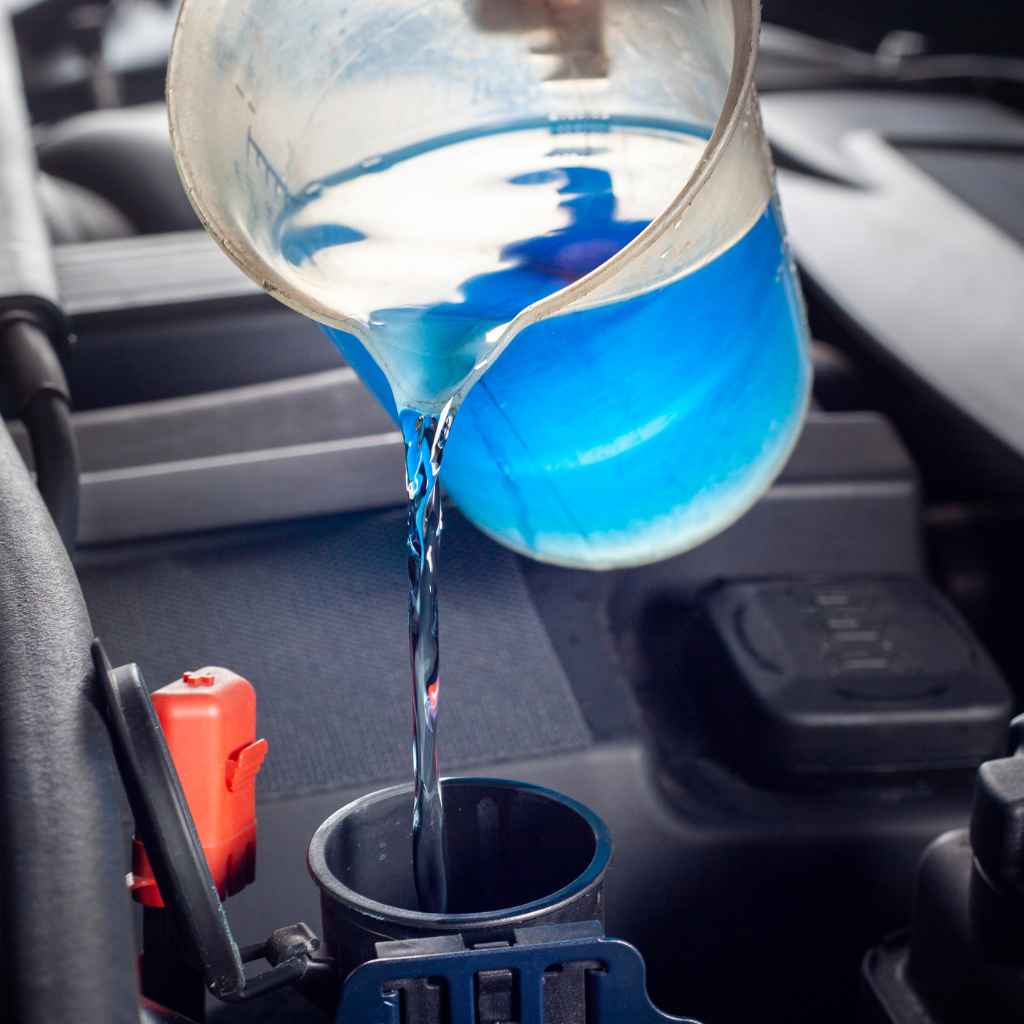
If low, slowly add the correct type and mixture of antifreeze, following the reservoir’s fill lines.
Close the reservoir cap securely.
Start the engine and let it run for a few minutes with the heater on.
Re-check the coolant level after the engine has cooled again.
If you are performing a full coolant replacement, the process is more involved:
Allow the engine to cool completely.
Place a drain pan under the radiator drain plug (if your vehicle has one).
Carefully open the radiator drain plug and let the old coolant drain out.
Open the coolant reservoir cap to help the fluid drain faster.
Once drained, close the drain plug and refill the system with distilled water for flushing.
Run the engine with the heater on for about 10-15 minutes.
Drain the flush water. Repeat this flushing process until the water runs clear.
Close the drain plug and fill the system with the correct pre-mixed antifreeze/water solution or the concentrated antifreeze and distilled water according to the recommended ratio.
Start the engine and let it run with the heater on to circulate the new coolant and purge air.
Monitor the coolant level as it circulates and top off if necessary.
Once the engine reaches operating temperature and the thermostat opens, the air should be purged.
After the engine cools, re-check the coolant level and top off to the “Max” line if needed.
Common Pitfalls and How to Avoid Them
Drivers often encounter issues with their antifreeze if they don’t follow best practices. One common mistake is neglecting to check the coolant’s freeze protection level before winter arrives. This can lead to a frozen cooling system, which is a catastrophic failure for an engine.
Always test your coolant’s strength using a hydrometer or refractometer before the first frost.
Another pitfall is using the wrong type of antifreeze or mixing incompatible types. As mentioned earlier, mixing different antifreeze technologies can cause them to break down, form sludge, and reduce their effectiveness. Always stick to the type recommended in your owner’s manual.
If you’re ever unsure about the type currently in your system, it’s safer to perform a complete flush and refill.
Not using distilled water for mixing is also a frequent error. The minerals in tap water can cause significant damage over time, leading to reduced cooling efficiency and internal corrosion. Always purchase a jug of distilled water from your local auto parts store or supermarket for mixing.
This small step ensures your antifreeze performs as intended and protects your engine.
Finally, some people overlook the importance of checking for leaks. A low coolant level could indicate a leak in a hose, radiator, water pump, or even a head gasket. Small leaks can become big problems in freezing temperatures, and they also mean you’re constantly topping off with fresh coolant, which can be costly and inefficient.
Regularly inspect your engine bay for any signs of coolant puddles or stains.
Ignoring Coolant Strength: Not testing the antifreeze’s ability to protect against freezing before winter is a major oversight.
A simple test with a hydrometer can tell you the exact freezing point of your current coolant mixture. This prevents nasty surprises when temperatures plummet unexpectedly. If the test shows inadequate protection for your local climate, you’ll know to either top off with more antifreeze or perform a coolant change.
Mixing Antifreeze Types: Combining different colors or formulations of antifreeze can lead to chemical reactions that render the coolant ineffective and potentially damage your system.
Each type of antifreeze has a specific additive package designed to work together. When incompatible types are mixed, these additives can clash, causing them to precipitate out of the solution, thicken the coolant, or even clog vital passages in the cooling system. Always verify compatibility or flush the system completely before adding a new type.
Using Tap Water: Minerals in tap water can cause scale buildup and corrosion in the cooling system, reducing its efficiency and lifespan.
These mineral deposits act like insulation, preventing the coolant from effectively absorbing heat from the engine. They can also create abrasive surfaces that wear down components like the water pump impeller. Using distilled water ensures a clean and pure coolant mixture that maximizes heat transfer and minimizes the risk of damage.
Seasonal Antifreeze Checks and Maintenance
Regularly checking your car’s antifreeze is not just a winter task; it’s a year-round maintenance requirement. However, the focus intensifies as colder months approach. Performing these checks proactively can save you from significant repair bills and the inconvenience of a breakdown during the harshest weather.
Pre-Winter Antifreeze Inspection
Before the first significant cold snap, it’s essential to conduct a thorough inspection of your car’s cooling system. This includes checking the coolant level in the reservoir and, if possible, testing the freeze protection. Look for any signs of leaks around hoses, the radiator, and the water pump.
Hoses should be firm and free of cracks or swelling. The coolant itself should be clean and free of rust or debris.
If your coolant looks murky, discolored, or has particles floating in it, it’s a sign that it might be time for a flush and replacement. Old coolant loses its anti-corrosive properties and can become less effective at protecting your engine. Check your vehicle’s owner’s manual for the recommended coolant change interval, which is typically based on mileage or time.
A crucial aspect of this inspection is verifying the antifreeze to water ratio. A simple test with a hydrometer or refractometer will tell you the freezing point of your current coolant. This will confirm if it’s sufficient for your local winter temperatures.
If the protection is inadequate, you’ll need to address it before the cold truly sets in.
Visual Inspection: Regularly look at the coolant level and the condition of the coolant in the reservoir. Check hoses for cracks or leaks.
A quick glance at the coolant reservoir can tell you a lot. If the level is consistently low, or if the coolant appears dirty or oily, it’s a signal that something might be wrong. Similarly, inspect the rubber hoses that carry the coolant.
They should be pliable, not brittle or swollen, as these are common failure points that can lead to sudden coolant loss.
Freeze Protection Testing: Use a hydrometer or refractometer to confirm your coolant’s freezing point before winter.
These tools are inexpensive and easy to use. They measure the specific gravity of the coolant, which directly correlates to the concentration of antifreeze. Knowing your coolant’s freeze point is critical for ensuring it can withstand the lowest temperatures expected in your area, preventing costly engine damage from freezing.
Checking for Leaks: Inspect hoses, radiator, and water pump for any signs of coolant drips or stains.
Coolant leaks are often visible as colorful puddles under your car or dried, crusty stains around cooling system components. These leaks not only lead to coolant loss but can also indicate failing parts that need replacement before they cause a complete system failure. Addressing small leaks promptly is much cheaper than repairing a damaged engine.
Coolant Flush and Replacement Schedule
The frequency of coolant flushes and replacements varies significantly depending on the type of antifreeze used and the vehicle manufacturer’s recommendations. Conventional inorganic additive technology (IAT) coolants typically need changing every 30,000 miles or two years. Extended-life coolants (ELCs) can last much longer, often 5 years or 150,000 miles.
However, even ELCs should be periodically checked for condition and freeze protection. Over time, the protective additives can deplete, and contaminants can build up in the system. It’s always best to refer to your car’s owner’s manual for the specific maintenance schedule recommended by the manufacturer.
Adhering to this schedule ensures your cooling system is always protected.
A coolant flush involves draining the old coolant, refilling the system with a flushing agent and distilled water, running the engine to clean the system, draining that mixture, and then refilling with the new, correct antifreeze and water mixture. This process removes old, degraded coolant and any accumulated sediment or rust, ensuring optimal performance of the new coolant.
If you’re not comfortable performing a coolant flush yourself, many auto repair shops offer this service. It’s a relatively inexpensive maintenance task that can prevent major cooling system problems down the line, especially before facing harsh winter conditions.
Follow Manufacturer Recommendations: Your car’s owner’s manual will specify the recommended service intervals for coolant changes.
Vehicle manufacturers design their cooling systems and choose specific antifreeze formulations to work together. They provide mileage and time-based schedules for coolant maintenance. Ignoring these recommendations can lead to premature component failure and reduced cooling system efficiency, so always consult your manual first.
Consider Climate: In areas with extreme temperatures (very hot or very cold), more frequent checks and potential changes might be beneficial.
Harsh climates put more stress on the cooling system. Extreme heat can accelerate the breakdown of coolant additives, while extreme cold requires reliable freeze protection. Regular testing and adjusting the mixture, or even changing the coolant more often than recommended for average climates, can be a wise precaution.
Signs of Degraded Coolant: If your coolant looks dirty, rusty, or has particles, it’s likely time for a change, regardless of the schedule.
Coolant’s appearance can be a good indicator of its health. Clean, clear coolant is ideal. If it becomes cloudy, discolored (beyond its natural color), or contains visible debris, it means the protective additives are likely depleted, and the coolant is no longer effectively protecting your engine.
This warrants immediate attention and likely a coolant flush and replacement.
What to Do If You Suspect an Issue
If you notice any unusual symptoms related to your car’s cooling system, it’s important to address them promptly. These symptoms could include the engine running hotter than usual, steam coming from under the hood, a sweet smell (which can indicate a coolant leak), or visible puddles of coolant under your car. Do not ignore these signs.
The first step is to let the engine cool down completely before attempting any inspection. Once cool, check the coolant level. If it’s significantly low, you may need to add coolant, but more importantly, you need to find out why it’s low.
Look for visible leaks. If you can’t find a leak, it might be an internal issue, such as a faulty head gasket, which requires professional diagnosis.
If your car is overheating, turn on the heater to its highest setting. This can help draw some heat away from the engine and into the cabin, potentially preventing further damage. Pull over to a safe location as soon as possible and turn off the engine.
Do not try to drive an overheating vehicle for extended periods.
For any suspected internal issues, or if you are unsure about how to diagnose or fix a cooling system problem, it is always best to consult a qualified mechanic. They have the specialized tools and expertise to accurately diagnose the problem and perform the necessary repairs safely and effectively. Early diagnosis and repair can often prevent more serious and expensive damage.
Overheating Engine: If your temperature gauge climbs into the red, pull over safely and turn off the engine. Turn your heater on high to help dissipate heat.
An overheating engine can cause severe damage, including warped cylinder heads or a blown head gasket. It’s crucial to stop driving immediately and allow the engine to cool down completely before attempting any inspection or adding coolant. Using the heater can provide a temporary, limited cooling effect, but it is not a solution for a major cooling system problem.
Coolant Leaks: Puddles of colored liquid under your car or a sweet smell are signs of a coolant leak.
Coolant leaks need to be addressed promptly. A small leak can quickly turn into a major one, leading to rapid coolant loss and potential engine damage. Inspect hoses, the radiator, and the water pump for any signs of leakage, such as wet spots or discoloration.
Discolored or Contaminated Coolant: If the coolant in your reservoir looks murky, rusty, or has debris, it needs to be flushed and replaced.
This appearance indicates that the coolant’s protective additives have degraded or that there’s internal corrosion or contamination occurring within the cooling system. Old or contaminated coolant cannot effectively protect your engine, so a flush and refill are necessary to restore optimal performance and protection.
Frequently Asked Questions
Question: What happens if I don’t use antifreeze in winter?
Answer: If you don’t use antifreeze in winter, the water in your cooling system can freeze. When water freezes, it expands, which can crack your engine block, radiator, or other cooling system components. This can lead to very expensive repairs.
Question: Can I use pure antifreeze without mixing it with water?
Answer: No, it is generally not recommended to use pure antifreeze. While it offers the lowest freezing point, pure antifreeze does not transfer heat as efficiently as a water mixture, which can lead to your engine overheating. A 50/50 mix is usually best.
Question: How often should I check my car’s antifreeze?
Answer: You should check your car’s antifreeze level at least once a month, and more frequently during extreme weather. It’s also a good idea to test its freeze protection before the winter season begins.
Question: Is all green antifreeze the same?
Answer: Not necessarily. While green typically indicates older inorganic additive technology (IAT) coolant, there can be variations. It’s always best to use the specific type recommended by your vehicle’s manufacturer to ensure compatibility.
Question: Can I reuse old antifreeze?
Answer: No, you should never reuse old antifreeze. It loses its protective properties and can contain contaminants that damage your engine. Old coolant must be disposed of properly at a hazardous waste facility.
Wrap Up
Taking care of your car’s antifreeze is a straightforward way to keep your engine safe in cold weather. By choosing the right type, mixing it correctly with distilled water, and checking it regularly, you prevent serious damage. Follow these local pro tips for reliable winter performance.
Products related to this article
Sponsored / affiliate links. As an Amazon Associate I earn from qualifying purchases. I may earn additional commission from eligible campaigns.