What are Crossovers for Car Audio: Unlock Superior Sound
Crossovers are essential for car audio systems. They split audio signals into different frequencies.
This ensures each speaker gets the right sound range. In car audio, achieving clarity and depth is key. Crossovers help by directing specific frequencies to the right speakers, like tweeters or woofers. Without them, speakers may receive sounds they can’t handle, leading to distortion.
Imagine driving with crisp tunes, where every beat and note is clear. Crossovers play a crucial role in this experience. They optimize sound performance, making your audio system more efficient. Whether you’re a casual listener or an audiophile, understanding crossovers can enhance your music journey. Dive into this guide to explore how crossovers work and why they’re vital for your car audio setup.
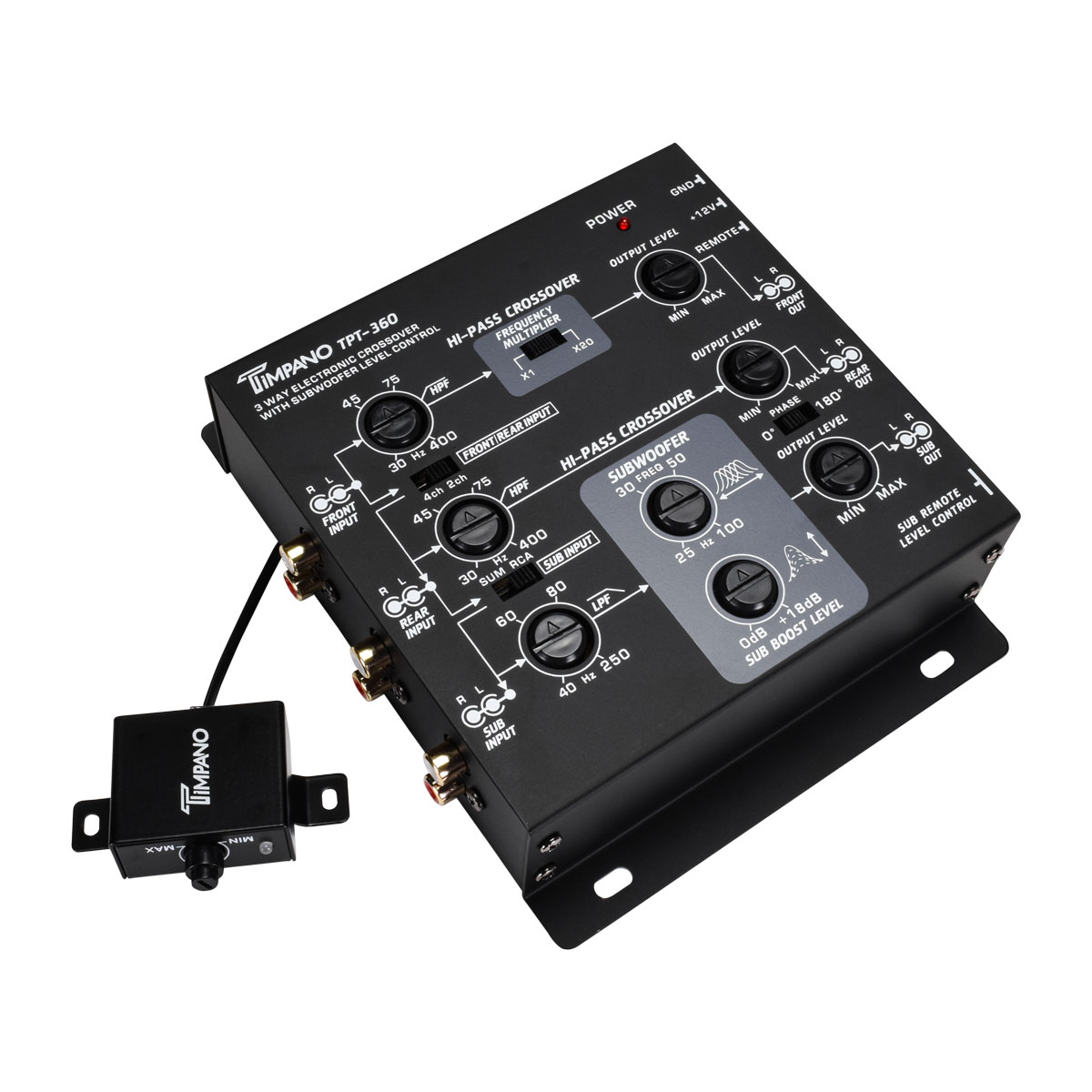
Credit: timpanoaudio.com
Introduction To Car Audio Crossovers
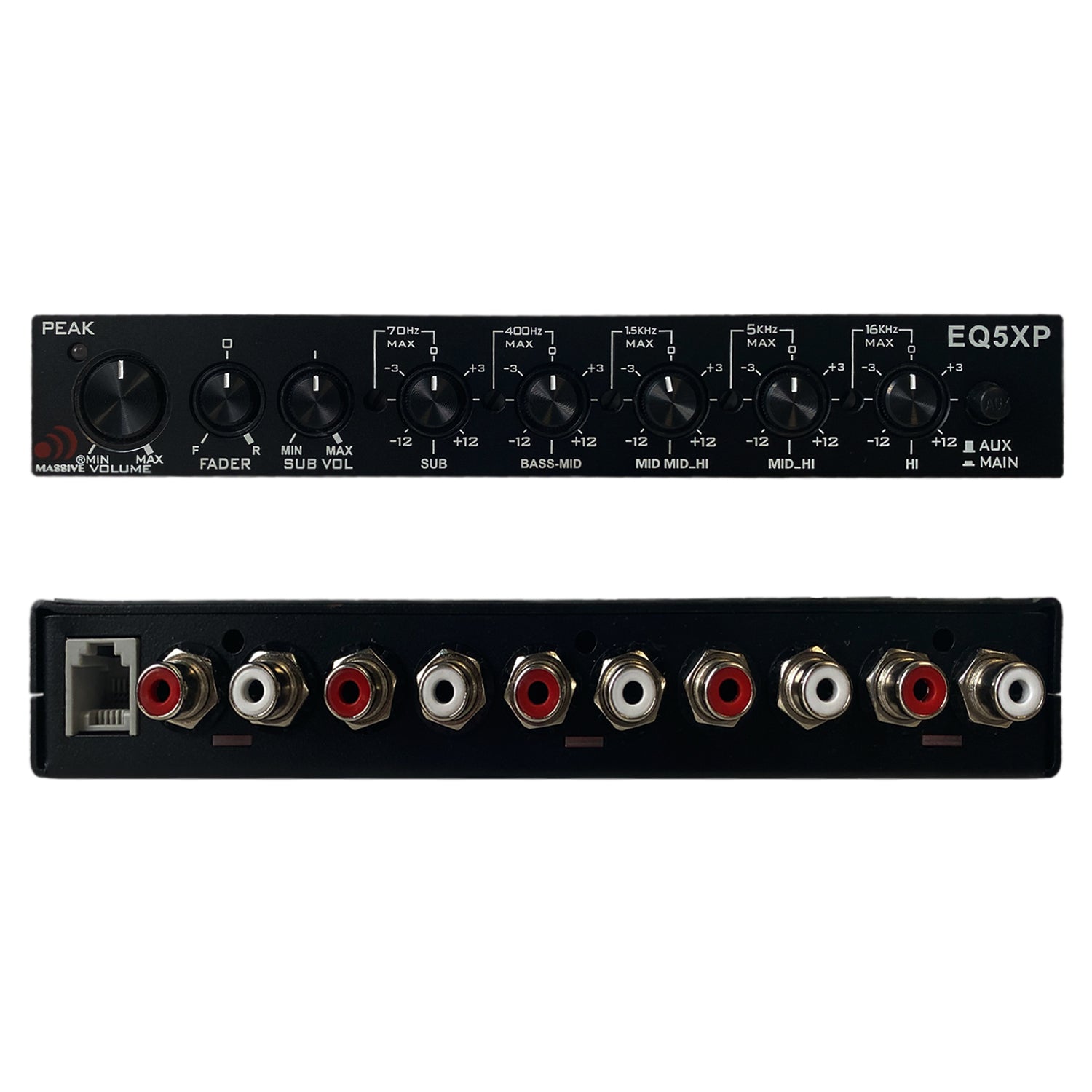
Car audio crossovers help control sound frequencies. They send high notes to tweeters and low notes to woofers. This creates clear and balanced sound. Without crossovers, sounds can get mixed up. This makes music sound bad. Crossovers make sure each speaker does its job well.
They also protect speakers from harm. Sending wrong frequencies can hurt speakers. Crossovers make sure this does not happen. This helps speakers last longer. The result is better sound and longer speaker life.
Good crossovers can improve sound quality a lot. They make music sound clear and nice. Bass sounds deep and treble sounds crisp. Crossovers help remove unwanted noise. This gives a cleaner sound. Music is much more enjoyable with them.
They can be customized for different cars. This is important for getting the best sound. Each car is different. Crossovers help fit the sound to the car. This makes every ride fun with great music.
Credit: www.massiveaudio.com
Types Of Car Audio Crossovers
Active crossovers use power to work. They are adjustable and give better control over sound. You can change frequency settings to match your speakers. They need a power source to operate. Active crossovers often have built-in amplifiers. This helps to make the sound more clear and sharp. They are more expensive than passive crossovers.
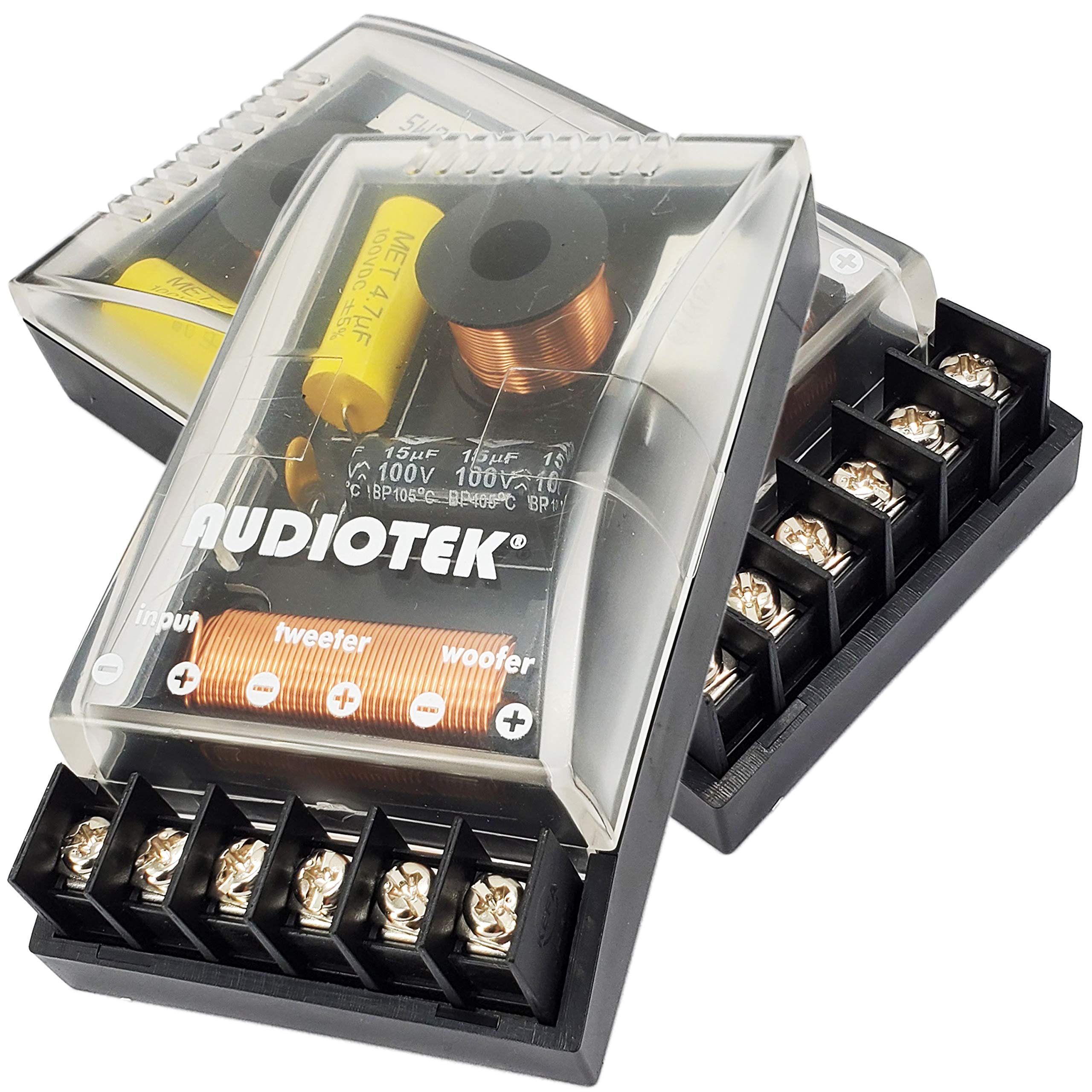
Passive crossovers do not need extra power to work. They use resistors and capacitors to split sound. These parts are built into the speaker. They are simpler and cheaper than active ones. Passive crossovers do not offer much control over sound. They are easy to use and install. A great choice for basic audio setups.
Components Of Crossovers
Crossovers help direct sound to the right speakers. They use filters to split audio signals. High-pass filters allow high sounds through. Low-pass filters allow low sounds through. Band-pass filters let only mid-range sounds pass. Each filter type serves a different purpose.
Frequency division is key in crossovers. It ensures each speaker plays the right sound. This process prevents sound overlap. Each speaker gets signals meant for it. This makes the audio clear and pleasant.
How Crossovers Improve Sound
Crossovers make car audio clearer. They sort sounds. High sounds go to tweeters. Low sounds go to woofers. This helps stop sound mix-ups. Music sounds clean and sharp. Every note is clear.
Audio sounds better with balanced frequencies. Crossovers help balance them. They send each sound to the right speaker. High sounds do not mix with low ones. Music sounds even. Each sound fits together nicely.
Installing Crossovers In Your Car
Start by gathering all needed tools. You’ll need a screwdriver, wire cutter, and crimping tool. Make sure the car is off before you start. Find the right spot for the crossover. It should be close to the speakers. This will keep the wires short. Short wires mean better sound. Connect the input wires to the stereo. Then, connect the output wires to the speakers. Double-check all connections. Secure the crossover in place with screws or tape. Test the audio system. Listen for clear sound. If the sound is off, check connections again.
Professional help can make things easier. Experts know the best spots for crossovers. They have special tools for the job. You save time and avoid mistakes. Many car audio shops offer this service. It’s good for those who are not confident. You also get a warranty on the work. This can be helpful if problems arise later. Ask about the cost before choosing a service. Ensure they have experience with crossovers.
Choosing The Right Crossover
Picking the right crossover is very important. It helps in making your car audio sound better. Crossover divides the sound into parts. This makes each speaker play the right sound. Some crossovers are active, and some are passive. Active crossovers need power. Passive crossovers do not need power.
Compatibility with audio systems is key. Make sure your crossover works with your car’s audio system. Check the power needs of your speakers. Also, think about the sound quality you want. Do you want more bass or treble? Choose a crossover that fits your taste. Lastly, consider the price. Some are cheap, and some are expensive. Pick one that fits your budget.
Troubleshooting Common Issues
Crossovers in car audio systems divide sound into different frequencies, directing them to specific speakers. They enhance sound quality by ensuring each speaker handles the frequencies it’s best suited for, preventing distortion and improving clarity. Understanding crossovers helps troubleshoot sound issues in car audio setups effectively.
Identifying Sound Problems
Bad sound can ruin a drive. It’s important to listen closely. Check if the sound is too high or too low. Sometimes, the sound might be muffled. Other times, there might be no sound at all.
Wires could be loose. Speakers might be broken. Even dust can cause problems. A good check can help find the issue.
Solutions For Optimal Performance
Always keep connections tight. Clean the speakers often. A simple wipe can help. Check if wires are old or worn. Replace them if needed.
Adjust the settings for better sound. Some crossovers need tweaking. Small changes can make a big difference.

Credit: www.amazon.com
Future Trends In Car Audio Crossovers
Car audio crossovers divide audio signals into different frequency ranges for speakers. Future trends include digital crossovers for clearer sound. These advancements promise improved listening experiences, enhancing audio quality in vehicles.
Technological Innovations
New technological innovations are shaping car audio crossovers. Smart crossovers use digital processors. These processors can adjust sound for each car. This makes music sound better. Wireless crossovers are also popular now. They do not need cables and are easy to install. Some crossovers can even connect to smartphones. This lets users control them with apps.
Market Developments
The car audio market is growing fast. More people want high-quality sound in their cars. Companies are making crossovers that fit all budgets. Some are affordable, while others are luxury. People like choices. Many brands are now focusing on eco-friendly products. They use materials that do not harm the planet. This is important for many buyers. The future of car audio crossovers looks bright.
Frequently Asked Questions
Does A Crossover Improve Sound Quality?
A crossover can improve sound quality by directing specific frequency ranges to the appropriate speakers. This results in clearer audio and better performance. Properly configured crossovers help reduce distortion and enhance the overall listening experience. High-quality crossovers are essential for optimal sound in audio systems.
What Is The Best Crossover Setting For Car Audio?
The best crossover setting varies by speaker type. Typically, set subwoofers to 80Hz, mid-range speakers to 200-300Hz, and tweeters above 3kHz. Adjust settings based on your system’s specific components and personal sound preference for optimal audio quality.
Do I Need A Crossover For My Sound System?
A crossover enhances your sound system by directing specific frequencies to the right speakers. It improves audio quality and prevents speaker damage. Use it if your system has multiple speaker types, like subwoofers and tweeters, for optimal performance.
What Should I Set My Speaker Crossover To?
Set your speaker crossover to 80 Hz for balanced sound. Adjust based on speaker size and room acoustics. Use manufacturer’s recommendations for optimal settings. Proper crossover setup enhances audio quality and prevents distortion. Always test and tweak settings to match personal preferences.
Conclusion
Crossovers are key for great car audio. They separate frequencies efficiently. This ensures each speaker performs its best. Properly set crossovers enhance sound quality. They also protect your speakers from damage. Investing in good crossovers improves your listening experience. Understanding them helps you make better audio choices.
Enjoy clearer, crisper sound in your car. Happy listening!