Best Car Drivetrain for Long-Term Reliability Guide
For long-term reliability, I usually lean toward a simpler front-wheel-drive or rear-wheel-drive layout first; all-wheel drive often comes last because it tends to add more service parts, fluid changes, and potential failure points. Ignore that, and you end up paying for extra driveline repairs, not better dependability. This guide ranks drivetrains by maintenance burden, likely failure costs, and which systems most often drain ownership budgets.
What “reliability” means when you compare drivetrains

Here, reliability means how often a drivetrain creates repair bills over time, not how well it pulls in snow. A layout with fewer parts, fewer fluid services, and fewer wear points usually costs less to own, even if another layout feels better in bad weather.
The three things that matter most
Parts count matters because every extra gearset, coupling, shaft, and seal adds another possible failure. Service intervals matter because skipped transmission fluid, differential fluid, or transfer case fluid turns small wear into expensive damage. Failure exposure matters because some layouts put more parts near heat, torque, and constant motion.
Quick comparison: FWD, RWD, AWD, and 4WD
The core trade-off is simple: adding driveline hardware means more fluid services, more wear items, and more chances for a repair bill. FWD usually wins on simplicity. RWD can be very durable and easier to service. AWD and 4WD add traction and complexity at the same time.
| Drivetrain | Parts count | Service burden | Repair risk | Typical use |
|---|---|---|---|---|
| FWD | Lowest | Low to moderate | Lower | Economy cars, many crossovers |
| RWD | Moderate | Low to moderate | Low to moderate | Trucks, performance cars, some sedans |
| AWD | High | Moderate to high | Higher | Crossovers, performance cars, snow-belt models |
| 4WD | Highest | High | Highest | Trucks, SUVs, off-road use, towing-focused setups |
Where each layout usually lives
FWD is common in compact cars and many daily-driver crossovers because the transaxle packages the transmission and differential together, which can help with packaging. RWD is common in trucks and performance cars because the engine and transmission send power to a separate rear axle through a driveshaft. AWD and 4WD show up where traction is a selling point, but both add hardware.
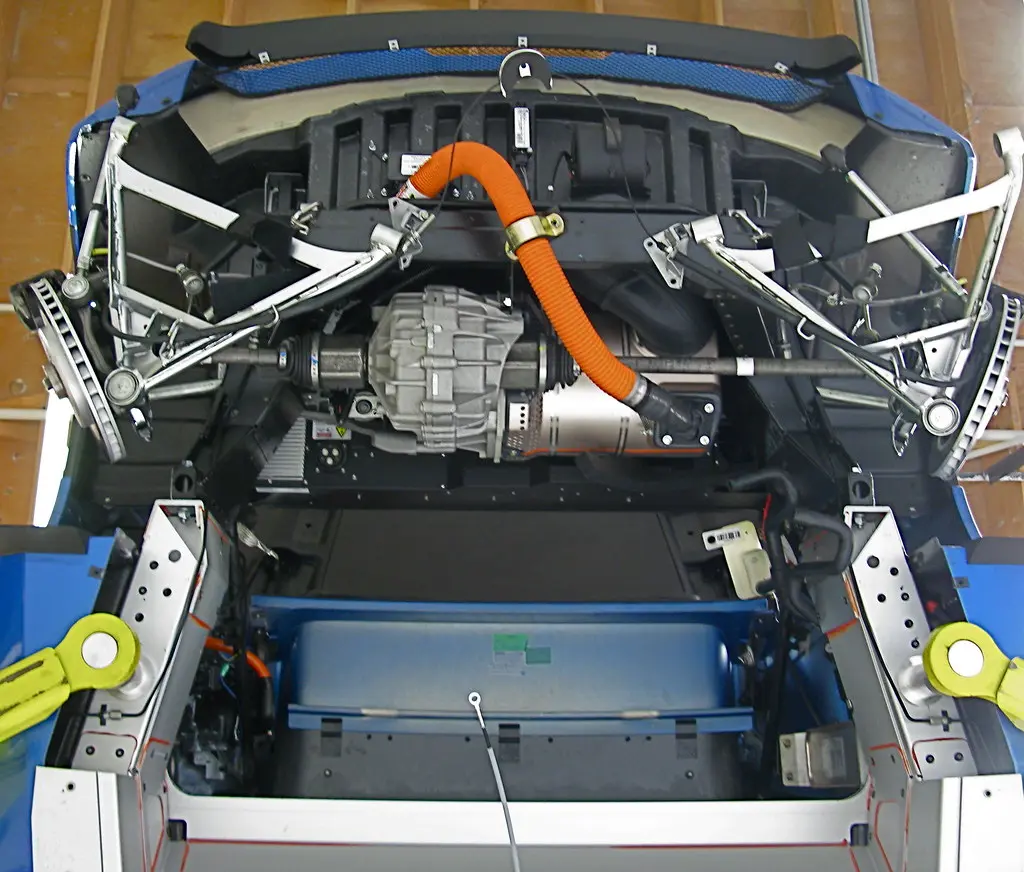
Which parts fail first in each drivetrain?
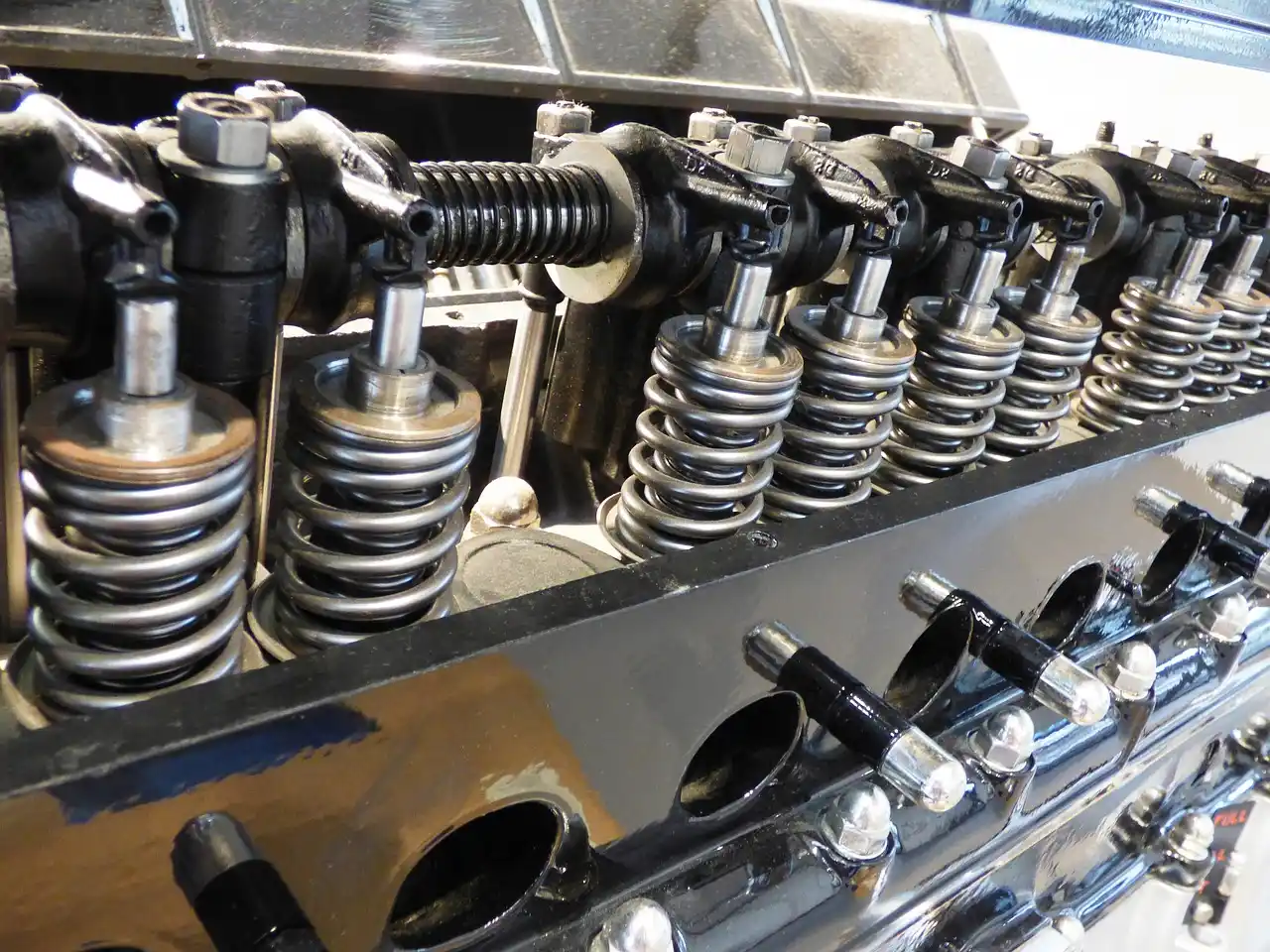
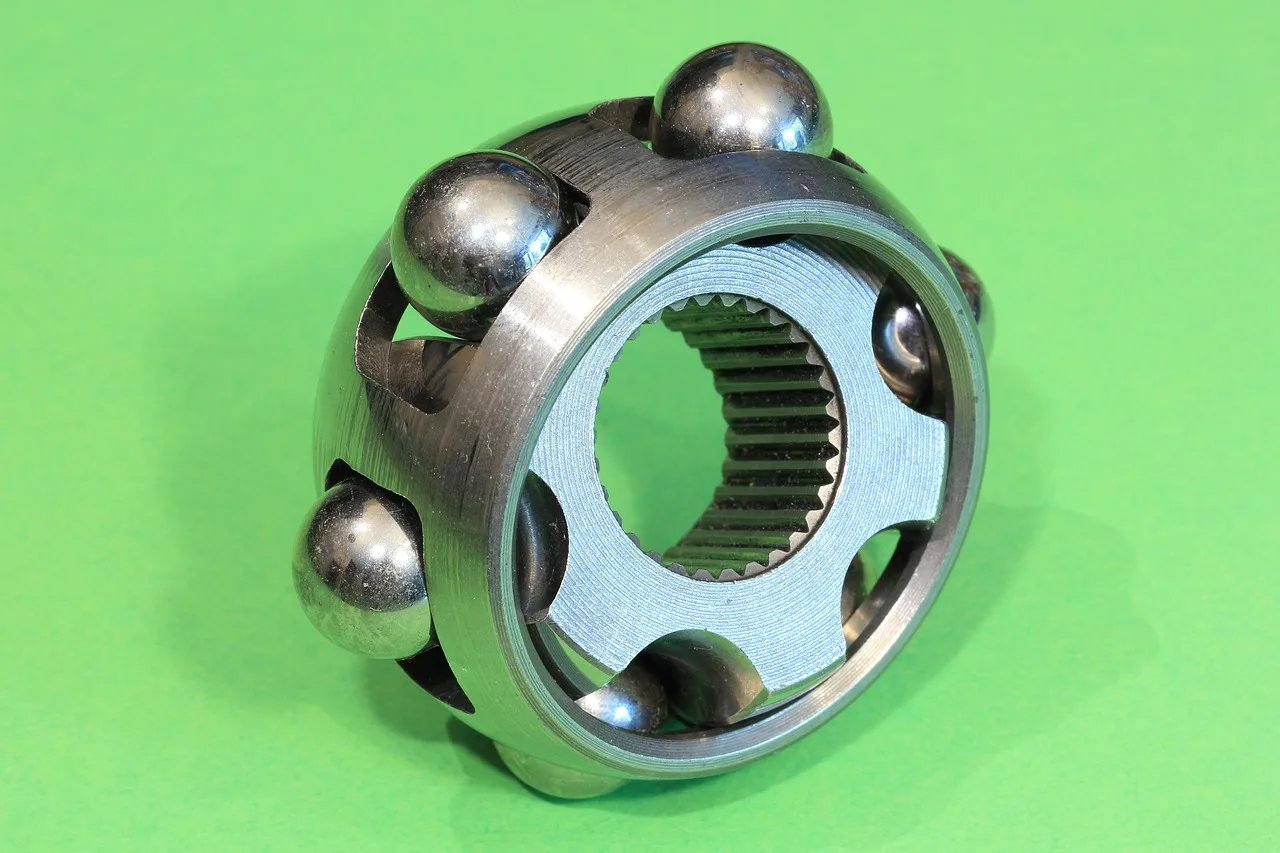
The first failures are usually the parts that move all the time and sit close to heat, road grime, and torque. For FWD and AWD, that often means CV axles and boots. For RWD and trucks, driveshaft parts, U-joints, and wheel bearings are common early wear points. For AWD and 4WD, coupling and transfer hardware are the costly items.
FWD: transaxle, CV axles, boots, and wheel bearings
Front-wheel drive uses a transaxle, so the transmission and differential are packaged together in one unit. That reduces parts count, but the CV axles work hard and the boots are a common weak point. Once a boot tears, grease escapes, dirt enters, and clicking on turns or vibration under load can follow.
RWD: driveshaft, U-joints, differential, and wheel bearings
Rear-wheel drive uses a separate transmission and driveshaft, which adds some wear items but can also make service simpler in many cases. U-joints can wear and clunk. Driveshaft balance issues show up as vibration. Rear differentials can whine when fluid is old or bearings are worn.
AWD: center coupling, power transfer unit or transfer case, CV axles, and extra fluid services
AWD can add a center coupling, power transfer unit, or transfer case depending on the design. That extra hardware is where costs climb. Many AWD systems also use more CV axles, more seals, and more fluids, which means more ways for heat and contamination to create trouble.
4WD: transfer case, front and rear driveline engagement parts, and front axle hardware
Four-wheel drive usually carries the most hardware of the drivetrains discussed. The transfer case, front axle engagement parts, and front driveline pieces all add service needs. In trucks and SUVs, that extra capability is useful, but it also means more fluid changes and more wear points than a simpler layout.
Drivetrain reliability scorecard
The ranking below is based on mechanical simplicity, service burden, and failure exposure. It is not about snow traction. A simple FWD compact can outlast a complex AWD crossover because the compact has fewer expensive parts to age, leak, or bind.
| Factor | FWD | RWD | AWD | 4WD |
|---|---|---|---|---|
| Parts count | Best | Good | Poor | Worst |
| Service intervals | Good | Good | Fair | Poor |
| Common failure points | CV axles, boots, wheel bearings | Driveshaft, U-joints, differential, wheel bearings | PTU or transfer case, coupling, CV axles | Transfer case, front axle parts, engagement hardware |
| Average repair complexity | Low | Low to moderate | Moderate to high | High |
Long-term ownership cost ranking
For many shoppers, the likely cost order is often FWD first, then RWD, then AWD, then 4WD. That order changes if the vehicle itself is a problem model, but the drivetrain logic stays the same. More moving parts means more fluid services and more expensive failures.
Is AWD or FWD more reliable long term?
FWD is usually more reliable long term because it has fewer parts and fewer service items. AWD adds a center coupling or power transfer unit, more seals, more fluid changes, and more failure points. AWD can be worth it for traction, but it usually loses on simplicity and repair risk.
Why FWD usually wins
FWD packages the engine, transmission, and differential into a compact layout. That cuts down on driveshaft hardware and transfer components. In ordinary commuter use, the main wear items are often CV axles, boots, and wheel bearings, which are cheaper than many AWD system repairs.
When AWD still makes sense
AWD makes sense if the buyer values traction enough to accept extra service. That can be useful in steep driveways, frequent rain, or snow, but it does not replace good tires. A neglected AWD system with old fluid can become expensive long before an otherwise similar FWD car needs similar work.
Is RWD more reliable than AWD for daily driving?
RWD is often more reliable than AWD for daily driving because it has fewer traction system parts and fewer fluid services. It can be very durable if the driveshaft, U-joints, differential, and wheel bearings are kept in shape. The trade-off is winter traction, not basic mechanical durability.
Serviceability and driveline wear
RWD usually gives easier access to common wear points. Driveshaft vibration, U-joint play, and differential noise are straightforward to diagnose. That matters on high-mileage vehicles because simpler diagnosis often means cheaper repairs and less parts swapping before the real issue is found.
Traction tradeoffs
RWD is fine with proper tires, but it is not the best choice for deep snow if the driver wants easy winter use. That said, bad winter traction does not equal bad reliability. A durable RWD truck or sedan can outlast a more complex AWD vehicle.
Does 4WD hurt long-term reliability?
Yes, usually. Four-wheel drive raises long-term maintenance needs because it adds a transfer case, more driveline engagement parts, and extra axle hardware. It is the right tool for off-road use and some towing setups, but it is not the best choice if the goal is the lowest repair risk.
Why 4WD costs more to keep healthy
4WD systems typically depend on regular transfer case fluid changes and healthy front and rear driveline components. Chain wear, gear wear, leaks, and binding can show up if service is skipped. The system is built for capability, not for minimal ownership cost.
When 4WD is worth it
Buy 4WD if the vehicle will actually use it: off-road trails, rough work sites, heavy snow travel, or regular towing in conditions where low-range or extra traction is needed. Using 4WD as a daily-driver upgrade usually means paying for hardware that sits idle most of the time.
Choose FWD if… / Choose AWD if… / Choose RWD if… / Choose 4WD if…
Choose the drivetrain that matches your use case, not the one that sounds toughest. The best long-term ownership choice is usually the one with the fewest expensive parts for the job you actually do.
Choose FWD if…
- You want the simplest daily-driver ownership.
- You prefer fewer moving parts and lower repair exposure.
- You are shopping economy cars or ordinary crossovers.
- You want a good balance of cost, packaging, and durability.
Choose AWD if…
- You need traction more than low maintenance.
- You accept extra fluid services and coupling or transfer hardware.
- You live with frequent rain, snow, or steep grades.
- The vehicle has a strong service record and fluid changes were kept current.
Choose RWD if…
- You want serviceability and driveline durability.
- You are buying a truck, sedan, or performance car built around RWD.
- You can live with winter tire needs in cold climates.
- You value easier inspection of driveshaft and differential wear.
Choose 4WD if…
- You need off-road hardware or regular towing use.
- You expect to use low-range capability.
- You are willing to pay for transfer case and axle service.
- Your vehicle choice is a truck or SUV designed for it.
What drivetrain should I buy if I want lower repair risk?
Buy the simplest layout that fits the vehicle class you want. For most shoppers, that means FWD first, then RWD if the body style calls for it. AWD and 4WD make sense when the job demands them, but they add repair risk through more parts, more fluid services, and more exposure to wear.
Segment matters more than many buyers think
A simple FWD compact and a performance AWD car are not equal reliability bets just because both have four wheels on the ground. The compact usually carries fewer expensive driveline parts. The performance AWD car may have more heat, more torque, and more service demand from the start.
Maintenance habits still matter
Good service can extend any drivetrain’s life, but it does not erase complexity. Fresh transmission fluid, differential fluid, and transfer case fluid reduce wear. Proper tires reduce stress. Still, a complicated AWD or 4WD system will usually cost more to keep healthy than a simple FWD setup.
Used-car inspection checklist by drivetrain
Use mileage and service history together. A clean, documented high-mileage drivetrain can be a better buy than a lower-mileage one with torn boots, old fluids, and noise. The same symptom can mean different things depending on the layout, so inspection should be drivetrain-specific.
- Check for fluid leaks around the transmission, differential, transfer case, and axle seals.
- Listen for clicking, clunking, humming, or vibration during acceleration and turns.
- Review service records for transmission fluid, differential fluid, and transfer case fluid changes.
- Inspect tires for uneven wear, since mismatched tire diameters can stress AWD and 4WD systems.
- Test drive at low speed, highway speed, and during tight turns.
What to inspect on FWD cars
Look closely at CV axle boots for cracks, grease spray, or missing clamps. Listen for clicking on full-lock turns, which often points to worn CV joints. Check for wheel bearing hum and any fluid seepage around the transaxle. Those are the common money items on aging FWD cars.
What to inspect on RWD vehicles
Check the driveshaft for vibration, rust at the joints, and play in the U-joints. Listen for differential whine on acceleration and deceleration. Inspect rear wheel bearings for hum. RWD parts are often serviceable, but worn driveline hardware can still get expensive if ignored.
What to inspect on AWD and 4WD vehicles
Ask for proof of transfer case service, and check for leaks around the PTU or transfer case housing. Watch for binding in tight turns, shudder on takeoff, or uneven tire wear. Any AWD or 4WD vehicle with missing fluid history deserves extra caution.
Frequently asked questions
Which car drivetrain lasts the longest with the least maintenance?
For most buyers, a simple FWD layout lasts longest with the least maintenance because it combines fewer parts with lower repair exposure. RWD can also last a very long time, especially in trucks and sedans built around it. AWD and 4WD usually need more service to stay healthy.
What drivetrain is best for high-mileage cars?
High-mileage buyers usually do best with FWD or RWD, depending on the vehicle type. Both layouts can rack up miles if fluids are changed and wear items are caught early. AWD and 4WD can also last, but they demand more attention and usually cost more to maintain.
How much maintenance does an AWD system need?
More than FWD or basic RWD. AWD systems often need periodic fluid changes in the transmission, differentials, and transfer case or PTU, along with regular attention to tires and axle condition. Skip those services and the system can develop noise, shudder, or coupling damage.
Products related to this article
Sponsored / affiliate links. As an Amazon Associate I earn from qualifying purchases. I may earn additional commission from eligible campaigns.