What Causes a Car Engine to Overheat: Easy Tips to Keep Cool
My first car overheated on a sunny road trip. Steam poured out like a teapot! I was clueless but learned fast. This article explains what causes a car engine to overheat, why it happens, and how to fix it. I’ll share simple tips, fun stories, and easy steps to keep your car cool. Whether you’re new to cars or a gearhead, you’ll find handy advice here. Let’s dive in!
What Is Car Engine Overheating?
Overheating means your car’s engine gets too hot. It’s like a fever for your car! Engines run at 195–220°F normally. If they hit 240°F or more, trouble starts. Overheating can crack parts or stop your car. Knowing what causes a car engine to overheat saves money and stress.
Why Does It Matter?
A hot engine can ruin your day. It might strand you or cost big bucks to fix. I once ignored a warning light and paid $500 for repairs. Don’t make my mistake! Catching causes early keeps your car happy.
Common Causes of Engine Overheating
Many things make engines overheat. Let’s break down the top culprits with simple explanations.
Low Coolant Levels
Coolant is a liquid that cools your engine. It’s like water for a thirsty runner. Low coolant is the #1 reason engines overheat. Leaks or evaporation cause this. Check your coolant tank often. It’s usually a clear plastic jug under the hood.
- Tip: Look for green, blue, or orange liquid. If it’s low, add a 50/50 mix of coolant and water.
Faulty Thermostat
The thermostat controls coolant flow. It’s like a gatekeeper. If it’s stuck closed, coolant can’t move, and the engine gets hot. My old Chevy had this issue. A $20 part fixed it!
- Sign: Engine heats up fast after starting.
Radiator Problems
The radiator cools hot coolant with air. It’s like a fan for your engine. Clogs from dirt or damage block airflow. This makes your car overheat, especially in traffic.
- Tip: Peek at your radiator. Clear leaves or bugs with a soft brush.
Water Pump Failure
The water pump pushes coolant through the engine. It’s like a heart pumping blood. A broken pump stops coolant flow. You might hear a grinding noise if it’s bad.
Other Causes
- Blown Head Gasket: This seal keeps coolant and oil separate. A leak mixes them, causing overheating. It’s pricey to fix, so catch it early.
- Broken Radiator Fan: Fans cool the radiator when you’re stopped. If they don’t spin, your car heats up in traffic.
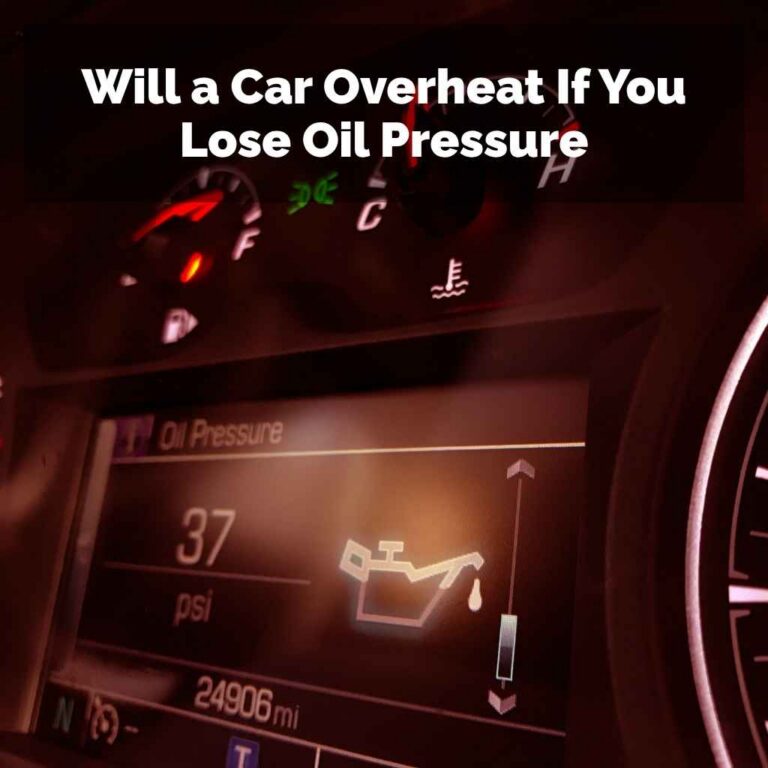
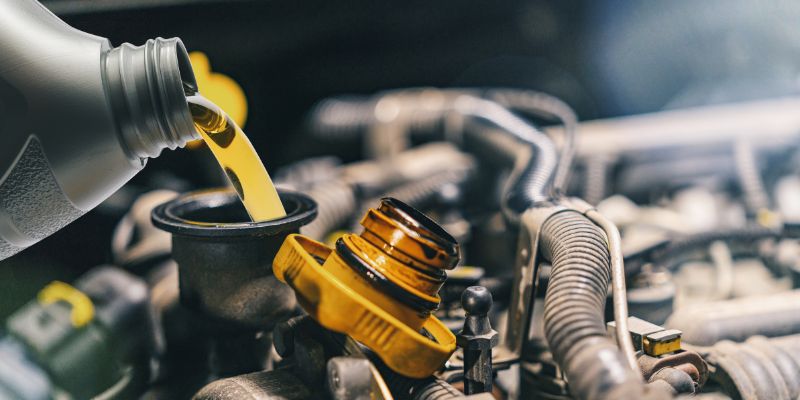
- Low Oil: Oil helps cool the engine. Check your dipstick monthly.
How to Spot an Overheating Engine
Spotting trouble early saves your car. Here are signs to watch for:
- Temperature Gauge in Red: Your dashboard gauge shows “H” or red. Pull over fast!
- Steam from Hood: It looks like smoke but smells sweet. That’s boiling coolant.
- Weird Smells: Sweet (coolant) or burnt (oil) smells mean trouble.
- Funny Noises: Clicking or knocking sounds warn of damage.
Easy Steps to Check for Overheating Causes
You don’t need to be a mechanic to check your car. Here’s a simple guide to find what causes a car engine to overheat.
Step 1: Check Coolant Level
Wait 30 minutes for the engine to cool. Pop the hood. Find the coolant tank. If it’s below the “low” mark, add coolant. I keep a bottle in my trunk for emergencies.
Step 2: Look for Leaks
Check under your car for puddles. Coolant is colorful and smells sweet. A leak means you need a mechanic. My friend fixed a hose leak for $50 instead of $500 by catching it early.
Step 3: Test the Radiator Fan
Start your car and let it idle. After 5 minutes, check if the fan spins. No spin? Get it checked. A fan fix costs $100–$200, way less than a new engine.
Tools You Need
- Gloves (to avoid burns)
- Flashlight (to see under the hood)
- Coolant (buy at any auto store for $10–$20)
Visual Idea: A diagram showing the coolant tank, radiator, and fan locations would help beginners.
Comparing Common Causes
This table shows top overheating causes, signs, and fixes.
| Cause | Sign | Fix | Cost |
|---|---|---|---|
| Low Coolant | Low tank level, steam | Add coolant, check leaks | $10–$100 |
| Faulty Thermostat | Heats up fast | Replace thermostat | $50–$150 |
| Radiator Clog | Overheats in traffic | Clean or replace radiator | $100–$500 |
| Water Pump Failure | Grinding noise, leaks | Replace water pump | $200–$600 |
Caption: Common causes and their fixes help you plan repairs.
Tips to Prevent Overheating
Preventing overheating is easier than fixing it. Try these tricks:
- Check Coolant Monthly: Takes 2 minutes. Keep levels above “low.”
- Run Heater in a Pinch: If overheating starts, turn off AC and blast the heater. It pulls heat from the engine.
- Avoid Heavy Loads: Towing or overloading stresses the engine.
Visual Idea: A checklist graphic for monthly car checks would be handy.
Mistakes to Avoid
Don’t make these rookie errors:
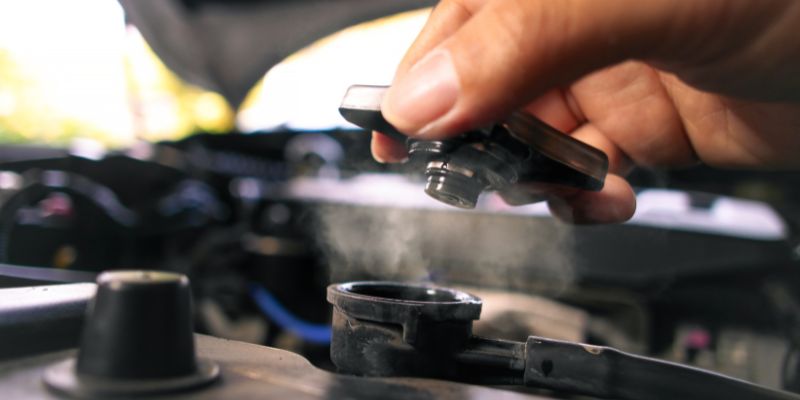
- Opening a Hot Radiator Cap: Steam can burn you bad. Wait 30 minutes.
- Ignoring Warning Lights: A red gauge means stop now, not later.
- Using Water Instead of Coolant: Water boils too fast. Use a 50/50 mix.
My Personal Overheating Story
On a trip to Texas, my car overheated in traffic. The gauge hit red, and steam hissed out. I pulled over, heart racing. After cooling down, I found low coolant. A $15 bottle fixed it, but I learned to check monthly. Now, I share this tip with everyone!
Benefits and Drawbacks of DIY Checks
Benefits:
- Saves money (checks cost $0 vs. $100 at a shop).
- Builds confidence (you’ll feel like a pro!).
- Catches issues early.
Drawbacks:
- Takes time (10–15 minutes monthly).
- Needs basic tools (gloves, coolant).
- Serious issues need a mechanic.
Cost-Saving Ideas
- Buy Coolant in Bulk: A gallon costs $20 and lasts years.
- Clean Radiator Yourself: Use a hose and brush for free.
- Learn Basic Checks: YouTube videos teach you in 5 minutes.
Table: DIY vs. Mechanic Costs
| Task | DIY Cost | Mechanic Cost | Savings |
|---|---|---|---|
| Check Coolant | $10 (coolant) | $50–$100 | $40–$90 |
| Clean Radiator | $0 | $100–$200 | $100–$200 |
| Replace Thermostat | $20 (part) | $100–$150 | $80–$130 |
Caption: DIY checks save big compared to shop visits.
Visual Idea: A step-by-step photo guide for checking coolant would be awesome.
Frequently Asked Questions
Why Does My Car Overheat in Traffic?
Traffic stops airflow to the radiator. A broken fan or low coolant makes it worse. Check your fan and coolant levels.
How Do I Check Coolant Safely?
Wait 30 minutes for the engine to cool. Open the coolant tank slowly. Add a 50/50 coolant-water mix if low.
Can Low Oil Cause Overheating?
Yes, oil cools the engine. Check your dipstick. If it’s low, add oil to avoid heat buildup.
What’s a Thermostat, and Why Does It Fail?
A thermostat controls coolant flow. It can stick closed, trapping heat. Replace it every 5–7 years.
Is It Safe to Drive an Overheating Car?
No, driving can crack the engine. Pull over, turn off the car, and wait 30 minutes before checking.
How Often Should I Check My Radiator?
Inspect monthly for dirt or leaks. Clean it with a brush or hose to keep airflow strong.
Can a Bad Head Gasket Cause Overheating?
Yes, a blown head gasket leaks coolant into the engine. Look for white exhaust smoke and get it fixed fast.
Conclusion
Overheating is a car’s cry for help. Low coolant, bad thermostats, or clogged radiators are common culprits. Check your car monthly to avoid trouble. My road trip scare taught me to stay prepared. Try a coolant check this weekend—it’s easy peasy! Share your car stories below or ask me a question. Keep your engine cool and cruise on!