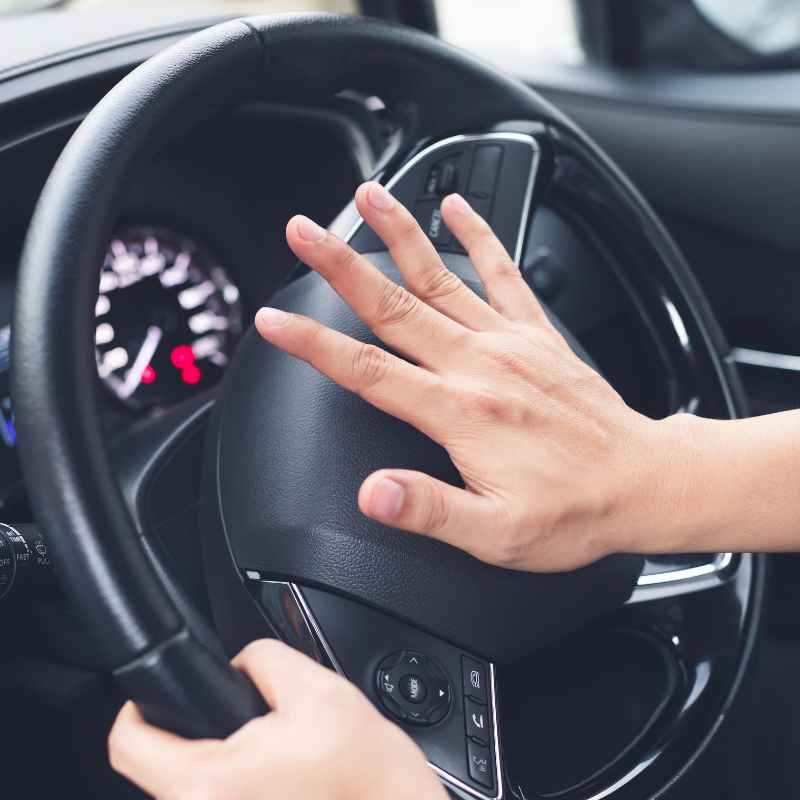
How Loud Is a Car Horn? Decibels
How Loud Is A Car Horn? Decibels
Most people have heard a car horn many times, but few stop to ask: how loud is a car horn in decibels? The sound of a car horn is a part of everyday life, from city traffic jams to quiet suburban streets. But when you dig deeper, the answer is more interesting than you might think. The decibel level of a car horn is not just a number; it is a key factor in safety, law, and even how we design vehicles.
Understanding car horn loudness is important for drivers, pedestrians, and anyone who lives near busy roads. Too quiet, and a horn may not prevent an accident. Too loud, and it can damage hearing or disturb neighborhoods. This article explores the decibel range of car horns, why it matters, how it compares to other sounds, and the rules that shape horn design.
You will also find useful tables, real-world examples, and answers to common questions. If you’ve ever wondered about the science and law behind the familiar beep, keep reading.
What Is A Decibel And Why Does It Matter?
Before exploring car horns, it’s helpful to understand what decibels (dB) mean. Decibels are a way to measure sound intensity. The scale is logarithmic, which means each increase of 10 dB makes a sound ten times more intense. For example, a sound at 80 dB is not just twice as loud as 40 dB—it is much, much stronger.
- 0 dB is the quietest sound a human ear can detect.
- 60 dB is normal conversation.
- 90 dB is about the level of heavy city traffic.
- 120 dB is the threshold of pain for most people.
Decibels matter because loud sounds can damage hearing, especially if you are close to the source. Understanding the decibel level of a car horn helps us balance safety with health and comfort.

Typical Car Horn Decibel Levels
When you press a car horn, the sound is designed to be heard clearly over traffic, music, and road noise. But how loud is it, exactly? Most car horns fall within a specific decibel range.
Standard Car Horn Loudness
The average car horn in the United States produces a sound between 100 and 110 decibels when measured at a distance of about 10 feet (3 meters) from the car. This range is common for passenger vehicles, including sedans, SUVs, and pickup trucks.
Some smaller cars may be closer to 100 dB, while trucks and larger vehicles often reach the higher end of the range. Specialty horns (such as for emergency vehicles) can be much louder.
Car Horn Loudness Comparison
To put car horn loudness in context, here is a table comparing it to other everyday sounds:
| Sound Source | Approx. Decibel Level (dB) |
|---|---|
| Breathing | 10 dB |
| Normal Conversation | 60 dB |
| Busy Traffic | 85 dB |
| Car Horn | 100–110 dB |
| Motorcycle Engine | 95–110 dB |
| Rock Concert | 110–120 dB |
| Ambulance Siren | 120 dB |
From this comparison, you can see that a car horn is as loud as a motorcycle engine or even a rock concert. This loudness is necessary for safety, but it also means that misuse can be harmful.
Decibel Range By Vehicle Type
Car horns are not all the same. Different types of vehicles use different horns with different loudness. Here is another table showing typical decibel ranges for various vehicles:
| Vehicle Type | Horn Decibel Range (dB) |
|---|---|
| Compact Car | 100–105 dB |
| SUV/Truck | 105–110 dB |
| Large Truck/Bus | 110–120 dB |
| Train | 130–140 dB |
| Emergency Vehicle | 110–120 dB |
Notice that trains and some emergency vehicles can be much louder, often over 120 dB, because they need to alert people from a greater distance.
Why Car Horns Are So Loud
Car horns are not designed to be pleasant. They are meant to get attention in a split second, often to prevent accidents. There are several reasons why car horns are set to such high decibel levels:
- Safety: The primary purpose is to warn other drivers or pedestrians of danger, such as a car backing up or someone stepping into the road.
- Ambient Noise: Cities and highways are noisy. A horn must be louder than the background sounds to be effective.
- Distance: The horn’s sound needs to travel, often through closed windows, rain, or other barriers.
- Immediate Response: A loud horn startles people, making them react quickly—sometimes this can save lives.
However, there is a limit. Loudness must be enough for safety, but not so high that it causes hearing damage or disturbs communities.
The Role Of Frequency
The decibel level is not the only important factor. The frequency of the horn (measured in Hertz, Hz) also matters. Most car horns use a frequency between 400 and 500 Hz, which is a pitch that the human ear detects easily, even with other noises in the background. This is why a horn cuts through music or engine sounds so well.
Regulations And Legal Limits
You might wonder: is there a law about how loud a car horn can be? The answer is yes—there are regulations at both the national and local levels.
United States Standards
In the US, the Federal Motor Vehicle Safety Standards (FMVSS) set rules for car horns. According to FMVSS Standard No. 114, a car horn must be “capable of emitting sound audible under normal conditions from a distance of not less than 200 feet.” The law does not set an exact decibel limit, but most manufacturers aim for 100–110 dB to meet this requirement.
State And Local Laws
Some US states and cities have their own laws. For example:
- California limits car horns to a maximum of 110 dB measured at a distance of 200 feet.
- New York City bans unnecessary horn use, and fines can be given for honking without a good reason.
- Florida requires that horns be “audible from a distance of not less than 200 feet,” similar to federal law.
International Rules
Other countries have their own standards. In Europe, the Economic Commission for Europe (ECE) Regulation No. 28 requires car horns to be between 93 and 112 dB at a distance of 7 meters (about 23 feet). India and other countries set similar, sometimes stricter, limits due to noise pollution concerns.
Why These Limits Matter
These rules are not just for paperwork. They protect people’s hearing, reduce noise pollution, and help ensure that horns are used only for safety. Too-loud horns can cause permanent hearing loss if used close to people, especially children. That is why some cities strictly enforce horn use laws, especially at night.
How Car Horn Loudness Is Measured
Measuring the decibel level of a car horn is more complex than just pointing a device at a car. Professionals use special tools and methods to get accurate numbers.
The Measurement Process
- Sound Level Meter: A device that measures sound intensity is placed at a certain distance from the car, usually 10 feet (3 meters) or sometimes 7 meters (23 feet), depending on local rules.
- Test Location: The car is in an open area, away from buildings or walls that could reflect sound and affect the reading.
- Hood Closed: The measurement is done with the car’s hood closed, as it would be in real use.
- Multiple Readings: Technicians may take several readings and use the highest or an average for accuracy.
Factors That Affect Results
- Distance: Sound gets quieter as you move further from the source. A horn measured at 20 feet will show a lower dB level than at 10 feet.
- Obstacles: Glass, people, and other cars can block or reflect sound.
- Weather: Rain or fog can slightly reduce how far sound travels.
Example: Real-world Measurement
Let’s say a technician measures a sedan’s horn at 3 meters and gets 105 dB. If you move 10 meters away, the sound drops by about 6 dB (to around 99 dB). This is why measurements must always state the distance.
Car Horns And Hearing Safety
While a car horn’s main job is safety, it can cause problems if misused or if you are too close when it sounds.
Hearing Damage Risk
The US National Institute for Occupational Safety and Health (NIOSH) warns that exposure to sounds over 85 dB can cause hearing loss if the exposure is long or repeated. At 100–110 dB, even short exposure can be harmful.
- 100 dB: Safe for about 15 minutes of exposure.
- 110 dB: Safe for just 1–2 minutes.
If you are standing next to a car when the horn is pressed, the risk is higher. Children’s ears are even more sensitive.
Common Mistakes
Many people do not realize how loud a horn is from close range. Pressing the horn in a garage or near someone’s ear can cause immediate pain or hearing damage. Mechanics should always warn others before testing horns indoors.
Protecting Your Ears
- Keep windows closed when testing your horn indoors.
- Warn people nearby before pressing the horn.
- Use the horn only when necessary to avoid disturbing others or causing harm.
How Car Horns Are Designed For Loudness
Modern car horns use simple but smart engineering to achieve their loud sound.
Types Of Car Horns
- Electromagnetic Horns: The most common type in cars. They use an electric current to vibrate a metal diaphragm, making a loud sound.
- Air Horns: Found in large trucks and trains. They use compressed air to make an even louder and deeper sound.
- Electronic Horns: Some newer cars use electronic speakers that can play different sounds or patterns.
Design Choices That Affect Loudness
- Size and Shape: Larger diaphragms make deeper, louder sounds.
- Material: Strong metals vibrate better, making more sound.
- Voltage: More power means a stronger vibration and higher decibels.
- Frequency Tuning: Horns are tuned to a pitch that stands out from other noises.
Example: Electromagnetic Horn
When you press the horn button, electricity flows to a coil, creating a magnetic field. This moves a metal strip, which hits a diaphragm. The diaphragm vibrates quickly, making the sound. The horn’s shape helps focus the sound forward, making it easier to hear on the road.
Car Horns Vs. Other Vehicle Sounds
To understand car horn loudness, it helps to compare it with other common vehicle noises. Here’s a table showing how different sounds stack up:
| Vehicle Sound | Decibel Level (dB) |
|---|---|
| Electric Car Motor | 50–60 dB |
| Gas Engine Idle | 65–75 dB |
| Car Horn | 100–110 dB |
| Truck Air Horn | 110–120 dB |
| Train Horn | 130–140 dB |
This comparison shows just how much louder a car horn is compared to the engine or other vehicle noises. This difference helps the horn stand out in emergencies.
How Far Can A Car Horn Be Heard?
One practical question is: how far does the sound of a car horn travel? The answer depends on the decibel level, background noise, and obstacles.
- In a quiet area, a standard car horn (105 dB) can be heard clearly for about 200 to 300 feet (60 to 90 meters).
- In busy city streets, with lots of other noise, the effective range might drop to 100–150 feet (30–45 meters).
- On a highway, the sound can travel farther, especially if there are fewer obstacles.
Non-obvious insight: The “effective” range is not just about being able to hear the horn, but also being able to recognize it as a warning and react in time. This is why horn loudness is matched to average city noise levels.
The Impact Of Horn Loudness On Society
While car horns save lives, they can also cause problems in communities.
Noise Pollution
In big cities, horn use can become a major source of noise pollution. Studies in cities like Mumbai and New York show that traffic noise, including horns, can raise stress and even blood pressure for people living nearby.
Community Rules
Some cities have created “no honking” zones around hospitals or schools to protect people from loud noises. In these areas, drivers can be fined for using the horn without a real emergency.
Cultural Differences
In some countries, honking is a normal way of signaling. In others, it is seen as rude. This affects how often people hear car horns, and how local laws are enforced.
Non-obvious Insight: Many People Do Not Realize That “horn-free” Hours Or Zones Are Becoming More Common Worldwide, Especially In Cities With Dense Populations. This Trend Is Likely To Grow As City Planners Look For Ways To Reduce Stress And Improve Public Health.
Car Horn Modifications And Aftermarket Horns
Some drivers install aftermarket horns to make their car stand out or sound louder. However, this can lead to problems.
Types Of Aftermarket Horns
- Louder Electromagnetic Horns: Designed for off-road or special use, often above 115 dB.
- Air Horns: Used on trucks, sometimes installed on cars for extra volume.
- Musical or Novelty Horns: Play tunes or unique sounds.
Legal And Safety Risks
- Breaking the Law: Many areas ban aftermarket horns above a certain dB level.
- Disturbing Others: Extra-loud horns can trigger complaints or fines.
- Insurance Issues: Some insurers may not cover cars with non-standard horns after an accident.
Smart Choices
If you want to change your horn, check local laws and choose a horn within legal limits. Remember, the goal is to be heard in emergencies, not to make noise for fun.
Electric And Hybrid Cars: The Future Of Car Horns
With more electric and hybrid vehicles on the road, car horn technology is changing.
Quiet Cars, Same Horns
Electric cars are much quieter than gas cars at low speeds. This can make them harder for pedestrians to hear. However, most still use traditional horns at the same decibel levels as gasoline cars.
Pedestrian Warning Sounds
Some new electric cars add extra sounds at low speeds to alert people. These are not the horn, but a separate noise, usually softer (around 56–60 dB). The horn remains the loudest warning device.
Technology Trends
- Customizable Horn Sounds: Some high-end electric cars allow users to select different horn sounds, as long as they meet safety standards.
- Smart Horns: Future cars may use AI to change horn loudness or pattern depending on traffic or time of day.
Non-obvious insight: The rise of electric cars could lead to new regulations on horn sounds, both for safety and noise control. Watch for changes in the next decade as cities adapt.
International Perspectives On Car Horn Loudness
The rules and culture around car horns are not the same everywhere. Here are some examples:
- United Kingdom: Horn use is not allowed between 11:30 pm and 7:00 am in built-up areas, except in emergencies.
- Germany: Horns are used only as a warning; using them to signal hello or out of frustration is illegal.
- India: Horns are used often due to chaotic traffic, but new “silent zones” are being created near hospitals and schools.
How Other Countries Set Decibel Limits
The European Union uses ECE Regulation 28, which sets a horn loudness range of 93–112 dB at 7 meters. Some Asian countries have even stricter limits, sometimes requiring horns to be under 100 dB to help control noise pollution.
If you drive in another country, check local rules before using your horn.
Practical Tips For Drivers
Knowing how loud your car horn is can make you a safer, more considerate driver. Here are some practical tips:
- Use the horn only when needed: Save it for real dangers, not for venting frustration.
- Avoid honking in enclosed spaces: The sound can be much louder inside parking garages or tunnels.
- Warn others before testing: If you need to test your horn, make sure people nearby are aware.
- Check your horn regularly: If your horn sounds weak or odd, have it checked. A horn that is too quiet can fail when you need it most.
- Be aware of local laws: Different places have different rules. Avoid fines and be a good neighbor by following them.
Frequently Asked Questions
How Many Decibels Is A Typical Car Horn?
Most standard car horns are between 100 and 110 decibels when measured about 10 feet from the car. This loudness is chosen to be heard over traffic noise and to meet safety standards.
Can A Car Horn Damage Your Hearing?
Yes, if you are very close to the horn (for example, standing right in front of the car), the sound can reach levels that may cause hearing loss after just a few seconds. Always use your horn responsibly and avoid unnecessary use near people.
Are There Laws About How Loud A Car Horn Can Be?
Yes. In the US, most states limit car horn sound to 110 dB or less, and similar limits exist in Europe and other countries. There are also rules about when and where you can use your horn to prevent noise pollution.
Why Do Some Trucks And Trains Have Much Louder Horns?
Trucks and trains need to warn people from a greater distance and through more obstacles. Their horns can reach 120–140 dB, which is much louder than a car horn. These loud horns are needed for safety but can be dangerous if heard up close.
Can I Install A Louder Horn On My Car?
You can, but it may be illegal or cause problems in your community. Always check local laws before installing an aftermarket horn, and remember that very loud horns can disturb others and even result in fines.
Understanding how loud a car horn is—and why—helps you be a smarter, safer, and more considerate driver. The decibel level is not just a technical detail; it’s a balance between safety and community comfort. If you want to learn more about sound and car safety, you can visit the Wikipedia page on car horns for further reading.
By using your horn wisely and understanding the rules, you help make the road safer for everyone—while also protecting your ears and your community’s peace.
Products related to this article
Sponsored / affiliate links. As an Amazon Associate I earn from qualifying purchases. I may earn additional commission from eligible campaigns.