What Does Coolant Do for a Car: Essential Functions Explained
Have you ever wondered what keeps your car running smoothly, even on the hottest summer days or during the coldest winter mornings? The secret lies in a simple yet crucial component—coolant.
Understanding what coolant does for your car can save you from unexpected breakdowns and costly repairs. Imagine driving with complete peace of mind, knowing that your engine is protected and operating efficiently. You’ll discover the vital role coolant plays in your vehicle’s health and why it deserves your attention.
Stick around, and you’ll gain insights that can enhance your driving experience and extend your car’s lifespan. Ready to dive in? Let’s explore the magic behind coolant and why it’s an unsung hero under your hood.
Coolant Basics
Coolant keeps the car engine from getting too hot. It is a mix of water and chemicals. These chemicals are called antifreeze. They help the coolant work in cold and hot weather. The most common chemical is ethylene glycol. Some coolants use propylene glycol instead. This makes them less toxic. Dyes are added to give the coolant color. This helps to find leaks. Coolant also has additives. These help prevent rust and corrosion in the engine.
There are different types of coolant. Inorganic Acid Technology (IAT) is common in older cars. It needs changing every two years. Organic Acid Technology (OAT) lasts longer. It works for five years or more. Hybrid Organic Acid Technology (HOAT) combines IAT and OAT. It offers the best of both. Each type is for specific car models. It is important to use the right one for your car.

Credit: mygarageairdrie.ca
Temperature Regulation
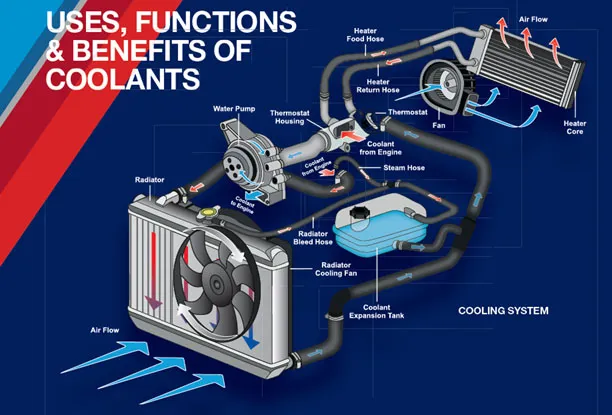
The engine of a car gets very hot. Coolant helps by absorbing this heat. It moves through the engine, soaking up the heat. This keeps the engine from getting too hot. Too much heat can damage the engine parts. So, coolant is very important. Without it, the engine can break.
After absorbing heat, the coolant moves to the radiator. Here, it lets go of the heat. This is called heat dissipation. The radiator has fans that help cool down the coolant. Once cool, it goes back to the engine. This cycle keeps the engine at a safe temperature. Safety is the main job of coolant.
Corrosion Prevention
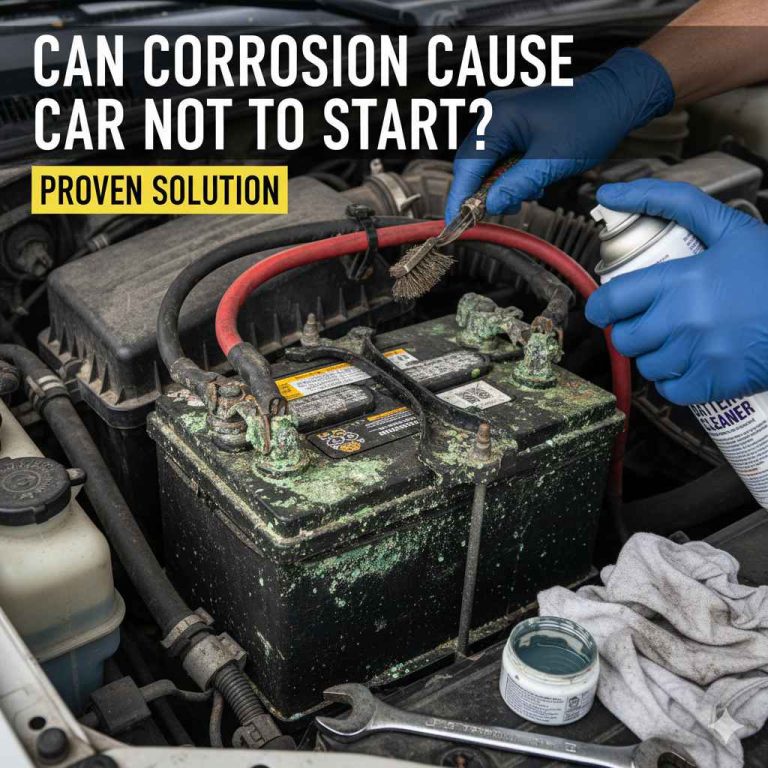
Coolant keeps car engines safe from corrosion. It forms a barrier on metal surfaces. This barrier stops rust from forming. Rust damages car parts like the engine. Coolant helps metal stay strong and lasts longer. Cars run better with protected metal parts.
Coolant contains special chemicals. These chemicals are called anti-corrosion additives. They fight against rust and corrosion. They mix with the coolant to protect metal parts. Additives keep the engine clean and smooth. A clean engine lasts longer. Using the right coolant is important for car health.
.jpeg)
Credit: futureautoservice.net
Lubrication Properties
Coolant helps the water pumpmove smoothly. It acts like a lubricant. This reduces wear and tear. The pump lasts longer. Without proper lubrication, pumps can fail. Repairs can be costly. The right coolant ensures the pump works well. This keeps your engine happy.
Coolant keeps the engine from overheating. It moves heat away. Engines run best at the right temperature. Overheating can damage parts. Proper coolant use saves on repairs. It also keeps fuel usage low. This means better gas mileage. Coolant is key for engine health.
Preventing Freezing
Coolant keeps the engine from freezing. It is also called antifreeze. This fluid mixes with water. It lowers the freezing point. The engine stays safe even in cold weather. Coolant flows through the engine parts. It does not allow ice to form. It protects the car in winter.
Coolant helps the car run well in cold. It keeps the engine warm. The car starts easily in winter. Coolant prevents parts from breaking. It stops engine damage due to cold. The fluid keeps the car running smoothly. The car performs better in low temperatures.
Boiling Point Elevation
Coolanthelps the engine stay cool. It raises the boiling pointof the water. This means water boils at a higher temperature. The engine can run hotter without overheating. This is very important in the summer.
When the engine gets hot, the coolant keeps it safe. It stops water from boiling away. Without coolant, the engine could get too hot. This can cause damage. Preventing boilskeeps the engine working well. It protects important parts.
Signs Of Coolant Issues
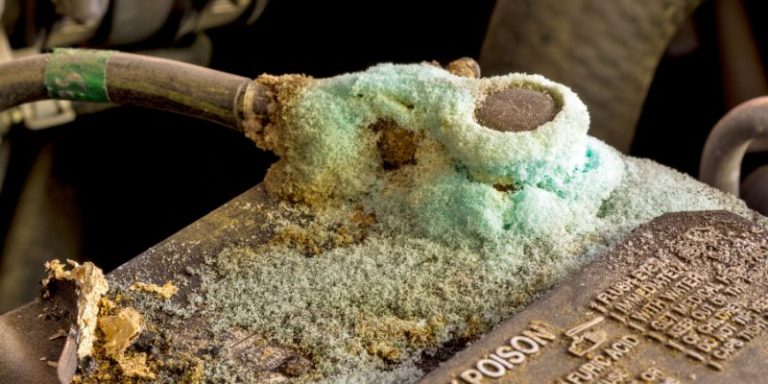
Coolant leaks can be a big problem. Wet spots under your car may be a sign. These spots are usually green or orange. Check your coolant level regularly. Low levels can mean a leak. Leaking coolant can damage your engine. It can cause parts to rust. This can lead to costly repairs. Be sure to fix leaks quickly.
An overheating engine is a serious issue. If your car gets too hot, it can break. Coolant helps keep the engine cool. Watch the temperature gauge on your dashboard. If it rises too high, stop driving. Let the engine cool down. Check the coolant level. Add more if needed. Overheating can cause major problems. Avoid them by keeping coolant levels steady.
Maintenance Tips
It’s important to check the coolant leveloften. A simple look under the hood can help. Make sure the coolant is between the minimumand maximumlines. Low coolant can cause the engine to overheat. This can lead to big problems. Always check the coolant when the engine is cold. This keeps you safe from burns.
Coolant should be replaced every couple of years. Old coolant doesn’t work well. It can become dirty and less effective. New coolant helps keep the engine cool. Follow the car manual for the right type of coolant. Different cars need different coolants. Always use the right one. This ensures the engine stays healthy.
Frequently Asked Questions
What Is The Purpose Of Coolant In Cars?
Coolant regulates the car engine’s temperature, preventing overheating. It circulates through the engine, absorbing excess heat. By transferring the heat to the radiator, it ensures optimal engine performance. Proper coolant levels maintain engine efficiency and prevent damage. Regularly checking coolant levels is vital for engine health.
How Often Should Car Coolant Be Changed?
The frequency of coolant change depends on the vehicle and coolant type. Typically, it’s every 30,000 to 50,000 miles. However, consult your vehicle’s manual for specific recommendations. Regular checks ensure optimal performance. Neglecting coolant changes can lead to engine overheating and damage.
Can I Use Water Instead Of Coolant?
Using water alone is not recommended for cooling your car’s engine. Water lacks the necessary properties to prevent freezing and corrosion. Coolant contains additives that protect the engine from rust and freezing. Always use the recommended coolant mixture for optimal engine protection.
What Are Signs Of Low Coolant Levels?
Common signs of low coolant include engine overheating, a warning light, or steam from the engine. You might also notice a sweet smell or puddles under the car. Regularly check coolant levels to prevent engine damage. Address any leaks immediately to maintain engine health.
Conclusion
Coolant is vital for your car’s engine health. It prevents overheating. It keeps the engine running smoothly. Without it, the engine can suffer damage. Regular checks ensure your coolant levels stay adequate. This simple maintenance can save you costly repairs.
Invest time in understanding your car’s needs. Coolant is more than just a liquid. It’s a key component for optimal performance. Keep your engine cool, and it will last longer. A well-maintained engine means a reliable car. Always prioritize your vehicle’s cooling system.
This ensures your car runs efficiently every day.