What Does It Mean When a Bird Hits Your Car? Essential Guide
When a bird hits your car, it usually means a sudden collision, potentially causing minor cosmetic damage like a feather smudge or, less commonly, paint chips or a cracked windshield. It’s a startling but typically manageable event that necessitates a quick cleanup and inspection to ensure your car’s safety.
It can be quite a shock when a bird suddenly collides with your car. One moment you’re driving along, and the next, there’s an unexpected thud and perhaps a mess on your windshield. This common occurrence can leave drivers feeling startled and a bit unsure about what it means for their vehicle. Don’t worry! Understanding what to do after a bird strike is straightforward. This guide will walk you through everything you need to know, from immediate steps to long-term care, so you can handle it with confidence.
Understanding Bird Strikes on Vehicles
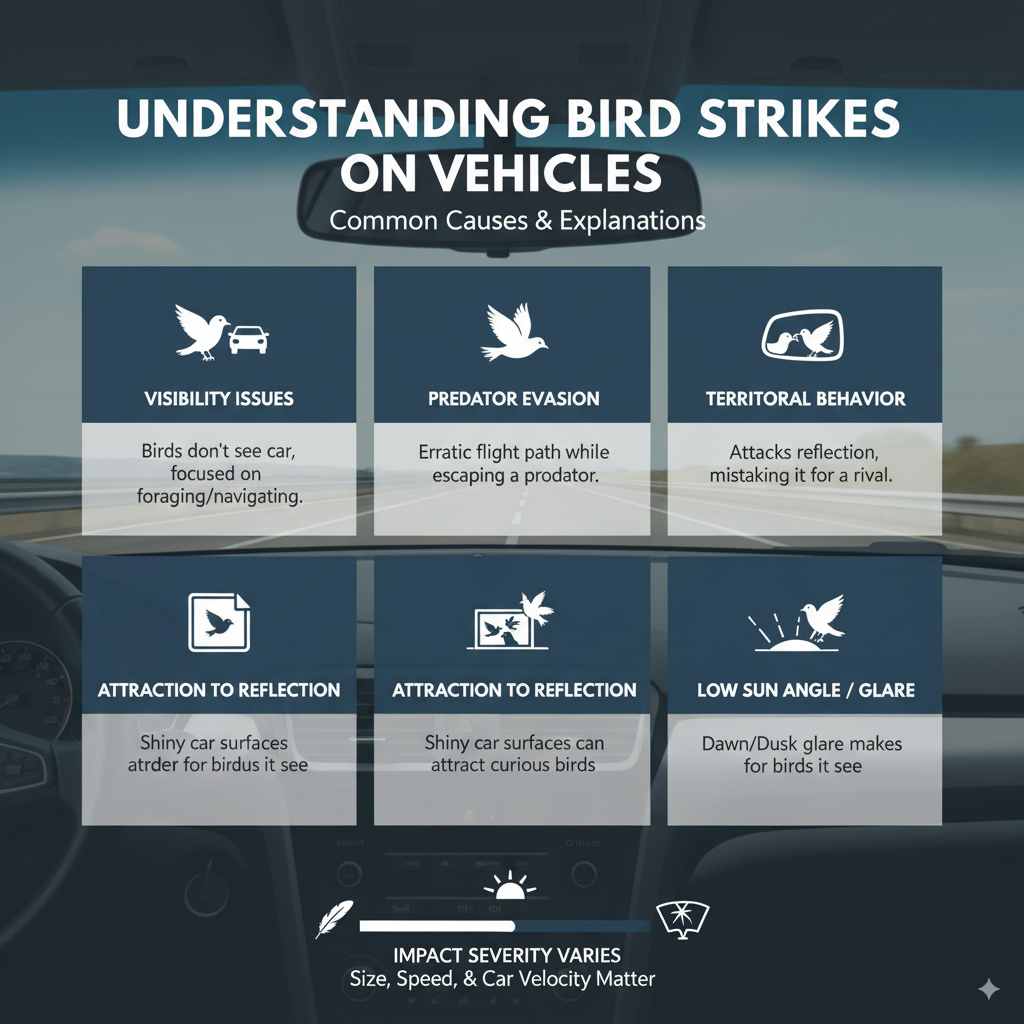
Bird strikes, while startling, are a relatively frequent event for drivers, especially in areas with abundant bird populations or during migration seasons. These incidents are generally accidental and happen for various reasons:
- Visibility Issues: Birds might not see your car coming, especially at high speeds or when they are focused on foraging or navigating.
- Predator Evasion: Sometimes, birds dart or fly erratically while escaping a predator, and they may misjudge their path.
- Territorial Behavior: In some cases, particularly with certain predatory birds, they might mistake their reflection in your car for a rival and attack.
- Attraction to Reflective Surfaces: Shiny car surfaces can sometimes attract birds.
- Low Sun Angle: During dawn or dusk, low sun angles can create glare, making it harder for birds to see clearly.
The impact itself can range from a gentle brush to a more significant collision, depending on the bird’s size, speed, and the car’s velocity. While most strikes are minor, it’s always good to know what to look for and how to address any potential issues.
Immediate Steps After a Bird Strike
Your first reaction might be surprise, but taking a few immediate steps can help minimize potential damage and ensure you’re safe. Here’s what to do:
- Stay Calm and Check for Safety: The initial impact can be startling. Take a deep breath. If you are driving, ensure you can do so safely. Do not swerve suddenly. If the impact was severe enough to affect your visibility or control, find a safe place to pull over as soon as possible.
- Assess the Damage (Safely): Once you’ve stopped in a secure location, step out and take a look at your vehicle. Check the windshield, hood, and any other affected areas. Look for broken glass, paint chips, or significant dents.
- Initial Cleanup of Debris: Bird droppings and feathers can be acidic and can etch into your car’s paint if left for too long. If you have water and a clean cloth or paper towel in your car, it’s a good idea to gently wipe away any significant debris. Avoid scrubbing aggressively, as this can scratch the paint.
- Note the Incident (Optional but Recommended): If the damage seems significant, or if you suspect the windshield might be cracked, make a mental note of the time and location. This can be helpful if you plan to file an insurance claim or simply for your own records.
Taking these quick actions can make a big difference in preventing further damage and understanding the situation clearly.
Assessing Vehicle Damage from Bird Strikes
The extent of damage from a bird strike can vary greatly. It’s important to know what to look for after the initial shock wears off. Here’s a breakdown of potential damage areas and what they might look like:
Windshield and Glass
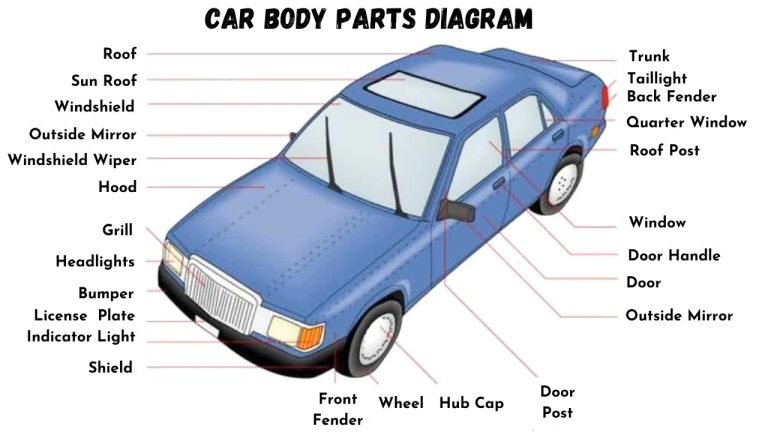
The windshield is often the most common point of impact.
- Feathers and Smudges: This is the most frequent outcome. A visible residue of feathers left behind.
- Scratches: The bird’s claws or beak, especially during a forceful impact, could potentially leave light scratches on the glass.
- Small Chips or Cracks: In rarer cases, a direct hit from a larger bird or a bird carrying something hard can cause a small chip or even a crack in the windshield. This is more likely if the windshield already has a minor imperfection.
Paintwork
The painted surfaces of your car, primarily the hood, front bumper, and sometimes the roof or mirrors, can also be affected.
- Bird Dropping Stains or Etching: Bird droppings are acidic. If left to bake in the sun, they can eat into the clear coat and paint, leaving a discolored or etched mark. This often looks like a dull or slightly darker spot where the dropping was.
- Scratches: Similar to glass, feathers or the body of the bird can cause minor abrasions on the paint surface.
- Paint Chips: A more forceful impact can sometimes chip away small pieces of paint, exposing the primer or metal underneath. This is more common if the bird hits an edge or a raised surface.
Other Areas
While less common, other car parts can also be impacted.
- Mirrors: Side mirrors can be hit, potentially cracking or chipping the mirror glass or damaging the housing.
- Headlights/Taillights: The plastic lenses of your lights can sometimes be scuffed or cracked.
- Wiper Blades: While usually resilient, wiper blades could be damaged or dislodged by a direct impact.
It’s crucial to inspect these areas carefully. For instance, a cracked windshield might not be immediately obvious but can compromise structural integrity. You can often check for paint damage by running your hand over the area (once it’s clean) and feeling for any rough spots or indentations. A quick wash can reveal a lot about the condition of your paint.
Cleaning Up After a Bird Strike: A Step-by-Step Guide
Dealing with the aftermath of a bird strike is primarily a cleaning job. Proper cleaning not only makes your car look better but also protects its finish. Here’s how to tackle it:
What You’ll Need:
- Clean microfiber cloths or soft towels
- A bucket of clean water
- A pH-neutral car wash soap
- A spray bottle with water (for rinsing)
- Optional: Bird dropping remover or a dedicated bug and tar remover
- Optional: Car wax or sealant
The Cleaning Process:
- Gather Your Supplies: Have everything ready before you start. It’s best to clean your car in a shaded area to prevent water spots and soap from drying too quickly.
- Pre-Rinse Affected Areas: Gently rinse the areas with feathers and droppings with clean water. This helps to loosen any dried-on debris and prevents you from grinding dirt into the paint during the washing phase.
- Gentle Washing: Mix your car wash soap with water according to the product’s instructions. Using a clean microfiber mitt or cloth, gently wash the affected area. Work from top to bottom.
- Tackling Stubborn Droppings: For dried or stubborn bird droppings, avoid aggressive scrubbing. It’s better to let the soapy water soak in for a few minutes. If it’s still difficult, use a dedicated bird dropping remover or bug and tar remover. Apply it according to the product’s directions, let it dwell, and then gently wipe away. You can often find excellent guides on safely using these products from reputable automotive care sites like Meguiar’s, a well-known automotive care brand.
- Rinsing Thoroughly: Once the area is clean, rinse it thoroughly with clean water. Ensure all soap residue is gone.
- Drying Carefully: Use a clean, dry microfiber towel to gently pat or wipe the area dry. Avoid using old rags or paper towels, as they can scratch the paint.
- Protecting the Paint (Recommended): Bird droppings are acidic and can etch paint. After cleaning, it’s a good idea to apply a coat of car wax or sealant to the affected area, or even the entire car. This adds a protective layer that will make future cleaning easier and guard against environmental contaminants.
For windshields, a good glass cleaner and a separate clean cloth should suffice for any remaining residue after the initial rinse.
Dealing with Minor Paint Damage
If you discover minor paint damage like scratches or dull spots after cleaning, there are solutions you can try at home, depending on the severity.
Minor Scratches
These are often superficial and only affect the clear coat.
- Clay Bar Treatment: If the scratch is very light and you can barely feel it with your fingernail, a clay bar treatment can sometimes lift light surface contaminants that are causing the visible scratch. Following this with a polish can restore shine.
- Rubbing Compound or Polishing Compound: For slightly deeper clear coat scratches, a rubbing compound (more abrasive) or a polishing compound (less abrasive) can be used. Apply a small amount to a clean cloth and rub the scratched area in a back-and-forth motion. Always follow the product instructions carefully, and test in an inconspicuous area first. Many automotive detailers recommend using products from brands like Griot’s Garage for their effectiveness and clear instructions.
- Touch-Up Paint: If the scratch has gone through the clear coat and into the color coat, or even to the primer, your best bet is to use touch-up paint. These paints are color-matched to your car’s original paint code. Clean the scratch thoroughly, apply thin layers of paint with a fine brush or applicator, allowing each layer to dry. A clear coat pen can be applied over the color afterwards.
Dull Spots or Etching
These occur when the acidic droppings have compromised the clear coat.
- Polishing: Often, a good polishing compound can remove the dullness and restore the shine to the area.
- Wax or Sealant: Applying a good quality wax or sealant can help fill in very minor imperfections and protect the paint from further damage.
When to Call a Professional
If the paint is deeply chipped, exposing metal, or if you’re uncomfortable performing these tasks, it’s always best to consult a professional auto detailer or body shop. They have the tools and expertise to repair more significant damage seamlessly.
Managing Windshield Damage
A bird strike on your windshield requires attention, especially if there’s any damage beyond just smudges.
Minor Scuffs or Residue
If you only have light scuffs or residue left from feathers, standard glass cleaner and a microfiber cloth are usually enough to get your windshield sparkling clean again.
Chips and Cracks
This is where it gets more serious. A small chip or crack can:
- Obscure Vision: Even small damages can distort your view of the road, posing a safety risk.
- Spread: Temperature changes and vibrations from driving can cause chips and cracks to spread and worsen over time, eventually requiring a full windshield replacement.
- Compromise Structural Integrity: The windshield is a key structural component in a car’s safety system, contributing to roof strength during rollovers and supporting airbags. Damage weakens this function.
Repair vs. Replacement
Small chips (typically smaller than a quarter) can often be repaired by a professional. This process involves injecting a special resin into the damaged area, which is then cured to fill the void and prevent spreading. Organizations like the Automotive Glass Research Program at AGRussell.com provide valuable information on glass repair techniques and standards. For cracks, or if the damage is close to the edge of the windshield, replacement is usually necessary.
Important Note: Many auto insurance policies cover the cost of windshield repair or replacement, often waiving the deductible. Check with your insurance provider to see what your coverage entails.
Preventing Future Bird Strikes
While you can’t completely prevent all bird strikes, there are a few things you can do to reduce the chances:
- Be Mindful of Bird Hotspots: During certain times of the year (like spring and fall migration), be extra vigilant in areas known for large bird populations or on highways that run through their habitats.
- Avoid Parking Under Trees or Perches: Birds often congregate in trees, power lines, or other elevated spots. Parking in open areas can reduce opportunities for unexpected encounters.
- Keep Your Car Clean: A clean car is less likely to attract birds. Regularly washing your vehicle, especially removing bird droppings promptly, can help.
- Consider Reflective Elements (Use with Caution): Some believe reflective elements on cars might deter birds, but this is not a guaranteed solution and could also be distracting. It’s generally not recommended as a primary prevention method.
- Drive Defensively: Especially in rural or wooded areas, stay alert. Sometimes, driving at slightly lower speeds can give you more reaction time if a bird does take flight unexpectedly.
Ultimately, bird strikes are a natural part of driving and interacting with the environment. Focusing on quick, proper cleanup and addressing any damage efficiently is the best approach.
Common Scenarios and What They Mean
Understanding bird strikes can be demystified by looking at common scenarios:
| Scenario | Likely Meaning | Recommended Action |
|---|---|---|
| Feathers and a smudge on the windshield. | A light brush or a near-miss. The bird likely flapped against the glass. | Clean with glass cleaner and microfiber cloth. |
| A visible bird dropping on the hood or roof. | Direct impact with droppings. The bird may have been flying low or directly towards your car. | Clean promptly with car wash soap. Protect paint with wax/sealant. |
| A small chip or pit on the windshield. | A more forceful impact, possibly with the bird’s beak or a harder element it was carrying. | Inspect carefully. Consider professional repair for chips to prevent spreading. |
| Minor white scratches on the paint. | Feathers or the bird’s body caused light abrasion on the clear coat. | Attempt to polish out with a mild abrasive compound or polish. |
| A loud thud and significant impact. | A direct hit from a larger bird at speed. Could result in a deeper chip, crack, or even a dent. | Pull over safely. Inspect for windshield cracks, paint damage, or other issues. Consult a professional if significant damage is found. |
It’s useful to remember that birds are not intentionally targeting your car. They are usually acting out of instinct, survival, or simple miscalculation. The key is to react logically based on the type and severity of the damage you observe.
Frequently Asked Questions About Bird Strikes
Q1: Is it bad luck if a bird hits my car?
A1: In many cultures, a bird hitting a car is seen as a sign of change or a warning, but it’s not inherently good or bad luck. From a practical standpoint, it’s simply an environmental encounter that requires a quick cleanup and inspection.
Q2: Can a bird strike really damage my car’s paint permanently?
A2: Yes, bird droppings are acidic and can permanently etch into your car’s paint if left untreated, especially in warm weather. Prompt cleaning is crucial to prevent lasting damage.
Q3: Should I worry if a bird flew into my windshield and immediately flew away?
A3: If the bird flew away, it likely means the impact was minor and didn’t injure it severely. Your primary concern should be checking your windshield for any chips, cracks, or significant scratches that could affect visibility or structural integrity.
Q4: How often should I clean bird droppings from my car?
A4: It’s best to clean bird droppings as soon as you notice them. If that’s not possible, aim to clean them within a day or two, especially if your car is parked in direct sunlight, to minimize the risk of paint damage.
Q5: What if the bird strike was very forceful?
A5: If the impact was forceful enough to startle you, cause significant noise, or you suspect damage, it’s wise to pull over safely at your earliest convenience. Inspect the car thoroughly for windshield chips or cracks, paint damage, or any potential damage to lights or mirrors.