What Happens If Your Rental Car Gets Stolen? (Who Pays)
If your rental car is stolen, you’re financially responsible for its value, plus loss-of-use and administrative fees, unless you bought a Loss Damage Waiver (LDW) — standard CDW alone usually doesn’t cover theft. Skipping the police report can void every protection you have, including credit card benefits. This guide covers the exact steps to take first, what LDW and your own auto policy actually pay for, and the deductible range you could still owe.
Quick Answer
Call the police first and get the report number — most rental companies won’t open a theft claim without it. Then call the rental company, then your insurer or credit card company to check coverage. Without a Loss Damage Waiver, you’re typically liable for the car’s value, a $500–$3,500 deductible, and loss-of-use fees.
What to Do Immediately If Your Rental Car Is Stolen
Act in this order — calling the rental company before the police, or skipping the report entirely, is the single most common mistake that costs renters coverage they’d otherwise have.
- Call the police immediately: Report the theft from where you’re standing. Give the car’s color, make, model, and license plate number so officers can circulate it right away.
- Get the police report number: Ask the responding officer how to obtain a copy of the report and write down the reference number — most rental companies will not open a theft claim without it.
- Call the rental company: Report the theft on the rental company’s emergency or roadside line, provide the police report number, and note the representative’s name and a call reference number.
- Contact your insurer or credit card company: Ask your personal auto insurer whether your comprehensive coverage extends to the rental, and ask your credit card issuer whether its rental benefit covers theft.
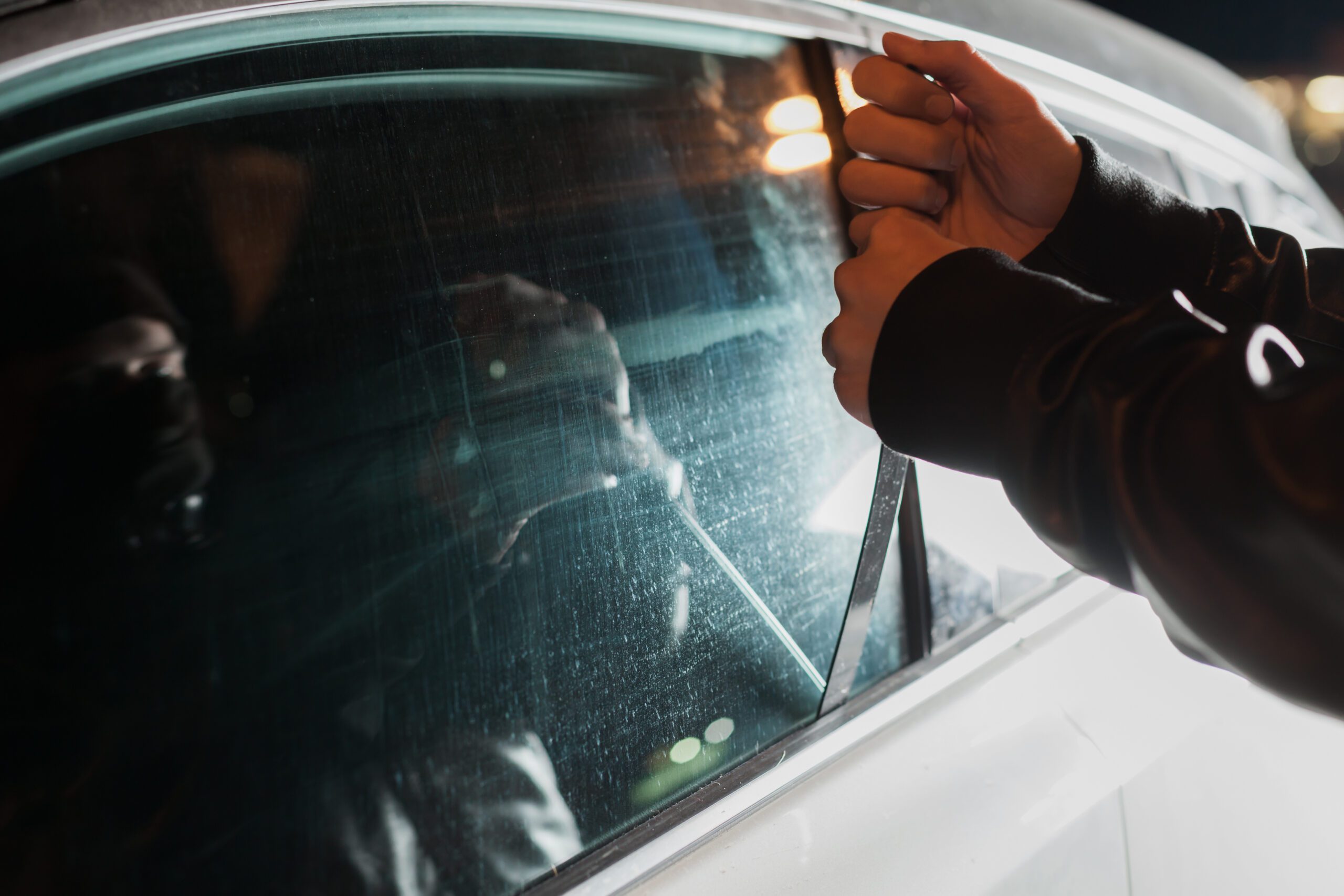
- Document everything: Photograph the area where the car was parked, note any broken glass or forced-entry signs, ask nearby businesses about security camera footage, and keep every document together.
How to Document a Stolen Rental Car for Your Claim
Start by photographing the parking area itself — the empty space, any broken glass, and the surroundings. These details support the police report and give your insurer or the rental company’s claims team something concrete to work from.

Ask anyone nearby if they saw anything and write down what they tell you — a witness statement is useful even if it’s brief. If the lot has security cameras, ask the property owner or attendant about footage before it’s overwritten; many systems only retain a few days of recordings. Keep the police report number, the rental company’s claim reference, and every receipt together, since you’ll need them again for your insurance claim.
Best Rental Car Theft Evidence Pick
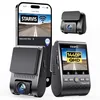
VIOFO Dual Dash Cam A129 Plus Duo – $169.99
Front and rear recording with Parking Mode and motion detection — exactly the kind of footage that supports the police report and documentation steps above if someone breaks in or drives off while the car is parked.
- Best for: Capturing evidence of a break-in or theft attempt while the rental is parked
- Why we picked it: Parking Mode keeps recording on battery power after the engine’s off, which is when most rental car theft happens
- Main drawback: Needs a hardwire kit or portable power bank for extended parking-mode recording in a rental you don’t own long-term
Compare more rental car theft protection options
 Option 1 Apple AirTag (2nd Gen) 4-Pack – $92.98
|
 Option 2 The Club 1000 Steering Wheel Lock – $56.84
|
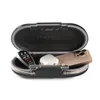 Option 3 Master Lock Portable Travel Safe – $16.17
|
As an Amazon Associate we earn from qualifying purchases.
Who Actually Pays If Your Rental Car Is Stolen?
This is where most renters get caught out: a standard Collision Damage Waiver (CDW) usually covers accident damage but not theft. Coverage for a stolen vehicle comes from the broader Loss Damage Waiver (LDW), which combines CDW with theft protection. If you didn’t buy the LDW and the car isn’t recovered, you’re typically on the hook for the car’s fair market value, plus a deductible, loss-of-use charges, and an administrative fee.
📊 A CDW/LDW deductible for a stolen rental car typically runs $500–$3,500, most commonly $1,000–$1,500 — and theft usually isn’t covered by a basic CDW alone; you need the broader LDW. Source: WalletHub, 2026
If you have comprehensive coverage on your own car, it typically extends to a rental used for personal travel, subject to your own policy’s deductible — though that extension often doesn’t apply if the rental is for business use. Many premium credit cards, including some rental car insurance benefits like Capital One’s, also cover theft of the vehicle itself, but they frequently exclude loss-of-use and administrative fees — read the benefits guide, not just the marketing page, before assuming you’re fully covered.
| Coverage Source | Covers Theft of the Vehicle? | Covers Your Belongings? | Typical Out-of-Pocket |
|---|---|---|---|
| Rental company’s basic CDW | Usually not | No | Full vehicle value if stolen |
| Rental company’s LDW | Yes | No | $500–$3,500 deductible + fees |
| Your personal auto policy (comprehensive) | Usually, for personal trips | No | Your policy’s own deductible |
| Credit card rental benefit | Often — check terms | No | Varies; loss-of-use/admin fees often excluded |
| Renters or homeowners insurance | No | Yes | Your policy’s deductible and limit |
Rental Car Theft vs. Theft From Your Rental Car: Two Different Claims
These get lumped together, but they’re separate problems with separate coverage. “Theft of the car” means the vehicle itself is gone — that’s what CDW/LDW, your personal auto policy, or a credit card benefit responds to. “Theft from the car” means someone broke in and took your phone, laptop, or luggage while the car stayed put — the rental company’s theft protection generally does not cover that.
Personal belongings stolen out of a rental car are typically a claim against your own renters or homeowners policy, not the rental company — subject to your policy’s own deductible and coverage limit. If you don’t carry renters or homeowners insurance, those items usually aren’t covered by anything tied to the rental at all, so it’s worth keeping valuables out of sight or off the passenger seat in the first place.
Legal Responsibilities Under the Rental Agreement
Your liability for a stolen rental car is set by the rental agreement you signed at the counter, not by general assumption. Most major rental companies write theft into the same liability clause as collision and vandalism damage.
What Your Rental Agreement Actually Says
“The renter is responsible for any and all loss of or damage to the car resulting from any cause including but not limited to collision, rollover, theft, tire damage and vandalism.”
That’s a real, current excerpt from one major rental company’s own published terms — and it’s representative of how most carriers write the clause. A waiver can also become void if the loss happened because of something the rental agreement prohibits, such as driving on unpaved roads it doesn’t cover or leaving the vehicle in a way that violates the agreement’s terms. Read the agreement before you drive off the lot, not after something goes wrong.
How to Prevent Rental Car Theft
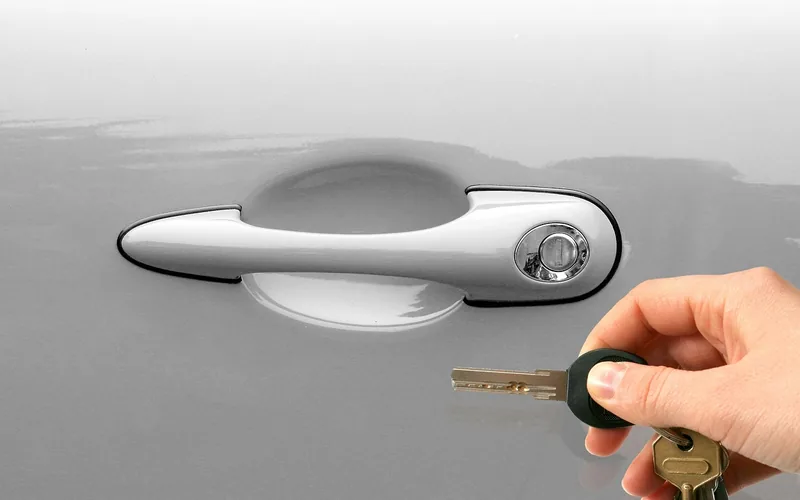
- Lock every door and roll up every window, every time you leave the car — even for a two-minute stop.
- Never leave the key in the car, and never leave the engine running unattended.
- Keep bags, electronics, and valuables out of sight — in the trunk, not on a seat.
- Park in well-lit, busy areas with foot traffic, or in a garage with cameras and an attendant.
- Use a visible anti-theft device, like a steering wheel lock, in higher-risk areas or overnight street parking.
- Note your parking spot, level, and any nearby landmarks — a fast, accurate description helps police and the rental company move quicker.
Where to Get Help After a Rental Car Theft
The rental company’s claims department handles the paperwork on their end and can usually offer a replacement vehicle once the police report and their forms are filed. Call their dedicated claims or roadside line rather than a general reservations number — it moves faster. This is a different process than a rental car damaged or wrecked in a crash; see our guide on who’s responsible for a rental car in an accident if that’s your situation instead.
If your credit card offers rental car benefits — for example, some travel cards cover rental car insurance as a cardholder perk — call the benefits administrator listed on your card issuer’s site, not the general customer service line, and have your rental agreement and police report ready. If the rental company or your insurer disputes the charges, or the loss-of-use and administrative fees seem inflated, a consumer-protection attorney or your state’s attorney general consumer division can review the rental agreement for enforceability in your state.
Frequently Asked Questions
Am I Responsible If My Rental Car Is Stolen?
Yes, in most cases you’re responsible up to what the rental agreement specifies — often the full vehicle value unless you purchased the Loss Damage Waiver, in which case your liability drops to the stated deductible. Review your specific rental agreement’s liability clause, since terms vary by company.
Will My Insurance Pay If My Rental Car Is Stolen?
Often yes, if you carry comprehensive coverage on your own vehicle and were renting for personal (not business) use — it typically extends to the rental, subject to your own policy’s deductible. Call your insurer before you assume this, since coverage varies by policy and state.
Can You Track a Stolen Rental Car?
Often yes — many rental fleets include GPS tracking that the rental company can use to help locate a stolen vehicle. Reporting the theft to the police and rental company as quickly as possible significantly improves the odds of recovery.
Are Rental Cars Targeted for Theft?
Yes — thieves sometimes assume rental car occupants are tourists likely to leave valuables inside or be less familiar with the area. Parking in well-lit, busy areas and keeping items out of sight reduces the risk.
What Happens If I Don’t Buy a Loss Damage Waiver and My Rental Car Is Stolen?
Without an LDW, you’re typically liable for the car’s full fair market value, plus loss-of-use fees and an administrative fee, unless your personal auto policy’s comprehensive coverage or a credit card benefit applies instead. Check both before you decline the rental company’s waiver at the counter.
Are My Personal Belongings Covered If They’re Stolen From a Rental Car?
Usually not by the rental company — its theft protection covers the vehicle, not what’s inside it. Items stolen from the car are typically a claim against your own renters or homeowners insurance, subject to that policy’s deductible and coverage limit.
Conclusion
Call the police first, get the report number, then call the rental company — in that order. What you owe after that depends entirely on whether you bought the Loss Damage Waiver: without it, expect to be liable for the car’s value plus loss-of-use and administrative fees; with it, your exposure typically drops to a $500–$3,500 deductible. Check your personal auto policy and credit card benefits before you travel, not after the car is gone.
Products related to this article
Sponsored / affiliate links. As an Amazon Associate I earn from qualifying purchases. I may earn additional commission from eligible campaigns.
 4G GPS Tracker Car Anti-Theft Long Battery Life 20000mAh Real Time GPS Tracking Device Magnet No Geographic Restriction Car Tracker with Alerts, Geo Fence, History Playback TK905C
 Motorsi 3.16" Dash Cam Front and Inside Car Dash Mount Camera HD Screen DVR Video Recorder Driving Recorder Support Night Vision Parking Monitoring Exposure Compensation 64GB TF Card