What Happens to Pimp My Ride Cars: Proven Fate
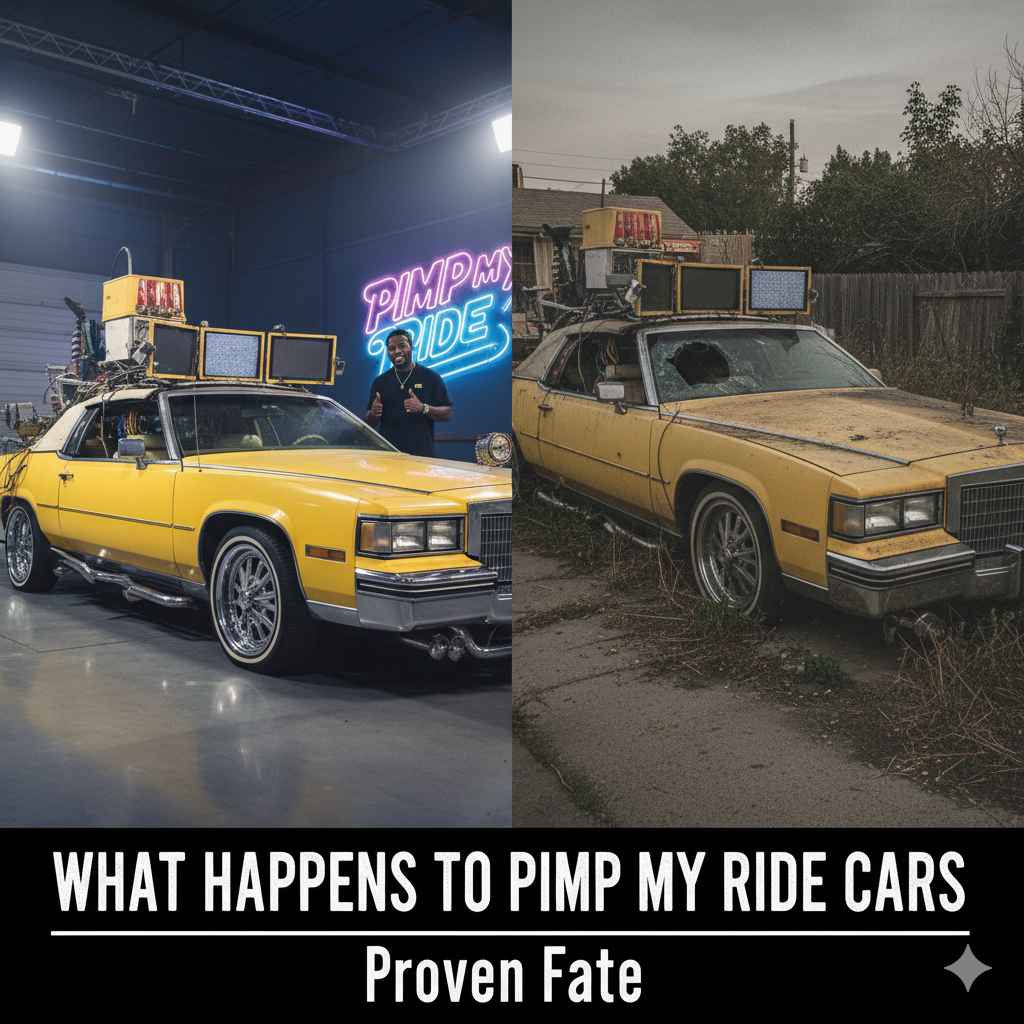
So, what happens to Pimp My Ride cars? Most of the heavily modified cars from the show were either returned to a more stock form by their owners, sold off, or unfortunately, fell into disrepair due to their extreme customizations. Very few remain in their pimped-out condition today.
Remember the excitement of watching Pimp My Ride? Cars that were once rusty relics were transformed into rolling works of art, bursting with futuristic gadgets and wild paint jobs. It was pure television magic! But as the credits rolled and the cameras stopped filming, a big question lingered for many: what really happened to these incredibly customized rides? Did they become daily drivers, treasured classics, or did they sadly fade away? If you own a car with some unique upgrades, or you’re just curious about the fate of these automotive stars, you’re in the right place. We’re going to uncover the proven fate of these Pimp My Ride vehicles, separating the reality from the TV show fantasy.
Get ready to learn what became of these iconic machines and what lessons we can learn about extreme car customization.
The Reality Behind the Cameras: What Happened to Pimp My Ride Cars?
It’s no secret that Pimp My Ride was a show about entertainment as much as it was about cars. While the transformations were jaw-dropping and the spirit of the show was about giving deserving people a fantastic car, the extreme nature of many modifications led to a complicated reality for these vehicles once they left the West Coast Customs (WCC) garage.
Initial Excitement vs. Long-Term Viability
When a car was unveiled on Pimp My Ride, it was a moment of pure joy and disbelief for the owner. These vehicles were equipped with features that were cutting-edge for their time, and often, well beyond what a typical owner could afford or even imagine. Think custom paint, hydraulic suspension systems, elaborate sound systems, and even integrated video game consoles or giant screens.
However, the excitement of receiving a brand-new, incredibly tricked-out car often faded when faced with the practicalities of everyday life. Many of these modifications, while visually stunning and fun for a TV segment, weren’t always built with long-term reliability or ease of maintenance in mind.
Common Fates of Pimp My Ride Vehicles
Let’s break down what typically happened to these transformed machines:
- Returned to a More Stock Form: Many owners, after the initial novelty wore off or when practical issues arose, found themselves reverting some of the more extreme modifications back to a more functional and reliable setup. This might involve removing custom electronics that were prone to failure or weren’t practical for daily use.
- Sold Off: Some owners, perhaps overwhelmed by unique maintenance needs or simply wanting to cash in on a unique vehicle, sold their pimped-out rides. The resale value of such heavily customized vehicles can be tricky; they often appeal to a very niche market.
- Fell into Disrepair: This is perhaps the most common and saddest fate for many of the cars. Extreme, non-standard modifications, especially those involving hydraulics, complex electrical systems, or custom bodywork, can be difficult and expensive to maintain. Without specialized knowledge or regular upkeep, these cars could quickly fall into disrepair, becoming unusable or unsafe.
- Kept as Showpieces: A select few, often by enthusiasts or those who truly cherished the unique work done, managed to keep their cars in good condition. These are typically the cars that received the most thoughtful customizations or were lovingly maintained.
- Further Modifications/Restorations: In some cases, owners might have taken the car as a base and continued to modify or restore it, perhaps to make it more practical or to update the technology.

The Challenges of Extreme Car Customization
Pimp My Ride showcased the pinnacle of automotive fantasy, but these dreams often came with hidden costs and complexities. While the end result on screen looked amazing, the reality of living with such a vehicle could be challenging.
Technical and Electrical Issues
Integrating numerous electronic devices into a car’s existing system, especially when done quickly for television, can lead to a cascade of problems.
- Incompatible Systems: Adding numerous screens, speakers, gaming consoles, and lighting systems can strain the car’s original electrical system. This can lead to blown fuses, battery drain, and short circuits.
- Reliability of Custom Electronics: Many of the gadgets installed were often off-the-shelf or custom-built for the show. Their long-term durability and compatibility with a vehicle’s vibrations and temperature changes are often not as robust as factory-installed components.
- Water Damage: Exposed wiring or poorly sealed custom installations are vulnerable to water damage, especially in rainy climates. This can cause corrosion and electrical component failure.
Mechanical and Structural Modifications
Beyond the electronics, significant mechanical changes also presented long-term drawbacks.
- Hydraulic Systems: While cool for show, hydraulic suspension systems require specialized maintenance. Leaks, pump failures, and worn seals can lead to costly repairs. They also add significant weight to the vehicle.
- Bodywork and Paint: Elaborate custom paint jobs can be susceptible to chips and fading if not meticulously cared for. Extensive body modifications might compromise the structural integrity or safety features of the original vehicle.
- Engine and Performance: While some cosmetic upgrades were made, major engine overhauls were less common. The original powertrain often had to contend with the added weight of all the new features, potentially leading to increased wear and tear.
Maintenance and Repair Nightmares
This might be the biggest hurdle for most owners.
- Finding Specialized Technicians: Who knows how to fix a 15-year-old custom hydraulic system or a unique in-car DJ booth? Regular mechanics often don’t have the expertise, leading owners to seek out very specific, often expensive, specialists.
- Parts Scarcity: Custom parts created for the show are rarely mass-produced. If something breaks, finding direct replacements can be nearly impossible.
- Cost of Repairs: Even minor issues with custom components can be incredibly expensive to fix, often costing more than the car was worth before its Pimp My Ride makeover. For example, replacing a custom-made screen might involve fabricating a new one.
Legal and Insurance Hurdles
Beyond the technicalities, significant modifications can also create legal and insurance headaches.
- Road Legality: Some extreme modifications, like excessively loud exhaust systems, overly tinted windows, or altered suspension heights, might not comply with local vehicle regulations. This can lead to tickets or even the car being impounded. Organizations like the National Highway Traffic Safety Administration (NHTSA) set standards for vehicle safety that can be impacted by extensive modifications.
- Insurance Coverage: Insuring a heavily modified vehicle can be difficult and expensive. Standard policies might not cover the cost of custom parts, and specialized policies can be hard to find and costly. Many insurance companies may view highly customized vehicles as higher risk.
Famous Examples and Their Proven Fates
While it’s hard to track every single car from the show, some have become more notorious than others for their eventual fates.
The Minivan That Couldn’t Serve Clients
One of the most memorable makeovers was a minivan converted into a mobile hair salon. This was a fantastic idea to help a business owner. However, maintaining a fully functional salon inside a vehicle, complete with plumbing and electrical systems, likely presented immense challenges. The wear and tear on such a specialized setup, combined with the need for constant power and water, would demand continuous, expert maintenance. The likelihood is that this vehicle faced significant operational difficulties and likely ceased to be a functional salon quite quickly.
The Sedan with the Super Sound System
Many cars featured incredible audio setups – subwoofers that vibrated the chassis, multiple amplifiers, and custom speaker mounts. While impressive for a car show or a brief demo, these systems consume a lot of power. Often, they were installed without upgrading the car’s alternator or battery, leading to rapid battery drain. Furthermore, the sheer weight of high-end audio equipment can negatively impact a car’s handling and suspension. Over time, these systems could fail due to vibration, heat, or electrical overload, requiring expensive repairs.
The SUV with the In-Car Cinema
Imagine giant screens, gaming consoles, and enhanced lighting. For a teenager or a family, this sounds like a dream. However, the power demands for such systems are substantial. Unless the car’s electrical system was thoroughly upgraded with high-output alternators and auxiliary batteries, these features would quickly drain the battery or stress the electrical components. Moreover, the longevity of screens and playback devices in the vibration-prone environment of a car is questionable. Many of these entertainment systems likely malfunctioned and became unusable.
The Classic Makeover Gone Wrong
Sometimes, older, classic cars were given the Pimp My Ride treatment. While the goal was to enhance look and functionality, overdoing it could actually diminish the car’s classic appeal and value. Adding modern, non-era-appropriate electronics or drastic cosmetic changes could alienate traditional collectors. If the modifications weren’t reversible or were poorly executed, these vehicles might have ended up being more of a novelty than a collectible, potentially falling into neglect if the owner couldn’t maintain the custom additions.
How to Avoid the “Pimp My Ride” Fate with Your Own Car
If you’re considering modifying your car, or if you’ve inherited a vehicle with some unique touches, here are some tips to ensure it remains reliable, enjoyable, and safe:
Prioritize Functionality Over Flash
Think about Daily Use: Will this modification make your daily commute harder? Does it add unnecessary weight or complexity?
Consider Reliability: Opt for modifications that are known for their durability and have a good track record.
Safety First: Ensure any changes don’t compromise your car’s safety features like airbags, crumple zones, or braking systems. Always check local vehicle modification laws. You can find resources on vehicle safety standards from the National Highway Traffic Safety Administration (NHTSA).
Choose Reputable Shops and Parts
Do Your Research: Look for custom shops with excellent reviews and a portfolio of work you admire. Ask for references.
Quality Over Price: Cheaper parts or installations might seem attractive, but they often lead to more problems down the line. Invest in quality components and labor.
Professional Installation: Even if you’re a DIY enthusiast, some modifications, especially those involving electrical systems, suspension, or engine tuning, are best left to professionals.
Understand the Maintenance Requirements
Ask Questions: Before agreeing to any modification, ask the installer about the specific maintenance it will require.
Budget for Upkeep: Factor in the ongoing costs of maintaining custom parts. Some may require regular fluid changes, electrical checks, or specialized cleaning.
Keep Records: Document all modifications made, including parts used and installation dates. This is invaluable if you need future repairs or want to document your car’s history.
Document and Preserve Originality Where Possible
Keep Original Parts: If possible, store original parts that were removed during modification. This can be crucial if you ever decide to revert the car back to stock.
Subtle Upgrades: Sometimes, the best modifications are those that enhance performance or aesthetics without being overtly flashy or complex, allowing for easier integration and maintenance.

FAQ About Pimp My Ride Cars
Q: Did owners get to keep their cars?
Yes, the cars were given back to their original owners after the transformation. The show was about surprising deserving individuals with their newly customized vehicles.
Q: Were the modifications permanent?
Many modifications were intended to be permanent. However, due to the complexity, cost, and practical limitations of some of the extreme custom features, many owners chose to revert some changes or found them difficult to maintain over time.
Q: Could these cars be insured?
Insuring heavily modified vehicles can be challenging. While owners could get insurance, it often required specialized policies, could be more expensive, and might not cover the full cost of unique custom parts if they were damaged or stolen.
Q: Are there any cars from Pimp My Ride still around and in good condition?
Yes, a few cars from the show are occasionally spotted or are known to still exist, often in the hands of collectors or the original owners who have maintained them. However, a significant number have likely been sold, reverted to stock, or fallen into disrepair due to the challenges of maintaining extreme customizations.
Q: How much did the modifications cost?
The exact cost varied greatly per episode and the complexity of the modifications. Reports and estimates suggest that each car’s makeover could range from $10,000 to upwards of $30,000-$50,000 in value at the time of filming. These costs were borne by the production, not the owners.
Q: Who did the modifications on Pimp My Ride?
The primary customization shop for Pimp My Ride was West Coast Customs (WCC) for most of its run. After the show, many of the techniques and ambitious ideas showcased continued to influence the custom car scene.
Q: Are the cars street legal after modification?
While WCC aimed to create show-stopping vehicles, the street legality of some modifications could be a concern. Features like excessively bright lights, extreme suspension changes, or modifications to exhaust systems could potentially fall outside of local vehicle regulations. Owners would need to ensure their customizations complied with laws like those set by the Federal Highway Administration regarding vehicle equipment and safety.
Conclusion: The Legacy of Pimp My Ride
Pimp My Ride* left an indelible mark on car culture, showcasing incredible creativity and the power of a dream car. While the spectacle was undeniably entertaining, the reality for many of these heavily customized vehicles often involved significant challenges in maintenance, reliability, and long-term usability. Many of the cars experienced a rapid decline after the initial excitement, succumbing to the practical pressures of maintaining their elaborate modifications.
However, the show’s legacy isn’t just about a few fading rides. It inspired a generation to think differently about car customization, pushing boundaries and demonstrating what was possible with imagination and skill. It highlighted both the joy of personalized vehicles and the critical importance of thoughtful, practical design in automotive modification. For us car enthusiasts and everyday drivers, the stories of these pimped-out cars serve as a valuable lesson: enjoy personalization, but always balance vision with practicality, and remember that a car’s true value lies not just in its looks, but in its ability to reliably and safely get you where you need to go.