Wide Whitewall Tires for Classic Cars: Correct Width by Era
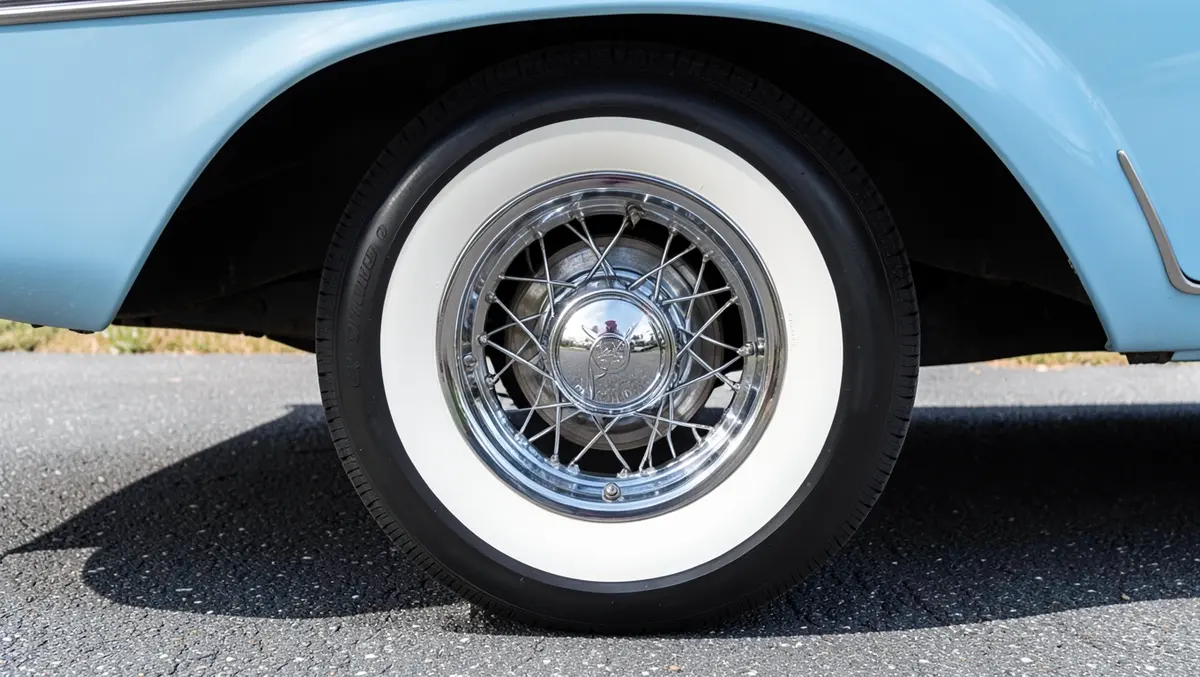
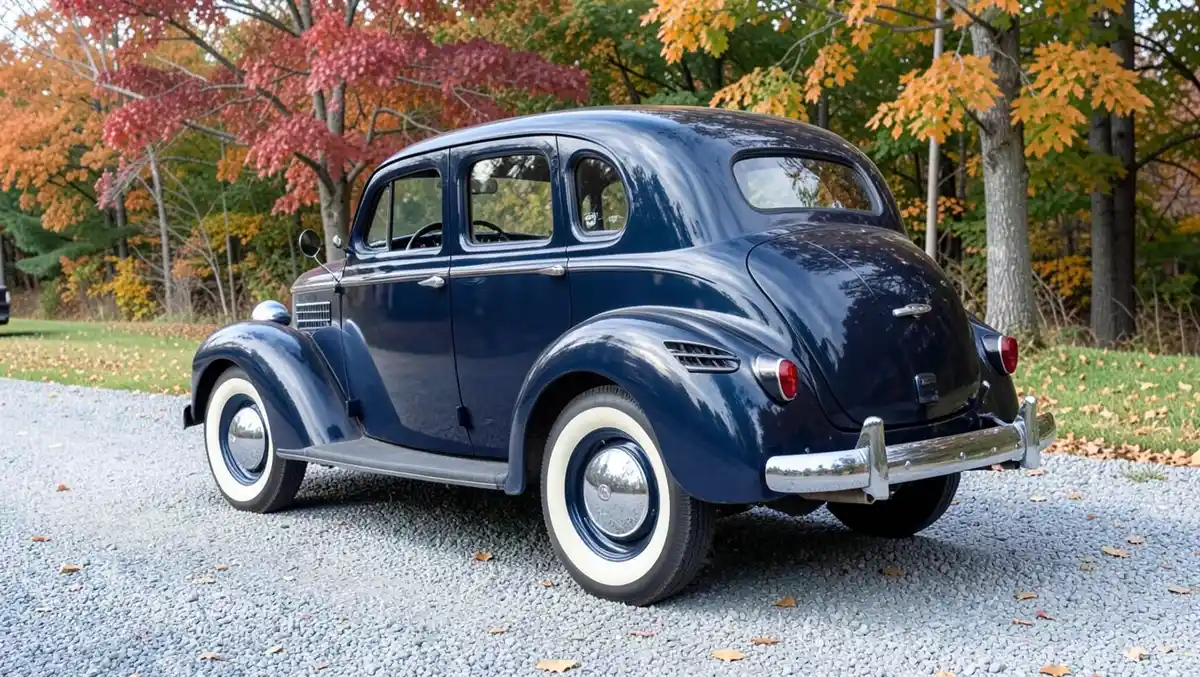
Wide whitewall width is not one universal size — it ran roughly 3 to 4 inches on pre-1946 cars, narrowed to about 2.5 to 3.25 inches through the mid-1950s, then dropped to just 1 inch once Detroit phased wide whitewalls out of regular production in 1962.
Matching that era-correct width is what separates a period-accurate restoration from a tire that just looks old-fashioned. Below is a quick reference for getting the width right, followed by three ways to get the look: a true bias-ply wide whitewall built to original specs, a modern all-season radial with a factory-style stripe, and a budget rubber trim ring that clips over a standard blackwall.
Wide Whitewall Width by Era: A Quick Reference
Whitewall width on American cars narrowed almost every few years from the 1930s through the 1970s, and getting it wrong is one of the fastest ways to tip off a knowledgeable judge at a car show. Use this table as a starting point, then check your model’s original factory literature or a marque-specific club for the exact spec — some makes held onto wider stripes longer than others.
| Era | Typical whitewall width | Notes |
|---|---|---|
| Pre-1946 (1930s–early 1940s) | 3″–4″ | Widest whitewalls ever offered; common on pre-war luxury makes |
| 1946–1955 | 2.5″–3.25″ | The classic “wide whitewall” look most people picture; peak era |
| 1956–1962 | ~2″ | Whitewalls narrowed steadily as tailfin-era styling shifted |
| 1962–1968 | 1″–1.5″ | Wide whitewalls were phased out of most regular production in 1962 |
| Late 1960s–1970s | 5/8″ | Narrow “pinstripe” whitewall on remaining trim levels |
| 1980s–modern | 3/8″ or none | Whitewalls largely disappeared from new-car tires |
If your car predates 1968 and came with an alphanumeric size like H78-15 stamped on the sidewall, that’s vintage bias-ply notation, not a modern metric size. The letter (H) denotes a load and section-width range, “78” is the aspect ratio (sidewall height as a percentage of tread width), and “15” is the wheel diameter in inches. Coker’s H78-15 wide whitewall, for example, cross-references closest to a modern 235/75R15 radial — though ride quality, load rating, and appearance aren’t identical, so confirm with the tire maker before assuming a direct swap. Coker Tire also built the first wide whitewall radial tire in 1994, which is why factory-look whitewalls now come in both old-school bias-ply and modern radial construction.
Coker Tire 62855 Coker Classic Wide Whitewall Bias Ply Tire
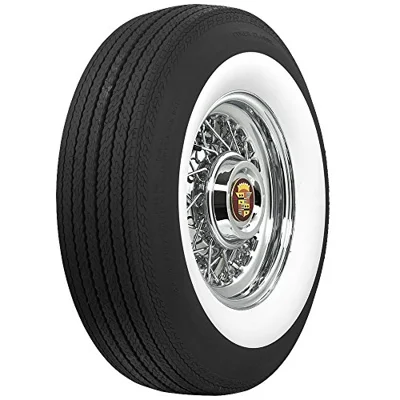
The Coker Tire 62855 Coker Classic Wide Whitewall Bias Ply Tire is a true reproduction bias-ply tire, not a radial with a whitewall decal applied. It is built in the vintage H78-15 size (roughly 5.74” section width, 28.36” overall diameter, for a 15” wheel) with a full 3” whitewall — the correct width for full-size American cars from the late 1940s through the mid-1950s. Because it is bias-ply rather than radial construction, it also delivers the firmer, slightly bouncier ride that period-correct restorers and judged car-show entrants expect from an original-spec tire.
Pros:
- Correct bias-ply construction for a period-accurate ride and appearance, not a radial retrofit.
- Full 3” whitewall matches the 1946–1955 factory-correct width shown in the table above.
- Sized for 15” wire wheels and steel rims common on full-size Cadillac, Buick, Oldsmobile, and Lincoln models of the era.
Cons:
- Bias-ply construction rides firmer and wears faster at modern highway speeds than a radial — it is built for looks and authenticity, not daily-driver comfort.
- Priced well above a generic radial whitewall, reflecting its small-batch reproduction tooling.
Check the current Amazon listing for full specifications, compatibility details, and pricing before purchasing.
To buy this product, click here.
Travelstar Un106 All Season White Wall Radial Passenger Car Tire
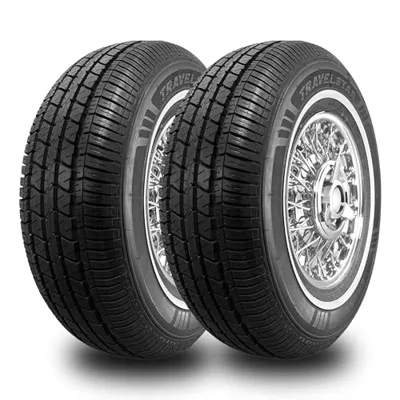
The Travelstar UN106 All Season 18mm White Wall Radial Passenger Car Tire is the perfect choice for car enthusiasts and everyday drivers who are looking for a reliable and stylish tire solution. Ideal for those who appreciate the classic look of a white wall tire, this set offers durability and all-season performance, making it a great fit for anyone looking to enhance both the aesthetics and functionality of their vehicle.
Pros:
- All-season performance ensures safe driving in various weather conditions.
- 18mm white wall design adds a classic and stylish look to vehicles.
- Road Hazard Warranty provides added peace of mind.
- Durable build enhances longevity and value.
Cons:
- Tire only; does not include rims.
- Weight might make handling during installation more challenging.
The Travelstar UN106 tires come with a robust all-season performance, allowing drivers to confidently navigate through various weather conditions without the need to switch tires throughout the year. This convenience is especially beneficial for those living in regions with mild to moderate seasonal changes, offering both safety and cost efficiency. Additionally, the 18mm white wall design not only adds a touch of vintage flair but also enhances the overall appearance of the vehicle, making it stand out on the road.
Another significant advantage of the Travelstar UN106 tires is the inclusion of a Road Hazard Warranty. This feature offers an extra layer of security, protecting the investment against unforeseen road incidents. Furthermore, the tire’s durability ensures long-lasting performance, reducing the need for frequent replacements and providing excellent value over time. However, potential buyers should note that these are tire only options, meaning rims are not included, and the weight of the tires may require assistance during installation.
To buy this product, click here.
Whitewall Tires Topper 4x 14 Wheel White Wall Port-o-wall Rubber Classic Style
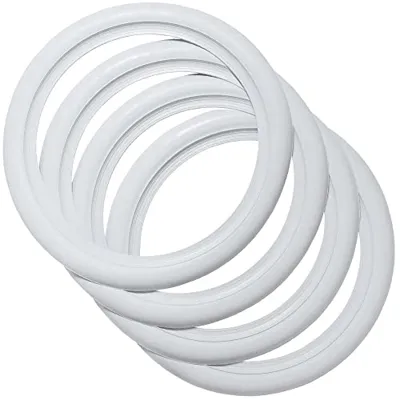
The Whitewall Tires Topper 4X 14 Wheel White Wall Port-O-Wall Rubber Classic Style is perfect for classic car enthusiasts and vintage vehicle owners who wish to enhance the aesthetic appeal of their ride. If you are someone who appreciates the nostalgic charm of classic cars and wants to achieve that vintage look effortlessly, this product is ideal for you.
Pros:
- Easy to install, enhancing your vehicle’s appearance quickly.
- Made from durable rubber, ensuring long-lasting use.
- Compatible with most 14-inch wheels, providing versatility.
- Affordable way to achieve a classic car look without extensive modifications.
Cons:
- May not fit perfectly on all wheel types due to varying rim designs.
- Requires periodic maintenance to keep the white color bright and clean.
The Whitewall Tires Topper offers a blend of style and practicality, designed specifically for those who want to embrace the classic car aesthetic without the high costs associated with traditional whitewall tires. With its easy installation, you can transform your vehicle’s appearance in a matter of minutes, giving it a distinctive, vintage flair that stands out on the road. The durable rubber construction ensures that these toppers are not just a temporary solution but a long-lasting addition to your vehicle’s exterior.
Additionally, the versatility of these toppers makes them an attractive choice for a wide range of car owners. Whether you own a vintage vehicle in need of some aesthetic enhancement or a modern car that you want to give a retro twist, these toppers can accommodate your needs. However, it’s important to ensure that the rims on your wheels are compatible to avoid fitting issues. With minimal maintenance, the brilliant white color can be preserved, ensuring your car looks its best at all times.
To buy this product, click here.
Frequently Asked Questions
What Are Wide Whitewall Tires?
Wide whitewall tires are classic automotive tires with a broad white stripe on the sidewall. They were popular in the mid-20th century. These tires add a vintage aesthetic to classic cars, enhancing their retro appeal. They’re often sought after by enthusiasts restoring vintage vehicles.
What Whitewall Width Is Correct for My Classic Car’s Year?
Whitewall width tracks the model year closely. Pre-1946 cars typically wore a 3-to-4-inch stripe, 1946-1955 models wore the classic 2.5-to-3.25-inch wide whitewall, and the stripe narrowed steadily after that until wide whitewalls were dropped from most regular production in 1962. Check your owner’s manual or a marque-specific club resource to confirm the exact factory width for your specific model and year.
How Do Whitewall Tires Enhance Classic Cars?
Whitewall tires offer a distinctive retro look that complements classic cars. They emphasize the vehicle’s vintage design and historical charm. These tires can make a car stand out, attracting attention at shows and events. For collectors, they are often a must-have for authenticity.
Are Travelstar Un106 Tires Durable?
Yes, Travelstar UN106 tires are designed for durability. They feature an all-season radial construction, providing reliable traction and longevity. The included road hazard warranty offers added protection. They’re suitable for various weather conditions, making them a dependable choice for classic car enthusiasts.
How Do I Maintain Whitewall Tires?
Maintaining whitewall tires involves regular cleaning to prevent discoloration. Use a gentle tire cleaner and a soft brush. Avoid harsh chemicals that can damage the white stripe. Regular maintenance will keep them looking pristine and enhance the overall appearance of your classic car.
Can Port-o-wall Toppers Fit Any Tire?
Port-O-Wall toppers are designed to fit various tire sizes. They mimic the look of authentic whitewall tires. However, it’s important to check compatibility with your specific tire size. Proper installation is crucial to ensure they adhere securely and provide the desired classic look.
Conclusion
Getting the whitewall right starts with matching the width to your car’s actual model year, not just picking whatever looks vaguely vintage. A true bias-ply reproduction like the Coker Classic gets the width and ride character period-correct; the Travelstar UN106 radial trades some authenticity for everyday durability and an all-season warranty; and a Port-O-Wall topper is the budget route for adding the look to an existing blackwall.
Whatever route you choose, confirm the exact width and wheel size against your car’s original specs before ordering — and for a broader lineup of whitewall tire sizes and styles, see our full classic car whitewall tire buying guide.
Products related to this article
Sponsored / affiliate links. As an Amazon Associate I earn from qualifying purchases. I may earn additional commission from eligible campaigns.