Tire Chains Cost: How Much Do They Really Cost?
Tire chains usually cost about $40 to $150 a pair, while cables are often about $60 to $120 and tire socks about $80 to $200; heavy-duty mountain-use sets can reach about $250. Buy the wrong type and you can waste money, lose traction, or get turned around at a chain-control checkpoint. This guide breaks down real price ranges, what changes the price, and which option fits occasional snow, steep mountain roads, and low-clearance vehicles.
Tire chain price table
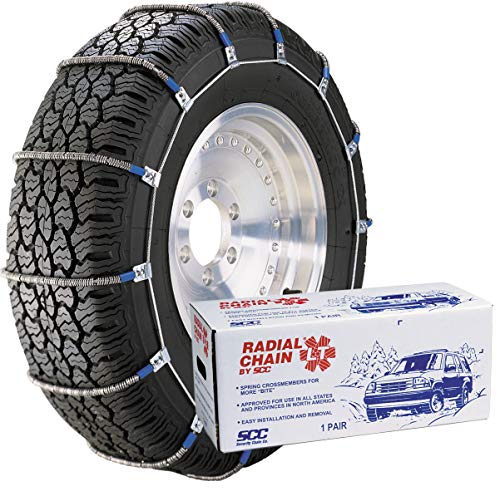
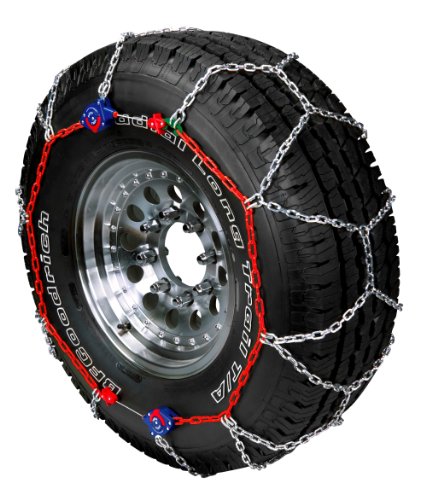

This table puts the purchase decision first. A low sticker price can still mean extra costs for tensioners, fit problems, or installation help, and some packages cover one axle pair while others are sold as a full set for all drive wheels.
| Use case | Chain type | Expected purchase range | Hidden add-on costs |
|---|---|---|---|
| Emergency-only drivers | Basic tire chains or cable chains | $42.99 to about $120 | Tensioners, storage bag, practice fitting, possible return if the size is wrong |
| Frequent snow travelers | Self-tightening chains | About $135 to $225.76 | Replacement tension parts, more storage space, possible installation help |
| Low-clearance vehicles | Cable chains or tire socks | About $60 to $125.99 | Vehicle-specific fitment checks, possible chain-only road restrictions, wear from repeated use |
| SUVs and trucks | Heavy-duty or self-tightening chains | About $140 to $250 | Larger storage needs, added tension hardware, more time for installation |
| Buyers needing installation help | Any traction device | Device price plus labor | Shop installation charges, recheck after a short drive, extra cost if fitment is wrong |
How much do tire chains cost?
Most tire chains land in a $40 to $150 pair range, with premium or automatic-tension designs running higher. Walmart lists tire chains as low as $42.99 for some car, SUV, and pickup options, while Peerless Auto-Trac chains show at $135.00 and Security Chain Company SZ492 chains at $225.76.
Entry-level chain prices
Entry-level options usually mean basic chains or cable chains. Cable chains are often the lower-cost choice, and they make sense when you need temporary winter traction rather than repeated mountain use. Classic Car Maintenance lists Security Chain Company radial cable traction chains as a budget pick.
Midrange and premium ranges
Midrange pricing often covers better fit hardware, easier tensioning, and more durable construction. Self-tightening chains sit higher because they add automatic tensioning and faster setup. Walmart’s Peerless truck and SUV chain set is priced at $140.00, and the Peerless Auto-Trac at $135.00 shows where many easier-install models start.
What the box price usually includes
Look closely at packaging. Some products are sold as a pair for one axle, while others are marketed for a full set or a specific wheel count. That matters because the price per package can look low until you realize you still need more than one set for your vehicle’s drive wheels.
Which type fits your budget?
Your budget should follow how often you will need the traction device, not just the sticker price. Emergency-only drivers can stay low-cost with cable chains or basic chains, while frequent snow travelers usually get better value from self-tightening chains. Tire socks fit some low-clearance cases, but they are temporary snow-use gear, not a universal substitute.
Basic tire chains
Basic tire chains are the simplest route when you want the lowest-cost way to meet a winter requirement. They can work well for snow and ice use only, but they often require manual tensioning and a little practice. If you drive once or twice each winter, they can be enough.
Cable chains
Cable chains are the lower-cost, compact option for occasional winter use. Les Schwab says cable chains are useful for low-clearance vehicles, and that makes them a sensible pick when wheel-well space is tight. They are a price-first solution, but they still need a correct tire-size match.
Self-tightening chains
Self-tightening chains cost more because they do more work for you. The same source says quick-fit chains are easy to install and remove, and that is the appeal for drivers who face repeated snow trips or roadside chain checks. They are common for cars, trucks, and SUVs.
Tire socks
Tire socks are a lighter fabric alternative that can fit some vehicles that cannot accept chains. The same source lists K&K Automotive snow socks at $125.99, and Les Schwab positions tire socks as an option for vehicles that prohibit chains. They store easily, but they are still for temporary snow use.
Say your sedan uses 205/55R16 tires and your owner’s manual allows chains only on the front axle. A basic cable set may fit the budget and the wheel well, while a premium self-tightening model may solve installation trouble you do not need to pay for.
How much do chains for tires cost by vehicle?
Vehicle type changes the price because fitment, clearance, and traction demand are not the same. Cars and small crossovers often qualify for lower-cost cable or basic chains. SUVs and trucks more often need heavier-duty sets, and low-clearance vehicles may need a narrower cable or a fabric sock instead.
Cars and small crossovers
For cars and small crossovers, the price floor can be low if the tire size is common. Basic chains or cable chains can keep the cost in the lower bracket, while self-tightening versions push the budget higher. The real limiter is whether the tire sidewall size and wheel-well clearance match the product.
SUVs and trucks
SUVs and trucks often need larger, heavier-duty traction devices, which raises the price. The same source says heavy-duty chains are intended for larger vehicles. A Peerless truck and SUV chain set at $140.00 shows the middle of the market, while better automatic-tension models climb above that.
Low-clearance vehicles
Low-clearance cars often cannot accept thick chain links near the strut, brake lines, ABS wiring, or wheel arch. That is where cable chains or tire socks come in. Classic Car Maintenance says snow socks are a viable alternative for low-clearance cars, but you still need to confirm manual restrictions before buying.
Special fitment cases
Some cars, especially performance models, have chain restrictions or no-chain zones in the manual. In those cases, the purchase decision starts with the manual, not the sale price. A chain that fits the tire diameter can still be wrong if the vehicle prohibits certain traction devices or needs extra clearance.
How do you size tire chains?
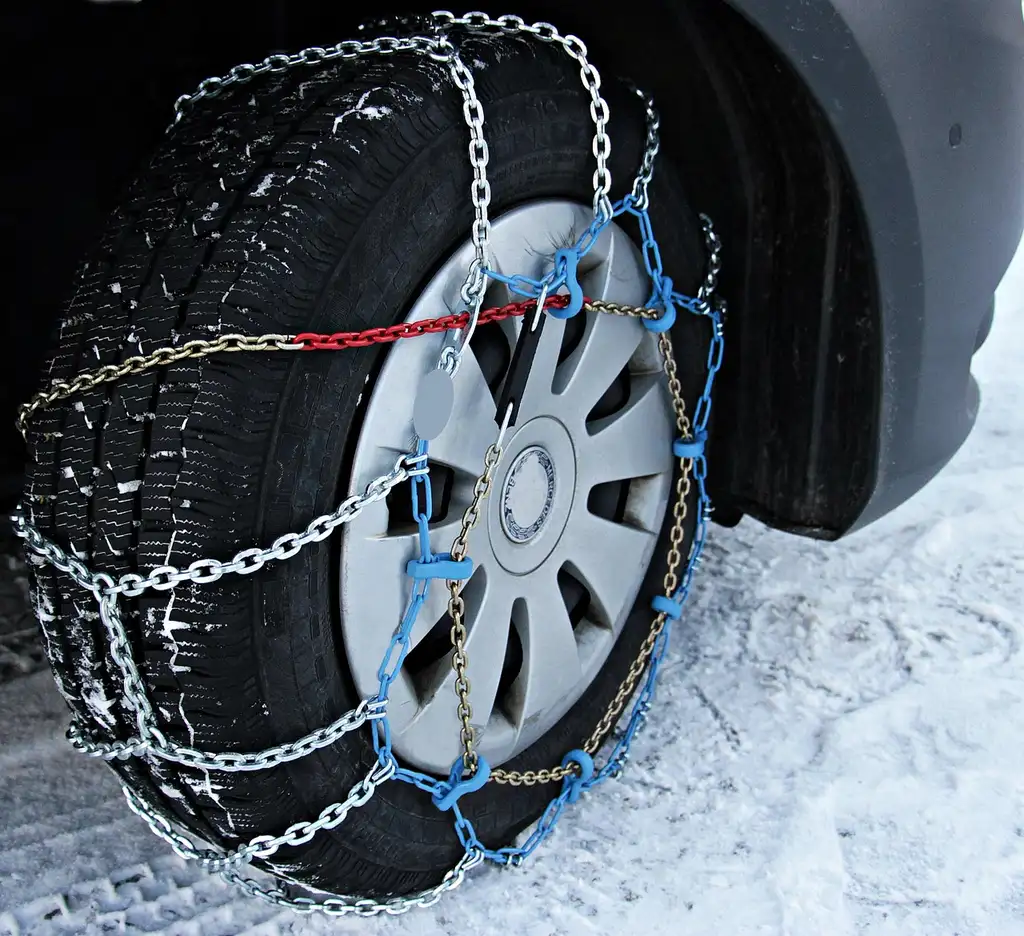
Tire chains are not one size fits all. You size them by reading the tire sidewall, matching width and diameter, and checking the vehicle manual for chain clearance notes. Sidewall sizing matters because the same brand can make different chain patterns for different tire widths and wheel sizes.
Read the tire sidewall
Start with the tire size printed on the sidewall, such as 225/65R17. That number tells you width, aspect ratio, and wheel diameter. The chain package must list compatibility with that exact size or with the approved size range from the manufacturer.
Match width and diameter
Chain compatibility depends on both tire width and diameter. A set that fits a 17-inch wheel may not fit the same model with a 19-inch wheel. Wider tires can need different chain spacing, and that changes the purchase choice before you compare prices.
Check vehicle clearance notes
Clearance notes matter because the wrong chain can strike suspension parts or body panels. ABS components and wheel-well liners are also part of the check. If the manual calls for low-profile cables only, a standard chain may be the wrong buy even if the price looks attractive.
Confirm manual restrictions
Follow the vehicle manual and the product manual. Some vehicles require chains only on certain drive wheels, while others prohibit them outright. A common first-timer mistake is buying by tire diameter alone and discovering later that the car needs a specific chain profile or no-chain approval.
- Read the tire sidewall size on the vehicle.
- Check the owner’s manual for chain approval and axle placement.
- Match the product to tire width and wheel diameter.
- Confirm clearance for brakes, struts, and wheel-arch space.
- Choose manual tension or self-tightening hardware based on comfort and frequency of use.
What changes the final price?
The sticker price is only part of the total. Pair versus full-set packaging, tensioners, replacement pieces, storage, and installation help can move the real cost well above the number on the shelf. If you buy once and fit once, the cheapest set can become the expensive one.
Pair versus full-set packaging
Many traction devices are sold as a pair for the drive axle, not as a complete set for every wheel. That matters on vehicles with different drive layouts and on systems that need more than one pair. Read the package carefully so a $50-looking purchase does not turn into a second trip to the store.
Tensioners and replacement parts
Manual chains may need separate tensioners, and those parts can wear out or get lost. Self-tightening chains reduce that hassle, but they cost more up front. If you use chains only a few times a year, a small add-on purchase may still be cheaper than a premium automatic set.
Professional installation costs
Some buyers pay for installation help because chain fit can be awkward in cold weather. That charge is easy to overlook. If you are unsure about clearance or the tensioning process, the labor cost may be worth it compared with a failed roadside installation or a returned product.
Storage and wear
Chains and socks need dry storage after use. Wet, rusty, or tangled gear wears out faster and may need replacement sooner. The same is true for repeated mounting and removal. A small storage case is part of the cost, even if it is not printed on the shelf tag.
Where to buy chains for tires
You can buy tire chains at auto parts stores, online retailers, truck stops, travel stores, and local winter-tire shops. The best place depends on whether you already know your tire size and whether you need same-day pickup before a storm, chain control checkpoint, or mountain trip.
Auto parts stores
Auto parts stores help when you need to compare chain types in person. You can bring the tire size and check fit guidance before paying. This is a sensible stop for drivers who want quick advice on basic chains, cable chains, or a replacement tensioner.
Online retailers
Online sellers usually offer the widest selection and the easiest price comparison. Online shopping works best when you already know the tire size.
Truck stops and travel stores
Truck stops and travel stores are useful near mountain routes and winter travel corridors. They often carry common sizes and chain-control basics. If you are already on the road, that convenience can matter more than shaving a few dollars off the purchase price.
Local winter-tire shops
Local winter-tire shops are the best place to ask about clearance, fitment, and installation help. They are especially useful for low-clearance vehicles and special chain restrictions. A shop can also tell you whether a cable chain or a sock is the more realistic buy for your car.
Frequently asked questions
How much are tire chains?
Tire chains usually cost $40 to $150 a pair, depending on size, vehicle type, and tensioning hardware. Basic and cable sets sit near the lower end, while self-tightening models and larger truck options cost more. Check whether the package is a pair or a fuller set before you compare prices.
How much do chains cost?
For most drivers, chains cost about $40 to $150 for a pair, but premium models can go higher. The same source lists examples from $42.99 to $225.76, which shows how much price depends on design and fit. A low price does not help if the chain does not clear your vehicle.
How much are snow chains for tires?
Snow chains for tires usually fall into the same general range as other tire chains, but the exact cost depends on type. Cable chains are usually cheaper, self-tightening chains cost more, and heavy-duty truck sets sit near the top. Some road rules require traction devices, not a specific brand.
What’s the difference between tire chains and tire socks?
Tire chains use metal links or cables, while tire socks use a fabric cover that adds temporary traction on snow. Socks are lighter and easier to store, and they can suit some low-clearance vehicles. Chains are usually better for repeated winter use and for roads that call for chains specifically.
Products related to this article
Sponsored / affiliate links. As an Amazon Associate I earn from qualifying purchases. I may earn additional commission from eligible campaigns.