What Is a Roller Car? Meaning Explained Simply for Beginners
Figuring out What Is a Roller Car? Meaning Explained can seem tricky at first. Don’t worry, it’s simpler than you might think! This blog post is here to clear up any confusion and help you get a solid grasp of what roller cars are all about. We’ll break down the concept step by step, so you can easily follow along. We’ll start with the basics and then go on to more specific details. Let’s start by looking at what makes a roller car unique.
Defining a Roller Car and Its Core Purpose
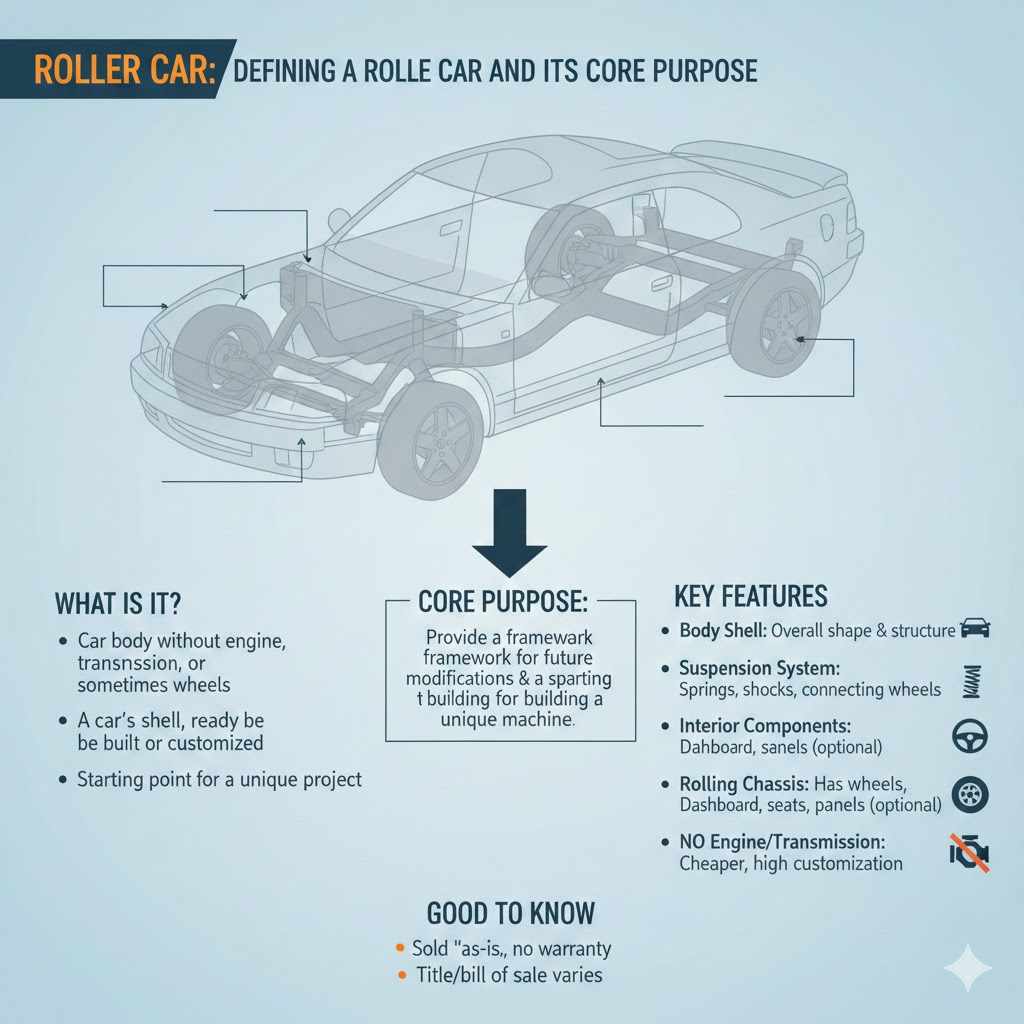
A roller car, in its simplest form, is a car body without an engine, transmission, or sometimes even wheels. It’s basically a car’s shell, ready to be built or customized. Think of it as a blank canvas for automotive enthusiasts, a starting point for a unique project. It’s often purchased by individuals who want to build their own cars, often with custom specifications and modifications. The core purpose is to provide the structure of the vehicle, offering a framework for future modifications and a starting point for building a unique machine.
Key Features of a Roller Car
Roller cars typically include essential components. They provide a base to build upon, allowing for various levels of customization. This is in contrast to buying a fully functional car that might require substantial modifications for a specific build. A roller car offers complete flexibility in terms of the final specifications.
- The Body Shell: This is the outermost part of the car, providing the overall shape and structure. It’s the most prominent visual element.
- Suspension System: This system includes the springs, shock absorbers, and other components that connect the wheels to the body, providing a smooth ride. This is often included in a roller car but sometimes excluded.
- Interior Components: Basic interior elements, such as the dashboard, seats, and sometimes door panels, may or may not be included. This varies based on the specific roller car.
- Rolling Chassis: The term “roller” signifies that the car has wheels and can roll, even without an engine. It signifies the vehicle can be moved around easily.
The absence of core mechanical components like the engine and transmission makes a roller car significantly cheaper than a fully functional vehicle. This cost difference, combined with the level of customization, makes roller cars popular with hobbyists and automotive engineers. Roller cars are generally sold “as-is” and without any type of warranty. Some are sold with a title and bill of sale, and others might not have either.
Why People Choose Roller Cars
People choose roller cars for many reasons. The choice often aligns with goals for customization, budget constraints, and personal interests. Building a roller car is similar to buying a custom home versus an apartment; it provides more options to design it exactly how the end-user wants. It’s a way for enthusiasts to express their individuality and create a unique vehicle tailored to their specific needs and interests. The ability to select components based on budget and goals is a major driver.
Customization Advantages
One of the biggest reasons to opt for a roller car is the extensive customization potential. This enables individuals to build a car that perfectly matches their requirements. This level of customization lets builders install different engines, transmissions, or suspension systems, which may not be possible on a standard factory-built car. This offers extreme flexibility, which can be attractive to specific target groups. For instance, someone might want a high-performance engine for racing or a fuel-efficient engine for economy.
- Engine Choice: Freedom to select any engine, from a small four-cylinder for fuel efficiency to a powerful V8 for speed.
- Transmission Options: Builders can pick manual, automatic, or even specialized transmissions for racing.
- Suspension Upgrades: Custom suspension systems that improve ride quality and handling.
- Interior Design: Creating the interior that meets the end user’s personal tastes.
The availability of aftermarket parts is essential for customization. A vast range of parts caters to all possible specifications. This availability supports creativity and helps ensure a vehicle truly represents its owner’s personal goals. Customization extends to everything, from the car’s exterior to its interior features.
Cost and Budgetary Considerations
Buying a roller car can be a budget-friendly option. It can be a very cost-effective way to build a car versus buying a new vehicle, which can have an excessive list price. Roller cars can be an economical option as it allows enthusiasts to phase their builds, purchasing parts as their budget allows. This provides a clear advantage for people with limited funds who still want a custom car.
- Phased Purchases: Instead of paying for a complete vehicle up front, you can buy parts over time.
- Used Parts: You can find used engines, transmissions, and other components to cut down expenses.
- DIY Projects: The ability to install components yourself, saving labor costs.
A recent survey revealed that, on average, a fully customized roller car costs 30% less than a standard new car with similar performance features. This is due to the lack of factory overhead and lower tax implications. However, the total cost depends on the choice of components, as high-performance parts can be expensive. Careful budgeting is necessary, but the potential for savings remains high.
Common Roller Car Applications and Examples
Roller cars are used in a variety of applications. This includes building custom sports cars to restoring classic vehicles. Roller cars provide a versatile platform, giving car enthusiasts the opportunity to fulfill their unique visions. From street machines to drag racers, the applications are as varied as the builders themselves.
Restoration Projects
Roller cars are often used for vehicle restoration projects. This enables classic car fans to bring beloved vehicles back to their original state. Restoring classic cars is a labor of love that involves removing the old mechanicals and replacing them with new components. Roller cars simplify this process, giving builders a solid starting point for their desired goals.
- Classic Car Restoration: Enthusiasts begin with the roller car’s shell, focusing on preserving the original body.
- Component Sourcing: Restoration experts locate and obtain original parts to bring the classic vehicle back to its former glory.
- Showroom Quality Results: Restored cars are often showcased at events and in collections.
The restoration of classic cars is a time-consuming project. Restorers often work to replicate the original look and performance. This work can be rewarding for car enthusiasts.
Performance Builds and Racing
For those passionate about speed, roller cars are a fantastic choice. A roller car provides a clean slate where individuals can install high-performance engines, upgraded suspension systems, and customized braking systems. This level of customization allows car enthusiasts to maximize performance and tailor the vehicle to their specific racing needs.
- Drag Racing: Drag racers often begin with a roller car to accommodate powerful engines.
- Track Racing: Building roller cars specifically for track racing often involves installing advanced suspension and handling improvements.
- Street Performance: Even on the streets, roller cars enable builders to create thrilling driving experiences.
One example is a professional drag racer who started with a roller car and installed a supercharged V8 engine. With careful selection of components, they achieved a significant increase in acceleration times. These improvements show that roller cars offer many options.
Street and Custom Builds
Beyond racing and restoration, roller cars let people express their creativity on the open road. These builds are an expression of individuality, giving car owners the chance to craft vehicles that are one-of-a-kind. These projects are about combining functionality with artistic design and personal style.
For example, a person may start with a roller car and add a unique paint job, customized interior, and advanced technology. The end result is not just a mode of transport but also a personalized work of art. These vehicles frequently turn heads.
The Process of Building a Roller Car
Building a roller car requires careful planning, research, and some mechanical expertise. This is a phased project that begins with acquiring the shell and ends with a finished vehicle. The process can be both challenging and gratifying. Each step contributes to the satisfaction of driving a car the owner built themselves.
Selecting a Roller Car
The first step is selecting the roller car. This involves figuring out what kind of vehicle you want. This selection should be based on factors like the project’s goal, budget, and the availability of parts. It is essential to research different makes and models, and to choose the right starting point.
- Research: It’s important to study the car’s body, suspension, and any included components.
- Inspect: The condition of the car’s shell and frame is important. You should inspect the body for any rust or damage.
- Consider the Parts: Check the availability of replacement parts before beginning your project.
A good starting point is to buy a roller car that is well-maintained with minimal issues. Buying a roller car in good shape will save you time and money. Some experts suggest buying a model that already comes with a few essential parts, since that can also help simplify the build.
Component Sourcing and Installation
Once you have the roller car, the next step is to source and install the necessary components. This includes the engine, transmission, brakes, and other mechanical parts. Careful selection of components is necessary to ensure the vehicle will achieve your performance and handling expectations. This also needs to be in line with your budget, so it helps to price out parts before starting.
- Engine Choice: Select a suitable engine based on horsepower, fuel efficiency, and your budget.
- Transmission: Choose between manual, automatic, or specialized transmissions.
- Brakes: Upgrade brakes for improved stopping power.
- Interior: Plan for the interior, including seats, gauges, and a dashboard.
It’s important to keep careful records during the entire process. This can help with troubleshooting down the road. It can also help when it’s time to register the vehicle.
Registration and Testing
The last step involves registering the car and performing the tests needed to ensure it is roadworthy. This is the last step that takes the roller car from a mere collection of parts to a fully functional vehicle. Testing ensures that all systems are working properly and that the car meets all safety standards.
- Safety Inspection: Check the car against all necessary safety requirements.
- Emissions Testing: The vehicle must pass all local emissions tests.
- Registration: After passing all inspections, the vehicle can be registered and licensed for road use.
It’s important to review your state’s registration process. This includes what paperwork is needed. Careful testing and attention to detail are crucial for ensuring the finished vehicle is both safe and enjoyable to drive.
Maintenance and Care
After a roller car is built, proper care and maintenance are important to keep it running at its best. This requires routine upkeep and prompt attention to any issues. Regular maintenance can prolong the life of the car and keep it operating efficiently.
Regular Maintenance Tasks
Proper maintenance is essential to maintaining your roller car in the long term. This involves routine tasks that prevent major problems. Following the manufacturer’s suggested maintenance schedule for all components is key. Regular maintenance helps avoid unexpected breakdowns and keeps the car running efficiently.
- Oil Changes: Regular oil changes are essential for the longevity of the engine.
- Tire Checks: Inspecting tire pressure and tread wear is important for safety.
- Brake Service: Maintain the brakes by checking the pads, rotors, and fluids.
- Fluid Checks: Regular fluid checks, including coolant and transmission fluid, will keep the car running smoothly.
Even if you don’t drive your car often, make sure the battery is always charged. Also, make sure all of the rubber hoses and belts are in good shape. Performing these tasks will help protect your investment.
Troubleshooting Common Issues
Even with good maintenance, problems can still occur. Knowing how to identify and address issues is crucial for car owners. It’s often helpful to keep a basic toolkit and understand the essential mechanical functions.
- Engine Problems: If the engine is misfiring or losing power, you will need to diagnose the cause.
- Brake Issues: If you notice unusual noises or a change in the braking performance, have the brakes inspected.
- Suspension Problems: Listen for unusual noises and feel for any changes in the ride quality.
- Electrical Issues: Regularly test the battery, inspect the wiring, and fix any shorts.
Regular inspections and preventative measures will go a long way towards preventing major breakdowns. Make sure you keep any necessary receipts and records.
What Is a Roller Car? Meaning Explained Through Practical Examples
To help solidify your understanding of What Is a Roller Car? Meaning Explained, let’s explore a few real-life examples and scenarios. These case studies highlight the versatility and advantages of choosing a roller car for different automotive projects. You’ll see how different enthusiasts make the most of this unique platform.
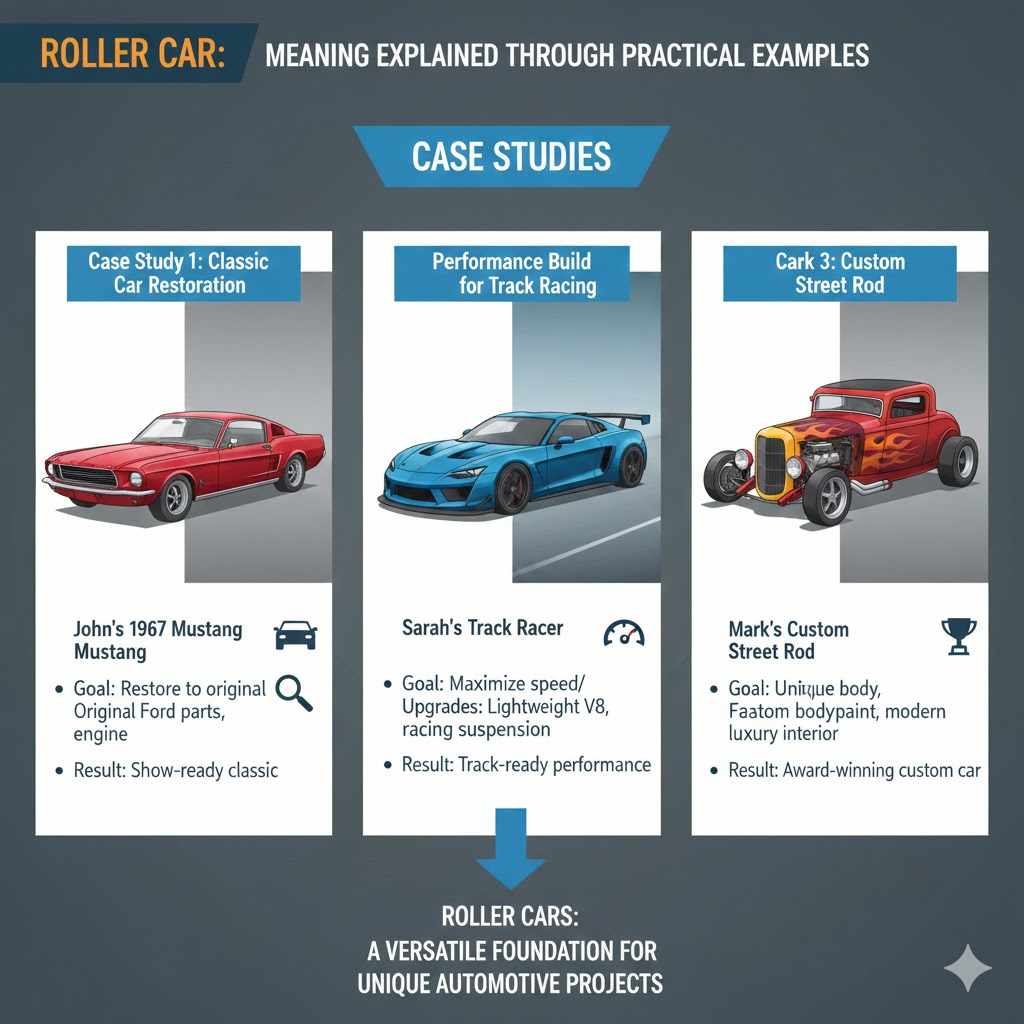
Case Study 1: The Classic Car Restoration Project
A car enthusiast, “John,” purchased a 1967 Ford Mustang roller car in need of complete restoration. The Mustang’s body was in fair condition, but the engine, transmission, and interior were missing or damaged. His goal was to restore the Mustang to its original factory condition. The project was primarily focused on aesthetics and preserving the vehicle’s historical value.
- Initial Assessment: John inspected the car, noting the condition of the body, frame, and any existing components.
- Parts Sourcing: He spent several months sourcing original Ford parts, which he found through online forums and classic car suppliers. He was able to locate the correct engine and transmission from a salvage yard.
- Restoration Process: John rebuilt the engine, transmission, and suspension. He re-upholstered the seats and replaced the dashboard.
- Result: After a year, John transformed the roller car into a beautifully restored classic Mustang. He showcased his work at local car shows, sharing his project.
This shows how a roller car can serve as a foundation for a full restoration project. The body of the roller car gave him a solid base, which enabled him to complete his restoration project.
Case Study 2: Performance Build for Track Racing
An avid racing enthusiast, “Sarah,” used a roller car to construct a high-performance race car. She purchased an older sports car shell, which allowed her to focus on enhancing performance. She aimed to maximize speed and handling on a budget.
- Component Selection: Sarah focused on high-performance parts. This included a powerful, lightweight engine, a racing transmission, and upgraded suspension components.
- Engine Installation: She installed a custom-built V8 engine, known for its high horsepower.
- Suspension Upgrade: She selected a racing suspension kit to improve handling and reduce body roll.
- Track Performance: Sarah’s efforts resulted in a track-ready car with excellent performance.
This is a testament to how roller cars can be used to construct vehicles for a specific performance purpose.
Case Study 3: Custom Street Rod
“Mark,” a custom car builder, used a roller car as the basis for a unique street rod project. He chose a classic hot rod body, which allowed for maximum freedom. His aim was to create a head-turning vehicle.
- Body and Style: Mark began with a traditional hot rod body and customized the exterior with unique paint and body modifications.
- Engine and Drivetrain: He selected a modern fuel-injected engine and custom transmission, ensuring reliability.
- Interior Customization: He added a luxurious custom interior, including personalized seats, a unique sound system, and custom gauges.
- Showstopper: The finished street rod turned heads at car shows and on the street.
These real-world examples show how roller cars provide a starting point for different vehicle projects. These case studies underscore the benefits of a roller car.
Frequently Asked Questions
Question: What is the main difference between a roller car and a complete car?
Answer: The main difference is that a roller car lacks an engine, transmission, and sometimes other mechanical components, while a complete car has all of these systems functional.
Question: Are roller cars cheaper than complete cars?
Answer: Yes, roller cars are typically cheaper than complete cars, as you are only paying for the body and usually the rolling chassis components.
Question: Do roller cars come with titles?
Answer: Yes, in most cases, roller cars come with titles, but this can vary. It’s always a good idea to confirm this before purchasing.
Question: What is the most important component of a roller car?
Answer: The body is the most important part because it’s the main structure and the basis for modifications.
Question: Can I legally drive a roller car on the road?
Answer: You can legally drive a roller car on the road once it is fully built, registered, and meets all local safety and emissions standards.
Final Thoughts
So, now you know What Is a Roller Car? Meaning Explained! A roller car is basically a car without all the mechanical components, offering a great starting point for custom builds. They’re popular because they provide flexibility, customization options, and can be more budget-friendly than buying a new car. You have the ability to build the car of your dreams.
From restoring classic vehicles to creating custom performance machines, the possibilities are vast. Remember to do your research, budget wisely, and enjoy the process. Building a roller car is a challenging project but can be very rewarding. Don’t be afraid to try!