What Is Intelligent Access Car Battery: Proven Essential Power
Intelligent Access Car Battery (IABC) refers to advanced battery systems, often AGM or EFB, designed to work seamlessly with modern Start/Stop technology and complex onboard electronics, ensuring reliable power and smarter energy management in newer vehicles.
Have you ever noticed your car struggling to start, or maybe you’ve seen vague warnings pop up about your battery after buying a new car? Modern vehicles are packed with technology—sensors, digital dashboards, and automatic engine shut-off systems. This new gear demands more from your car battery than ever before. It can be confusing when your owner’s manual mentions something other than a standard battery. Don’t worry! We are going to break down exactly what an “Intelligent Access Car Battery” is in simple terms, why your car needs one, and how you can keep it running strong. Let’s unlock the secrets to essential power for your smart car.
Understanding the Power Shift: Why Standard Batteries Aren’t Enough
For decades, a car battery’s main job was simple: start the car and keep the lights on. But cars have gotten much smarter, and that simple job isn’t so simple anymore.
The Rise of Complex Electronics
Modern vehicles use countless little computers to manage everything from your safety features (like ABS brakes) to your comfort (like seat heaters). This means these electronics draw power even when the car is “off.”
Deep Sleep Draw: When you turn off your car, power still trickles out to keep the clock running, the alarm system armed, and the memory saved in the various control modules.
Component Demand: Features like navigation systems, large touchscreens, and advanced driver-assistance systems (ADAS) require stable, reliable voltage.
The Start/Stop Revolution
This is the biggest game-changer. To save fuel and reduce emissions, many newer cars use Start/Stop technology. The engine shuts off at traffic lights and immediately restarts when you lift your foot off the brake.
This process puts extreme stress on the battery. A traditional flooded lead-acid battery is designed for a few large starts a day, not dozens of quick, powerful restarts every hour. If you use a regular battery in a Start/Stop car, it will quickly fail. This is where the “Intelligent Access” system comes in, demanding a specialized battery to handle the load.
What Exactly Is an Intelligent Access Car Battery (IABC)?
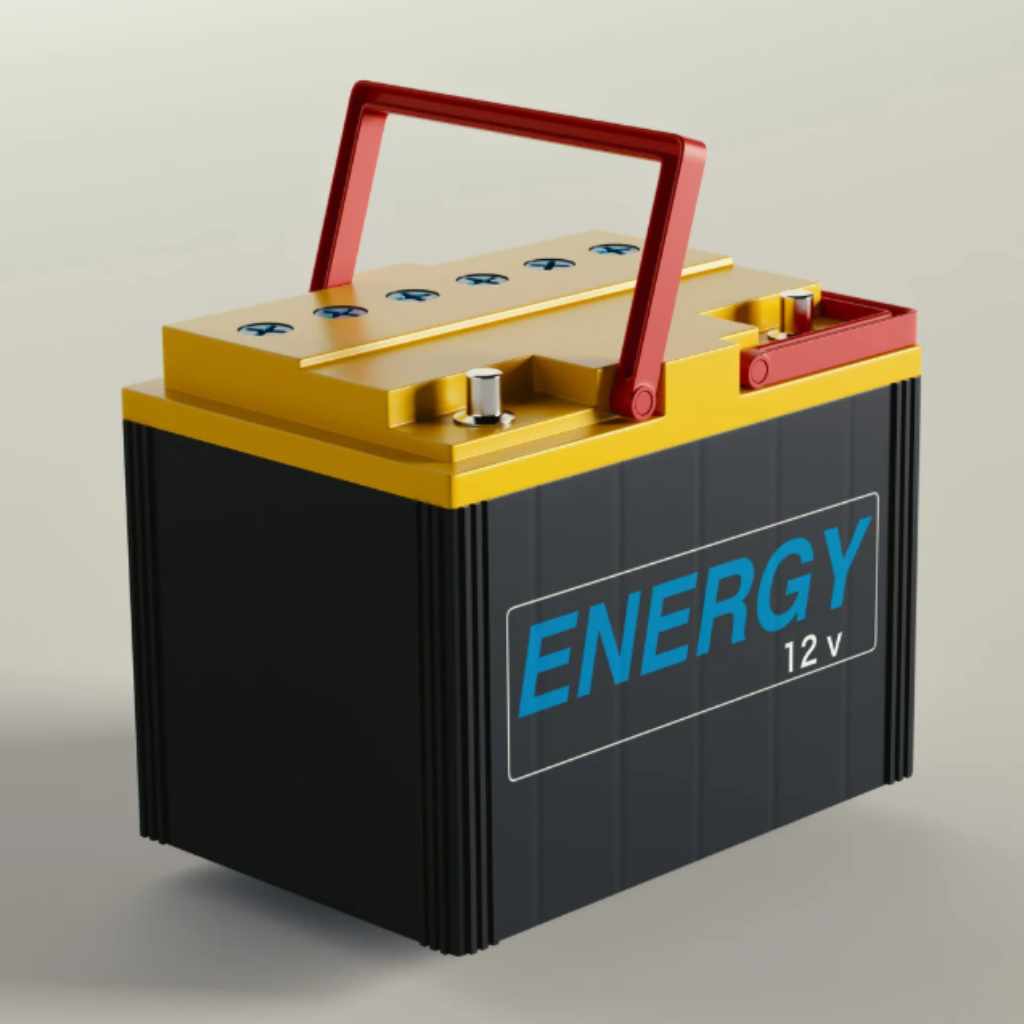
The term “Intelligent Access Car Battery” isn’t one single battery type. Instead, it’s a blanket term used by manufacturers to describe the high-performance battery required for vehicles equipped with advanced electronic management systems, most notably Start/Stop technology and vehicles that monitor battery health aggressively.
These batteries are engineered to handle high charge/discharge cycles (the stop/start process) and recover quickly. The two main types filling this role are:
1. Absorbed Glass Mat (AGM) Batteries: The premium choice.
2. Enhanced Flooded Battery (EFB): A step up from standard flooded types, often used in less demanding Start/Stop systems.
AGM vs. EFB: The Smart Power Options
To understand IABC performance, we need to look closely at AGM and EFB technology. They both offer far better durability than old-fashioned batteries.
Absorbed Glass Mat (AGM) Technology
AGM batteries are the gold standard for vehicles with intensive electronic demands. Instead of the electrolyte battery acid being liquid like in a standard battery, AGM uses finely woven fiberglass mats that soak up the acid, suspending it between the lead plates.
Pros of AGM Batteries (The Smart Choice)
- Exceptional Cycle Life: They can handle many more deep discharges and recharges than standard batteries, perfect for Start/Stop.
- Vibration Resistance: Because the components are tightly packed, they resist damage from bumps and road vibrations common in diverse driving conditions.
- Spill-Proof: They are sealed and can be mounted in various orientations without leaking, which is safer for modern engine bays.
- Fast Recharging: They accept a charge much faster, meaning the alternator doesn’t have to work as hard to “top them up” after a stop event.
Enhanced Flooded Battery (EFB) Technology
EFB batteries are built on the traditional flooded design but include upgrades, often involving thicker plates and special polyester mats to stabilize the internal components. They are generally less expensive than AGM but are still far superior to standard batteries.
Pros of EFB Batteries (The Reliable Upgrade)
- Cost-Effective: They are often cheaper than AGM batteries while still supporting basic Start/Stop functions.
- Better Than Standard: Offers significantly increased resistance to wear from frequent stopping and starting compared to old battery types.
- Easier Replacement: For basic Start/Stop systems, EFB can sometimes be swapped for a standard battery, though this is not recommended for long-term health.
Why Your Car Needs an IABC: Battery Management Systems (BMS)
The “Intelligent Access” part of the name often refers to the vehicle’s Battery Management System (BMS). This computer monitors the battery’s health, charging rate, and temperature in real time.
If you install the wrong type of battery (like a cheap standard one), the BMS will quickly detect that it cannot charge or hold a state of health correctly. This leads to problems:
- Failing Support: The car might turn off the Start/Stop feature, causing you to burn extra fuel needlessly.
- Unexpected Failures: The system may trigger error codes or, worse, the car might fail to start due to mismanagement of charge.
- Reduced Lifespan: The wrong battery will wear out extremely quickly under the constant monitoring and demanding charge cycles of the BMS.
According to studies on vehicle efficiency and electrical systems, properly matched batteries in Start/Stop vehicles can extend the life of the battery system by up to 300% compared to using unsupported components (Source: Automotive industry reports on battery cycle testing).
Identifying Your Vehicle’s Power Needs: The Key Differences
Knowing the difference between battery types isn’t just about knowing the names; it’s about matching what’s under your hood. Using the wrong battery can confuse the car’s computer, costing you time and money.
Decoding Battery Specifications
You must match two primary specifications when replacing an IABC: Cold Cranking Amps (CCA) and Reserve Capacity (RC). However, for these smart systems, a third factor, Deep Cycle Ability, is crucial.
| Battery Type | Best For | Cycle Life (Relative) | Cost Estimate |
|---|---|---|---|
| Standard Flooded (SLI) | Cars without Start/Stop, basic electronics | Low (1 cycle tested) | $ |
| Enhanced Flooded Battery (EFB) | Light Start/Stop systems, moderate electronics | Medium (3x Standard) | $$ |
| Absorbed Glass Mat (AGM) | Heavy Start/Stop, high demand electronics (like luxury cars or vehicles with aftermarket accessories) | High (up to 5x Standard) | $$$ |
Determining If You Have a Smart System
How can you tell if your car requires an IABC (AGM or EFB)? The quickest way is by observing its behavior.
- Check for Start/Stop: Does the engine automatically turn off when you come to a complete stop and restart instantly when you move your foot? If yes, you need an EFB or AGM.
- Examine the Old Battery Label: Look closely at the label on your current battery. If it specifically mentions “AGM,” “Start/Stop Ready,” or has a code indicating this technology, that is what you must replace it with.
- Check the Owner’s Manual: Always consult the vehicle manual for the exact battery type recommended by the manufacturer.
When in doubt, always upgrade to AGM. While it might cost a little more upfront, its longevity and perfect compatibility with complex intelligent systems often make it the cheaper long-term investment compared to frequently replacing a poorer-quality battery.
The Replacement Process: Changing an IABC Safely
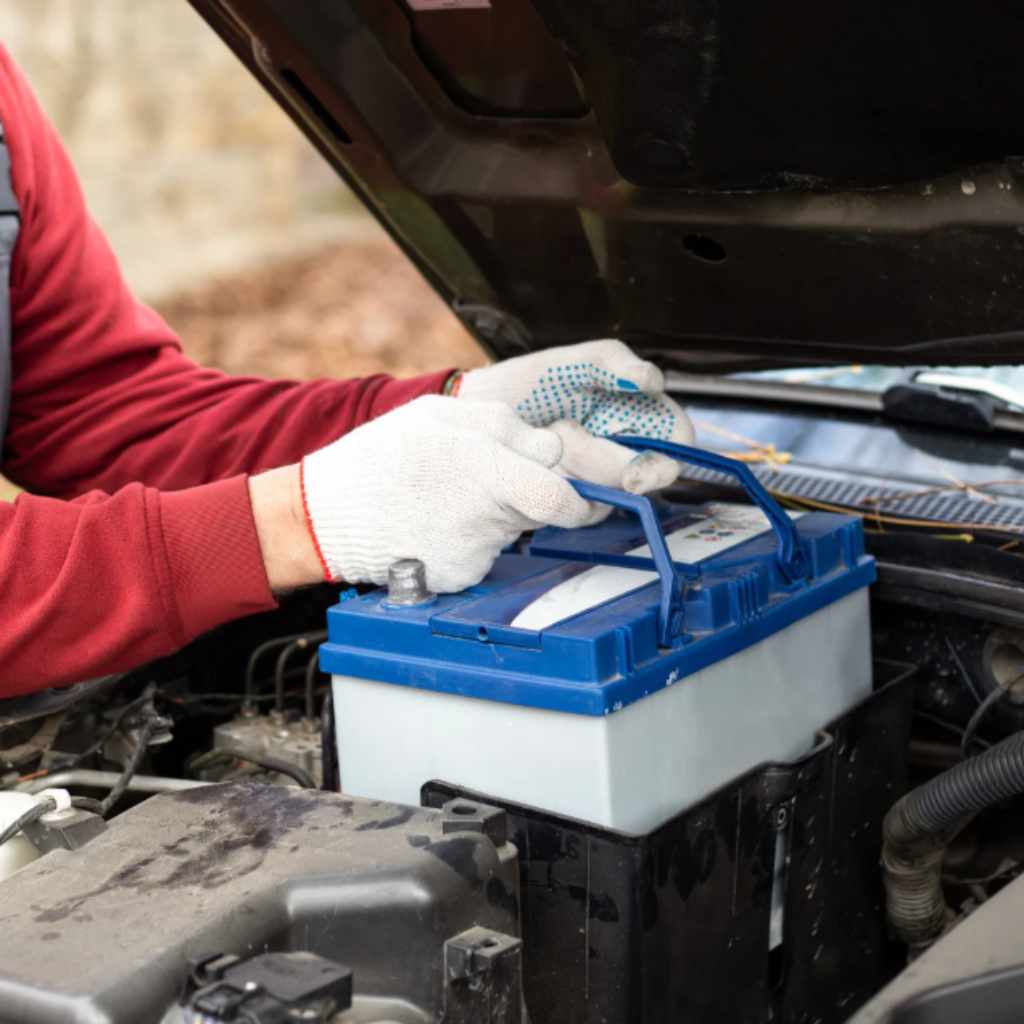
Replacing an AGM or EFB battery is often straightforward, but because modern vehicles have sensitive electronics, you must follow the removal and reinstallation sequence precisely. This is crucial for protecting the BMS and keeping stored settings intact.
Tools You Might Need
- Safety Glasses and Gloves (Always for battery work!)
- Wrench Set (Usually 10mm, 13mm, or specialty battery terminal wrenches)
- Battery Terminal Cleaner Brush
- Memory Saver Device (Highly Recommended)
- Torque Wrench (For final tightening)
Step-by-Step: Replacing Your Intelligent Access Battery
The first and most critical rule when dealing with modern electrical systems is to disconnect the negative terminal first and reconnect it last. This prevents accidental grounding and short circuits.
- Safety First: Park on a level surface, set the parking brake, and turn the ignition completely off. Put on your safety glasses and heavy gloves.
- Locate the Battery: In many modern cars, the battery might be located under the back seat or in the trunk, not just under the hood. Consult your manual.
- Connect the Memory Saver (If using): Plug the memory saver device into the cigarette lighter or OBD-II port, and turn the saver on. This keeps the car’s settings (radio presets, computer memory) alive while the main power is disconnected.
- Disconnect the Negative Terminal: Using the correct wrench, loosen the nut on the negative (-) battery clamp (usually marked with a minus sign and a black cable). Wiggle the cable free entirely and tuck it safely away from the battery post.
- Disconnect the Positive Terminal: Repeat the process for the positive (+) terminal (red cable).
- Remove the Battery Hold-Down Clamp: Locate the bracket or clamp that secures the battery to the tray. Remove the bolts holding this clamp in place.
- Lift Out the Old Battery: Batteries, especially AGM types, are heavy. Lift straight up to remove the old battery and place it on a safe, level surface.
- Clean the Tray and Terminals: Use the wire brush to clean any corrosion off the battery tray and the cable terminals. A baking soda/water mix works well for neutralizing acid residue if present.
- Install the New IABC: Carefully place the new AGM or EFB battery into the tray, ensuring it sits flush.
- Secure the Hold-Down Clamp: Reinstall and tighten the clamp. It should be snug enough that the battery cannot shift during driving, but do not overtighten, as this could crack the new battery casing.
- Connect the Positive Terminal First: Attach the positive cable to the positive post and tighten the nut securely.
- Connect the Negative Terminal Last: Attach the negative cable and tighten the nut. This completes the circuit.
- Final Check and Relearn: Remove the memory saver. Start the car. Some modern cars may need a “relearn” cycle where you drive them normally for 10-15 minutes so the BMS can properly recognize the new battery’s chemistry and voltage profile.
Understanding Battery Monitoring Sensors
Some high-end vehicles use a shunt sensor attached to the negative cable connection. This sensor measures precisely how much current leaves and enters the battery. If you replace the battery yourself, this sensor might need resetting by a professional scan tool to tell the car, “Hello, I have brand new power source.” Ignoring this can cause the car to undercharge the new battery, leading to premature failure. Always check if your vehicle uses this type of shunt (often located right where the negative cable meets the battery post).
Maintaining Your Intelligent Access Battery for Longevity
The initial cost of an IABC might seem high, but proper care ensures you get the multi-year lifespan you paid for. Maintenance doesn’t have to be complicated—it just needs to be consistent.
The Importance of Consistent Charge
AGM and EFB batteries hate sitting in a low state of charge. This is known as sulfation, and it permanently reduces the battery’s capacity.
Battery Maintenance Tips
- Use a Smart Charger: If you park your car for more than two weeks, use a “smart charger” (also called a battery tender or maintainer). These chargers are designed specifically for AGM/EFB batteries and will cycle on and off to keep the battery topped up without overcharging it. Ensure the charger explicitly states it supports AGM technology.
- Limit Parasitic Draws: If you use a dashcam or have accessories plugged into your cigarette lighter, ensure they have an automatic shut-off so they don’t slowly drain the battery while the car is off. A good test is using a multimeter to check the “parasitic draw” overnight; consult a shop if it’s above 50 milliamps.
- Keep Terminals Clean: Even though AGM batteries rarely corrode externally, always check the terminals for tightness and clean off any white or blue powder residue immediately.
- Mind the Temperature: Extreme heat is a battery killer, but cold weather makes starting harder. If your car sits in extreme cold, try to park it in a garage if possible. High heat accelerates the chemical breakdown inside the battery structure.
AGM and Cold Weather Performance
AGM batteries perform well in the cold because the acid is suspended and not free-flowing, reducing the risk of freezing. However, all batteries lose cranking power when cold. A fully charged AGM battery maintains about 65% of its power at 0°F (-18°C), whereas a standard battery might drop below 40%. Keeping it fully charged is your best defense against cold-weather starting failures. For more information on how temperature affects battery performance, you can review guides published by battery industry safety organizations, such as those provided by the Battery Council International.
FAQ: Your Beginner Questions Answered
Q1: Can I replace my Start/Stop car battery with a regular, cheap one?
A: You absolutely should not. While the car might start initially, the standard battery cannot handle the constant stopping and starting cycles. The car’s Battery Management System (BMS) will recognize the incorrect battery type, potentially leading to performance issues, error codes, or the system defaulting to engine-on mode, defeating the purpose of the technology.
Q2: How do I stop my car from using the Start/Stop feature if I hate it?
A: Most cars have a temporary button near the gear shifter or dashboard marked with a circle and an ‘A’ (for Auto Start/Stop). Pressing this button usually deactivates the feature for that drive cycle. If you want it permanently off, you might void your warranty, and professional coding might be required, but replacing the battery with a non-compatible type will often force the car to disable the function itself.
Q3: Are AGM batteries the same as “Deep Cycle” batteries?
A: They are very similar in construction; many AGM batteries designed for RVs or marine use are also deep cycle. However, an IABC (AGM designed for cars) is optimized for high amperage bursts (starting power) and frequent shallow cycles (Start/Stop). A dedicated Deep Cycle battery prioritizes capacity (running accessories for a long time) over quick, high-power starting capability.
Q4: My new AGM battery died quickly. Did I buy the wrong one?
A: It’s likely the wrong one, or it wasn’t programmed correctly. If your car has a sophisticated BMS, installing a new battery without telling the computer (resetting the sensor or “relearning”) can cause the car to undercharge it constantly, killing it prematurely. Always confirm replacement procedures specific to your vehicle’s year and model.
Q5: How long should an Intelligent Access Car Battery last?
A: Service life varies greatly based on climate and usage, but a properly maintained AGM battery in a Start/Stop vehicle typically lasts between 3 to 5 years. In areas with very mild climates and low traffic, they might reach 6 years. In very hot or stop-and-go city traffic, it might be closer to 3 years. Always compare the warranty period offered!
Q6: Can I use an EFB battery if my car currently has an AGM battery factory installed?
A: This is generally discouraged. While an EFB may work for a short time, the AGM is better suited for the intense demands of high-level electronics and frequent restarting. It is always safest and best for longevity to replace an AGM with another high-quality AGM.