What Is Single Stage Car Paint? Explained Simply
Single-stage car paint is a type of automotive finish that combines color and clear coat into one layer. It’s known for its ease of application and good durability, making it a popular choice for many projects and vehicles.
What Is Single Stage Car Paint?
So, what is single-stage car paint really? Think of it like this: most car paint jobs you see involve multiple steps. You have a primer, then the color coat, and then a clear coat on top.
The clear coat is like a protective shield. It gives the paint its shine and protects it from the sun, rain, and little bumps.
But with single-stage paint, you get color and protection all in one go. It’s a single product that lays down the color you see and also provides the gloss and protection. It simplifies the painting process a lot.
This means fewer steps, less drying time between coats, and often less cost.
The main ingredients in single-stage paint are pigment for the color, a binder to hold it all together, and solvents to make it sprayable. When these solvents evaporate, the binder hardens. This leaves behind a tough, glossy finish that has both the color and the protection.
It’s a clever bit of chemistry that makes painting a car much more accessible.
You might hear it called “straight color” or “solid color” paint. These terms often refer to single-stage options, especially when you’re talking about colors that don’t have metallic flakes or pearl effects. These types of finishes are very common on older cars or simpler modern vehicles.
My First Painting Fiasco
I remember my first attempt at painting a car. It was a beat-up old pickup truck I got for next to nothing. I wanted it to look decent.
My neighbor, who had been painting cars for years, told me to use single-stage paint. He said it was easier for beginners. I thought, “Great!
Less work, faster results.”
I bought the paint, a spray gun, and some masks. I prepped the truck, sanding and cleaning it until my arms ached. Then came the moment of truth.
I mixed the paint, feeling a mix of excitement and nerves. I pulled the trigger, and the paint came out in a beautiful, even coat.
It looked amazing! The color was rich, and it had a nice shine. I applied a second coat, and then a third.
By the end, the truck looked almost new. I was so proud. But then, a few weeks later, I noticed some spots where the shine seemed to dull.
I hadn’t buffed it properly or maybe applied a UV protectant. It taught me a valuable lesson: even simple finishes need care. But the ease of getting that initial shine with single-stage paint was undeniable.
Single Stage Paint vs. Base Coat/Clear Coat
Main Difference: Single-stage paint has color and clear coat mixed. Base coat/clear coat has color separate from the clear protective layer.
Application: Single-stage is fewer steps. Base coat/clear coat is more steps.
Durability: Base coat/clear coat is generally tougher and lasts longer against UV rays and scratches.
Cost: Single-stage is usually cheaper because you buy one product and need less equipment.
Repair: Fixing scratches on single-stage can be harder to match perfectly.
Shine: Both can achieve high gloss, but clear coat often offers a deeper, more reflective shine.
How Single Stage Paint Works
Let’s dig a bit deeper into how this magic happens. Single-stage paint uses a system where the pigment, the binder, and the solvent are all in the same can. When you spray it, the solvents start to evaporate.
This is a process that happens quite quickly.
As the solvents leave, the binder molecules start to link up. This linking process is called curing or hardening. The binder is the backbone of the paint.
It’s what gives the paint its strength and adhesion to the surface. It also holds the pigment particles in place.
The result is a solid, continuous film on your car. This film contains the color and has a hard, glossy surface. It’s designed to provide a good level of protection against everyday wear and tear.
Think of it like a tough candy coating for your car.
There are a few main types of binders used in single-stage paints. One common type is acrylic lacquer. These were very popular in the past.
They dry very fast but are not as durable as newer types. Another common type is acrylic enamel. These dry slower but are tougher.
Modern single-stage paints often use polyurethane or urethane chemistry. These are much more durable. They offer excellent gloss and resistance to chemicals and UV rays.
These are the go-to for many professional painters and serious DIYers when they choose a single-stage option.
The gloss you see comes from the way the binder cures and forms a smooth surface. It reflects light evenly. The pigments provide the actual color.
So, the quality of the binder and the way it cures are crucial for both the durability and the look of the paint.
When Single Stage Paint Shines
So, where does single-stage paint really fit in? It’s not always the best choice for every single car, but it has its perfect spots. For many people, the biggest draw is the simplicity of application.
If you’re new to car painting, or you just want to get a project done without too many complicated steps, single-stage is a winner.
Think about restoring an older vehicle. Many classic cars originally came with single-stage finishes. Using a similar type of paint can help you achieve an authentic look.
It’s also great for vehicles where a show-car shine isn’t the absolute top priority, but a clean, professional look is. This could be anything from a daily driver that needs a refresh to a work truck.
Cost is another big factor. Buying one product instead of two (a base coat and a clear coat) saves money. You also typically need fewer spray guns, less masking, and less time for the entire job.
This can significantly reduce the overall expense of a paint job.
It’s also fantastic for touch-ups. If you have a small scratch or chip on a car with single-stage paint, it’s often easier to blend in a new coat of the same paint. With base coat/clear coat systems, matching the exact sheen and texture of the clear coat can be tricky.
Here’s a quick look at where it’s often a good choice:
- Restoring older cars
- Custom projects where ease of use is key
- Work vehicles or farm equipment
- DIY projects on a budget
- Boats or RVs (in some cases)
- When a deep, mirror-like shine isn’t the absolute top priority, but good gloss is desired.
It’s important to know that the quality of the paint itself matters a lot. High-quality single-stage urethanes can produce a very durable and beautiful finish. They just require different care than their base coat/clear coat cousins.
Pros of Single Stage Paint
Easy to Apply: Fewer steps mean less chance of errors.
Faster Process: Saves time on prep and application.
Lower Cost: Less material and fewer supplies needed.
Good Shine: Can achieve a very respectable gloss.
Easier Repairs: Can be simpler to blend for minor touch-ups.
Authentic Look: Great for restoring older vehicles.
Real-World Scenarios
Let’s paint a picture of where you might see single-stage paint in action. Imagine a farmer who owns a fleet of tractors. These machines work hard out in the sun and elements.
They get dusty, muddy, and sometimes scraped by branches. A full base coat/clear coat system might be overkill and too expensive for these workhorses.
Instead, the farmer might opt for a robust single-stage urethane in a bright, easily visible color. It’s applied relatively quickly, provides good protection against UV rays and corrosion, and if a panel gets scratched, it’s easier to re-coat without worrying about perfectly matching the clear coat layer. The focus is on durability and a clean appearance, not a show-quality mirror finish.
Another scenario is a custom hot rod builder who specializes in vintage looks. They might be restoring a 1950s Chevy. The original cars often had simpler paint jobs.
Using a high-quality single-stage acrylic enamel or urethane can give that authentic look but with modern durability. The builder might choose a solid color, like a deep red or turquoise, and then buff it to a nice shine. The slight variations that might occur in application can even add to the vintage charm, something a perfect, factory-like base coat/clear coat might not achieve.
Consider a DIY enthusiast working on their first restoration project. They might have a classic motorcycle or a vintage camper van. They want it to look good, but they also have a limited budget and time.
Single-stage paint is forgiving. It allows them to learn the basics of spray gun use and achieve a satisfying result without the stress of multiple layers. Even if it’s not flawless, it’s a huge improvement and something they did themselves.
In all these cases, the user prioritizes efficiency, cost-effectiveness, or a specific aesthetic over the ultimate longevity and depth of shine that a multi-stage system offers. It’s about choosing the right tool for the job.
When to Think Twice About Single Stage Paint
Show-Car Finishes: If you want the absolute deepest, most reflective shine, base coat/clear coat is usually better.
Extreme Durability Needs: For vehicles constantly exposed to harsh conditions or heavy abrasion, clear coat offers superior protection.
Metallic or Pearl Colors: While single-stage metallics exist, they are often harder to get perfect. Base coat/clear coat handles these effects better.
Long-Term UV Exposure: Clear coats typically have better UV blockers, leading to longer-lasting color.
What This Means for You
So, if you’re thinking about painting your car, or just curious about car finishes, what does this information mean for your decision? It means understanding the trade-offs. Single-stage paint isn’t a “lesser” paint; it’s a different type of paint designed for different needs.
When it’s normal: It’s perfectly normal to see single-stage paint on classic cars, work trucks, farm equipment, and even many new cars that aren’t in the luxury or sports segments. It’s a reliable and cost-effective way to get a good-looking, protected finish.
When to worry (about the paint itself): You should worry if the single-stage paint on your car is fading quickly, chalking (leaving a powdery residue), or showing signs of peeling or cracking sooner than expected. This could mean the paint was low quality, applied incorrectly, or not maintained.
Simple checks: Run your hand over the surface. Does it feel smooth and glossy? Or is it rough and chalky?
Look at the color. Is it vibrant, or does it look faded and dull? If you see a lot of tiny scratches that don’t buff out easily, it might be a sign that the clear coat layer (which is combined with the color) isn’t as robust as it could be.
If you are considering painting yourself, single-stage is a great place to start. You can achieve very satisfying results with practice. Just be sure to follow all the preparation and application instructions from the paint manufacturer.
Proper surface prep is key for any paint job, single-stage included.
For those looking for the ultimate in protection and a deep, lustrous shine, a base coat/clear coat system might be a better investment of time and money. But don’t dismiss single-stage. It offers a fantastic balance of performance and practicality for many common automotive needs.
Quick Fixes and Tips
While single-stage paint is simpler, it still needs care. Here are some tips to keep your single-stage finish looking its best:
- Wash Regularly: Use a pH-neutral car soap. Avoid harsh detergents that can strip wax or damage the clear coat layer within the paint.
- Dry Thoroughly: After washing, dry your car with a clean microfiber towel to prevent water spots.
- Wax or Sealant: Apply a good quality wax or paint sealant every few months. This adds an extra layer of protection against UV rays, bird droppings, and tree sap. It also enhances the gloss.
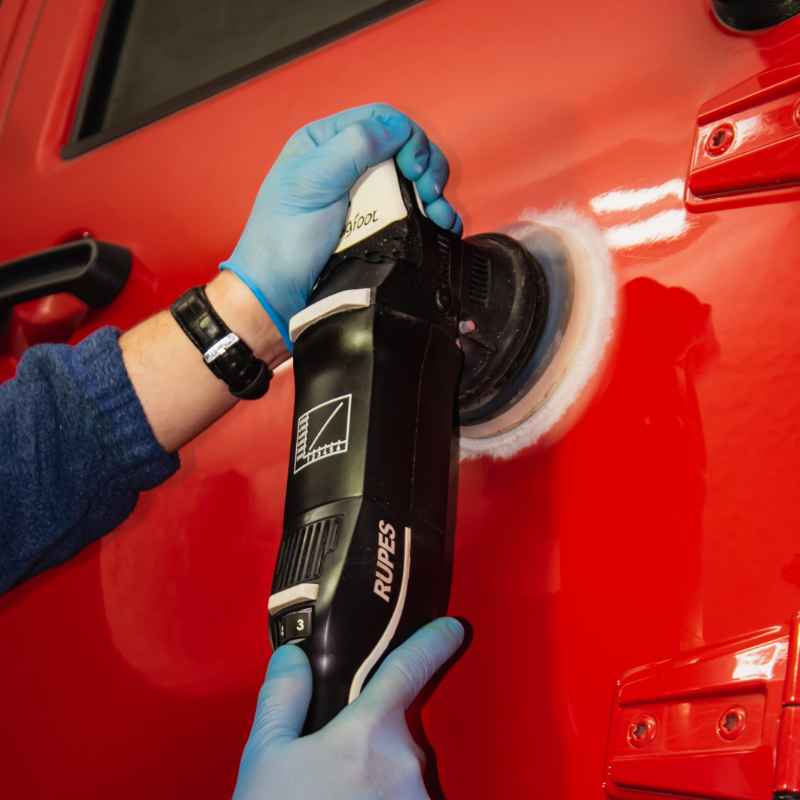
- Buffing and Polishing: If your paint starts to look a bit dull or has minor swirl marks, you can often bring it back to life with a machine polisher and a fine polishing compound. This works the same way it does on clear coats, by leveling out the surface imperfections.
- Avoid Harsh Chemicals: Stay away from abrasive cleaners, tar removers that are too strong, or solvents that aren’t designed for automotive paint.
- Park Smart: Whenever possible, park your car in a garage or shaded area to minimize exposure to direct sunlight, which can fade and degrade any paint over time.
If you have a small scratch, you might be able to buff it out with a rubbing compound. For deeper scratches, you might need to lightly sand the area and reapply a small amount of matching single-stage paint. Feathering the edges of the repair is important so it blends smoothly.
Quick Scan: Single Stage Paint Attributes
| Attribute | Description | Impact |
|---|---|---|
| Composition | Color pigments and binder mixed together. | Simpler application, fewer layers. |
| Application | Sprayed as one coat (or multiple coats of the same product). | Faster process, less equipment needed. |
| Gloss & Protection | Provided by the binder system. | Good shine and decent durability, but often less than clear coat. |
| Cost | Generally lower than base coat/clear coat. | More budget-friendly for projects. |
| Durability | Good, but can be less resistant to UV and scratches over time compared to clear coat. | May require more frequent waxing/sealing. |
Frequent Questions About Single Stage Paint
Is single-stage paint durable enough for everyday use?
Yes, high-quality single-stage paints, especially modern urethane-based ones, are quite durable for everyday use. They offer good protection against the elements. However, they may not be as resistant to scratches and UV damage over many years as a dedicated clear coat.
Proper care and maintenance, like regular waxing, are important.
Can I get metallic or pearl effects with single-stage paint?
You can find single-stage paints with metallic flakes or pearl additives. However, achieving a perfectly uniform metallic or pearl effect can be more challenging with single-stage paint than with a base coat/clear coat system. The clear coat in a multi-stage system helps to lay these flakes down evenly.
How long does single-stage paint typically last?
The lifespan of single-stage paint can vary greatly. A well-applied, good quality single-stage urethane could last 5-10 years or more with proper care. Older types like acrylic lacquer might only last a few years before showing significant fading or degradation.
Factors like climate, sun exposure, and maintenance play a huge role.
Is single-stage paint harder to repair than base coat/clear coat?
For minor scratches or chips, single-stage paint can sometimes be easier to blend. You’re just matching one layer. However, for larger repairs or if the original paint has faded significantly, matching the exact color and sheen can still be difficult.
With base coat/clear coat, you might have issues matching the clear coat texture, but blending the base color can be easier to get right.
What kind of prep work is needed for single-stage paint?
Prep work is crucial for any paint job, including single-stage. You need to thoroughly clean, degrease, and sand the surface. Any rust or old paint must be removed or treated.
The smoother and cleaner the surface, the better the single-stage paint will adhere and look.
Can I apply a clear coat over single-stage paint later?
Yes, in some cases, you can apply a clear coat over an existing single-stage paint job. However, this is often not recommended without proper preparation. The single-stage paint needs to be scuffed (lightly sanded) and cleaned thoroughly.
It’s usually best to consult the paint manufacturer’s guidelines for the specific products you are using. Applying clear coat over old, poorly prepped single-stage paint can lead to adhesion issues and premature peeling.
Conclusion
Understanding single-stage car paint helps you appreciate the variety in automotive finishes. It’s a practical, often cost-effective choice that delivers a good shine and protection. Whether you’re restoring a classic or refreshing a work vehicle, single stage car paint offers a simpler path to a great look.
Products related to this article
Sponsored / affiliate links. As an Amazon Associate I earn from qualifying purchases. I may earn additional commission from eligible campaigns.