Do Cars Stall If Low On Gas But Not Empty? Real Answer
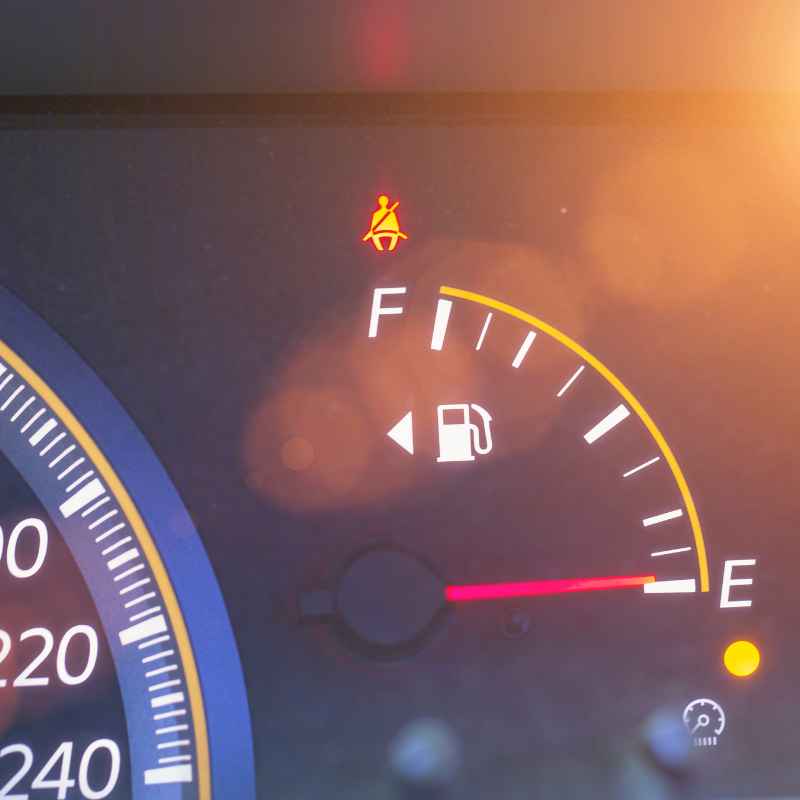
It’s a question that pops into many drivers’ minds. You’re cruising along, the gas light is on, and the gauge needle is dancing near ‘E’. Your car sputters a bit.
Will it just keep going until the very last drop, or will it quit on you unexpectedly?
Many people worry about their car stalling. It can be a scary and inconvenient situation. This article dives into what really happens when your car’s fuel level gets very low.
We’ll look at why it might stall and when it’s likely to be okay.
You’ll learn about the fuel system in your car. We’ll talk about the role of the fuel pump. You’ll also find out if the fuel gauge is always right.
By the end, you’ll feel more confident about driving with a low fuel light on. Understanding this can save you stress.
The short answer is yes, a car can stall if it’s low on gas, even if the tank isn’t completely empty. This happens because the fuel pump might not be able to draw enough fuel consistently. Driving with very little gas can also damage your car’s fuel pump over time.
Why Your Car Might Stall When Gas is Low
Your car’s engine needs a steady supply of fuel to run. Think of it like your own body needing food. When you don’t eat, you get tired and can’t function well.
Cars are similar.
The fuel system in your car has several parts. A key part is the fuel pump. This pump sits in the gas tank.
Its job is to suck fuel from the tank and send it to the engine. It pushes the fuel through lines and a filter.
When your gas tank is full, the fuel pump is submerged. It has plenty of fuel all around it. This makes it easy for the pump to grab fuel and send it where it needs to go.
The engine gets a smooth, consistent flow of gasoline.
However, when the fuel level drops very low, things change. The fuel pump might start to suck in air along with the fuel. It can also pick up sediment that settles at the bottom of the tank.
This mix of air and gunk isn’t good for the engine.
If the fuel pump starts sucking in too much air, it can’t push enough fuel to the engine. The engine then doesn’t get the fuel it needs to keep running. This is when it can sputter, hesitate, and eventually stall.
So, even if there’s still some fuel in the tank, it might not be enough for the pump to work properly. This is especially true if the car is going up hills, turning corners, or braking hard. These actions can slosh the remaining fuel away from the pump.
The Role of the Fuel Pump
Let’s talk more about the fuel pump. It’s a small but mighty part of your car. Most modern cars have an electric fuel pump inside the gas tank.
This is often called an in-tank fuel pump.
This pump is designed to work best when it’s covered by gasoline. The fuel helps to cool the pump and keep it working smoothly. It also acts as a lubricant for the pump’s parts.
When the fuel level is low, the pump might not be fully submerged. This can cause it to overheat. An overheating pump can fail.
It can also start to work less efficiently. It might not be able to create enough pressure to send fuel to the engine.
Imagine trying to drink a thick milkshake through a straw. If the milkshake is low, you might just suck air. The fuel pump can act like that straw.
If it’s not getting enough liquid, it starts to pull in air. This causes the engine to get too little fuel.
The fuel pump sends fuel to the fuel injectors. These injectors spray a fine mist of fuel into the engine’s cylinders. This mist mixes with air.
Then, a spark plug ignites the mixture. This explosion powers the car.
If the fuel pump can’t provide enough fuel, the injectors get less. The engine then doesn’t have the right mix to create power. This can lead to a rough idle or the engine shutting off completely.
The fuel pump also works with a fuel pressure regulator. This keeps the fuel pressure just right. Too much or too little pressure can cause problems.
When the fuel level is very low, the pump struggles to maintain the correct pressure. This can upset the entire fuel delivery system.
Fuel Pump Health Tips
Keep Tank Half Full: Avoid letting your fuel tank drop below a quarter full. This keeps the pump cool and submerged.
Use Quality Fuel: Dirty fuel can clog filters and strain the pump.
Address Issues Promptly: If you notice engine problems, get them checked. This could prevent fuel pump damage.
The Fuel Gauge: Friend or Foe?
Many drivers rely heavily on their car’s fuel gauge. It’s supposed to tell you how much gas is left. But is it always accurate?
Fuel gauges work using a float. This float sits on top of the fuel in your tank. As the fuel level changes, the float moves up or down.
This movement is sent to a sensor. The sensor then tells the gauge on your dashboard where to point.
However, these gauges aren’t always perfect. They can sometimes give a slightly optimistic reading. This means the needle might show a little more fuel than you actually have.
This is especially true when the fuel level is very low.
Also, the last bit of fuel in the tank can be tricky to measure accurately. The float might not be able to move freely. Or, the sensor might have a hard time reading the exact level when it’s almost empty.
This can lead to the gauge showing a little fuel left when there’s actually very little.
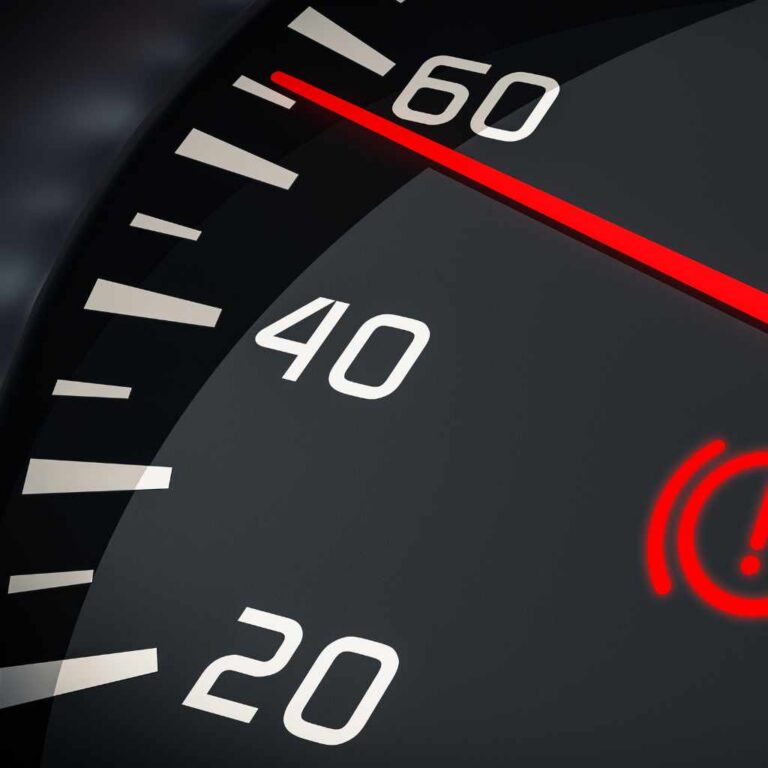
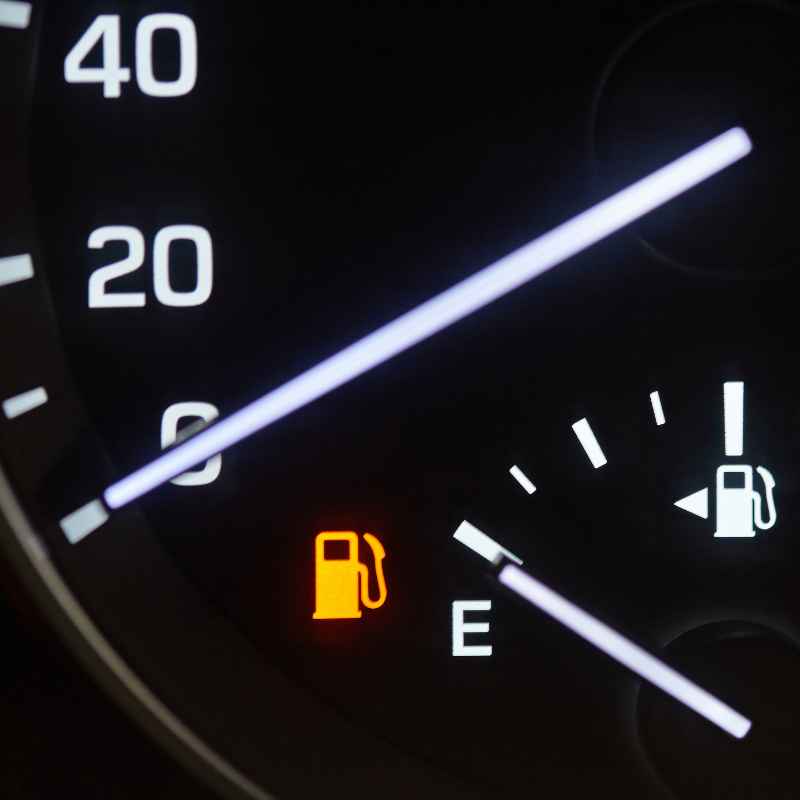
When the gas light comes on, it’s a warning. It means you’re running on fumes. Most cars have a reserve amount of fuel.
This is usually about 1 to 2 gallons. But this amount can vary a lot between different car models.
So, even if your gauge is pointing to ‘E’ and the light is on, there might be a small amount of fuel left. The problem is, you don’t know exactly how much. And it might not be enough to consistently feed the fuel pump.
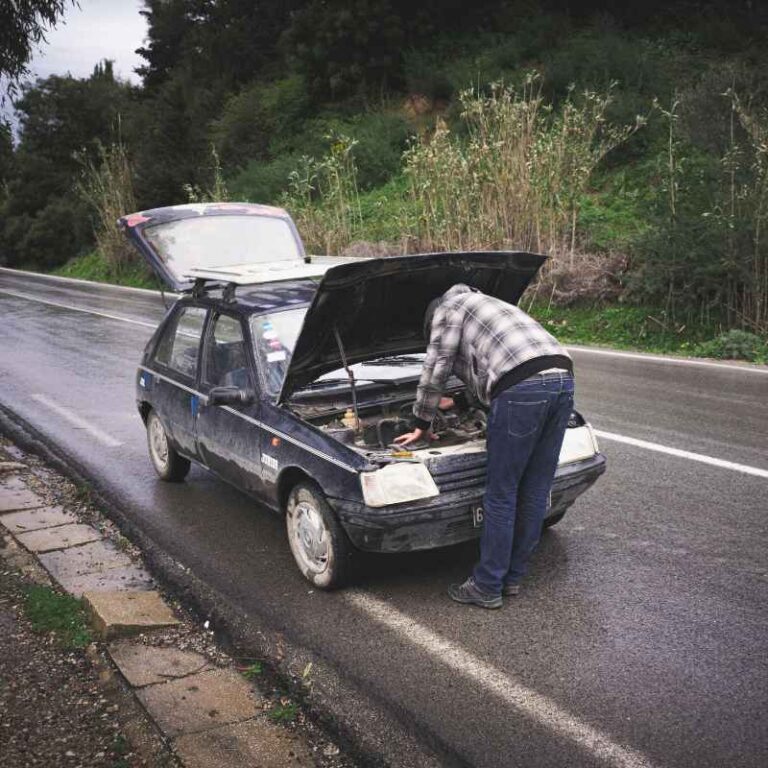
I remember one time, I was driving in a rural area. My fuel light came on. I figured I had plenty of time to get to the next town.
The needle was already on E. I drove for another 15 minutes. Then, my car started to sputter.
I panicked and pulled over as fast as I could.
Luckily, I was close to a gas station. I walked and got a gallon of gas. Poured it in.
The car started right up. That day, I learned that the fuel gauge isn’t always your best friend when it’s on empty. It’s more of a strong suggestion to get gas!
Fuel Gauge Myths vs. Reality
Myth: The ‘E’ means completely empty.
Reality: There’s usually a small reserve. But it’s not always enough for steady operation.
Myth: The gauge is always precise.
Reality: Gauges can be slightly off, especially at the low end.
Why Driving on Empty Can Hurt Your Car
It’s tempting to push it when you’re low on gas. Maybe you’re trying to get to a cheaper gas station or just don’t want to stop. But driving with a very low fuel tank can cause long-term damage to your car.
We already talked about the fuel pump. When it’s not submerged in fuel, it can overheat. Over time, this overheating can cause the pump to wear out faster.
It might eventually fail completely. Replacing a fuel pump can be an expensive repair.
There’s also a fuel filter. This filter cleans the fuel before it reaches the engine. When the fuel level is very low, the pump can suck up sediment and debris from the bottom of the tank.
This gunk can clog the fuel filter.
A clogged fuel filter makes it harder for fuel to get to the engine. This can cause poor engine performance. It can also put extra strain on the fuel pump.
Eventually, the filter might need to be replaced. If it gets too clogged, it can prevent the car from running at all.
Modern cars also have a charcoal canister. This part helps trap fuel vapors. It prevents them from escaping into the atmosphere.
When you overfill your gas tank, or run it very low and the pump sucks up sediment, you can damage this canister. This can lead to check engine lights.
So, while you might get away with driving on fumes a few times, it’s not a good habit. It’s like running your body on very little sleep and water. You might function, but it’s not healthy for the long run.
Think about the engine itself. It needs a precise mix of fuel and air. When that mix is off because of fuel starvation, the engine components can be stressed.
This can lead to premature wear and tear. It’s better to be safe than sorry with your car’s health.
Real-World Scenarios: When Stalling is More Likely
The chances of your car stalling when low on gas aren’t the same all the time. Certain situations make it much more likely.
Driving Uphill: When you’re going up a steep hill, gravity works against the fuel pump. The fuel in the tank wants to settle towards the back. If the pump is near the front of the tank, it might struggle to reach the fuel.
It can easily start sucking air.
Hard Acceleration: If you need to speed up quickly, the engine demands a lot of fuel. If the fuel pump is already working hard to draw from a low tank, it might not be able to keep up. The sudden demand can cause it to falter and the engine to cut out.
Sharp Turns: When you make a quick turn, the fuel inside the tank sloshes around. If the fuel level is low, the fuel can move away from the fuel pump’s pickup tube. The pump might briefly lose its fuel supply.
Braking Hard: Similar to turns, sudden braking can cause the fuel to shift. If the fuel is sloshed away from the pump, it can cause a temporary interruption in fuel delivery. This can make the engine stumble.
Older Cars: Fuel systems in older cars might be less efficient. Their fuel pumps might be weaker. Their fuel gauges might be less accurate.
This makes them more prone to stalling when the fuel is low compared to newer vehicles.
Carrying Heavy Loads: If your car is packed with people or cargo, the engine has to work harder. This increases fuel consumption. It also puts more stress on the fuel system.
A low fuel situation will be more critical.
I once saw a friend driving his old pickup truck. He was on a long road trip. His fuel light came on, and he kept going.
He was going up a long, steady incline. Suddenly, the truck just died. He coasted for a bit, then had to wait for a tow truck.
It was a classic example of a weak fuel pump on a hill combined with low fuel.
Situational Fuel Stalling Risks
High Risk: Uphill driving, rapid acceleration, sharp turns.
Moderate Risk: Hard braking, driving with a very low tank (over time).
Lower Risk: Steady, flat highway driving with a recently filled tank.
When Is It Normal to Have Gas But Stall?
Sometimes, a car might stall even if there’s fuel in the tank. This isn’t always about being low on gas. It could be other issues in the fuel system or engine.
Clogged Fuel Filter: If the fuel filter is severely clogged, it can restrict fuel flow. The engine might stall, especially under load. This can happen even if the tank is half full.
Faulty Fuel Pump: The fuel pump might be failing. It could be weak and not providing enough pressure. Or, it might be intermittently cutting out.
This can cause stalling at various fuel levels.
Dirty Fuel Injectors: If the fuel injectors are dirty or clogged, they can’t spray fuel properly. The engine might run rough and eventually stall. This is a fuel delivery problem, not necessarily a low fuel problem.
Mass Airflow Sensor Issues: This sensor tells the engine computer how much air is entering the engine. If it’s dirty or faulty, the computer can’t calculate the right fuel mixture. This can lead to stalling.
Spark Plug Problems: Worn-out spark plugs can cause misfires. If the engine misses too many sparks, it can stall. This is an ignition system issue.
Idle Air Control Valve (IACV): This valve helps regulate the engine’s idle speed. If it’s stuck or dirty, the engine might stall when you slow down or stop.
Vacuum Leaks: A leak in a vacuum hose can let unmetered air into the engine. This messes up the air-fuel ratio. It can cause rough idling and stalling.
Electrical Problems: Faulty sensors, wiring issues, or problems with the car’s computer can all cause the engine to stall. Sometimes these are related to fuel, but not always.
It’s important to distinguish between stalling due to genuinely low fuel and stalling due to a mechanical or electrical problem. If your car stalls and the fuel gauge is clearly low, it’s likely fuel-related. If the gauge shows plenty of gas, you need to look at other potential causes.
I remember a car that kept stalling at stoplights. The owner thought he was just running low on gas. But his gauge was always showing about half a tank.
Turns out, his idle air control valve was completely gummed up. Cleaning it fixed the problem. This showed me that stalling isn’t always about the fuel pump and the tank!
Quick Check: Fuel vs. Other Issues
Fuel Stalling Signs: Sputtering, hesitation, engine dies when going uphill or accelerating. Fuel light is on or needle is near E.
Other Stalling Signs: Engine dies suddenly at idle, after starting, or on flat ground. Fuel gauge shows plenty of gas. Other warning lights might come on (check engine, battery).
What This Means for You
So, what’s the takeaway from all this? It’s pretty simple: don’t push your luck with a low fuel tank.
When it’s normal: It’s normal for your car to feel a little less peppy when the fuel light comes on. You might notice a slight hesitation if you accelerate hard. This is the fuel pump starting to struggle a bit.
When to worry: You should worry if your car starts sputtering or feels like it’s losing power, especially when you’re not on a perfectly flat road. If the engine dies completely, that’s a clear sign you waited too long.
Simple checks: The easiest check is your fuel gauge. If it’s pointing to ‘E’ or the light is on, that’s your first clue. If your car acts funny under those conditions, it’s almost certainly fuel-related.
If your car stalls and the fuel gauge looks fine, then it’s time to think about other potential problems. This might mean it’s time to visit a mechanic. Don’t ignore stalling.
It can leave you stranded.
My own driving habit changed after a scare. I used to let my tank get really low. Now, I try to fill up when the needle hits a quarter tank.
It gives me peace of mind. Plus, I know I’m helping my car’s fuel system stay in good shape.
Quick Tips to Avoid Stalling
Here are some straightforward tips to keep your car running smoothly and avoid unexpected stops:
- Refuel Early: Don’t wait for the fuel light to come on. Aim to refuel when your tank is around one-quarter full.
- Know Your Car: Familiarize yourself with your car’s fuel range. Understand how many miles you can typically drive on a full tank and how many miles the low fuel light suggests you have left.
- Avoid Extreme Conditions: If your fuel is very low, try to avoid driving uphill, accelerating hard, or making sudden maneuvers. Drive gently until you can get to a gas station.
- Listen to Your Car: Pay attention to any unusual sounds or hesitations from your engine. These can be early warning signs of fuel delivery problems.
- Regular Maintenance: Keep up with your car’s regular maintenance schedule. This includes checking and replacing the fuel filter as recommended by your owner’s manual.
- Use Quality Fuel: Always use good quality gasoline from reputable stations. Avoid stations that look poorly maintained.
These simple steps can save you a lot of trouble and help your car last longer. It’s all about being proactive rather than reactive.
Frequently Asked Questions
Can my car run on fumes if the gas tank is almost empty?
Yes, your car can technically run on the last bit of gas in the tank. However, this is not recommended. The fuel pump may start to suck in air or sediment, leading to sputtering or stalling.
It also puts stress on the fuel pump.
How much gas is usually left when the low fuel light comes on?
The amount of gas left when the low fuel light comes on varies by car model. It’s typically between 1 and 2 gallons. This might give you about 20 to 40 miles of driving, but this can differ based on your car and driving conditions.
Will driving on empty damage my fuel pump?
Yes, frequently driving on empty can damage your fuel pump. The pump relies on the fuel to stay cool and lubricated. When the fuel level is very low, the pump can overheat and wear out faster, potentially leading to failure.
Is it bad to always fill up my gas tank completely?
It’s generally not bad to fill up your tank completely, as long as you don’t overfill it and cause fuel to spill. Keeping the tank mostly full is actually good for the fuel system. It ensures the fuel pump stays submerged and cool.
What happens if my car stalls on the highway due to no gas?
If your car stalls on the highway because it ran out of gas, pull over to a safe location immediately. If you can’t reach the shoulder, turn on your hazard lights. You will need to get a fuel can and add at least a gallon of gas to restart the car.
Can a dirty fuel filter cause stalling even with plenty of gas?
Absolutely. A dirty or clogged fuel filter restricts the flow of fuel to the engine. This can cause hesitation, sputtering, and stalling, even if your fuel tank is full or nearly full.
It’s a common cause of fuel-related performance issues.
Final Thoughts on Low Fuel
Running low on gas is a common concern. It’s easy to worry about your car stalling. Remember, your car’s fuel system needs a consistent supply of fuel.
When that supply is critically low, the fuel pump can struggle.
This struggle can lead to sputtering, hesitation, and ultimately, stalling. Driving on fumes also harms your fuel pump and filter over time. It’s best to refuel when your tank is around a quarter full.
This keeps your car happy and you on the road.
Products related to this article
Sponsored / affiliate links. As an Amazon Associate I earn from qualifying purchases. I may earn additional commission from eligible campaigns.