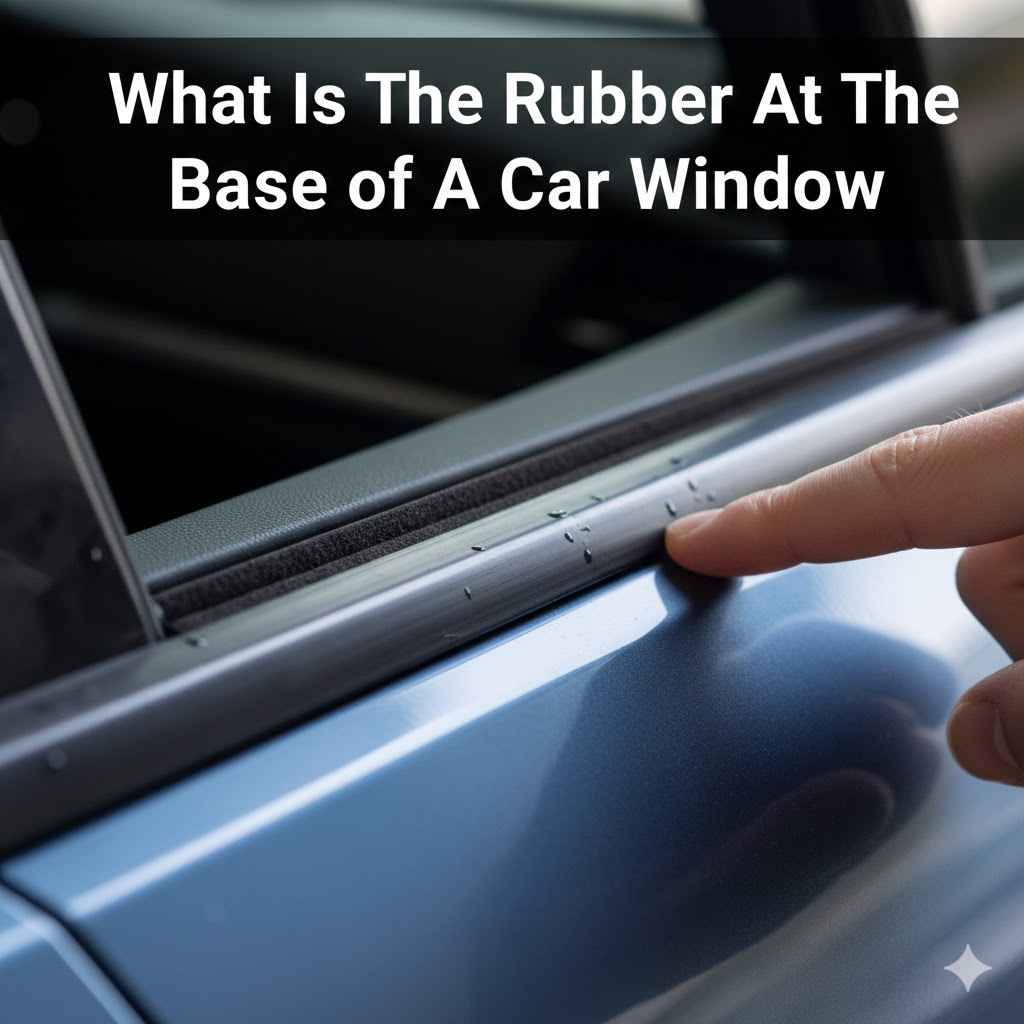
What Is the Rubber At The Base Of A Car Window
It is super common to wonder about the rubbery bits on your car, especially around the windows. When you see that black strip where the glass meets the car body, you might ask yourself, “What is the rubber at the base of a car window?” For folks just starting out with car care or curious about how their vehicle works, these details can seem a bit tricky to figure out. But do not worry!
We are going to break it down simply. This guide will walk you through what that rubber is, why it is there, and what happens if it is not doing its job right. We will cover everything you need to know in easy steps.
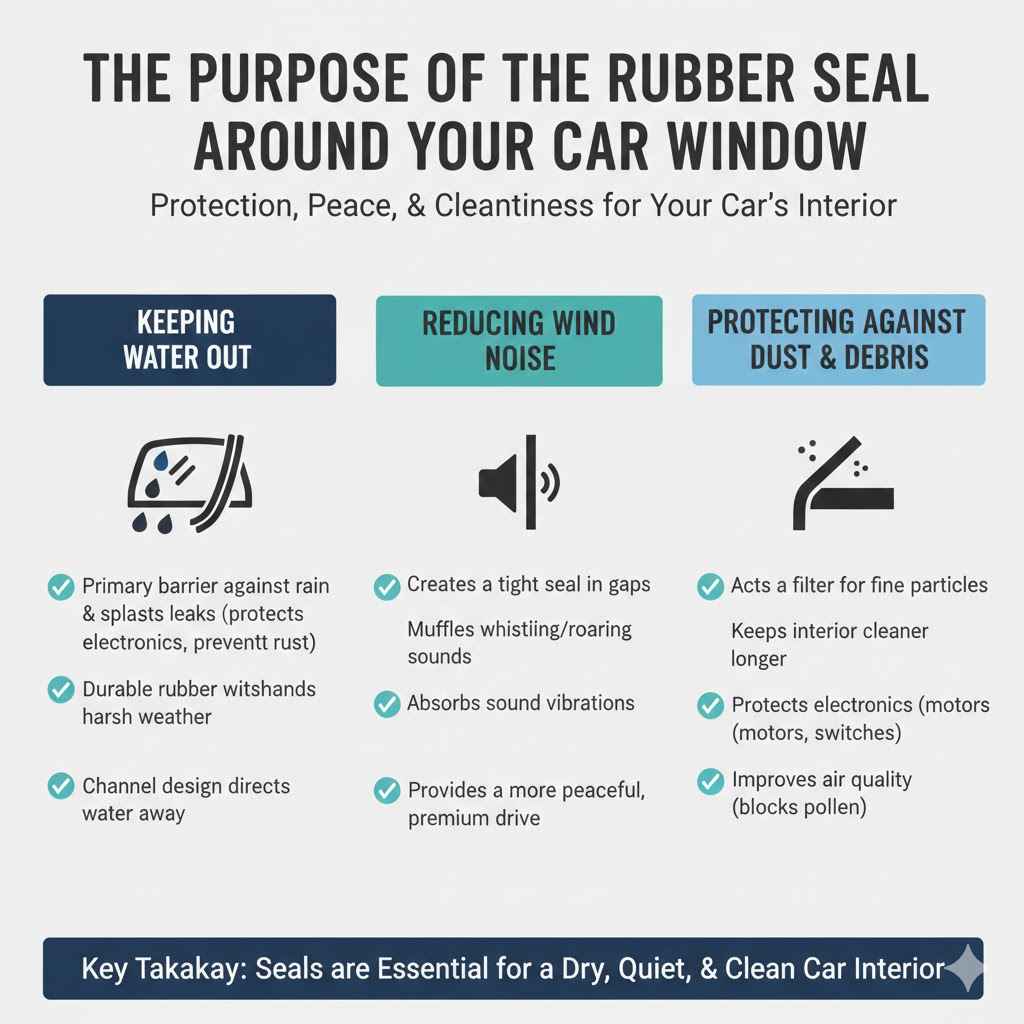
The Purpose Of The Rubber Seal Around Your Car Window
The black rubber strip you see at the bottom of your car window serves a very important job. It is called a window seal or weatherstripping. This part is designed to keep the outside elements from getting into your car.
Think of it as a tiny gatekeeper for your vehicle. It stops rain, wind, dust, and even noise from coming inside, keeping you comfortable and your car’s interior protected.
Keeping Water Out
One of the main functions of the rubber seal is to prevent water from entering your car. When it rains or when you wash your car, water can easily get into small gaps. The rubber seal creates a tight barrier.
This stops water from dripping onto your dashboard, seats, or floor. This is crucial for preventing mold and mildew growth, which can damage your car’s interior and create unpleasant odors.
The design of the seal is clever. It often has channels or a specific shape that directs water away from the window gap. This channel system works like a tiny drainage route.
Water that hits the seal is guided downwards and away from the inside of the car. This constant flow away from the interior is key to keeping your car dry.
- Waterproofing: The seal acts as a primary barrier against rain and splashes. Without it, even a light shower could leave your car’s interior soaked. This protects electronics and prevents rust.
- Durability: High-quality rubber is used for these seals. It is made to withstand harsh weather conditions like sun, heat, cold, and moisture without degrading quickly. This ensures it performs its job effectively for a long time.
- Preventing Leaks: A well-fitted seal ensures there are no leaks around the window edges. Even small leaks can cause significant damage over time if not addressed.
Reducing Wind Noise
Besides keeping water out, the rubber seal also plays a big role in making your car ride quieter. When you are driving, especially at higher speeds, wind can rush into any tiny openings. This creates annoying whistling or roaring sounds inside the car.
The seal fills these gaps, smoothing out the airflow around your windows.
By creating a smooth transition between the window and the car’s body, the rubber muffles the sound of the wind. This makes your drive more peaceful. A quiet cabin means you can talk to your passengers more easily or enjoy your music without distractions.
It makes the car feel more comfortable and high-quality.
The Science of Sound Dampening
The rubber itself has properties that absorb sound. Its flexibility allows it to compress and create a tight seal, but it also has a certain density that can dampen vibrations. Vibrations from wind hitting the glass and frame can travel into the car.
The seal acts as a buffer, stopping some of these vibrations from reaching the interior.
When engineers design car windows and seals, they consider acoustics. The shape and thickness of the rubber are carefully chosen. They aim to block out the most bothersome frequencies of wind noise.
This attention to detail contributes significantly to the overall comfort of the driving experience.
- Comfortable Driving: Less wind noise means a more relaxing drive. This is especially important for long trips.
- Better Communication: In a quieter car, you can hold conversations without shouting. This improves safety and enjoyment.
- Premium Feel: A quiet cabin often feels more luxurious. Good seals contribute to this perception.
Protecting Against Dust and Debris
The world outside your car is full of fine particles like dust, sand, and road grime. These tiny bits can easily enter your car if there are gaps around the windows. The rubber seal acts as a filter.
It stops most of these small particles from making their way into your car’s interior.
This keeps your car cleaner for longer. It also helps protect the sensitive electronic components often found near windows. Dust can interfere with window motors and switches.
By keeping dust out, the seals help these parts work better and last longer. It is a simple solution to a common problem.
Imagine driving on a dusty road. Without good seals, your dashboard and interior could be covered in a fine layer of dirt very quickly. The seals prevent this by blocking the small gaps where dust would otherwise enter.
This means less cleaning for you and better protection for your car’s interior surfaces.
- Cleaner Interior: Less dust means your car looks and feels cleaner. You won’t have to wipe down surfaces as often.
- Component Protection: Dust can damage electrical parts. Seals help keep these vital components free from grit.
- Air Quality: By blocking dust and pollen, seals can also improve the air quality inside your car. This is good for passengers, especially those with allergies.
Understanding Different Types Of Window Seals
Not all car window seals are exactly the same. They can vary in material, design, and how they are attached to the car. The type of seal often depends on the car’s make, model, and year.
Modern cars might have more advanced seals than older ones.
Material Composition
The rubber used for window seals is usually a synthetic rubber compound. This material is chosen for its durability and resistance to the elements. Common materials include EPDM (ethylene propylene diene monomer) rubber.
EPDM is known for its excellent resistance to weathering, UV radiation, and ozone. This makes it ideal for outdoor applications like car seals.
Other materials might be used depending on the specific requirements. Some seals might have a combination of rubber and plastic components. The goal is always to create a flexible yet strong seal that can withstand years of use.
The specific formulation of the rubber can affect its longevity and how well it performs in different temperatures.
EPDM Rubber Explained
EPDM is a type of synthetic rubber that is highly valued in the automotive industry. It has a long lifespan and is resistant to cracking, fading, and shrinking. EPDM can handle extreme temperatures, from very cold winters to very hot summers, without losing its flexibility.
This is why it is a preferred material for window seals, door seals, and other automotive weatherstripping.
Its resistance to ozone is particularly important. Ozone is a gas found in the atmosphere that can break down natural rubber over time. EPDM’s chemical structure makes it much less susceptible to ozone damage.
This means EPDM seals are less likely to become brittle or crack compared to seals made from other materials.
- Longevity: EPDM seals can last for many years, often a decade or more, without significant degradation.
- Weather Resistance: They stand up well to sun, rain, snow, and extreme heat or cold.
- Flexibility: EPDM remains flexible across a wide temperature range, ensuring a good seal even in harsh climates.
Design Variations
Window seals come in various shapes and designs. Some are simple strips that press into a channel. Others are more complex, molded pieces that fit around the entire window frame.
The design is often specific to the car model to ensure a perfect fit and optimal performance.
You will also find seals that have a built-in fuzz or felt lining. This lining helps the window slide smoothly up and down in its track. It also provides an extra layer of sealing.
The choice of design depends on how the window is constructed and how it operates within the car door.
Molded vs. Extruded Seals
Molded seals are created by pouring rubber into a mold. This allows for very precise shapes and intricate details. They are often used for seals that need to fit specific curves or have unique features.
Molded seals tend to offer a more factory-perfect fit.
Extruded seals are made by pushing rubber through a die. This creates long, continuous strips of rubber with a uniform cross-section. These are often cut to length and used for simpler applications or where a specific profile is needed along a straight or gently curved section.
Both types are designed to create a barrier.
- Custom Fit: Molded seals are shaped precisely for each car model. This ensures they seal effectively.
- Continuous Sealing: Extruded seals can be made in long lengths, reducing the need for multiple pieces and potential leak points.
- Functionality: Some designs incorporate channels for water drainage or channels for glass guides, adding functionality beyond just sealing.
How Seals Are Attached
The method used to attach window seals can also differ. Some seals are designed to clip into a metal channel on the car’s frame. Others are glued or adhered into place.
The attachment method is important for ensuring the seal stays in position and maintains its effectiveness.
For many modern vehicles, the seal might be integrated directly into the window glass assembly itself. This means the rubber is permanently bonded to the glass. This design can offer a very clean look and a highly effective seal.
It also simplifies installation in some cases.
Clip-In vs. Adhered Seals
Clip-in seals typically have a specially designed edge that fits securely into a groove or channel on the car’s body. This creates a strong mechanical bond. They can often be removed and replaced relatively easily if they become damaged.
Adhered seals use strong automotive adhesives to stick to the car’s frame. This method is common for seals that might not have a suitable channel to clip into. The adhesive needs to be high-quality and applied correctly to ensure the seal does not come loose over time, especially with exposure to weather and vibrations.
- Secure Fit: Clip-in designs offer a mechanical lock, preventing the seal from shifting.
- Permanent Bond: Adhered seals rely on strong glue for attachment. Proper surface preparation is vital for a long-lasting bond.
- Ease of Replacement: Some clip-in designs make DIY replacement easier than glued-on seals.
Common Problems With Car Window Seals
Over time, car window seals can wear out or get damaged. This is a normal part of vehicle maintenance. Recognizing these problems early can prevent bigger issues down the road.
Degradation and Cracking
Exposure to sunlight, heat, and cold can cause the rubber to degrade. This makes it brittle and prone to cracking. Cracked seals are no longer effective at blocking out water, wind, or noise.
They can also lose their flexibility.
When the rubber becomes brittle, it can start to break apart. Small pieces might fall off. This leaves gaps that allow all the elements you want to keep out to enter your car.
It also makes the seal look unsightly.
Why Degradation Happens
The primary culprit is UV radiation from the sun. UV rays break down the chemical bonds within the rubber, making it lose its elasticity. Extreme temperature fluctuations also contribute.
Constant expansion and contraction can stress the material. Furthermore, exposure to certain chemicals, like harsh car wash soaps or road salt, can accelerate the degradation process.
Think of it like leather left out in the sun for too long; it dries out and cracks. Rubber, in this harsh environment, undergoes a similar process. The materials engineers use, like EPDM, are designed to resist this for a long time, but no material lasts forever under constant exposure.
- Sun Damage: Prolonged exposure to sunlight is a major cause of rubber degradation.
- Temperature Extremes: Frequent changes between hot and cold weather stress the rubber.
- Chemical Exposure: Certain cleaning agents or road chemicals can speed up wear.
Loose or Damaged Seals
Sometimes, a seal might simply become loose. This can happen if the adhesive fails or if a clip breaks. A loose seal can flap in the wind, creating noise and allowing water to enter.
Physical damage, like being hit by a falling branch or during an accident, can also cause seals to tear or become misshapen.
If a seal is torn, there is a direct opening for water and air to get into the car. This is a clear sign that the seal needs attention. Even a small tear can lead to significant water ingress over time, causing hidden damage.
Causes of Looseness
Vibrations from driving, especially on rough roads, can gradually loosen the adhesive bond over time. If the original installation was not perfect, or if the clips were not fully engaged, a seal might start to pull away. Also, if you roll your windows down frequently, the edges of the rubber might rub against the car body or other parts, eventually causing wear and tear that leads to looseness.
Impact damage is another common reason. For instance, if a car door is hit by another object, it can bend the metal frame where the seal attaches, or directly tear the seal itself. In some cases, even everyday use like leaning on the door frame can put stress on the seal over time, leading to it becoming loose.
- Adhesive Failure: The glue holding the seal can lose its grip over time due to heat, moisture, or age.
- Mechanical Stress: Door slamming, vibrations, or improper window operation can cause seals to detach.
- Impact Damage: Physical contact, accidents, or debris can tear or dislodge seals.
Water Leaks and Their Consequences
When window seals fail, water can leak into your car. This might start as a small drip but can lead to bigger problems. Water trapped inside your car can cause rust on the car’s body.
It can also damage the electrical systems, like power window motors, and create a damp environment that encourages mold and mildew growth.
Mold and mildew are not just unpleasant; they are also bad for your health. They can cause respiratory problems and allergic reactions. The musty smell is a clear sign that moisture is present.
Addressing leaks quickly is essential for preventing these issues.
Rust and Corrosion
Metal parts of your car, especially the body panels and the frame around the window, are susceptible to rust. When water gets trapped in these areas, it can start to corrode the metal. Rust can weaken the car’s structure over time and lead to expensive repairs.
It often starts subtly in hidden areas.
The areas around the window are particularly vulnerable because they are exposed to the elements. If the seal is compromised, water can seep into the cavities within the car door or body. These areas may not dry out easily, allowing corrosion to set in and spread.
This can even affect the car’s safety.
- Initial Ingress: Water finds its way past the faulty seal into the car door or body panel.
- Moisture Trapping: The enclosed space within the car door does not allow the water to evaporate easily.
- Corrosion Process: The trapped moisture reacts with the metal, leading to the formation of rust.
- Structural Damage: Over time, rust can eat through the metal, weakening the car’s integrity.
Mold and Mildew Growth
A damp interior is a perfect breeding ground for mold and mildew. These fungi thrive in dark, moist environments. They can grow on carpets, upholstery, and even the car’s headliner.
The spores released by mold can be harmful if inhaled.
The musty smell is the most obvious sign of mold. It is a persistent odor that is hard to get rid of. Beyond the smell, mold can stain your car’s interior and cause damage to fabrics and materials.
Early detection and drying are crucial to prevent significant mold problems.
- Health Risks: Mold spores can trigger allergies, asthma, and other respiratory issues in sensitive individuals.
- Interior Damage: Mold can discolor and degrade fabrics, leather, and foam padding.
- Persistent Odors: The characteristic musty smell is very difficult to remove once mold has taken hold.
How To Maintain And Replace Your Car Window Seals
Taking care of your car’s window seals is a simple but effective way to protect your vehicle. Regular checks and proper care can extend their life and prevent problems.
Cleaning and Conditioning
Regularly cleaning your window seals can help remove dirt and grime that can degrade the rubber. You can use a mild soap and water solution. After cleaning, it is a good idea to condition the rubber.
This helps to keep it supple and prevents it from drying out and cracking.
There are special rubber protectants and conditioners available for automotive use. These products often contain ingredients that nourish the rubber, providing UV protection and restoring flexibility. Applying these can make a significant difference in the longevity of your seals.
This is a great DIY task that takes only a few minutes.
Choosing The Right Products
When selecting a rubber conditioner, look for products specifically designed for automotive weatherstripping. Avoid harsh chemicals or petroleum-based products that can actually damage the rubber over time. Silicone-based protectants are often recommended as they are gentle and provide good protection against the elements.
Some people use products like 303 Aerospace Protectant, which is highly regarded for its ability to protect various materials, including rubber, from UV damage and drying out. Always follow the product instructions for best results. A clean microfiber cloth is ideal for application.
- Gentle Cleaning: Use a pH-neutral soap and water to avoid stripping natural oils from the rubber.
- Silicone Protectants: Opt for silicone-based products for effective, non-damaging conditioning.
- UV Protection: Look for products that offer UV blockers to shield the rubber from sun damage.
When To Consider Replacement
If you notice significant cracking, tearing, or if your seals are no longer making a tight contact, it is time for replacement. Leaks are a clear sign that the seals are not working as they should. Don’t wait too long, as water damage can be costly.
You might also consider replacing them if they are very old and appear visibly worn, even if there are no immediate leaks. Replacing them proactively can prevent future problems and maintain the car’s comfort and value. If you are unsure, have a mechanic inspect them.
Signs You Need New Seals
Common signs include visible cracks or splits in the rubber, particularly along the edges. If the seal feels hard, brittle, or easily crumbles when touched, it has likely degraded beyond repair. Water spots or dampness inside your car after rain or washing are direct indicators of a leak.
Also, increased wind noise at highway speeds can suggest a compromised seal. If the window does not seal properly against the frame, allowing drafts, it is time for a change.
Another indicator is if the seal appears to be pulling away from the car body or the window frame. Even a small gap can let in a surprising amount of water and air. If you notice the rubber becoming stiff and inflexible, it has lost its ability to form a proper seal against the moving glass.
- Visible Damage: Cracks, tears, or crumbling rubber.
- Water Leaks: Any signs of water entering the cabin.
- Increased Noise: Noticeable wind noise while driving.
- Stiff Rubber: Loss of flexibility and elasticity in the seal.
- Poor Fit: The seal no longer presses firmly against the window or frame.
DIY Replacement vs. Professional Service
Replacing window seals can sometimes be a DIY project, especially for simpler, clip-in designs. You can often buy replacement seals from auto parts stores or online. The process usually involves carefully removing the old seal and then pressing or clipping the new one into place.
For more complex seals, or if you are not comfortable with car repairs, it is best to take your car to a professional mechanic or a specialized auto glass shop. They have the right tools and expertise to ensure the seals are fitted correctly, guaranteeing a watertight and wind-tight seal. This can save you time and potential headaches.
DIY Steps For Simple Seals
First, identify the type of seal. If it looks like it clips into a channel, gently pry the old one out using a plastic trim tool or a flathead screwdriver, being careful not to scratch the paint. Clean the channel thoroughly to remove any dirt or old adhesive.
Then, starting at one corner, carefully press the new seal into the channel, working your way around the entire window frame. Ensure it is seated firmly and evenly.
For seals that are glued, you will need to carefully peel or cut away the old seal. Clean off any remaining adhesive residue from the car body. Apply a thin, even bead of automotive-grade adhesive to the new seal or the car frame as per the product instructions.
Then, carefully press the new seal into place, ensuring it aligns correctly with the window frame. You may need to use painter’s tape to hold it in place while the adhesive cures, usually for 24 hours.
- Preparation: Clean the area where the seal attaches thoroughly.
- Removal: Gently remove the old seal, using appropriate tools to avoid damage.
- Installation: Carefully fit the new seal, ensuring a snug and even placement.
- Adhesive Curing: Allow adequate time for any adhesives to bond properly.
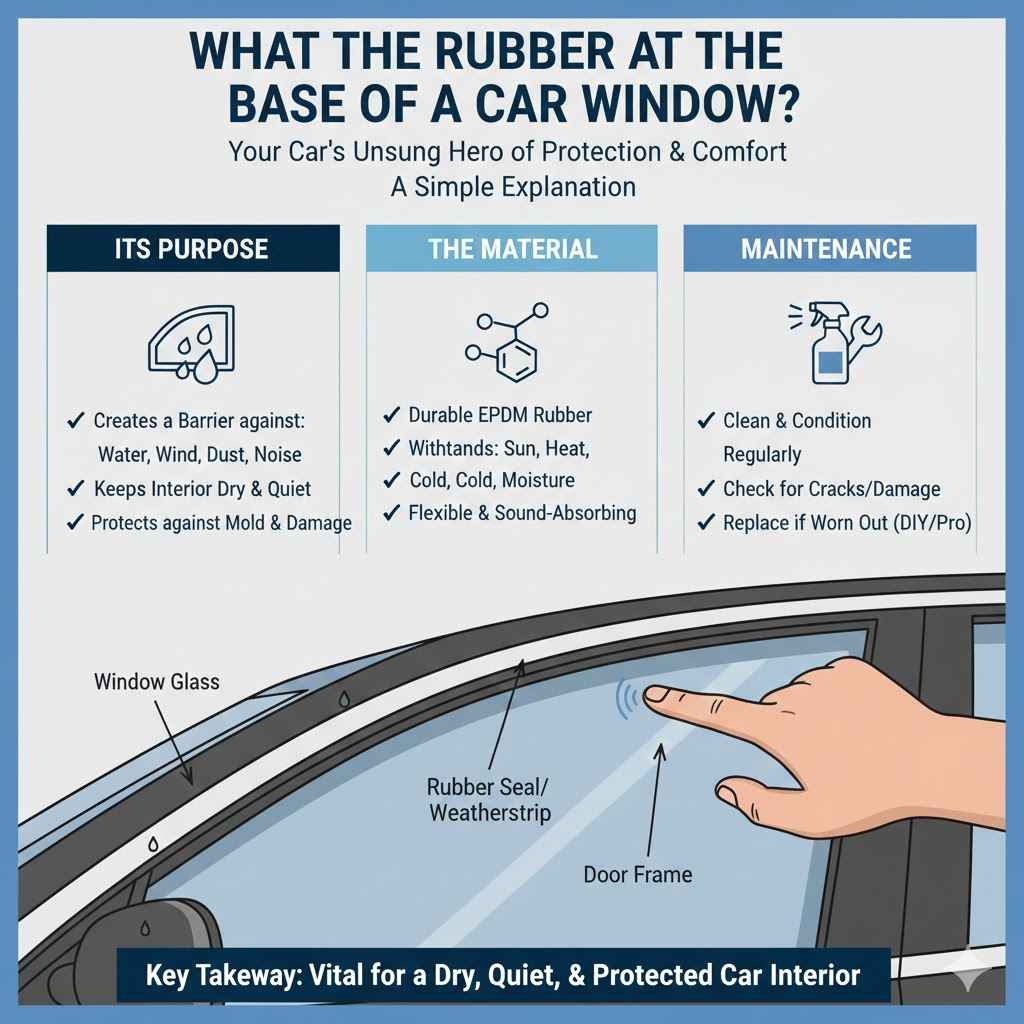
What Is The Rubber At The Base Of A Car Window? A Simple Explanation
So, to circle back to our main question: What Is the Rubber at the Base of a Car Window? It is a vital component called a window seal or weatherstripping. Its job is to create a barrier. This barrier stops water, wind, dust, and noise from getting into your car.
It keeps your car’s interior dry and quiet, protecting it from the elements and contributing to a comfortable ride. These seals are made from durable materials like EPDM rubber. They are designed to withstand various weather conditions.
Over time, they can wear out, leading to leaks and other problems.
Knowing about these seals helps you take care of your car. By cleaning and conditioning them, you can extend their life. If they do get damaged, replacing them promptly is important.
Whether you choose a DIY approach for simple seals or a professional service for more complex ones, maintaining your window seals is a key part of keeping your car in good shape. It ensures your car stays protected and comfortable for years to come. Think of them as unsung heroes of your car’s comfort and protection.
Frequently Asked Questions
Question: What is the main purpose of the rubber at the base of a car window?
Answer: The main purpose is to create a seal that prevents water, wind, dust, and noise from entering the car’s interior.
Question: What material is commonly used for car window seals?
Answer: EPDM (ethylene propylene diene monomer) rubber is a common and durable material used for car window seals due to its resistance to weathering.
Question: How long do car window seals typically last?
Answer: With proper maintenance, car window seals can last for many years, often a decade or more, but this can vary based on climate and exposure.
Question: Can I replace car window seals myself?
Answer: Yes, for some types of seals, especially clip-in designs, DIY replacement is possible. For more complex or glued seals, professional help is recommended.
Question: What happens if my car window seals are damaged?
Answer: Damaged seals can lead to water leaks, increased wind noise, dust ingress, and potential interior damage from moisture or mold.
Summary
The rubber at the base of your car window, known as the window seal or weatherstripping, is essential for protection. It keeps out water, wind, dust, and noise, ensuring a comfortable and dry interior. Made from durable materials like EPDM, these seals can degrade over time.
Recognizing signs of wear and performing regular maintenance can prolong their life. Prompt replacement of damaged seals prevents costly interior damage and maintains your car’s integrity.