Do Cars Rust In Tennessee? What Owners Should Know
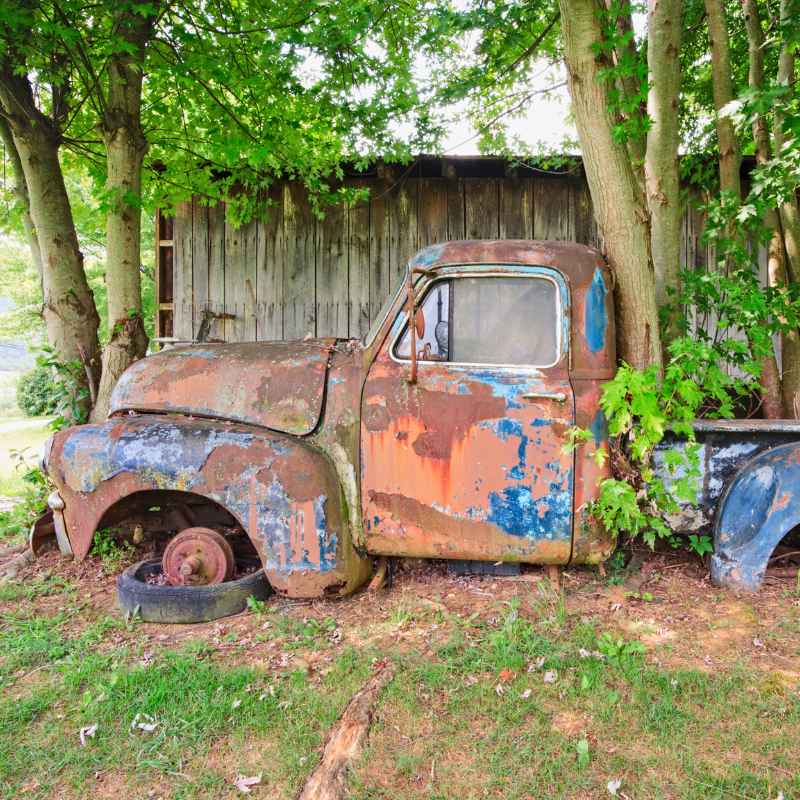
Yes, cars absolutely can rust in Tennessee. The state’s combination of high humidity, frequent rain, and the use of salt and de-icing chemicals on roads, especially during colder months, creates conditions ripe for rust formation. Even older cars not exposed to harsh winters can develop rust due to the persistently damp air.
Understanding Car Rust in Tennessee
Car rust, or corrosion, is a natural process. It happens when iron in your car’s metal reacts with oxygen and moisture. Think of it like an apple turning brown when you cut it. Metal does something similar, but much slower. In Tennessee, this process gets a turbo boost from the weather and road treatments.
The primary culprits are water and salt. Water is everywhere in Tennessee. The state sees plenty of rain throughout the year. This rain can settle on your car’s surfaces. It gets into nooks and crannies. Then, it just sits there, doing its corrosive work.
Salt, especially road salt used in winter, is a major accelerator. When roads are treated with salt or de-icing chemicals, this salty spray gets kicked up onto your car. It clings to the undercarriage, wheel wells, and door edges. Salt is like a magnet for moisture. It draws water to the metal. Then, it speeds up the chemical reaction that causes rust.
Key Rust Accelerators in Tennessee
- High Humidity: Tennessee’s air is often thick with moisture. This damp air constantly exposes metal to water.
- Rainfall: Frequent rain showers mean your car gets wet often. Water can sit and penetrate protective layers.
- Road Salt & De-icers: Used on roads during colder weather, these chemicals are highly corrosive.
- Coastal Proximity (Indirect): While not on the coast, the humid air can carry trace salt inland, especially from the Gulf.
- Mud & Dirt: Trapped dirt and mud can hold moisture against the metal. This creates a breeding ground for rust.
Even if your car is newer, it’s not immune. Modern cars have better rust protection. But no protection is perfect. Small scratches in the paint can let moisture in. The salt spray can find its way into seams and joints. Once rust starts, it’s hard to stop. It eats away at the metal, weakening it over time. This can affect the car’s appearance and even its structural integrity.
My Own “Rust Scare” in Memphis
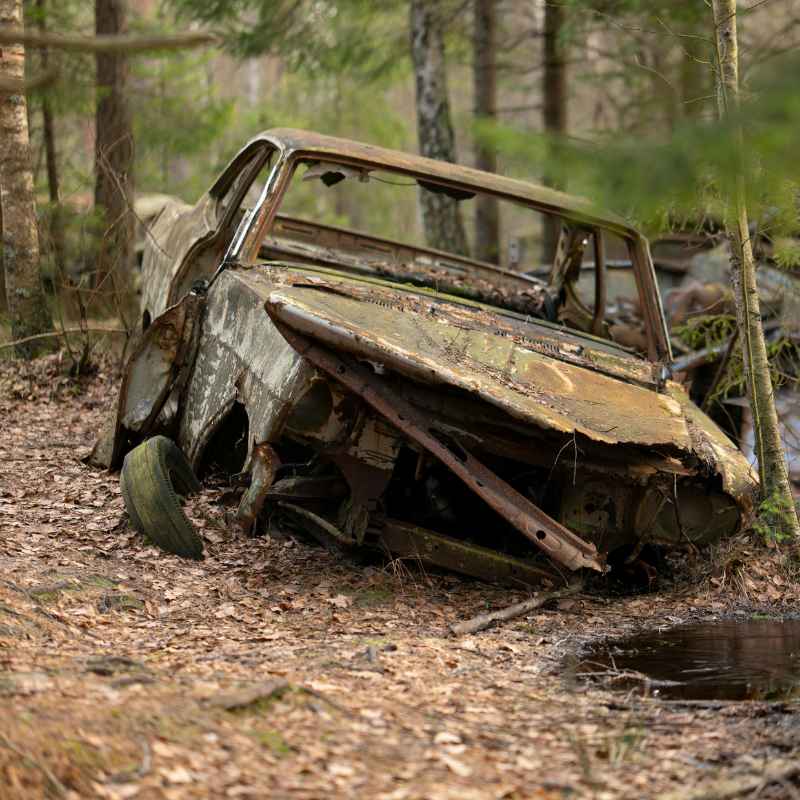
I remember years ago, I was living in Memphis. It was a mild winter, but we had a few icy spells. The roads got treated with salt. I wasn’t overly concerned at first. My car was only a few years old, a nice dark blue sedan. I thought it had good paint.
Then, one Saturday morning, I was washing my car. I always liked to keep it clean. As I was rinsing the undercarriage, I noticed something alarming. There were small, reddish-brown spots appearing on the metal parts beneath the doors. It looked like tiny freckles of rust. My heart sank. I had never seen rust on a car this new.
I got down on my hands and knees. I saw more spots on the frame rails and the edges of the rocker panels. It wasn’t bad, not yet. But it was visible. I felt a wave of panic mixed with annoyance. How could this happen? I thought I was taking good care of it.
That incident really opened my eyes. It showed me that even in a place that isn’t known for extreme winters, rust is a real threat. It made me realize that just having a newer car isn’t enough. You have to actively protect it. Especially in a place like Tennessee where the climate itself is working against your paint and metal. It was a wake-up call to be more vigilant.
The Science Behind the Red Spots
Let’s break down how rust forms a bit more. It’s an electrochemical process. You need four things for rust to happen: iron (your car’s metal), oxygen, an electrolyte (like salt or acid), and water.
When these elements are present, iron atoms lose electrons. They become iron ions. These ions then combine with oxygen. This forms iron oxide, which is what we see as rust. The electrolyte, like salt, makes the water a better conductor of electricity. This makes the process happen much faster.
Think of your car’s paint as a shield. It protects the metal underneath from oxygen and moisture. But this shield can get tiny holes. Scratches from gravel on the road, dents, or even just wear and tear can create these entry points.
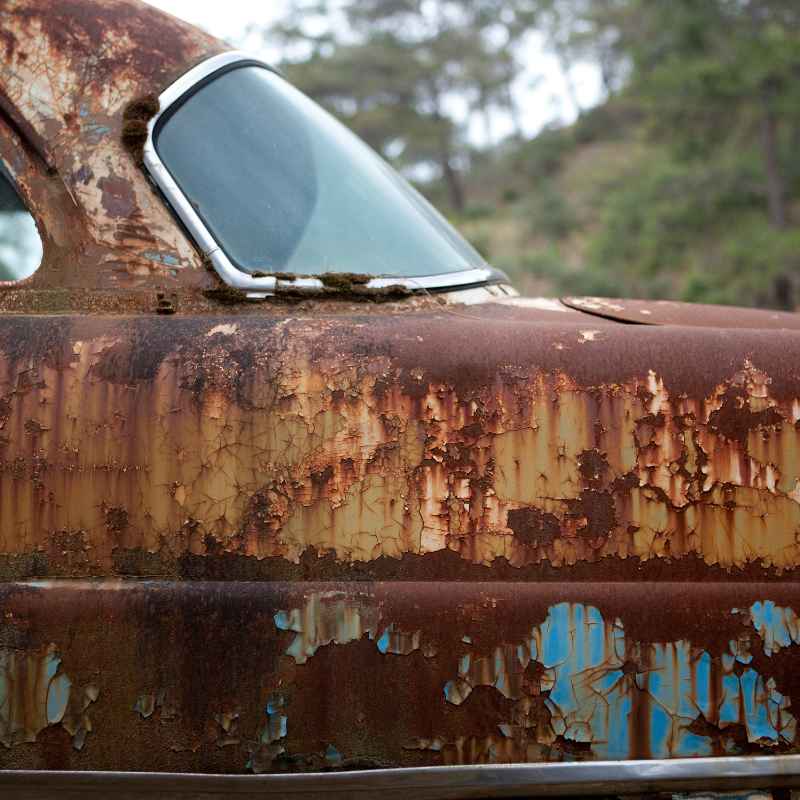
Once water and salt get through a tiny crack in the paint, they reach the bare metal. The oxygen in the air and the moisture combine with the metal. The salt acts as a catalyst. It makes this rust reaction happen at an alarming pace. The rust then spreads under the paint. It pushes the paint away from the metal. This causes bubbling and flaking.
Rust Formation Cycle: Simplified
1. Damage: A scratch or chip exposes bare metal.
2. Exposure: Water and oxygen reach the metal.
3. Electrolyte: Salt or acidic moisture makes water more conductive.
4. Reaction: Iron oxidizes rapidly to form rust (iron oxide).
5. Spreading: Rust can spread under the paint, causing more damage.
The undercarriage of your car is particularly vulnerable. It’s constantly sprayed with dirt, water, and salt. There are many metal parts there. These parts often don’t get the same level of paint protection as the body panels. Wheel wells are also hot spots. They collect mud and salt that gets flung up by the tires.
Real-World Scenarios in Tennessee
Let’s look at how these conditions play out in everyday life for a Tennessee car owner.
Scenario 1: The Nashville Commuter
Imagine someone who drives to work in Nashville daily. In the winter, the roads might get treated with salt. Even if they drive a newer car, the spray from other vehicles is unavoidable. Every time they drive after a frost or icy spell, their car’s lower panels and wheel wells get coated. This salty film sits there. It slowly eats away at the metal.
Scenario 2: The East Tennessee Backroad Explorer
Someone living in the Smoky Mountains might face different issues. They might drive on winding roads with more dirt and mud. Heavy rains can wash mud onto the car. This mud traps moisture. It can be acidic in some areas due to pollution or natural elements. This can also lead to rust, especially if the mud isn’t washed off regularly.
Scenario 3: The Summer Road Trip
Even summer isn’t entirely rust-free. While salt is less of an issue, the high humidity is constant. Driving through rural areas can mean exposure to bugs. Bug guts are acidic and can damage paint. If left on too long, they can create tiny weak spots for rust to start. Long drives also mean more exposure to road grime.
Scenario 4: The Car Parked Outdoors
A car that is frequently parked outside, even at home, is more exposed. Dew forms overnight. Rain showers happen. Tree sap can drip onto the paint. If a car isn’t washed and waxed regularly, these elements have more time to damage the protective clear coat and paint.
What This Means for Your Car’s Health
Seeing rust on your car isn’t just an aesthetic problem. It can have serious consequences.
When It’s Mostly Normal
A few tiny specks of surface rust on very old, neglected parts of the undercarriage might be considered normal for a car that’s over 10-15 years old and has seen many Tennessee winters. It’s also common to see very minor surface rust on brake rotors after a rainy day, but this usually wipes off with the first few brake applications.
When to Start Worrying
You should worry when rust spots start to grow. If you see bubbling under the paint, that’s a bad sign. It means rust is spreading beneath the surface. Rust on structural parts like frame rails, suspension components, or body mounts is a major concern. It can weaken the car and make it unsafe. Holes appearing in the body panels or floorboards are also serious.
Simple Checks You Can Do
Regularly inspect your car. Look closely at the lower doors, wheel wells, rocker panels, and the area around the bumpers. Get down and look underneath the car. Check the frame rails. You can use a flashlight. Gently tap on areas that look suspect. If the metal sounds hollow or flakes away, there’s a problem.
Quick Rust Check Points
- Lower Door Edges: Water and salt collect here.
- Wheel Wells: Mud and salt get trapped.
- Rocker Panels: The panels below the doors are exposed.
- Fender Flares: Often hide rust spots.
- Undercarriage Frame Rails: Critical structural components.
- Around Windows & Windshields: Seals can fail.
Keeping Your Car Rust-Free in Tennessee
The good news is that you can fight back against rust. It takes consistent effort.
Wash Your Car Often
This is the most important step. Washing your car regularly removes the dirt, mud, and salt that hold moisture against the metal. Aim to wash it at least every two weeks, more if you drive on treated roads frequently. Pay special attention to the undercarriage. Many car washes offer an undercarriage spray option. Use it!
Wax Your Car
A good coat of wax provides a protective barrier over your car’s paint. It helps repel water and prevents contaminants from sticking. Waxing your car a couple of times a year can make a big difference. It keeps the paint looking good and adds a layer of defense against rust.
Address Small Chips and Scratches Immediately
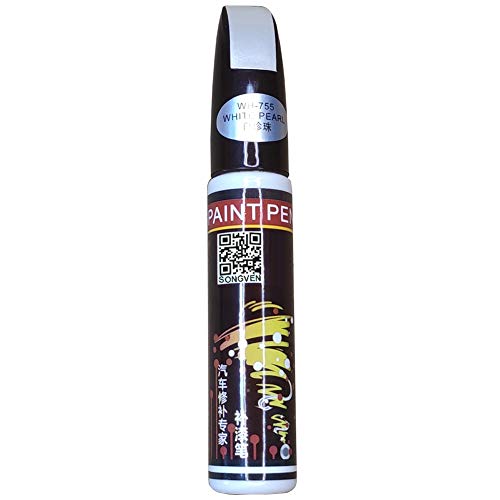
Don’t let small paint chips or scratches go unfixed. They are invitations for rust. You can buy touch-up paint pens at auto parts stores. These pens are designed to fill in small chips. It’s a simple fix that can prevent a much bigger problem down the road. Make sure the area is clean and dry before applying.
Consider Rustproofing or Undercoating
For added protection, especially if you live in an area known for heavy salt use or plan to keep your car for many years, consider professional rustproofing or an undercoating treatment. These services apply a durable protective layer to the car’s underbody. They can offer long-term defense against the elements. Do your research to find reputable shops.
Rinse Your Car’s Undercarriage After Driving on Salty Roads
If you know you’ve driven on roads treated with salt, rinse your car’s undercarriage as soon as possible. You can do this at a car wash that offers high-pressure undercarriage sprays. If you can’t get to a car wash, even a hose with a strong spray can help remove some of the salt.
Preventive Maintenance Checklist
Frequency | Action | Why It Helps
Every 2 Weeks | Wash Car | Removes salt, dirt, and moisture.
Every 4-6 Months | Wax Car | Adds protective barrier to paint.
As Needed | Touch Up Chips/Scratches | Seals exposed metal from elements.
After Salty Roads | Rinse Undercarriage | Washes away corrosive salt.
Annually | Inspect for Rust | Catch problems early.
Check Your Drains
Your car has drain holes in places like the bottom of doors, in the sunroof channels, and around the windshield. These are designed to let water escape. If they get clogged with leaves or dirt, water can pool up inside. This leads to rust from the inside out. Periodically check and clear these drains.
When to Seek Professional Help
If you find significant rust, don’t try to fix it yourself unless you have experience. Surface rust might be sanded and painted. But if you have rust that has eaten through the metal, or if it’s on structural components, you need a professional. A body shop can assess the damage. They can tell you if it’s repairable. They can perform welding and metal replacement if needed.
Remember, safety is paramount. A car with extensive rust on its frame or suspension can be dangerous. It might not pass a safety inspection. It could fail during driving. Always err on the side of caution.
Common Misconceptions About Car Rust
There are a few things people often get wrong about rust.
Myth: Only Old Cars Rust
Reality: Newer cars can absolutely rust. Their protection might be better, but the same environmental factors apply. Small damages to paint can happen to any car.
Myth: Rust is Unstoppable Once It Starts
Reality: While hard to stop completely, you can significantly slow it down. Early detection and proper maintenance are key. Fixing small spots prevents them from becoming big problems.
Myth: Living in Tennessee Means Rust is Inevitable
Reality: It’s a high risk, but not destiny. Consistent care and preventative measures can keep your car rust-free for much longer.
Myth: Just Washing the Car is Enough
Reality: Washing is vital, but waxing and addressing paint damage are also crucial. Undercarriage washing is also extremely important in salty conditions.
Frequently Asked Questions About Car Rust in Tennessee
Does the humidity in Tennessee cause cars to rust?
Yes, high humidity is a major contributor. It keeps metal surfaces damp for longer periods, speeding up the oxidation process that causes rust, even without direct rain.
How often should I wash my car in Tennessee to prevent rust?
It’s recommended to wash your car at least every two weeks. If you frequently drive on roads treated with salt or de-icing chemicals, you should wash it more often, focusing on the undercarriage.
Are some car colors more prone to rust?
No, car color does not directly affect rust. Rust is a chemical reaction on the metal. However, lighter colored cars might show surface rust specks more easily than darker colors.
What is the most vulnerable part of my car for rust in Tennessee?
The undercarriage, wheel wells, rocker panels, and lower door edges are typically the most vulnerable areas due to direct exposure to road spray, moisture, and salt.
Should I worry about rust if I don’t drive my car much?
Yes. Cars that sit for long periods, especially in humid or damp environments, can still develop rust. Moisture can accumulate in hidden areas, and without the movement of driving, it doesn’t get a chance to dry out.
Can rust damage affect my car’s resale value in Tennessee?
Absolutely. Significant rust damage can drastically lower a car’s resale value. Buyers are often wary of vehicles with visible rust, as it suggests potential structural issues and ongoing maintenance needs.
Is it worth getting rustproofing done in Tennessee?
For many owners, yes. Professional rustproofing or undercoating can provide an extra layer of defense against the harsh conditions in Tennessee, potentially saving you costly repairs and extending the life of your vehicle.
Final Thoughts on Car Care
Keeping your car looking sharp and running safely in Tennessee is a constant, but achievable, goal. Rust is a persistent foe, thanks to the state’s damp climate and road treatments. But by understanding the causes and taking consistent, proactive steps—regular washing, waxing, and prompt repairs of paint damage—you can significantly slow down or even prevent rust from taking hold. Treat your car well, and it will serve you reliably for many miles to come, no matter the Tennessee weather.
Products related to this article
Sponsored / affiliate links. As an Amazon Associate I earn from qualifying purchases. I may earn additional commission from eligible campaigns.