What Takes Paint off Car: Effective Solutions Revealed
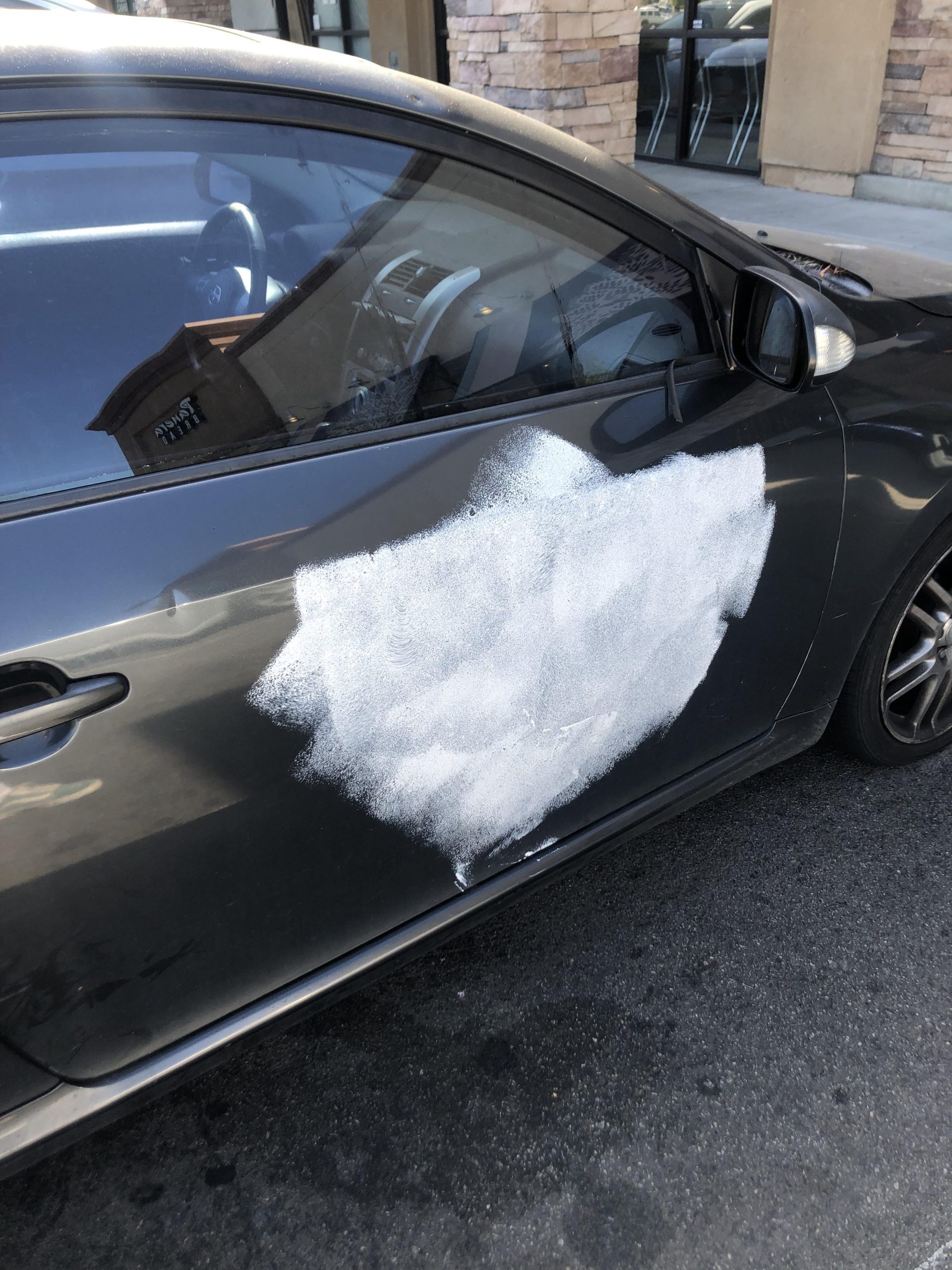
Imagine this: you wake up one morning, step outside to admire your car, and there it is—a glaring patch where the paint has chipped away. Whether it’s due to a minor accident, an unexpected scratch, or a mysterious chemical reaction, dealing with damaged car paint is something every car owner dreads.
But don’t worry, you’re not alone in this. Understanding what takes paint off a car can help you prevent further damage and keep your vehicle looking pristine. This article is your guide to identifying the culprits behind your car’s paint woes.
From everyday substances you might not even think twice about, to environmental factors that sneak up on you, we’ll cover them all. And, of course, we’ll offer practical tips to protect your car’s finish. So, if you want to safeguard your vehicle’s appearance and ensure it stays as stunning as the day you bought it, keep reading. By the end, you’ll be equipped with the knowledge to not only identify threats but also take action against them. Your car deserves the best care, and you’re about to learn exactly how to give it.
Common Causes Of Paint Damage
Sunlight is a big enemy of car paint. It causes paint to fade. Acid rain can also damage paint. It leaves ugly spots. Bird droppings are harmful too. They eat away the paint if not cleaned quickly.
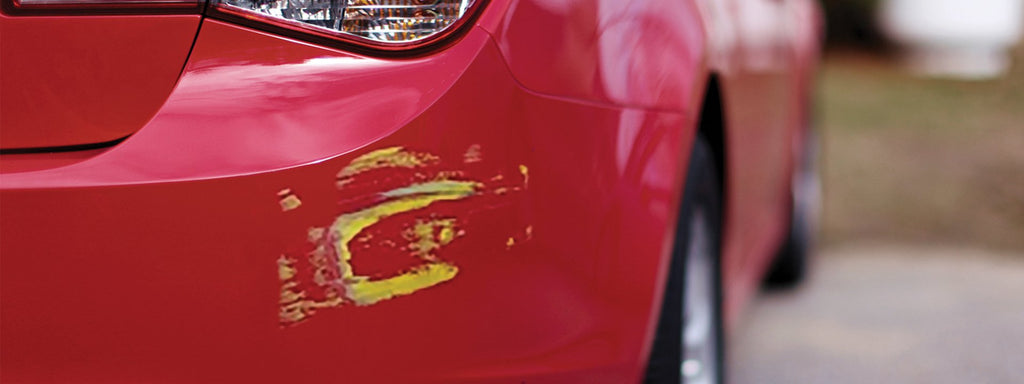
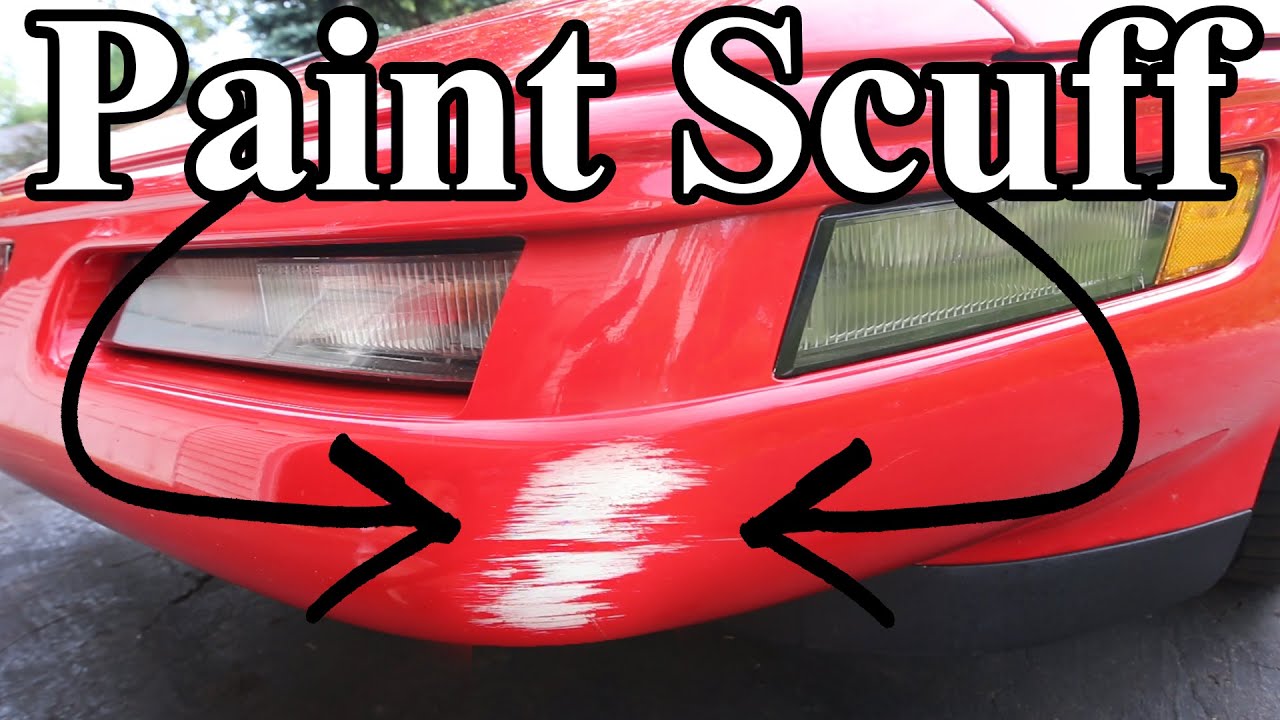
Scratches can occur easily. A branch or a stone can scratch paint. Parking lots are risky. Doors bump into your car. Even washing can scratch paint. Use soft cloths to wash your car.
Some chemicals harm car paint. Gasoline spills can remove paint. Cleaning products must be safe for cars. Choose wisely. Some waxes can damage paint. Check labels before using.
Tools And Materials Needed
Removing paint from a car needs special tools. Sandpaper is very important. It helps to scrape off old paint. Scrapers can also be used. They help remove stubborn bits. Buckets hold water or cleaning solutions. Sponges help clean the surface. Brushes are used to apply remover.
Safety gear protects you. Gloves keep hands safe from chemicals. Goggles protect eyes from splashes. Masks prevent breathing harmful fumes. Wear long sleeves to cover arms. Aprons keep clothes clean. Safety first!
Removing paint needs special products. Paint strippers are the main choice. They break down old paint. Thinners help remove paint marks. Cleaners wash away residue. Some people use vinegar. It’s a natural option. Brake fluid can also remove paint. Always follow instructions!
DIY Paint Removal Techniques
Baking soda helps in removing paint from a car. Mix it with water to form a paste. Apply the paste on the painted area. Let it sit for a few minutes. Scrub gently with a soft cloth. The paint will start to come off. Rinse the area with water. Repeat if necessary. Baking soda is gentle on the car’s surface. It does not harm the car’s paint.
Vinegar is a natural paint remover. Mix vinegar with water in equal parts. Soak a cloth in the solution. Rub it on the paint spot. Let it sit for a few minutes. The paint will loosen. Wipe it away with a clean cloth. Vinegar is safe and non-toxic. It works well for small paint spots.
Rubbing alcohol can help remove paint. Pour some alcohol on a cloth. Dab it on the paint spot. Let it sit briefly. Gently scrub the area. The paint will begin to dissolve. Use a clean cloth to wipe it off. Alcohol evaporates quickly. It leaves no residue behind. Be careful on large areas.
Credit: www.turtlewax.com
Professional Paint Removal Methods
Sandblasting uses tiny particles to remove paint. It is quick and effective. Experts use machines for this task. It is important to wear safety gear. The process can be messy. It is not suitable for all car surfaces. Sandblasting can damage thin metal. It is best for heavy-duty paint removal.
Chemical strippers dissolve paint layers. They are easy to apply. Brush or spray the solution on the car. It works within minutes. Safety gloves are necessary. The chemicals can harm skin. Experts choose different types for different paints. Some are gentle, others are strong. They ensure paint comes off without harming the car.
Heat guns soften paint. The paint peels easily. Experts control the heat carefully. Too much heat can damage the surface. Heat guns are handheld tools. They require skill to use. This method is efficient for small areas. Larger areas take more time. It is great for removing stubborn paint spots.
Preventing Future Paint Damage
Keep your car clean often. Dirt can scratch the paint. Wash with mild soap. Use a soft cloth. Avoid harsh chemicals. Wax every three months. Wax protects the paint. It’s like sunscreen for cars.
Consider ceramic coatings. They shield the paint. They keep away dust and water. Ceramic lasts longer than wax. Paint sealants are another option. They offer strong protection. Sealants can last up to six months.
Park away from trees. Tree sap can damage paint. Avoid parking under birds. Their droppings harm paint too. Choose covered parking spots. Protect from sun and rain. Shade keeps paint fresh.
Credit: www.youtube.com
Frequently Asked Questions
What Household Items Remove Car Paint?
Certain household items like nail polish remover, vinegar, or baking soda can remove car paint. These items contain chemicals that can strip paint. However, using them may cause damage to the car’s surface. It’s crucial to test on a small area first and follow with proper cleaning.
Can Vinegar Damage Car Paint?
Vinegar can damage car paint if left on for too long. It is acidic and can eat away at the paint’s protective layer. Always rinse thoroughly and avoid prolonged exposure. Using vinegar for cleaning requires careful handling to prevent harm to the car’s finish.
Is Nail Polish Remover Safe For Car Paint?
Nail polish remover is not safe for car paint. It contains acetone, which can strip paint and cause damage. Acetone is too harsh for automotive surfaces. It’s best to use products specifically designed for car paint to avoid unwanted damage.
How To Safely Remove Paint From A Car?
To safely remove paint from a car, use products designed for automotive surfaces. Follow instructions carefully and test on a small area first. Avoid abrasive methods and harsh chemicals. Professional services can ensure safe removal without damaging your car’s paint.
Conclusion
Removing paint from a car requires care and the right tools. Always start with the gentlest methods. Try soap and water first. If that fails, use a clay bar or rubbing alcohol. For stubborn spots, commercial removers can help. Remember to wear gloves and test products on a small area.
Protect your car’s finish by waxing after removal. Regular maintenance keeps your car looking great. Be patient and work slowly. Your car’s appearance will thank you. Follow these steps to keep your car paint smooth and clean.