What Windshield Wipers Fit My Car: Essential Guide
To find the right windshield wipers for your car, check your owner’s manual, measure your current blades, or use online fitment guides from auto parts stores. Knowing your car’s make, model, and year is key to ensuring a perfect fit for clear visibility and safe driving. Get the right wipers easily with this guide!
Struggling to figure out which windshield wipers are the right ones for your car? You’re not alone! It seems like a simple task, but with so many sizes and types, it can quickly become a confusing chore. Clear visibility on the road is crucial for your safety, and worn-out wipers are a common culprit for reduced visibility, especially in rain or snow. This guide is here to make choosing the perfect wiper blades for your car as easy as possible. We’ll walk you through it step-by-step, so you can get back on the road with confidence.
Finding the right fit might seem daunting, but by the end of this article, you’ll know exactly what to look for and feel empowered to make the right choice. We’ll cover simple ways to identify the correct size, understand different wiper types, and even share tips on installation. Let’s get started on making your driving safer and clearer!
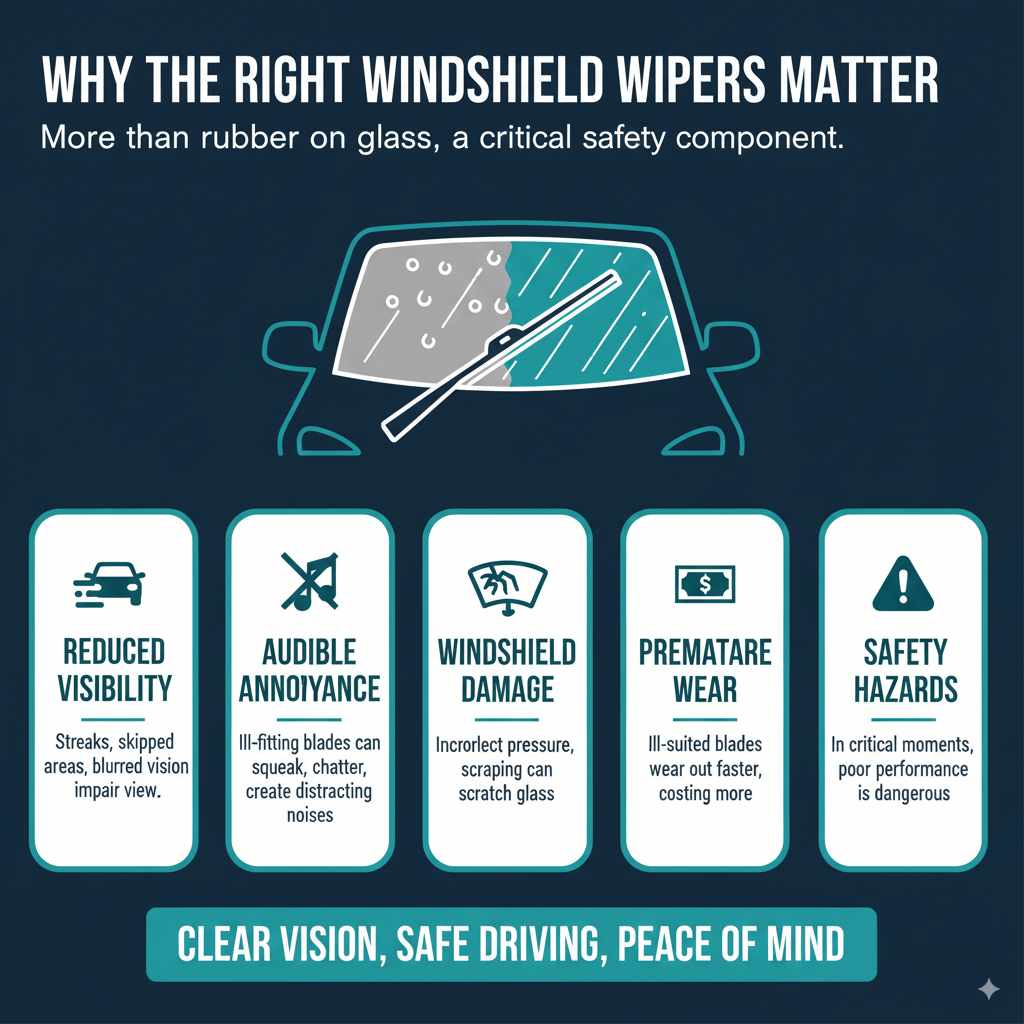
Why the Right Windshield Wipers Matter
Windshield wipers are more than just rubber on glass; they are a critical safety component of your vehicle. When they’re in good condition, they sweep away rain, snow, dirt, and debris, ensuring you have a clear view of the road ahead. This clear view is essential for safe driving, allowing you to react to hazards, navigate traffic, and maintain control of your car in various weather conditions.
Worn or improperly fitted wipers can lead to a streaky windshield, blurred vision, and increased driver fatigue. Imagine driving in a downpour, and your wipers are leaving streaks that obscure important road signs or other vehicles. It’s a dangerous situation. Using the correct size and type of wiper blade ensures they make full contact with your windshield, providing optimal performance and maintaining your peace of mind.
The Impact of Incorrect Wiper Blades
- Reduced Visibility: Streaks, skipped areas, or uneven clearing significantly impair your view.
- Audible Annoyance: Ill-fitting blades can squeak, chatter, or drag, creating distracting noises.
- Windshield Damage: Incorrect pressure or scraping from a bad fit can scratch or damage your glass over time.
- Premature Wear: Ill-suited blades might wear out faster, costing you more in the long run.
- Safety Hazards: In critical moments, poor wiper performance can be genuinely dangerous.
Ways to Determine What Windshield Wipers Fit Your Car
There are several reliable methods to pinpoint the exact windshield wiper size and type your car needs. You don’t need to be a mechanic to find this information. Here are the most common and effective ways:
1. Consult Your Vehicle’s Owner’s Manual
Your car’s owner’s manual is an invaluable resource for all sorts of maintenance information, including the specifications for its wiper blades. It’s usually one of the first places to look because it’s tailored specifically to your vehicle. You can find details on the recommended size for both the driver’s side and passenger’s side wipers.
How to Find It: Look in the index of your owner’s manual for terms like “wipers,” “windshield wipers,” “wiper blades,” or “maintenance specifications.” The information will typically be listed alongside other fluid capacities and tire sizes.
2. Check the Existing Wiper Blades
Often, the size of your current wiper blades is printed directly on the rubber or the plastic frame. If your current blades are the correct size, this is a quick and easy way to get the information you need.
How to Find It: Extend the wiper arm away from the windshield gently. Look carefully at the blade itself, particularly the plastic housing or the metal frame. The size, usually in inches (e.g., 24″ or 16″), should be visible. If you can’t find it on the blade, you might need to refer to another method.
3. Utilize Online Wiper Fitment Guides
Most major auto parts retailers and wiper blade manufacturers have excellent online tools designed to help you find the correct fit for your car. These databases are extensive and regularly updated.
How to Use Them:
- Visit the website of a reputable auto parts store (like AutoZone, Advance Auto Parts, Pep Boys, NAPA) or a wiper blade manufacturer’s site (e.g., Bosch, Rain-X, Michelin).
- Look for a “Wiper Finder” or “Find My Parts” tool.
- Enter your car’s year, make, model, and sometimes even the specific trim level (e.g., “2018 Honda Civic LX”).
- The tool will then display a list of compatible wiper blades for your vehicle.
Example of an online fitment guide search:
| Step | Action |
|---|---|
| 1 | Go to a retailer’s website with a Wiper Finder. |
| 2 | Select your vehicle’s year. |
| 3 | Select your vehicle’s make. |
| 4 | Select your vehicle’s model. |
| 5 | Select your vehicle’s specific sub-model or trim (if prompted). |
| 6 | View the recommended wiper blade sizes for the driver and passenger sides. |
4. Measure Your Current Wiper Blades
If the size isn’t printed on your existing blades and you can’t find your owner’s manual, a simple measurement can get you close. Remember to measure the entire length of the rubber blade. Standard wiper blade sizes typically come in even-numbered inches, such as 14″, 16″, 18″, 20″, 22″, 24″, and 26″.
How to Measure:
- Carefully remove the existing wiper blade from the wiper arm. (Note: Some blades lock into place, and you might need to press a small tab. If unsure, consult a quick online video for your car model.)
- Lay the blade flat on a surface.
- Use a ruler or tape measure to measure the length of the rubber edge that contacts the windshield.
- Round up to the nearest standard wiper blade size if your measurement is between sizes. For example, if you measure 23.5 inches, you’ll likely need a 24-inch blade.
5. Visit an Auto Parts Store in Person
If you’re still unsure or prefer a hands-on approach, visiting a local auto parts store is a great option. The staff are usually knowledgeable and can help you identify the correct wipers using their own in-store fitment guides or by looking up your vehicle in their system.
What to Bring:
- Your car’s year, make, and model.
- If possible, a photo of your current wiper attachment to show them.
- Your owner’s manual if you have it.
Understanding Different Types of Windshield Wiper Blades
Once you know the size, you’ll encounter different types of wiper blades. The main categories are conventional, beam, and hybrid, each with its own pros and cons.
1. Conventional Wiper Blades
These are what most people are used to seeing. They have a hinged metal or plastic frame that holds the rubber blade. The frame allows the blade to conform to the curvature of your windshield.
- Pros: Generally the most affordable option. Widely available.
- Cons: The exposed frame can accumulate snow and ice in winter. May not conform as perfectly to heavily curved windshields as other types.
2. Beam Wiper Blades
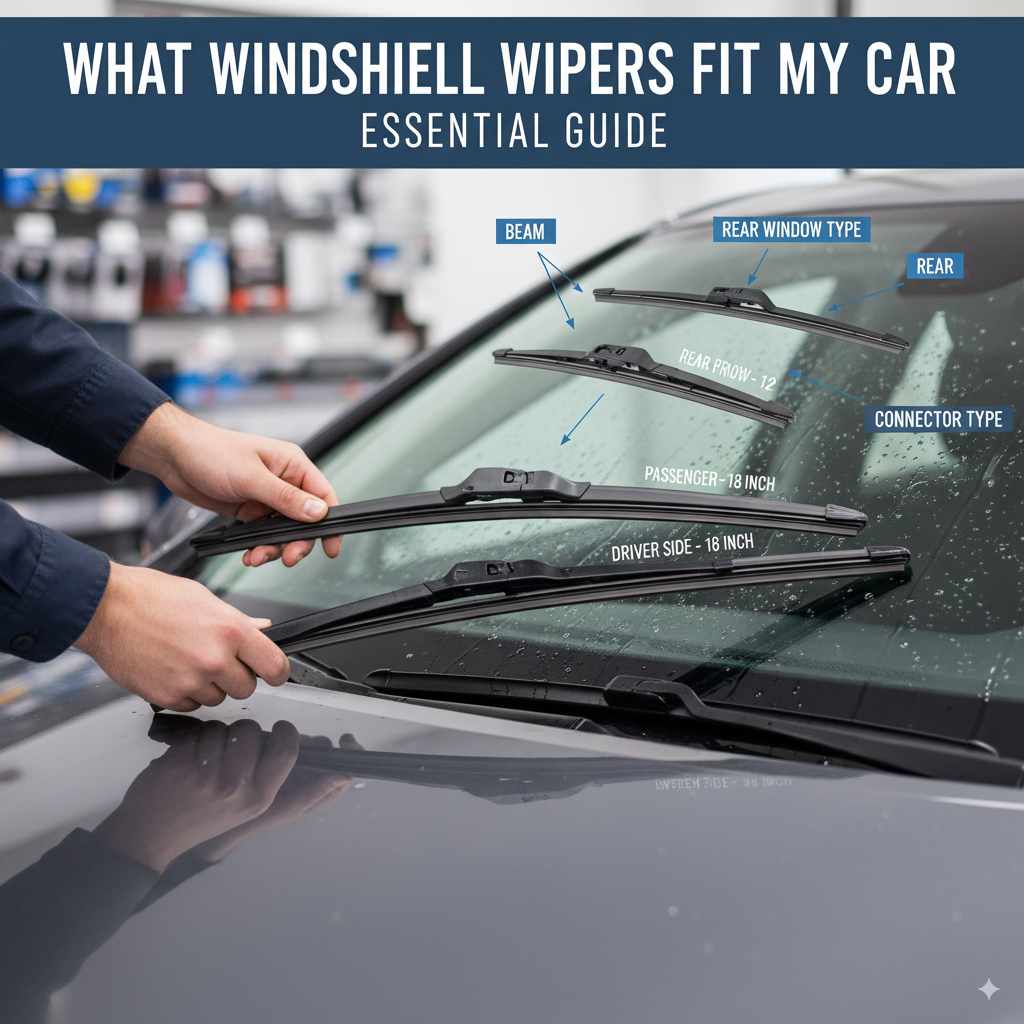
Beam blades have a sleek, frameless design. They consist of a single piece of rubber and a tensioned steel spine that applies even pressure across the entire blade. They are designed to hug the windshield’s curve more effectively.
- Pros: Excellent performance in all weather, especially at high speeds. Aerodynamic design reduces wind lift. Less prone to ice and snow buildup. Modern look.
- Cons: Typically more expensive than conventional blades.
3. Hybrid Wiper Blades
These blades combine features from both conventional and beam designs. They have an internal frame structure like a conventional blade, but it’s covered by an aerodynamic plastic casing, giving them a look similar to beam blades. They offer improved pressure distribution and a sleeker profile.
- Pros: Good performance and durability. Better resistance to ice and snow than conventional. More affordable than pure beam blades.
- Cons: Can be more expensive than basic conventional blades.
What About Wiper Blade Connectors?
You’ve got the size and type, but how do the blades attach to the wiper arms? This is where connectors come in. The most common connector type is the “U-hook” or “J-hook” — a simple hook that slides over the wiper arm. However, many modern vehicles use different types, such as:
- Side Pin: A small pin that inserts into a corresponding slot on the arm.
- Top Lock/Button: A tab that locks onto a button on the wiper arm.
- Pinch Tab: A flat tab that is squeezed to release and attach.
- Bayonet Hook: Similar to a U-hook but may have a wider connection point.
Why This Matters: It’s critical to ensure the new wiper blade’s connector matches your car’s wiper arm. Most online fitment guides and packaging will specify the connector type. If you’re unsure, taking a picture of your existing wiper attachment (as mentioned earlier) can be helpful when shopping.
Common Wiper Blade Connector Types:
| Connector Type | Appearance/Description | Prevalence |
|---|---|---|
| U-Hook (J-Hook) | A classic “hook” shape that slides over the wiper arm. | Very common, especially on older and many current models. |
| Side Pin | A small, flat pin on the side of the wiper blade connector that inserts into the arm. | Found on some European and Asian vehicles. |
| Top Lock (Button) | A button-like connector that clicks into the wiper arm. | Common on many newer vehicles from various manufacturers. |
| Pinch Tab / Button | A flat tab or small button on the side that must be squeezed to release or attach. | Used by several manufacturers, often for specific models. |
| Bayonet Hook | Similar to a U-hook, but often wider or with a slightly different profile. | Less common than U-hooks but used on some makes. |
When Should You Replace Your Windshield Wipers?
Wiper blades don’t last forever. Their rubber degrades over time due to UV exposure, temperature changes, and constant friction. Generally, it’s recommended to replace your wiper blades every 6 to 12 months, depending on your climate and how often you use them.
Signs It’s Time for New Wipers:
- Streaking: Leaving behind lines or patches of water.
- Skipping or Chattering: The blade doesn’t move smoothly across the glass.
- Squeaking: Loud noises as the blade wipes.
- Torn or Cracked Rubber: Visible damage to the rubber edge.
- Bent or Damaged Frame: The metal or plastic structure is compromised.
- Poor Performance in Heavy Rain: You still can’t see well even with the wipers on.
Don’t wait for a storm to realize your wipers aren’t up to the task. Proactive replacement ensures you’re always prepared. You can find great resources on wiper maintenance from organizations like the National Highway Traffic Safety Administration (NHTSA) to help you stay safe on the road.
A Quick Word on Wiper Arm Types
While most vehicles use standard wiper arms, some might have specific designs. For instance, rear wipers on SUVs and hatchbacks have their own unique arms and blades, and their sizes are often different from front wipers. Always double-check if you’re researching rear wiper blades.
Installation: A Simple DIY Task
Replacing wiper blades is one of the easiest DIY car maintenance tasks. You can save money on labor by doing it yourself!
General Steps for Replacement:
- Lift the Wiper Arm: Gently lift the wiper arm away from the windshield until it locks in place. Be careful not to let it snap back and hit the glass. You might want to place a towel or soft cloth on the windshield beneath the wiper arm just in case.
- Release the Old Blade: Locate the mechanism where the wiper blade connects to the arm. There’s usually a small tab or clip you need to press or lift to release the blade. Consult your new wiper blade’s instructions or a quick online video for your specific connector type. Gently slide or unhook the old blade off the arm.
- Attach the New Blade: Take your new wiper blade and align its connector with the wiper arm. Slide or clip it into place until you hear or feel it lock securely. Ensure it’s firmly attached.
- Lower the Wiper Arm: Carefully lower the wiper arm back down onto the windshield.
- Test: Spray some washer fluid and turn on your wipers to ensure they work smoothly and clear the glass effectively without skipping or chattering.
Safety Tip: Always lower the wiper arm slowly and gently back onto the windshield. If it springs back unexpectedly, it could crack the glass.
If you’re uncomfortable with any part of this process, an auto parts store can often install them for you, sometimes for free, especially if you purchase the blades there.

Conclusion
Choosing the right windshield wipers for your car doesn’t have to be a mystery. By understanding your car’s needs and utilizing the simple methods outlined in this guide—checking your owner’s manual, measuring your current blades, using online fitment tools, or visiting a trusted auto shop—you can confidently select the perfect pair. Remember that clear vision on the road is paramount for safety, and fresh, correctly fitted wiper blades are a key part of that. Keep an eye on their condition and replace them regularly to ensure you always have a clear and safe drive, no matter the weather.
Frequently Asked Questions (FAQ)
Q1: How often should I replace my windshield wipers?
You should aim to replace your windshield wipers every 6 to 12 months. This timeframe can vary depending on your climate (extreme heat and cold can degrade rubber faster) and how often you use your wipers. It’s good practice to inspect them regularly for signs of wear.
Q2: Will any size wiper blade fit my car?
No, absolutely not. Windshield wipers come in specific lengths and often require specific connector types to securely attach to your vehicle’s wiper arms. Using the wrong size or type can lead to poor performance, damage, and safety issues.
Q3: What’s the difference between beam and conventional wiper blades?
Conventional blades have a frame with hinges, while beam blades are a single piece of rubber with an internal metal spine. Beam blades are generally more aerodynamic, offer more consistent pressure, and are less prone to ice buildup than conventional blades, but they can be more expensive.
Q4: Can I use different size wipers for the driver and passenger sides?
Yes, most cars require different sized wiper blades for the driver’s side and the passenger’s side. The driver’s side wiper is typically longer than the passenger’s side wiper to cover a larger portion of the windshield. Always verify the correct size for each side.
Q5: What does “fitment” mean for windshield wipers?
“Fitment” refers to the compatibility of a wiper blade with a specific vehicle. It includes both the correct length and the correct attachment type (connector) for your car’s make, model, year, and sometimes trim level.
Q6: My wipers squeak. Does this mean they need replacing?
Squeaking is a common symptom that your wiper blades need attention. It can indicate that the rubber is worn out, hardened, or has picked up debris. It could also mean the wiper arm is not applying enough pressure, or the connection isn’t right.