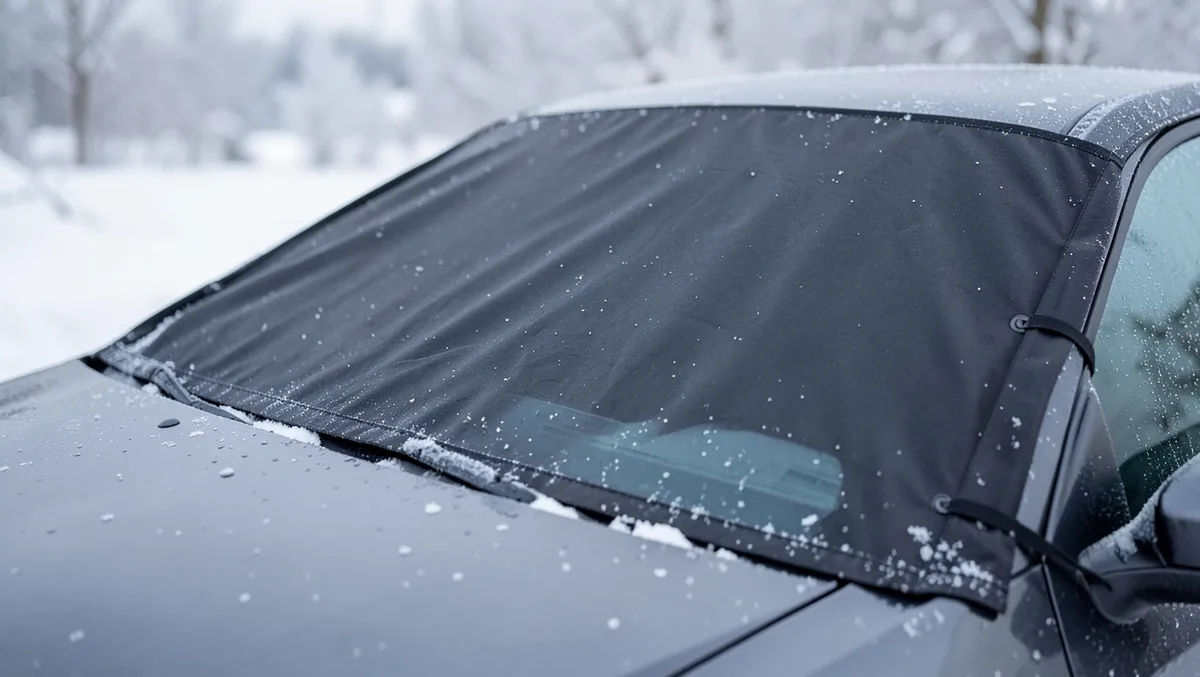
Windshield Covers for Cars: Best Sun Shades & Frost Covers
Choose a windshield cover by season and fit: use a reflective sun shade for summer heat, a full frost cover for winter ice, and pick a snug model with mirror flaps, tether points, and door-edge tabs if wind or snow is common. Bad coverage can mean hotter cabins, frozen glass, longer scraping, and damaged seals or wipers. This guide compares windshield covers and sun shades by climate, vehicle shape, storage, and the failure points that matter most.
When to choose a cover over a sun shade

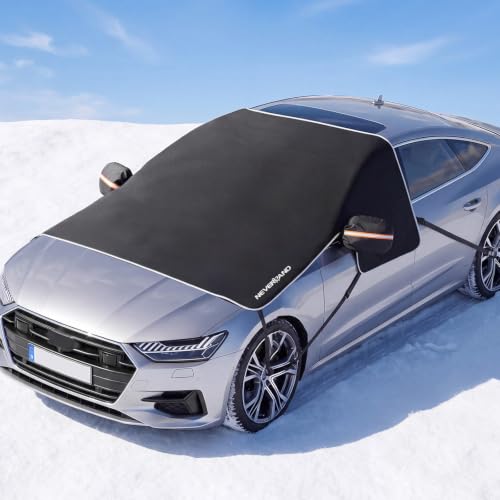

Use an exterior windshield cover when snow, ice, and frost are the main problem. Use an interior sun shade when the cabin gets cooked by direct sun and you want to cut heat buildup while parked. The decision depends on where the product sits, what it blocks, and how much fit matters.
Exterior cover basics
An exterior windshield cover sits outside the glass and is built for winter. That placement matters because it blocks frost before it bonds to the windshield, and some versions also shield wipers and mirrors. FrostGuard says its covers protect against snow, ice, and frost, are weather-resistant, and are quick to install.
Exterior covers are usually the better pick for drivers who park outside overnight in freezing weather. They can cut morning scrape time, but only if they stay put and seal well around the windshield opening. Poor fit is the common failure point.
Interior shade basics
An interior sun shade sits inside the cabin and reflects solar heat away from the dashboard and seats. It is the better daily-use option for summer parking, especially if your main complaint is a hot steering wheel, a scorched dashboard, or glare through the windshield. Rolling sun shades are a premium interior category.
Autonotions lists 1,973 windshield shades, with 33 pages of rolling sun shades, and multiple Intro-Tech shades at $45.99. That spread points to a wide market for interior shades, from basic fold-up panels to vehicle-specific rolling models.
When each type makes sense
Pick the exterior cover when freezing rain, snow, and overnight frost are routine. Pick the interior shade when summer heat is the problem and you want quick daily use without handling wet fabric. In mixed climates, many drivers keep one of each and swap by season instead of asking one product to do both jobs.
Suppose you park a midsize SUV outside in January and again in July. A winter cover can help keep ice off the glass, while a summer shade can cut heat buildup in the cabin. One product can handle both seasons only if the design truly fits both jobs, and most do not.
Which one fits your climate?
Cold climates usually favor an exterior windshield cover. Hot climates usually favor a reflective interior shade. Mixed-season drivers need to decide which problem costs more in daily use, scraping ice before work or opening a cabin that feels too hot to sit in. The right answer changes with parking, not just temperature.
Winter snow and frost
If snow, sleet, or frost is the regular issue, choose a cover with weather-resistant material, secure attachment points, and enough coverage to reach the edges of the windshield. Some FrostGuard products are said to fit cars, trucks, and SUVs, and some may include wiper and mirror coverage plus built-in security panels.
That combination matters because wind can lift a loose edge, and uncovered mirrors or wipers can still freeze. A winter cover without those details may solve only part of the problem.
Hot sun and UV heat
If your windshield sits in direct sun for hours, an interior sun shade is usually the better value. It is quicker to place, easier to store, and it directly reflects heat from the glass side that faces the cabin. Rolling shades are often chosen when the driver wants a neater fit and less handling.
For summer use, fit still matters. A shade that is too small leaves gaps at the top or sides, and those gaps let heat build in the cabin. A vehicle-specific model often performs better than a loose universal panel.
Mixed-season use
Mixed-season buyers should think in terms of primary use, not general usefulness. If winter mornings are the bigger headache, buy the exterior cover first. If summer parking is the daily annoyance, start with the interior shade. Do not buy a winter-style cover and expect it to replace a reflective shade in July.
A common first-timer mistake is buying the cheapest universal size and assuming it will handle both a compact car and an SUV. In practice, the wrong fit causes the same problem in both seasons: weak coverage and a higher chance of shifting or blow-off.
Windshield cover comparison table
Use this table as a buying filter. Match the product type to the season, then check fit and failure risk. Scoring key: Best means the type is the stronger choice for that field; Good means it works well with the right model; Limited means it can help, but usually not as well as the other type.
| Decision field | Exterior windshield cover | Interior sun shade |
|---|---|---|
| Season | Best for winter use | Best for summer use |
| Use location | Outside the windshield | Inside the windshield |
| Snow and ice protection | Best | Limited |
| Heat reduction | Limited | Best |
| Wiper coverage | Often available on premium winter models | Not a typical feature |
| Mirror coverage | Often available on premium winter models | Not a typical feature |
| Wind retention | Needs straps, tabs, or security panels | Usually less exposed to wind |
| Fit requirements | Snug fit matters a lot | Vehicle-specific fit helps most |
| Storage bulk | Usually bulkier, especially if wet or packed with a pouch | Usually thinner and easier to stow |
| Best use case | Outdoor winter parking with frost, snow, or wind | Hot-weather parking and fast daily sun blocking |
How do you choose the right size?
Choose size from the windshield opening, not from the vehicle name alone. Measure the glass area, check the seller’s fit range, and confirm whether the model is meant for a compact car, SUV, or truck. A snug listing matters more than a broad universal label, especially for exterior covers.
Measure the windshield opening
Measure the full windshield opening at the widest points, then compare that to the product’s fit range. Keep the measurement honest: include the area you want covered, not just the glass you can see from the driver seat. If the product is meant to tuck under doors, check that edge space too.
The vehicle manual matters here. Follow the manual for any location-specific restrictions around trim, sensors, or aftermarket accessories, and do not block the driver’s view or any airbag zone with a shade or cover.
Check car, SUV, and truck fit ranges
The same source says its covers fit cars, trucks, and SUVs, but that broad claim still leaves room for size differences within each class. A compact sedan and a full-size pickup do not share the same windshield shape, so the best match is the exact size range rather than the vehicle type alone.
Vehicle-specific listings are safer when you can find them. If a seller gives only a general category, look for the model year and body style before buying.
Look for vehicle-specific listings
Vehicle-specific shades usually reduce edge gaps and help with seal quality. That matters for winter covers because gaps can let wind get under the fabric, and it matters for sun shades because gaps let in more heat. The tighter the opening match, the less likely the product is to shift or sag.
If you are comparing rolling sun shades, Autonotions’ listing volume shows how many versions exist in that category. That is useful only if you still confirm the exact size and shape for your windshield.
When to choose a universal fit
A universal fit makes sense when you need a quick, budget-friendly solution and your windshield shape is ordinary. It is less attractive if you park in strong wind, have large mirrors, or need full edge coverage. Universal fit can work, but the margin for error is smaller.
For winter use, a universal cover that is too loose can lift at the corners. For summer use, one that is too small leaves hot gaps near the top corners and A-pillars.
What features matter most?
The best extras are the ones that reduce failure risk. For winter covers, that usually means weather-resistant fabric, elastic straps, secure-fit systems, wiper coverage, mirror covers, and sometimes security panels. For summer shades, the priority is fit and a reflective surface that matches the windshield shape.
Weather-resistant material
Weather-resistant material matters because winter covers face snow, ice, meltwater, and repeated folding. The same source describes its covers as weather-resistant, which is the right category of claim for cold-weather use. Look for material that can handle rough handling without tearing or soaking through too quickly.
Elastic straps and secure-fit systems
Elastic straps, door-edge tabs, and similar secure-fit systems help keep a cover from blowing off. They are most useful when parking outdoors in gusty areas or during stormy weather. A cover that installs in seconds is useful only if it stays in place after the door closes and the wind picks up.
Wiper coverage
Wiper coverage is one of the most practical winter upgrades. The same source says some products include it, and that makes sense because frozen wipers can tear, stick, or leave the blades exposed to ice. If you park outside often, this feature can matter as much as the windshield panel itself.
Mirror covers
Mirror covers protect a common frost point that many basic covers ignore. The same source says some products include mirror coverage, which helps if your side mirrors freeze overnight or collect snow while the windshield stays clear. Without mirror flaps, you may still need to scrape a second set of surfaces in the morning.
Security panels
Security panels are a premium winter feature meant to help hold the cover in place and reduce theft or blow-off risk. FrostGuard mentions built-in security panels on some products. If you park in open lots, that detail can be worth more than a thicker fabric alone.
Check the listing for the exact layout before buying. Some products advertise extra protection but cover only part of the windshield or leave the mirrors exposed. That is where most disappointment starts.
How to use and store it
Install and remove it quickly, but do not rush the fit. The best cover or shade is the one you can place correctly every time, store without damage, and keep ready for the next season. Quick setup matters most when weather changes fast or you are leaving home early.
Install and remove quickly
Exterior winter covers should go on when the windshield is clean enough to avoid trapping grit against the fabric. The same source says installation takes just a few seconds, which is the right target for this category. Interior shades should unfold or roll out without fighting the dash or rearview mirror.
- Confirm the product matches your vehicle’s windshield size and shape.
- Place the cover or shade so it reaches the full edges of the glass.
- Secure straps, tabs, or panels before you walk away.
- Check that wipers, mirrors, and the driver’s view are not blocked in an unsafe way.
Reduce blow-off risk in wind
Wind lift is one of the main failure risks for exterior covers. The fix is a tighter fit, secure attachment points, and correct placement. If your area gets strong crosswinds, prioritize products with door-edge tabs, elastic straps, or security panels instead of a loose universal sheet.
Picture a compact hatchback parked on a windy street with a loose winter cover that does not reach the door edges. One gust can lift the top corner, which lets the cover flap, shift, and expose the windshield edge. A tighter fit would reduce that risk.
Fold or roll for storage
Storage needs are different for the two product types. A winter cover can be bulkier, especially if it is damp or packed in a travel pouch. FrostGuard offers a portable windshield snow cover with a travel storage pouch, which is useful if you want to keep the trunk clean and ready.
Rolling sun shades usually store more neatly because they are built for compact cabin use. That is one reason they work well for daily summer parking and repeated use.
Check the manual and local rules
Follow the vehicle manual before using any windshield accessory. Keep dash and windshield items out of airbag zones and the driver’s view, and check local laws if your setup affects visibility. If a product interferes with sensors, mirrors, or wipers, do not assume it is acceptable just because it fits physically.
Frequently asked questions
What is the best windshield cover for cars?
The best windshield cover is the one that matches your season and your parking conditions. For winter, choose an exterior cover with a snug fit, weather-resistant material, and secure attachments. For summer, a reflective interior shade usually makes more sense. Vehicle-specific fit matters more than a generic product label.
Do windshield covers work for snow and ice?
Yes, exterior windshield covers are made for snow, ice, and frost protection. The same source says its covers protect against those conditions. The key is fit: a loose cover can let wind in, while a well-fitted one is more likely to stay in place and cut scraping time.
What size windshield cover do I need for my car?
Measure the windshield opening and compare it with the product’s listed fit range. Do not rely only on compact, SUV, or truck wording. If the listing offers model-year fit, that is usually better than a broad universal size. Check the manual if the vehicle has special sensors or trim around the glass.
Are sun shades better than windshield covers in summer?
Yes, for summer heat, an interior sun shade is usually the better choice. It is designed to cut solar heat inside the cabin, and rolling sun shades are a common premium option for a more exact fit. Exterior winter covers are built for snow and frost, not heat control.
Will a windshield cover stay on in strong winds?
Only if the design is built for it. Look for elastic straps, secure-fit systems, door-edge tabs, or security panels, especially for exterior winter use. A loose cover can lift at the corners and shift in gusts, so fit quality matters as much as material strength.
Do windshield covers protect wipers and mirrors too?
Some do. The same source says some of its covers include wiper and mirror coverage, which is useful if those parts freeze or collect snow overnight. Many basic covers do not include both, so check the listing carefully if you park outside in winter and want full front-end coverage.
Products related to this article
Sponsored / affiliate links. As an Amazon Associate I earn from qualifying purchases. I may earn additional commission from eligible campaigns.
 Large Car Windshield Cover for Ice and Snow - Automotive Windshield Snow Covers with Side Window & Rearview Mirror Protector, Winter Magnetic Car Anti-Snow Cover, Universal for Most Cars,Sedan,SUV
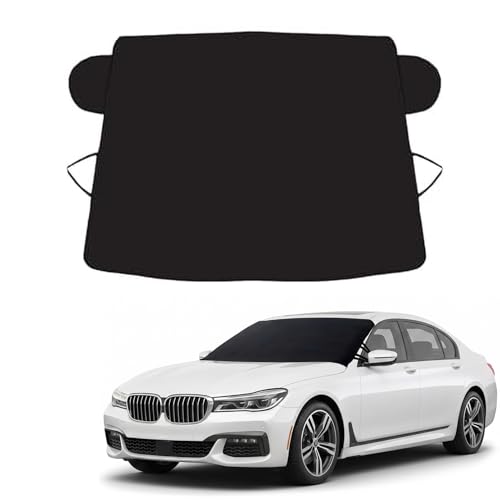 Exterior Car Windshield Cover, Oxford Fabric All Weather Windshield Snow Shield for Windshield & Mirrors, Blocks Snow Ice Frost, Anti-Theft Door Flap, Fits SUV Sedan Truck (69"x42")