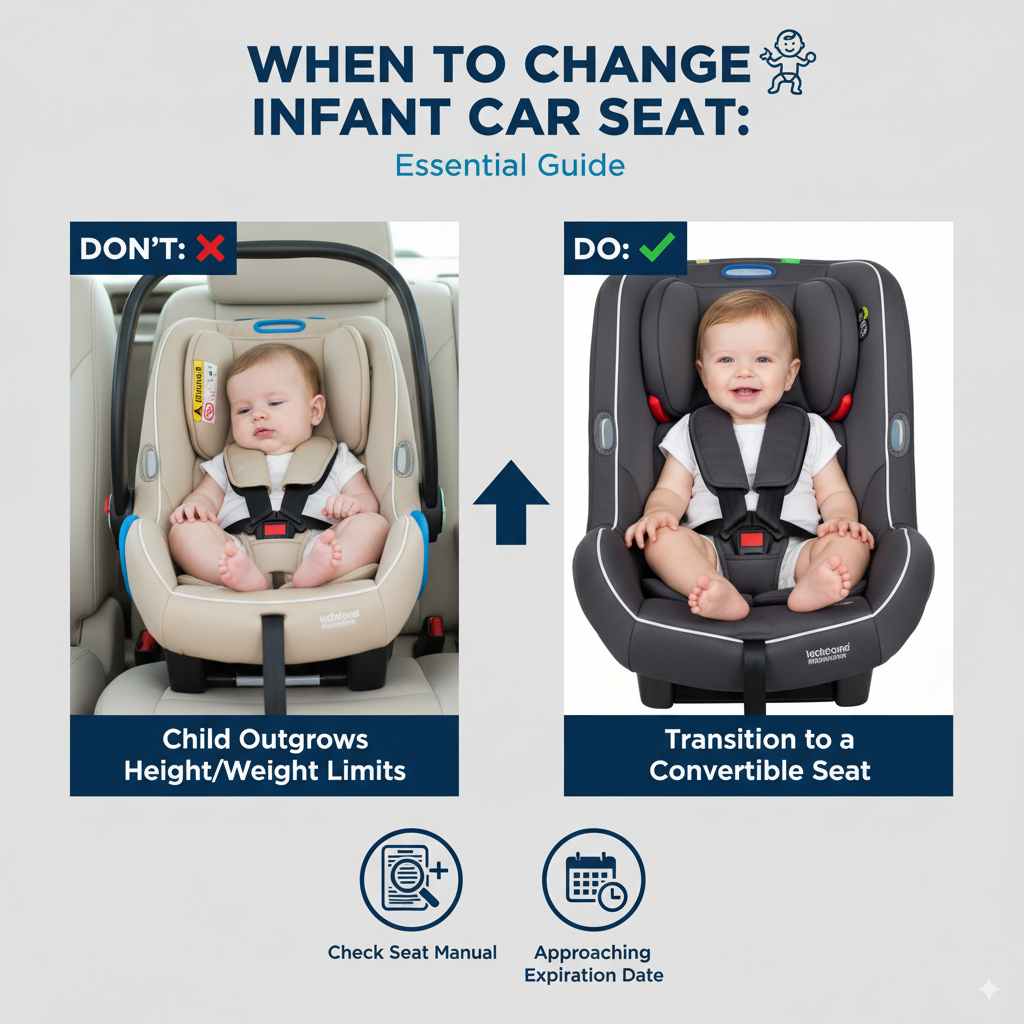
When to Change Infant Car Seat: Essential Guide
You need to change your infant car seat when it expires (usually 6-10 years from manufacture), is damaged, or no longer fits your child’s height and weight limits. Always follow manufacturer guidelines for safety.
Keeping your little one safe is your top priority, and that starts with their car seat. But it’s not just about picking the right one; it’s also about knowing when it’s time for a new one. You might wonder, “When do I change an infant car seat?” It can feel a bit confusing, especially with all the safety standards and different brands out there. Don’t worry, I’m here to break it down for you in a way that’s easy to understand and follow. We’ll cover the signs to look for and what to do, so you can drive with peace of mind.
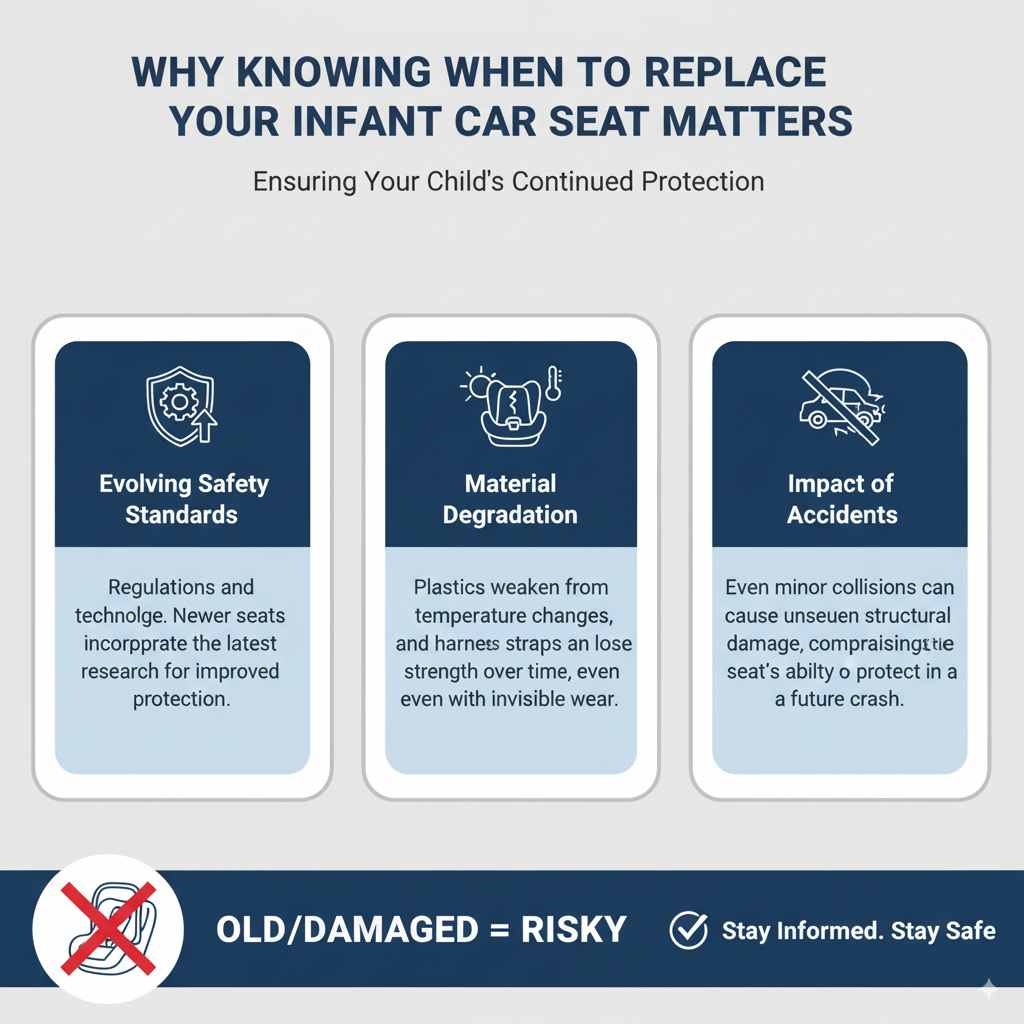
Why Knowing When to Replace Your Infant Car Seat Matters
Think of your infant car seat as a superhero suit for your baby during car rides. It’s designed to protect them in a crash. But like any superhero suit, it can’t stay in perfect condition forever. Over time, materials can weaken, and safety standards evolve. Using an old or damaged car seat might not provide the same level of protection it once did. It’s a crucial part of your child’s safety on the road, and staying informed helps you make the best choices.
Safety regulations for car seats are constantly being updated to reflect the latest research on child passenger safety. What was considered state-of-the-art a few years ago might not meet today’s rigorous standards. This is especially true for car seats, where small design changes can have a big impact on protection. By keeping up with the recommended guidelines, you ensure your child is protected by the most effective technology available.
A worn-out car seat can have invisible damage that compromises its ability to protect your child. Plastics can become brittle through repeated exposure to temperature changes, and harness webbing can lose its strength. Even a minor past accident, like a fender bender where you might not have thought the car seat was affected, can cause damage that reduces its effectiveness. It’s always better to be safe than sorry when it comes to your child’s well-being.
Key Indicators: When to Change Infant Car Seat
There are a few clear signals that tell you it’s time to retire that infant car seat and get a new one. These indicators are put in place to guarantee your child is always riding in the safest possible way. Let’s go through them:
1. Expiration Dates: The Most Important Factor
This is probably the most critical piece of information. Car seats have an expiration date, and it’s not just a suggestion! Manufacturers put an expiration date on car seats because the materials used, like plastics and foam, degrade over time. This degradation can happen due to exposure to sunlight, extreme temperatures, and the simple aging of the materials. Think of it like the “best by” date on food – after that date, its quality and safety can’t be guaranteed.
- Where to find it: Look for a sticker on the car seat itself. It’s often on the back or bottom of the seat shell, or on a label attached to the harness. The date might be printed as “Manufacture Date” and “Expiration Date,” or sometimes just the manufacture date with a note about how many years it’s good for after that.
- Typical lifespan: Most infant car seats expire 6 to 10 years from their date of manufacture. Some may last a bit longer, but rarely more than 10 years. Always check your specific seat’s manual or manufacturer’s website if you can’t find the label.
- Why it’s non-negotiable: Even if the seat looks perfectly fine, the internal structure and safety components can weaken over time, reducing its ability to protect your child in a crash.
2. Damage: Visible or Hidden
Any kind of damage, no matter how small it seems, can compromise the integrity of the car seat. It’s essential to give your car seat a regular once-over to check for these issues.
- Cracks or Breaks: Look closely at the plastic shell of the car seat. Any cracks, no matter how hairline, mean the seat should be replaced immediately. These cracks can indicate that the plastic has become brittle and can no longer absorb impact effectively.
- Worn or Frayed Harness Straps: The harness is what keeps your child securely in the seat. If the straps are frayed, cut, or show signs of wear, they might not hold up in a crash.
- Damaged Buckles or Adjusters: Ensure the buckle clicks securely and releases smoothly. If the harness adjuster is stiff, won’t tighten properly, or seems damaged, it needs to be replaced.
- Foam or Padding Damage: While the foam might seem purely for comfort, it also plays a role in absorbing impact energy. Significant damage or tears in the protective foam layers should be a red flag.
3. Involved in a Crash (Even a Minor One)
This is one of the most critical reasons to replace a car seat. Even if you can’t see any visible damage, a car seat that has been in a car crash should always be replaced. Crashes, even low-speed ones, can cause hidden damage to the seat’s structure or internal components that compromise its safety. The forces involved can create micro-fractures in the plastic or stress the harness system in ways that are not apparent to the eye.
- Manufacturer Recommendations: Most car seat manufacturers explicitly state that their seats must be replaced after any crash.
- Types of Crashes: This applies to fender benders, rear-end collisions, side impacts, rollovers, and even if a car seat falls from a vehicle onto a hard surface.
- The “Hidden Damage” Factor: Experts often compare a car seat that’s been in a crash to a bicycle helmet that’s been dropped or used in a fall. Even if it looks okay, its ability to protect you in the next impact is compromised.
4. Outgrown by Your Child: Height and Weight Limits
Infant car seats are designed for newborns and very young babies. As your child grows, they will eventually exceed the limits of their infant seat. This is a sign of healthy growth, but it also means it’s time for a different car seat that can offer better protection for their current size.
- Check the Labels: Every car seat has labels indicating the maximum weight and height limits. These are usually found on the side or back of the seat.
- Weight Limit: If your baby is nearing or has reached the maximum weight limit for the infant seat, it’s time to transition.
- Height Limit: Car seats also have a height limit, often measured by how high the baby’s head is compared to the top of the seat or the harness slots. If your baby’s head is less than one inch from the top of the infant carrier shell, or their eyes are above the back of the shell, they may have outgrown it by height. For convertible seats and forward-facing seats, the top of the child’s ears should not be above the back of the headrest.
- Harness Slot Concerns: The harness straps should always be at or below your child’s shoulders when they are rear-facing, and at or above their shoulders when they are forward-facing. If the lowest harness slots are too high for your infant when they are rear-facing, they have outgrown the seat.
It’s important to note that infant car seats are designed to be rear-facing only. Once your child outgrows their infant seat, they will transition to a convertible car seat or an all-in-one car seat that can be used rear-facing, then forward-facing, and sometimes even as a booster seat. Always keep children rear-facing for as long as possible, as this is the safest position.
According to the National Highway Traffic Safety Administration (NHTSA), children are five times safer when riding rear-facing than forward-facing. They recommend keeping children rear-facing until they reach the maximum height or weight limit allowed by their car seat’s manufacturer. This is typically around age 2 or older for many convertible seats.
5. Model Age and Safety Updates
Car seat technology and safety features improve over time. A seat that is several years old might lack some of the advanced safety innovations found in newer models. Even if your seat isn’t expired or damaged, you might consider an upgrade if you’re looking for enhanced safety features or if the model is significantly outdated.
- Stricter Safety Standards: Governments and safety organizations periodically update safety standards, leading manufacturers to incorporate these changes into newer models.
- Newer Features: Modern car seats may include features like improved side-impact protection, easier-to-use harness systems, and better adjustability for a safer fit as your child grows.
- Recalls: Always check if your specific car seat model has been recalled. Recalls happen when a safety issue is identified. You can check for recalls on the NHTSA website.
How to Safely Dispose of an Old Infant Car Seat
Once you’ve determined your infant car seat needs to be replaced, it’s essential to dispose of it properly. You don’t want someone else to mistakenly pick it up and use a seat that’s no longer safe. Here’s how to do it:
1. Make it Unusable
The goal is to ensure no one can use your old car seat. This means rendering it unusable for its intended purpose.
- Cut the Harness Straps: Use scissors or a utility knife to cut through all the harness straps. Cut them in multiple places to make them impossible to reattach securely.
- Destroy Labels: If possible, deface or cut out any identification labels, including the expiration date label. This makes it harder for scavengers to identify the seat’s age or manufacturer.
- Break the Plastic: If you can, try to break or crack the plastic shell in several places using a hammer or other tool. Focus on areas that are crucial for structural integrity.
2. Dispose Responsibly
After making it unusable, you need to get rid of it.
- Trash: The most common method is to place the damaged car seat in your regular household trash. It’s a good idea to put it in a large plastic trash bag to keep things tidy and to reinforce that it’s “trash.
- Recycling Programs: Some communities or specific retailers offer car seat recycling programs. These programs often specialize in dismantling the seats and recycling the various materials. Check with your local waste management facility or look for special collection events. For example, some municipalities partner with organizations like TerraCycle or host events through local fire departments or baby stores for specialized disposal.
- Donation (Only if in PERFECT condition and NOT expired): Generally, you should NOT donate an expired, damaged, or crash-involved car seat. However, some donation centers or programs may accept infant car seats only if they are not expired, not damaged, and have never been in a crash. Always verify their policy first. It is much safer to destroy them if there is any doubt.
It’s crucial to make sure no one can salvage a usable part from an unsafe seat. By taking these steps, you ensure your old car seat doesn’t pose a safety risk to another family.
Infant Car Seat vs. Convertible Car Seat: When to Make the Switch
The transition from an infant car seat to a convertible car seat is a significant one. Infant car seats are designed specifically for newborns, offering a snug fit and portability (often snapping into a base or stroller). Convertible car seats are larger and can be used rear-facing for infants and toddlers and then later converted to a forward-facing seat for older children.
Here’s a quick comparison table to highlight the differences and guide your decision:
| Feature | Infant Car Seat | Convertible Car Seat |
|---|---|---|
| Age Range | Newborns up to about 1 year (or when outgrown) | Newborns up to about 4-10 years (depending on the seat and positioning) |
| Orientation | Rear-facing only | Rear-facing and Forward-facing (some also convert to booster) |
| Portability | Very portable; often has a handle and clicks into a base or stroller | Less portable; stays installed in the car |
| Size/Weight Limits | Lower weight/height limits (e.g., 4-35 lbs) | Higher weight/height limits for rear-facing (e.g., 5-45 lbs) and forward-facing (e.g., 20-65 lbs+) |
| Typical Transition Time | When baby outgrows by height or weight, or baby is uncomfortable/head lolling. | Can be used from birth through toddlerhood and beyond, offering longer-term use. |
The best time to switch from an infant car seat to a convertible car seat is when your baby is approaching or has reached the maximum height or weight limits of their infant seat. For most babies, this happens between 9 and 15 months old. However, always prioritize keeping your baby rear-facing for as long as the convertible seat allows.
Tips for Choosing and Using Your Next Car Seat
Once you’ve decided it’s time to upgrade, choosing the right car seat can feel overwhelming. Here are some tips to help you find a safe and suitable option for your growing child:
- Read the Manual: Seriously, this is your best friend. Every car seat is different, and the manual will tell you exactly how to install it correctly, adjust the harness, and understand its specific limits.
- Check Car Seat Installation Videos: Many manufacturers and safety organizations (like Safe Kids Worldwide) offer helpful videos demonstrating proper installation.
- Know Your Car: Not every car seat fits well in every vehicle. Check the car seat manufacturer’s vehicle fit list to see if the seat is compatible with your car. Some cars have better LATCH (Lower Anchors and Tethers for Children) system compatibility than others.
- Prioritize Safety Features: Look for seats that have passed rigorous safety testing and offer features like side-impact protection.
- Ease of Use Matters: A seat that’s easy to install and adjust correctly is more likely to be used correctly every time. Think about how easy it is to tighten and loosen the harness.
- Consider Longevity: Convertible and all-in-one seats offer more value as they can be used for a longer period as your child grows.
- Get an Inspection: If you’re unsure about installation or if you’ve just bought a new seat, look for certified Child Passenger Safety Technicians (CPSTs) in your area who can check your installation for free. You can find one through Safe Kids Worldwide or your local fire department.
Remember, the best car seat is the one that fits your child, fits your vehicle, and is used correctly every single time.

Frequently Asked Questions (FAQ)
Q1: How long do infant car seats typically last?
Infant car seats usually have an expiration date 6 to 10 years from the date of manufacture. Always check the label on the seat for the specific expiration date.
Q2: Can I use a car seat that has been in a minor car accident?
No. Even if there’s no visible damage, a car seat that has been in any car crash should be replaced immediately for safety reasons. The impact can cause hidden structural damage.
Q3: My baby is getting heavy. When do I switch from my infant seat?
Switch when your baby reaches the maximum weight or height limit specified by the car seat manufacturer. This is usually found on a label on the seat. Also, consider switching if your baby’s eyes are above the back of the infant carrier shell.
Q4: What should I do with my old infant car seat?
To ensure it’s not misused, cut the harness straps, break the plastic shell, and dispose of it in your household trash or through a specialized car seat recycling program. Do not donate it unless it’s still within its expiration date and has never been in a crash.
Q5: Can I use a hand-me-down infant car seat?
It’s generally not recommended unless you know the seat’s complete history: that it has never been in a crash, is not expired, and has no damage. If you have any doubts, it’s safer to purchase a new one.