Where to Rent a Car for Road Trip: Essential Best Tips
For a road trip, rent your car from major companies like Enterprise or Hertz for reliability, use aggregators like Kayak to compare prices, or try car-sharing services like Turo for unique vehicles. Always book in advance, understand the insurance policy, and inspect the car thoroughly before you drive off to ensure a smooth, worry-free adventure.
Hello, I’m Md Meraj. Planning a road trip is exciting! You pick the destination, create the perfect playlist, and dream of the open road. But one big question can feel a little stressful: where should you rent a car? It can seem complicated with so many options and hidden fees. Don’t worry, I’m here to help. Choosing the right rental car is simple when you know what to look for. This guide will walk you through everything, step by step. We’ll find the best place for your needs and make sure you get a great deal without any surprises. Let’s get you ready for your adventure!
Why Rent a Car for Your Road Trip?
You might wonder why you should rent a car when you already have one. Renting a vehicle for a long journey offers several key benefits that protect your personal car and enhance your travel experience. It’s a smart choice that can save you money and give you peace of mind.
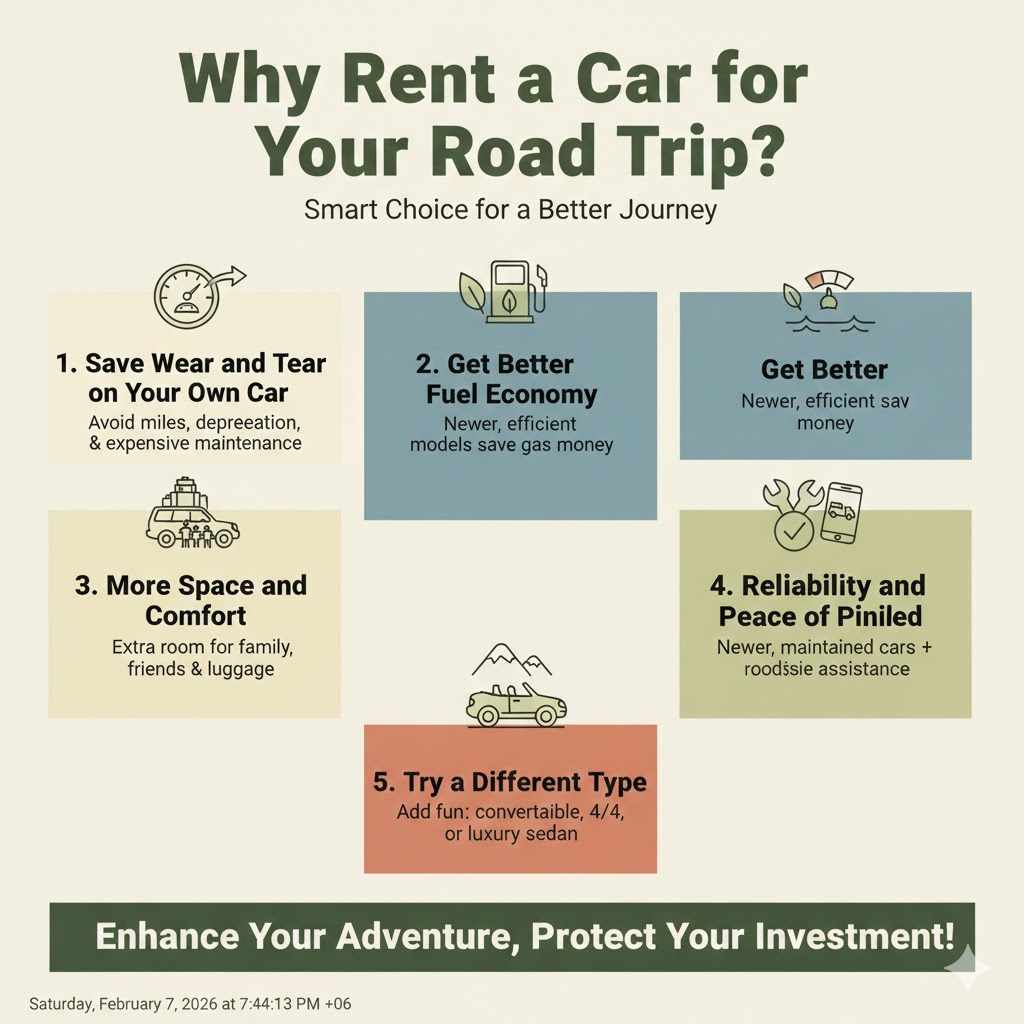
- Save Wear and Tear on Your Own Car: Long road trips add a lot of miles to your vehicle. This can lead to faster depreciation and bring you closer to expensive maintenance appointments, like new tires or brake replacements. Renting a car keeps those miles off your personal vehicle.
- Get Better Fuel Economy: If your daily driver is an older car or a large SUV, renting a newer, more fuel-efficient model can save you a lot of money on gas. A modern sedan or hybrid can make a big difference at the pump.
- More Space and Comfort: Is your car a bit too small for your family, friends, and all your luggage? Renting a minivan, a large SUV, or a station wagon provides the extra room you need for a comfortable trip.
- Reliability and Peace of Mind: Rental cars are typically newer models that are well-maintained. This reduces the risk of a breakdown in an unfamiliar place. Most rentals also come with 24/7 roadside assistance for extra security.
- Try a Different Type of Vehicle: A road trip is the perfect opportunity to drive something different. You could rent a convertible for a scenic coastal drive or a 4×4 for a mountain adventure. It adds an extra layer of fun to your trip.
Top Places to Rent a Car for Your Adventure
Knowing where to look is the first step to finding the perfect road trip vehicle. There are a few main types of rental services, each with its own pros and cons. Let’s break them down so you can choose the best one for you.
1. Major Rental Car Companies
These are the big names you see at every airport, like Enterprise, Hertz, and Avis. They are a reliable and popular choice for many travelers. They have large fleets of well-maintained, newer cars and locations all over the country.
- Best for: Travelers who want reliability, convenience, and a wide selection of vehicles. They are great for one-way trips and airport pickups.
- Pros: Consistent service, loyalty programs for frequent renters, extensive roadside assistance, and numerous locations for easy pickup and drop-off.
- Cons: Can sometimes be more expensive than other options, especially without booking in advance.
2. Budget-Friendly Rental Companies
Companies like Budget, Thrifty, and Dollar focus on offering lower prices. They are often co-located with the major brands but cater to travelers looking to save money. The cars are still reliable, but the experience might have fewer frills.
- Best for: Cost-conscious travelers who don’t need premium features and are looking for the best deal.
- Pros: Lower daily rates, frequent promotions, and good value for basic transportation.
- Cons: Fleets may have slightly older cars or fewer model choices. Customer service can sometimes be less comprehensive than premium brands.
3. Car-Sharing Services (Peer-to-Peer)
Services like Turo and Getaround are like the Airbnb for cars. You rent directly from a car’s owner instead of a company. This opens up a huge variety of unique and interesting vehicles, from classic cars to luxury sports cars.
- Best for: People looking for a specific type of car, a more personal rental experience, or potentially lower prices for unique vehicles.
- Pros: Incredible vehicle variety, often cheaper than traditional rentals, and flexible pickup/drop-off arrangements with the owner.
- Cons: Insurance can be more complicated, mileage limits can be stricter, and the condition of the car depends on the individual owner’s maintenance. Quality can vary.
4. Rental Car Aggregators
Websites like Kayak, Expedia, and Priceline are search engines for rental cars. You enter your dates and location, and they show you prices from dozens of different companies all in one place. This is the easiest way to compare prices quickly.
- Best for: Finding the absolute lowest price and comparing all your options without visiting multiple websites.
- Pros: Saves time, easily highlights the best deals, and often bundles car rentals with flights and hotels for extra savings.
- Cons: You are booking through a third party, which can sometimes complicate things if you need to change your reservation or have a problem at the rental counter.
| Rental Option | Best For | Pros | Cons |
|---|---|---|---|
| Major Companies (Hertz, Enterprise) | Reliability & Convenience | Large selection, many locations, great service. | Can be more expensive. |
| Budget Companies (Budget, Thrifty) | Saving Money | Lower prices, good value. | Fewer perks, may have older cars. |
| Car-Sharing (Turo) | Unique Vehicles | Wide variety of cars, potentially lower cost. | Variable quality, complex insurance. |
| Aggregators (Kayak, Expedia) | Comparing Prices | Easy to find the best deal, saves time. | Third-party booking can be less flexible. |
A Step-by-Step Guide to Renting Your Road Trip Car
Renting a car doesn’t have to be confusing. Just follow these simple steps to ensure you get the right vehicle at the right price, with no unwanted surprises.
Step 1: Determine Your Needs
First, think about what you need from a car. Ask yourself a few questions:
- How many people are traveling? Make sure there are enough seats and seatbelts for everyone.
- How much luggage will you have? You’ll need enough trunk space for everyone’s bags. A small sedan won’t work for four people with large suitcases.
- What kind of driving will you do? City driving is fine for a small car, but a trip to the mountains might require an SUV with all-wheel drive.
- What is your fuel budget? Consider a fuel-efficient or hybrid model to save money on gas during a long trip.
Step 2: Compare Prices and Options
Never book the first car you see. Use a rental car aggregator like Kayak or Expedia to see what different companies are charging. Look at the total price, not just the daily rate. Taxes and fees can add a lot to the final cost. Check prices for both airport and off-site locations. Sometimes, taking a short shuttle or taxi to a neighborhood rental office can save you a lot of money by avoiding airport fees.
Step 3: Understand the Insurance
This is where many people get confused. You have a few options for rental car insurance:
- Your Personal Auto Insurance: Many policies extend coverage to rental cars. Call your insurance agent to confirm what is covered before you rent.
- Your Credit Card: Many travel credit cards offer secondary rental car insurance as a perk. This means it kicks in after your personal insurance pays. Check your card’s benefits guide to be sure.
- Insurance from the Rental Company: The rental counter will offer you a Collision Damage Waiver (CDW) or Loss Damage Waiver (LDW). This isn’t technically insurance, but it waives your financial responsibility if the car is damaged or stolen. It can be expensive but offers complete peace of mind.
Decide on your insurance plan before you get to the rental counter. This will help you avoid pressure to buy expensive, unnecessary coverage.
Step 4: Check for Hidden Fees
Read the fine print before you book. Rental companies can have several extra charges that catch people by surprise. Be aware of:
- Young Driver Fees: Drivers under 25 almost always pay an extra daily fee.
- Additional Driver Fees: Want someone else to share the driving? There’s usually a fee for that.
- One-Way Drop-Off Fees: Picking up a car in one city and dropping it off in another can be very expensive.
- Airport Surcharges: Renting directly from an airport location often includes extra taxes and fees.
- Fuel Charges: Always plan to return the car with a full tank of gas. The price the rental company charges to refuel it for you is extremely high.
Step 5: Book in Advance
The earlier you book, the better the price and selection will be. Waiting until the last minute, especially during holidays or peak travel season, will result in much higher prices and fewer car choices. Try to book your car at least a few weeks before your trip.
Step 6: Inspect the Car Before You Drive
This is a crucial step! Before you leave the rental lot, walk around the car and inspect it carefully for any existing damage. Look for scratches, dents, or chips in the paint and windshield. Open the doors and check the interior for any stains, tears, or damage. Take pictures or a video of any issues you find with your smartphone. Show the damage to the rental agent and make sure they note it on your rental agreement. This prevents you from being blamed (and charged) for damage you didn’t cause.
Understanding Rental Car Insurance: What You Really Need
The insurance part of renting a car can feel like the most stressful. The person at the counter may use confusing terms. Let’s make it simple. Here’s a breakdown of the main types of coverage they will offer you.
| Insurance Type | What It Covers | Do You Need It? |
|---|---|---|
| Collision/Loss Damage Waiver (CDW/LDW) | Covers theft, vandalism, or damage to the rental car itself. If you get in an accident, you won’t have to pay for repairs to the rental vehicle. | Maybe. Check if your personal auto insurance or credit card already provides this. If not, it can be worth it for peace of mind. |
| Liability Insurance | Covers damage to other people’s property (their car) and their medical bills if you cause an accident. State laws require a minimum amount of liability coverage. | Probably Not. Your personal auto insurance policy almost always includes liability coverage that extends to rental cars. Check your policy to be sure. |
| Personal Accident Insurance (PAI) | Covers medical costs for you and your passengers if you are injured in an accident. | Probably Not. This is usually covered by your personal health insurance. It is often redundant if you have good health coverage. |
| Personal Effects Coverage (PEC) | Covers your personal belongings if they are stolen from the rental car. | Probably Not. Your homeowner’s or renter’s insurance policy typically covers your belongings, even when you are traveling. |
The key takeaway is to do your homework before you go. A quick call to your insurance agent and a check of your credit card benefits can save you from buying expensive and redundant coverage at the rental counter.
Pro Tips for a Smooth Rental Experience
Once you know the basics, a few extra tips can make your rental experience even better. Keep these in mind to save money and avoid headaches.
- Join Loyalty Programs: If you rent cars even once or twice a year, sign up for the company’s free loyalty program. Members often get to skip the line at the counter, receive exclusive discounts, and earn points toward free rentals.
- Look for Unlimited Mileage: For a road trip, this is a must-have. Most major rental companies offer unlimited mileage for non-local rentals, but always double-check. Some smaller companies or peer-to-peer rentals have daily mileage caps, and the fees for going over can be very high.
- Prepay for Fuel (Or Don’t): The rental company will offer to let you prepay for a full tank of gas. This is almost never a good deal unless you are 100% certain you will return the car with an empty tank. It’s always cheaper to fill it up yourself right before you return it.
- Bring Your Own Extras: Don’t pay extra daily fees for a GPS unit or a child’s car seat. Use a navigation app on your phone instead. For car seats, it’s often cheaper to bring your own. Most airlines will let you check a car seat for free. For more information on child safety seats, check the guidelines from the National Highway Traffic Safety Administration (NHTSA).
- Check for One-Way Fees: If you plan to drop the car off at a different location than where you picked it up, be prepared for a potentially large one-way fee. This fee can sometimes be hundreds of dollars, so factor it into your budget.

Frequently Asked Questions (FAQ)
1. How old do you have to be to rent a car?
Most major rental companies in the U.S. require you to be at least 21 years old. However, drivers between the ages of 21 and 24 are usually charged a “young driver fee,” which can be $25 per day or more. Some companies may set the minimum age at 20, while others require you to be 25.
2. Do I need a credit card to rent a car?
Yes, in most cases, you need a major credit card in the driver’s name. Rental companies place a hold on the card for a security deposit, which can be several hundred dollars. While a few locations may accept a debit card, it often involves a credit check and a much larger hold, making a credit card the easiest option.
3. What happens if I get a flat tire in a rental car?
Most rental agreements include basic 24/7 roadside assistance. If you get a flat tire, call the roadside assistance number provided by the rental company (it’s usually on a sticker on the windshield or in the glove box). They will send someone to help you change the tire or tow the vehicle.
4. Can I drive the rental car to another state or country?
Driving to another state is almost always allowed, but you should check the rental agreement to be sure. Driving to another country, like Canada or Mexico, has specific restrictions. You must inform the rental company in advance, and they will provide you with the necessary paperwork and insurance. Cross-border travel is not always permitted, so always ask first.
5. Should I clean the car before I return it?
You should return the car in a reasonably clean condition. Normal dirt from driving is expected. However, if you return the car with excessive sand, pet hair, food spills, or smoke smell, the company will charge you a significant cleaning fee. It’s a good idea to quickly vacuum it out and remove all your trash before returning it.
6. What if I return the car late?
Most companies have a short grace period, usually around 29 minutes. If you are later than that, you will likely be charged for an extra hour. If you are more than a few hours late, you will be charged for an entire extra day. If you know you’re going to be late, call the rental company to let them know.
Your Adventure Awaits
Renting a car for your road trip is a fantastic way to make your journey more comfortable, reliable, and fun. It might seem like there are a lot of rules and options, but by breaking it down into simple steps, you can feel confident and in control. Remember to figure out what you need, compare your options, understand the insurance, and always inspect the car before you leave the lot.
A little bit of planning goes a long way. By following this guide, you’re ready to find the perfect vehicle for your adventure without any stress or surprises. Now you can focus on the important things: the open road, the great music, and all the amazing memories you’re about to make. Happy driving!