Where To Sell High Mileage Cars: Best Options
Selling a high mileage car can feel daunting, but you have great options! Focus on places that value your car for its working condition, not just its odometer reading. Consider online car buyers, local dealerships with good trade-in programs, or even private sales to folks who need an affordable ride.
Got a car that’s seen a lot of miles? You’re not alone! Many of us drive our cars until they’ve racked up significant mileage. Deciding what to do with it when it’s time for a change can be tricky. You might worry about getting a fair price or even finding a buyer. But don’t sweat it! There are plenty of places ready and willing to take your high mileage car off your hands. We’ll walk through the best options, making it easy for you to get the most value without the usual hassle.
Understanding Your High Mileage Car’s Value
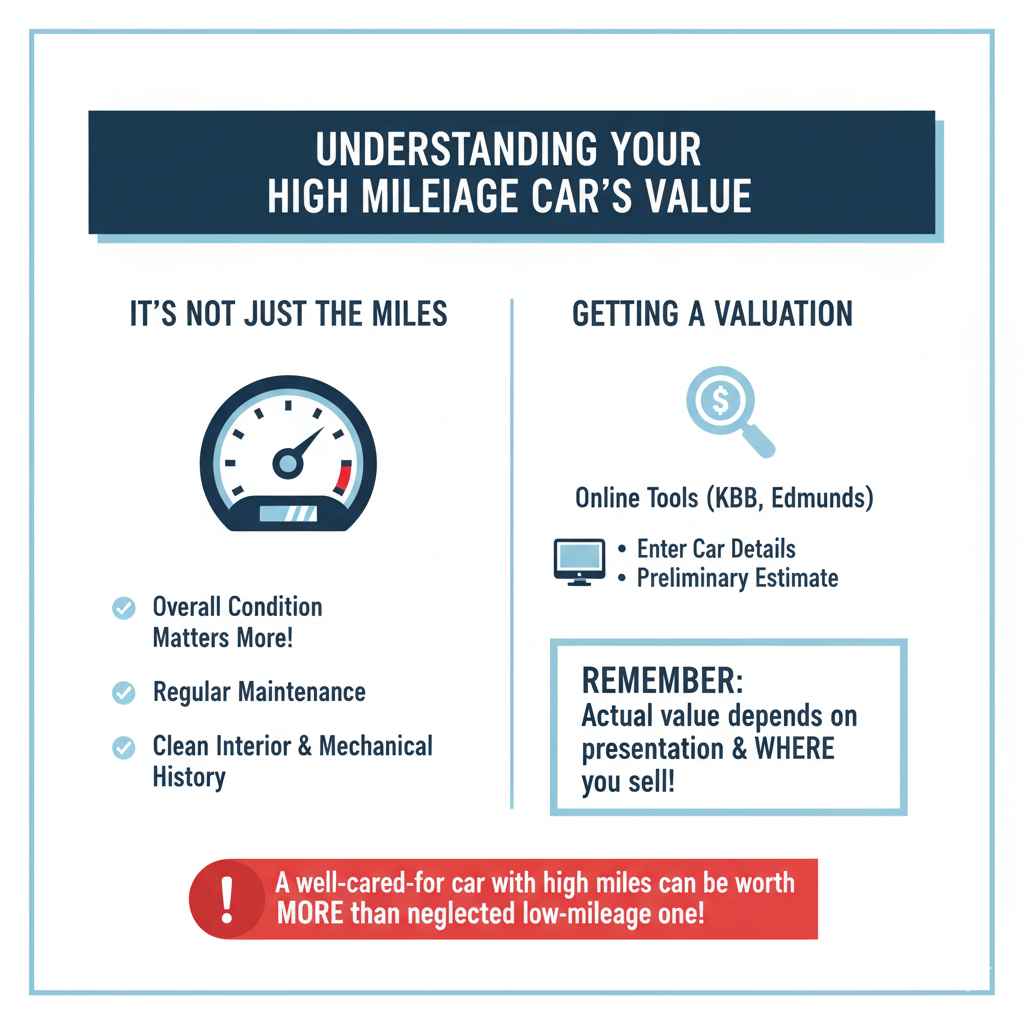
Before diving into selling, let’s chat about what makes a high mileage car valuable. It’s not just about the miles on the clock; it’s about the car’s overall condition. Regular maintenance, a clean interior, and a solid mechanical history can significantly boost your car’s desirability, even with hundreds of thousands of miles. Think of it this way: a well-cared-for car with 150,000 miles might be worth more than a neglected one with only 80,000 miles. Buyers, especially those looking for a budget-friendly option, will appreciate a car that’s clearly been looked after.
When you’re looking to sell, it’s helpful to get a general idea of your car’s worth. Websites like Kelley Blue Book (KBB) or Edmunds allow you to get a preliminary valuation by entering your car’s details. Remember, these are estimates, and the actual offer might vary. For high mileage cars, these tools can give you a ballpark figure, but the real value often comes from how well you present the car and where you choose to sell it.
Best Places to Sell High Mileage Cars
Finding the right spot to sell your high mileage car is key to getting a decent offer. Here are some of your best bets:
1. Online Car Buying Companies
These companies specialize in buying cars quickly and often handle all the paperwork. They’re a popular choice for high mileage vehicles because they provide instant offers based on your car’s condition and current market demand.
- How they work: You typically fill out an online form with your car’s details (year, make, model, mileage, condition). They’ll then give you an offer. If you accept, they’ll arrange an inspection and payment, often within days.
-
Pros:
- Fast and convenient.
- Handles all paperwork.
- Good for cars with high mileage that might be harder to sell privately.
- Fair offers for working vehicles.
-
Cons:
- Offers might be lower than what you could get through private sale or some trade-ins.
- Inspection can sometimes lead to a lower final offer if issues are found.
- Examples: Carvana, Vroom, Shift (where available), and national services like Peddle. These online platforms aim to simplify the process of selling your car, regardless of its age or mileage.
2. Local Dealerships (Trade-In)
If you’re planning to buy another car, trading in your high mileage vehicle at a dealership can be a convenient option. They might offer you a discount on your new purchase in exchange for your old car.
- How they work: You bring your car to the dealership, and they assess its value as a trade-in. This value is then deducted from the price of the new car you’re buying.
-
Pros:
- Extremely convenient, especially if buying a new car.
- Saves you the hassle of selling separately.
- Can sometimes offer a decent value as part of a larger deal.
-
Cons:
- Trade-in values for high mileage cars can sometimes be lower than market value.
- Dealerships are looking to make a profit, so their offer might reflect that.
- You might get a better deal selling it yourself.
- Tip: Always research your car’s trade-in value beforehand. Websites like Kelley Blue Book can help you find this information. Negotiate firmly and be prepared to walk away if the offer isn’t right.
3. Private Sale Platforms
Selling your car directly to another individual can often fetch you the highest price, even for a high mileage vehicle. People looking for a second car, a project car, or an affordable daily driver are often in the market for well-used vehicles.
- How they work: You list your car on online platforms or even use local classifieds. Interested buyers will contact you to view the car, test drive it, and negotiate a price.
-
Pros:
- Potential for the highest selling price.
- You control the sale process and negotiation.
- Can connect with buyers specifically looking for your type of car.
-
Cons:
- Takes more time and effort.
- Dealing with potential buyers can be unpredictable.
- You handle all the paperwork and payment personally.
- Safety concerns: meet buyers in safe, public places.
- Platforms: Craigslist, Facebook Marketplace, eBay Motors, specialized forums for specific car makes or models.
4. Local Mechanics or Specialty Shops
Sometimes, your local mechanic or a shop that specializes in certain types of cars (e.g., off-roading, performance) might be interested in buying your high mileage car, especially if it’s a model they commonly service or if it has desirable parts.
- How they work: You can inquire directly with shops you trust. They might buy it for parts, to fix up and resell, or for a customer needing a specific model.
-
Pros:
- They understand the mechanical aspects and potential.
- Can offer a fair price if they see value in it for their business.
- Often a straightforward transaction.
-
Cons:
- Not all mechanics are buyers.
- Offers might be based on wholesale or parts value.
- Limited options compared to online buyers.
5. Scrap Yards / Auto Salvage Yards
If your high mileage car is nearing the end of its road, or if it has significant mechanical issues that make selling it as a running vehicle impossible, a salvage yard is an option. They buy cars for their scrap metal value or for usable parts.
- How they work: You contact local salvage yards, provide your car’s details, and they’ll offer a price based on its weight and usable parts. They often offer towing services.
-
Pros:
- Guaranteed sale, even if the car is not running.
- They usually offer free towing.
- Quickest way to get rid of a non-running car.
-
Cons:
- Lowest possible payout, usually just for scrap metal.
- Not suitable if your car is still in decent running condition.
- Note: Ensure you’re dealing with a reputable yard that follows environmental regulations for dismantling vehicles. The U.S. Environmental Protection Agency (EPA) provides guidance on proper vehicle disposal and recycling.
Factors Affecting Your High Mileage Car’s Value
Several things can influence how much you can get for your car. Knowing these will help you set expectations and prepare your vehicle for sale:
- Maintenance Records: A consistent history of oil changes, service appointments, and major repairs (like timing belt replacements) dramatically increases a car’s appeal. It shows you’ve taken good care of it. Keep all your receipts and service records organized.
- Condition (Mechanical): Does it start reliably? Does it run smoothly? Are there any major leaks or warning lights on the dashboard? A car that runs well without immediate need for expensive repairs will always command a higher price.
- Condition (Cosmetic): A clean interior and exterior make a big difference. Deep cleaning, fixing minor dents or scratches, and ensuring all lights and wipers work properly can improve its look and perceived value.
- Tires and Brakes: Good quality tires with plenty of tread and brakes that are in good condition are valuable selling points. If these are worn, a buyer might factor in the immediate cost of replacement.
- Title Status: A clean title (no salvage, flood, or lemon designations) is crucial. If your car has a branded title, its value will be significantly lower, and you’ll need to be upfront about it.
- Demand for the Make/Model: Some cars hold their value better than others due to reliability, fuel efficiency, or popularity. For example, certain Toyota or Honda models are known to be resilient even with high mileage.
Preparing Your High Mileage Car for Sale
A little preparation can go a long way when selling your high mileage car. Here’s how to make it more appealing:
- Deep Clean: A sparkling car feels like a well-maintained car. Vacuum the interior, wipe down all surfaces, clean the windows inside and out, and wash and wax the exterior. Consider professional detailing if it’s in your budget.
- Service Check: If you know of any minor issues (e.g., a flickering dashboard light, a worn wiper blade), consider fixing them. For high mileage cars, ensuring the essential functions (brakes, steering, lights) are in perfect working order is paramount.
- Gather Records: Assemble all your maintenance and repair records. Buyers love seeing proof that the car has been cared for.
- Take Good Photos: If selling privately or listing with an online buyer, clear, well-lit photos from multiple angles (interior, exterior, engine bay, trunk) are essential.
- Be Honest: Always disclose known issues. Transparency builds trust and can prevent problems later on.
Selling Challenges and How to Overcome Them
Selling a high mileage car isn’t always straightforward. Here are common challenges and how to get past them:
- Lower Offers: Buyers will factor in potential future repairs. Overcome this by highlighting your maintenance history and the car’s good running condition.
- Hesitant Buyers: Some buyers might be wary of high mileage. Reassure them with your records and a fair price point.
- Parts vs. Whole Car: If you’re getting lowball offers from places that only want it for parts, emphasize its resale value as a functional vehicle if it’s still running well.
- Paperwork: Every selling method has paperwork. Online buyers and dealerships handle most of it, but for private sales, make sure you understand your local requirements for transferring titles and registration. Resources from your local Department of Motor Vehicles (DMV) are invaluable here. For example, the DMV.org website provides helpful overviews of state-specific procedures.
Comparing Your Selling Options
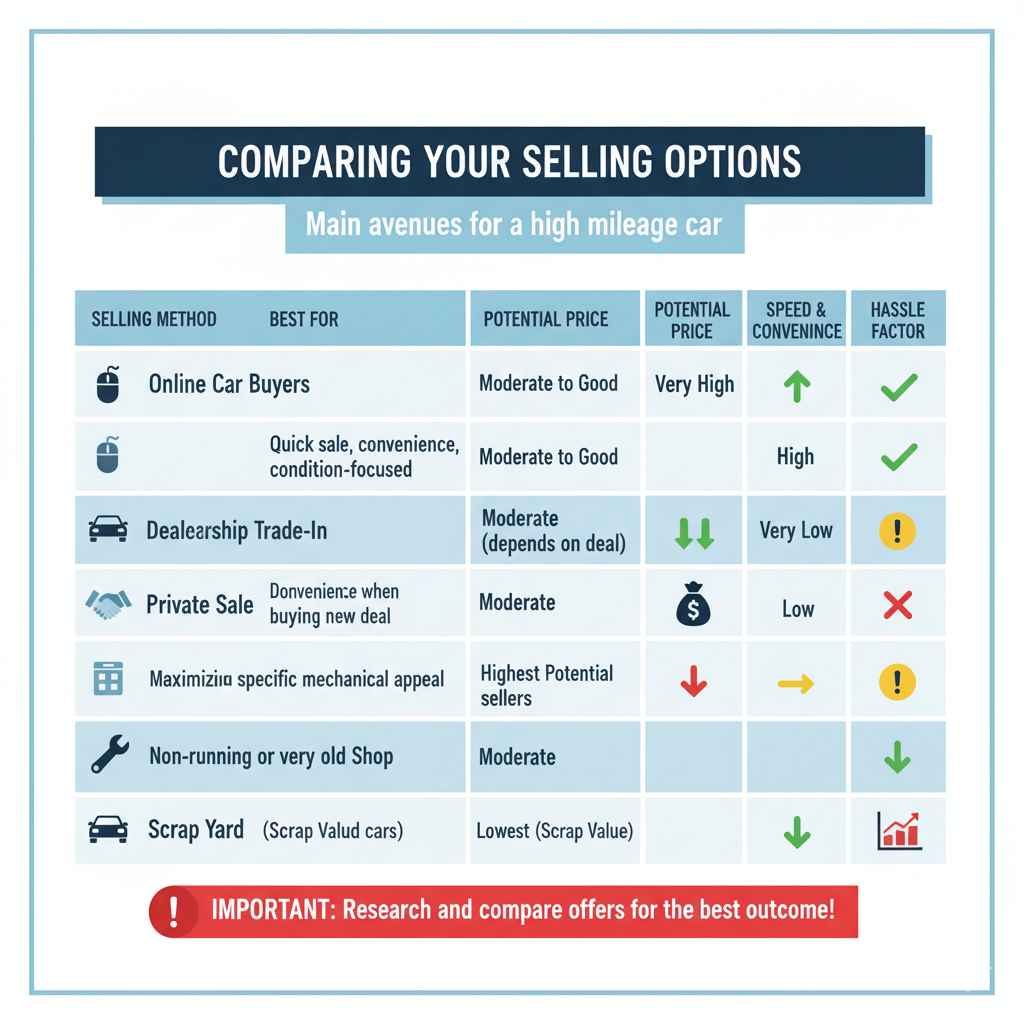
Let’s summarize the main selling avenues for a high mileage car:
| Selling Method | Best For | Potential Price | Speed & Convenience | Hassle Factor |
|---|---|---|---|---|
| Online Car Buyers | Quick sale, convenience, condition-focused | Moderate to Good | High | Low |
| Dealership Trade-In | Convenience when buying new car | Moderate (depends on deal) | Very High | Very Low |
| Private Sale | Maximizing return, patient sellers | Highest Potential | Low | High |
| Mechanic/Specialty Shop | Cars with specific mechanical appeal | Moderate | Moderate | Moderate |
| Scrap Yard | Non-running or very old cars | Lowest (Scrap Value) | High | Low |
Frequently Asked Questions (FAQ)
Q1: Can I really get decent money for a car with 200,000 miles?
Yes, you often can! While the mileage is high, if the car has been well-maintained, runs smoothly, and has a clean title, there’s still a market for it. Buyers looking for an affordable first car, a second vehicle, or a reliable commuter will consider cars with higher mileage if they appear to be in good shape. Focus on highlighting its service history and overall condition.
Q2: Should I fix major problems before selling my high mileage car?
It depends on the cost of the repair versus the potential increase in value. For very high mileage cars, investing thousands in major repairs might not fully recoup the cost. Focus on essential safety items (like brakes) and cosmetic improvements that offer good value. Often, it’s better to sell the car as-is and disclose the issue honestly.
Q3: How honest do I need to be about my car’s condition?
You must be completely honest about the car’s condition, especially any known mechanical issues or past major accidents. Most places that buy cars will do their own inspection. If you’re selling privately, honesty builds trust and can prevent legal issues down the road. Disclose everything truthfully; it’s the safest and best policy.
Q4: When is it better to go to a scrapyard than try to sell?
If your car has significant mechanical problems that would cost more to fix than the car is worth, or if it’s not running at all and has extensive rust or body damage, a scrapyard is likely your best option. They offer a guaranteed sale for the car’s material value, which is often more than you’d get trying to sell it otherwise.
Q5: How do I transfer the title and registration for a private sale?
This process varies by state, but typically involves you signing over the title to the buyer, and both parties filling out a bill of sale. The buyer then takes these documents to their local Department of Motor Vehicles (DMV) to officially register the car in their name. It’s crucial to remove your license plates and properly notify your state’s DMV that you’ve sold the vehicle to avoid liability for future parking tickets or tolls. Your local DMV’s website is the best place to get precise instructions.
Q6: Can I sell a high mileage car online even if it’s old?
Yes! Many online car buying platforms are designed to take cars of various ages and mileages. They often prioritize functionality and market demand over the model year. As long as the car is in running condition and you can provide accurate details, you should be able to get an offer. Be aware that older cars with very high mileage might receive lower offers, as they often have more wear and tear.
Conclusion
Selling a car with a lot of miles on the odometer doesn’t have to be a stressful experience. By understanding your car’s current value, preparing it well, and choosing the right selling avenue, you can still get a fair deal. Whether you opt for the speed and convenience of online car buyers, the simplicity of a dealership trade-in, or the potential for a higher return through a private sale, there’s a method out there that fits your needs. Remember to be honest about the car’s condition, gather your service records, and always prioritize your safety and a smooth transaction. With a little research and preparation, you can confidently say goodbye to your trusty high mileage companion and move on to your next adventure!