Where to Spray Starter Fluid on Carburetor: Expert Tips Revealed
If your engine is having trouble starting, using starter fluid can be a quick fix. But do you know exactly where to spray starter fluid on your carburetor to get the best results?
Spraying it in the wrong spot can cause damage or simply won’t help your engine fire up. You’ll learn the precise spot to spray starter fluid on your carburetor, step-by-step tips to do it safely, and how to avoid common mistakes.
Keep reading to make sure your engine gets the boost it needs—fast and easy.
Role Of Starter Fluid
Starter fluid helps engines start quickly and easily. It is a special spray that ignites fast. This spray works well in cold weather or when an engine has trouble starting. It makes the fuel burn better at the first try.
The fluid is useful for engines with carburetors. It reaches inside the carburetor and helps the air-fuel mix catch fire. This makes the engine run smoother right away.
Purpose In Engine Starting
Starter fluid provides a quick burst of fuel. This fuel ignites faster than regular gasoline. It helps the engine make a strong first spark. This spark starts the engine when normal fuel does not catch fire easily.
The fluid improves combustion in the engine’s cylinders. It reduces the effort needed from the starter motor. This means the engine can start with less strain. It is especially helpful in cold weather or after long storage.
When To Use Starter Fluid
Use starter fluid when the engine struggles to start. This can happen in cold weather or after the engine sits unused for a long time. It also helps if the carburetor or fuel system is dirty or clogged.
Do not use starter fluid every time you start the engine. Overuse can damage the engine. Use it only as a temporary aid when the engine does not start easily.
Carburetor Basics
The carburetor controls the air and fuel mixture that enters the engine. It mixes fuel with air in the right amount. This mixture is needed for the engine to run smoothly.
Knowing how a carburetor works helps you understand where to spray starter fluid. It also helps with basic engine maintenance.
Key Components
The carburetor has many parts. The main ones are the throttle valve, float chamber, and jets. The throttle valve controls air flow. The float chamber holds fuel. Jets spray fuel into the air stream.
Each part plays a role in mixing fuel and air. If any part is dirty or broken, the engine may not start.
How It Affects Engine Performance
The carburetor’s job is to keep the right fuel-air ratio. Too much fuel makes the engine run rich. Too little fuel makes it run lean. Both cause poor performance.
A well-working carburetor helps the engine start quickly. It keeps the engine running smoothly at different speeds. Problems here can cause stalling or rough idling.

Optimal Spray Locations
Knowing the right spots to spray starter fluid on a carburetor helps start engines faster. Spraying in the correct areas ensures the fluid reaches the fuel and air mixture. This improves ignition and reduces wasted spray. Focus on three main parts of the carburetor for best results.
Throttle Plate Area
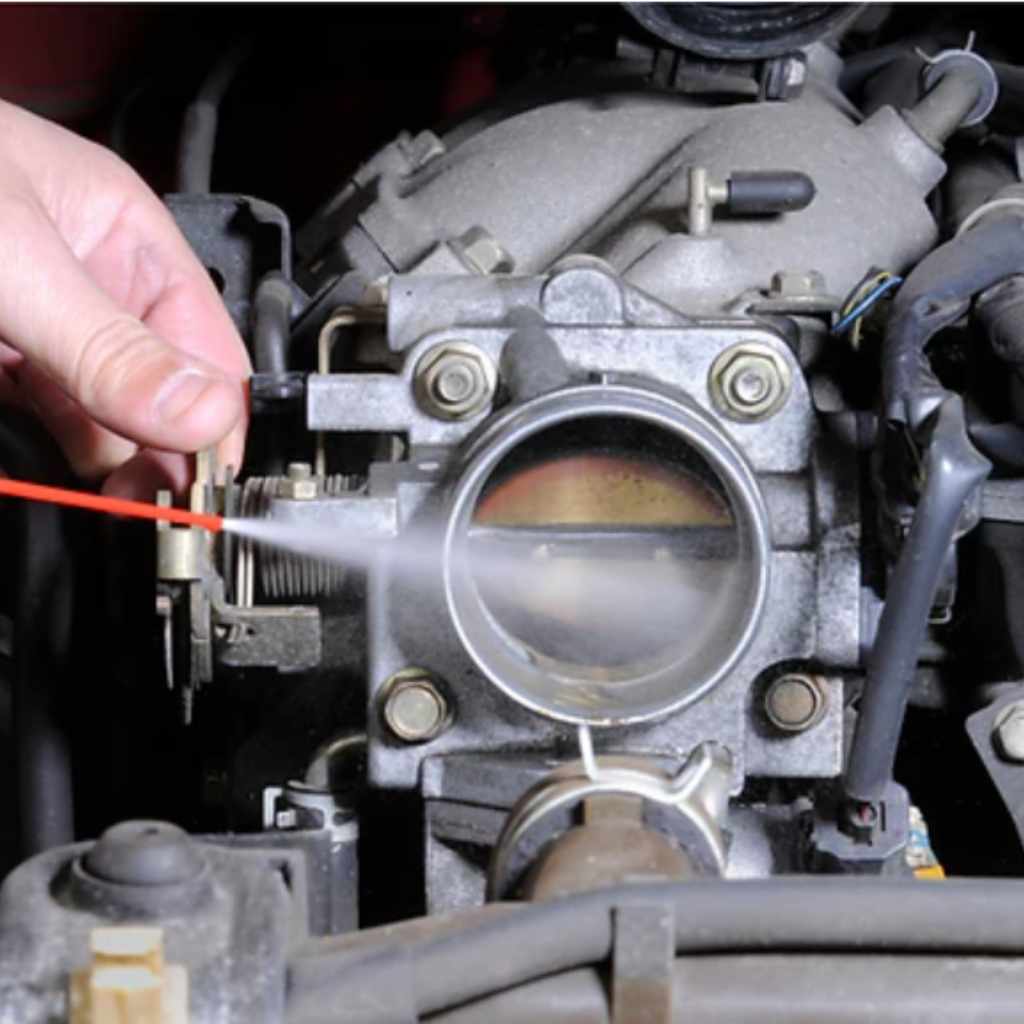
The throttle plate controls air entering the carburetor. Spray starter fluid around this area to help ignite fuel quickly. Aim the spray near the throttle plate edges inside the carburetor. This spot gets direct airflow and fuel mixture for easier starting.
Air Intake Path
The air intake path leads air into the carburetor. Spraying here allows starter fluid to mix with incoming air. Spray just inside the air intake opening. This helps the engine receive a richer mix of air and fuel for quick ignition.
Choke Mechanism
The choke controls fuel and air during cold starts. Spray fluid near the choke to improve fuel atomization. Target the area around the choke plate or butterfly valve. This spot helps the engine start smoothly in cold weather or after long stops.
Spraying Techniques
Spraying starter fluid on a carburetor helps start an engine quickly. Using the right spraying techniques ensures the fluid works well. Proper spraying avoids damage and waste. Learn how to spray correctly for best results.
Proper Distance And Angle
Hold the spray can about 6 to 8 inches from the carburetor. Spray directly at the air intake or throttle plate. Keep the angle straight to reach the right spot. Avoid spraying too close to prevent flooding the engine.
Amount Of Fluid To Use
Use a short burst of starter fluid, about 1 to 2 seconds. A small amount helps the engine catch fire quickly. Too much fluid can cause flooding or damage. Spray only as needed to avoid wasting the fluid.
Safety Precautions
Using starter fluid on a carburetor requires care and attention. Safety precautions help protect your engine and yourself. Understanding these steps keeps the process smooth and risk-free.
Avoiding Engine Damage
Spray starter fluid only on the carburetor’s air intake area. Avoid spraying directly inside the carburetor throat. Excess fluid can flood the engine and cause damage. Use short bursts instead of a continuous spray. Let the fluid soak for a few seconds before starting. Overuse can harm engine components and reduce performance.
Handling Flammable Fluids
Starter fluid is highly flammable. Use it in a well-ventilated area to prevent fumes buildup. Keep away from open flames, sparks, and hot engine parts. Wear gloves to protect your skin from irritation. Store the can in a cool, dry place, away from heat sources. Dispose of empty cans properly to avoid fire hazards.
Common Mistakes To Avoid
Using starter fluid on a carburetor can help start an engine quickly. But many people make simple mistakes that cause damage or fail to start the engine. Avoiding these errors saves time and protects your equipment. Here are common mistakes to watch out for.
Overuse Of Starter Fluid
Too much starter fluid harms the engine. It can flood the carburetor and cause hard starting. Overusing it can also damage rubber seals inside the carburetor. Use just a small spray. One or two short bursts are enough to help start most engines.
Frequent use of starter fluid hides other engine problems. If your engine needs starter fluid every time, check for bigger issues. Relying too much on starter fluid can make those problems worse.
Spraying In Wrong Areas
Spraying starter fluid in the wrong place wastes the fluid and may cause damage. The spray should go directly into the carburetor throat or intake area. Spraying on the outside or near electrical parts can cause fires or malfunctions.
Do not spray inside the air filter or on the spark plug. These areas are not meant for starter fluid. Aim carefully and spray only where the carburetor draws air and fuel. This ensures the fluid reaches the engine properly.
Alternative Starting Tips
Starter fluid is useful, but sometimes it does not work. You need other ways to help start your engine. These tips can help your carburetor and engine start more easily. They focus on cleaning, fuel, and spark checks. These steps are simple and can save time and effort.
Using Carburetor Cleaner
Carburetor cleaner removes dirt and buildup inside the carburetor. Spray the cleaner into the air intake or directly into the carburetor throat. Let it soak for a few minutes. This helps clear clogged jets and passages. Clean parts let fuel flow better. Your engine starts faster and runs smoother.
Checking Fuel And Spark
Fuel quality affects engine start. Old or bad fuel can stop your engine from starting. Drain old fuel and add fresh gasoline. Check the fuel filter for clogs. A clean filter improves fuel flow.
Next, check the spark plug. Remove it and look for dirt or damage. Clean or replace it if needed. A strong spark lights the fuel-air mix. This helps the engine start quickly and run well.

Frequently Asked Questions
Where Exactly To Spray Starter Fluid On Carburetor?
Spray starter fluid directly into the carburetor’s air intake. This is usually located near the air filter. Avoid spraying inside the fuel tank or spark plug area.
Can Starter Fluid Damage The Carburetor?
Starter fluid is safe if used sparingly. Excessive use can damage rubber seals and diaphragms inside the carburetor. Always follow manufacturer guidelines to avoid harm.
How Much Starter Fluid Should I Spray On Carburetor?
Use a small, controlled amount of starter fluid. A quick spray lasting 1-2 seconds is enough. Too much fluid can flood the engine and cause issues.
When Should I Use Starter Fluid On Carburetor?
Use starter fluid when the engine is hard to start. It helps ignite the air-fuel mixture quickly in cold or flooded conditions.
Conclusion
Spraying starter fluid on the right carburetor spot helps your engine start faster. Aim for the air intake or throttle plate area for best results. Avoid spraying too much fluid to prevent damage. Always follow safety steps while handling starter fluid.
Knowing where to spray saves time and avoids engine problems. Keep this guide handy when your engine struggles to start. Simple care leads to better engine performance and longer life.