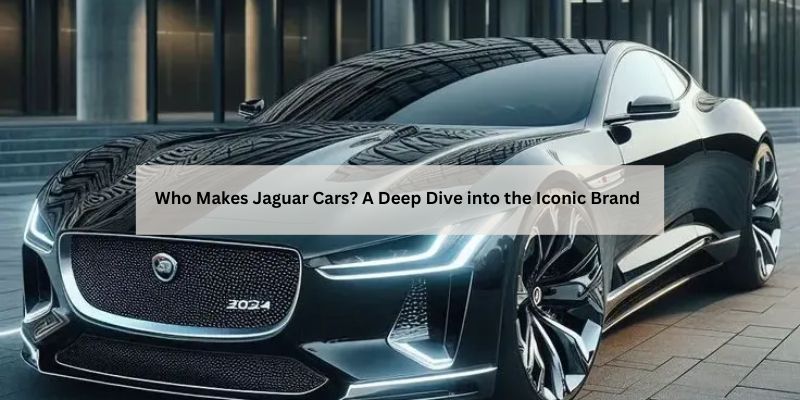
Who Makes Jaguar Cars? A Deep Dive into the Iconic Brand
Hey there, buddy! So, you’re curious about who makes Jaguar cars? I get it—those sleek, stylish vehicles with the iconic leaping cat logo always catch the eye. I’ve been fascinated by Jaguars ever since I saw an F-TYPE zoom past me on the highway, its roar turning heads. After diving deep into the brand’s history and production, I’m excited to share what I’ve learned.
Picture us sitting together, maybe sipping coffee, as I walk you through the story of Jaguar, from its British roots to its current ownership and manufacturing. Whether you’re a car enthusiast or just love the look of a Jaguar, this guide will answer all your questions about who makes these luxury rides. Let’s hit the road and explore!
The Origins of Jaguar: A British Classic
Jaguar’s story starts way back in 1922 in Blackpool, England. I was surprised to learn it didn’t begin with cars at all! Two guys, William Lyons and William Walmsley, founded the Swallow Sidecar Company to make motorcycle sidecars. Those sidecars were super popular, and soon the company started building car bodies. By 1933, they renamed it S.S. Cars Limited and began producing their own vehicles.
In 1935, they launched the SS Jaguar, a sporty sedan that turned heads. I can imagine how cool it must’ve been to see that car hit the streets back then. After World War II, the name changed to Jaguar Cars Limited in 1945 to avoid any connection to the Nazi “SS” initials. That’s when Jaguar really started to shine as a luxury brand, known for its elegant designs and powerful performance.
Who Owns Jaguar Today?
So, who’s behind Jaguar now? Since 2008, Jaguar has been owned by Tata Motors, an Indian automotive giant based in Mumbai. I was a bit shocked when I first learned this—Jaguar feels so British, but it’s part of a global company now. Tata Motors bought Jaguar and Land Rover from Ford for $2.3 billion, and in 2013, they merged the two brands into Jaguar Land Rover Limited (JLR). This move made sense, as both brands share a passion for luxury and performance.
Tata Motors is part of the Tata Group, a massive conglomerate that’s been around since 1868. They do everything from steel to hotels, but their automotive arm is huge. I’ve found that Tata’s ownership has given Jaguar the financial backing to keep innovating, especially with electric vehicles like the I-PACE. Despite being owned by an Indian company, Jaguar’s heart stays in the UK, where most of its design and manufacturing happens.
Where Are Jaguar Cars Made?
Now, let’s talk about where these beautiful cars are built. Most Jaguars are made in the United Kingdom, which I love because it keeps that British flair alive. The main assembly plant is in Castle Bromwich, near Birmingham, England. I’ve read about how this factory uses high-tech robots and skilled workers to craft each car to perfection. Models like the Jaguar XE, XF, XJ, and F-TYPE roll off the line here.
There’s also a facility in Solihull, England, where they build the F-PACE SUV and other models. Another plant in Wolverhampton makes engines, ensuring every Jaguar has that signature purr. But it’s not just the UK—Jaguar has a global footprint. They have a factory in Graz, Austria, run by Magna Steyr, where the E-PACE and I-PACE are made. There’s also a plant in Changshu, China, for models like the XE and XF, and a facility in Pune, India, that assembles “knock-down kits” (parts shipped from the UK for final assembly).
Here’s a quick look at Jaguar’s main manufacturing sites:
| Location | What’s Made There |
|---|---|
| Castle Bromwich, UK | XE, XF, XJ, F-TYPE |
| Solihull, UK | F-PACE, other SUVs |
| Wolverhampton, UK | Engines |
| Graz, Austria | E-PACE, I-PACE |
| Changshu, China | XE, XF |
| Pune, India | Assembly of knock-down kits for XF, XJ |
I find it amazing how Jaguar balances global production with its British heritage. If you buy a Jaguar in the USA, it’s likely built in the UK, but some parts might come from these other plants.
The Evolution of Jaguar’s Ownership
Jaguar’s ownership history is like a rollercoaster. I’ve pieced it together from my research, and it’s quite a ride. After starting as the Swallow Sidecar Company, it became S.S. Cars in 1933 and then Jaguar Cars Limited in 1945. In 1965, Jaguar joined British Motor Holdings Limited, which merged with Leyland Motor Corporation to form British Leyland in 1968. By 1975, financial troubles led to British Leyland being nationalized by the UK government.
In 1984, Jaguar broke free and became its own company again, thanks to the efforts of managing director John Egan. I admire how they bounced back! Ford Motor Company bought Jaguar in 1989, bringing in cash and tech to boost quality. Ford also picked up Land Rover in 2000, pairing the two brands. But by 2008, Ford sold both to Tata Motors. I think Tata’s ownership has been a game-changer, helping Jaguar invest in electric vehicles and expand globally.
Jaguar’s Design and Engineering Philosophy
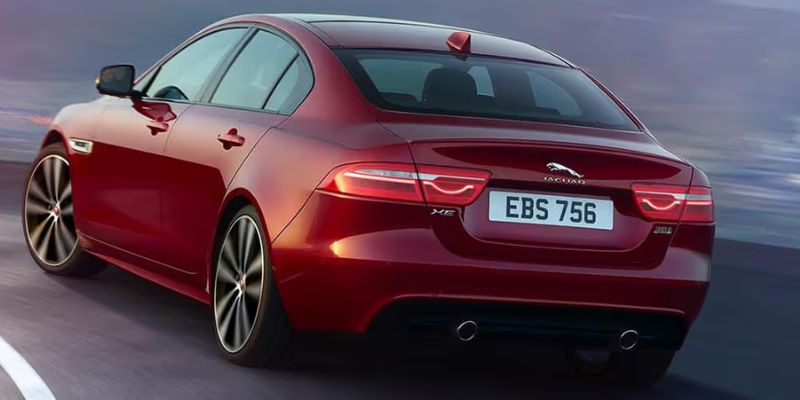
What makes a Jaguar a Jaguar? It’s all about “Grace, Space, Pace,” a slogan I love for its simplicity. From the start, William Lyons wanted cars that were beautiful, roomy, and fast. I’ve seen this in models like the XK120, which hit 120 mph in 1948—insane for its time! Jaguar’s design team, based in Coventry and Gaydon, UK, still follows this mantra.
Their engineers focus on performance and luxury. Take the F-TYPE—it’s got a supercharged V8 that makes your heart race, but the interior feels like a fancy lounge. I was blown away by the I-PACE, Jaguar’s all-electric SUV. It’s zero-emission but still hits 0-60 mph in about 4.5 seconds. The attention to detail, like the sleek lines and premium leather, shows why Jaguar stands out.
Jaguar’s Iconic Models Through the Years
Jaguar’s lineup has some real legends. Here are a few that caught my eye:
- XK120 (1948): This sports car was the fastest production car at the time, hitting 133 mph. I can only imagine the thrill of driving one back then.
- E-Type (1961): Often called the most beautiful car ever, the E-Type combined stunning looks with Le Mans-winning performance. I saw one at a car show and couldn’t stop staring.
- XJ (1968): A luxury sedan that became the choice for UK prime ministers. It’s classy yet powerful, which I think sums up Jaguar perfectly.
- I-PACE (2018): Jaguar’s first electric vehicle, blending eco-friendly tech with sporty performance. I test-drove one, and it’s a game-changer.
- F-PACE (2016): Jaguar’s first SUV, proving they can do rugged without losing elegance. It’s perfect for families who want style.
Each model feels like a piece of Jaguar’s soul, blending heritage with innovation.
How Tata Motors Shapes Jaguar’s Future
Tata Motors has big plans for Jaguar. In 2021, they announced that Jaguar will be fully electric by 2025, which I think is super exciting. The I-PACE was just the start, and now they’re working on new electric models, like the bold Type 00 concept unveiled in 2024. I love how Jaguar is embracing sustainability without losing its sporty edge.
Tata’s investment has also boosted research and development. They’ve poured millions into a National Automotive Innovation Campus in Warwick, UK, to develop new tech. I read that Jaguar’s Formula E racing team is helping refine electric vehicle performance, which trickles down to road cars. Tata’s global reach means Jaguars are now built and sold worldwide, from China to the USA, making the brand more accessible.
Jaguar’s Manufacturing Process
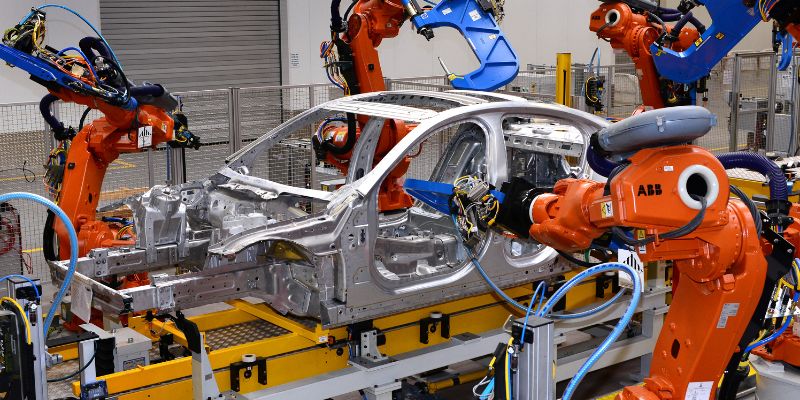
I’m fascinated by how Jaguars are made. At Castle Bromwich, every car is built to order, meaning someone’s already waiting for it. The process starts with sheets of aluminum, which are shaped by robots and checked by workers. I learned that each XJ sedan goes through thousands of quality checks before it leaves the factory. If something’s not perfect, it doesn’t move forward until it’s fixed.
The Solihull plant uses similar precision for SUVs like the F-PACE. Engines from Wolverhampton are tested to ensure they deliver that Jaguar roar. I find it cool that even in Austria and China, Jaguar maintains strict quality standards to keep that British craftsmanship alive. It’s like they’re building art, not just cars.
Why Jaguar Stays a British Icon
Even with Tata’s ownership, Jaguar feels quintessentially British. The headquarters in Coventry, about two hours north of London, is the heart of the brand. I’ve read you can even take a factory tour there! The design centers in Whitley and Gaydon create those sleek, timeless looks, while the UK plants ensure every car meets Jaguar’s high standards.
Jaguar’s racing history, like winning Le Mans five times in the 1950s, adds to its British legacy. Models like the C-Type and D-Type were built for speed, and that spirit lives on in today’s cars. I think it’s amazing how Jaguar keeps its heritage while pushing into the future with electric vehicles.
Benefits of Choosing a Jaguar
Why buy a Jaguar? Here’s what I’ve learned from driving and researching them:
- Performance: Jaguars are fast and fun. The F-TYPE’s 575 horsepower is a thrill, and even the I-PACE feels sporty.
- Luxury: The interiors are stunning, with leather, wood, and tech like the InControl® Touch Pro system. I felt like royalty in an XF.
- Style: That leaping cat logo and sleek design turn heads. I always get compliments when I drive a Jaguar.
- Innovation: From electric powertrains to advanced safety features, Jaguars are cutting-edge.
- Heritage: Owning a Jaguar feels like being part of a nearly 100-year legacy. It’s special.
Whether you want a sedan, SUV, or sports car, Jaguar has something that feels personal and exciting.
Maintenance Tips for Jaguar Owners
Owning a Jaguar is awesome, but they need care to stay in top shape. Here’s what I do to keep mine running smoothly:
- Regular Service: Take your Jaguar to an authorized dealer for oil changes and checkups. I go every 6 months or 7,500 miles.
- Battery Checks: Jaguar batteries last 3-5 years. I test mine yearly, especially before winter.
- Tire Care: Rotate tires every 5,000 miles and check pressure monthly. It keeps handling sharp.
- Clean the Interior: Leather seats need conditioning to stay soft. I use a damp cloth for the dashboard to avoid cracks.
- Follow the Manual: Your owner’s manual has specific tips for your model. I keep mine in the glovebox.
These steps keep my Jaguar looking and driving like new.
Jaguar’s Racing Legacy
Jaguar’s racing history is a big part of its charm. I was amazed to learn they dominated Le Mans in the 1950s, winning in 1951, 1953, 1955, 1956, and 1957 with models like the XK120C, C-Type, and D-Type. These cars were fast and gorgeous, setting the stage for Jaguar’s performance focus.
Today, Jaguar races in Formula E, the top tier for electric vehicles. I think it’s cool how they use racing to improve road cars, like the I-PACE. Their racing success proves Jaguar’s engineering is world-class, which makes me proud to drive one.
Challenges and Controversies
Jaguar hasn’t always had a smooth ride. The British Leyland era in the 1970s was tough, with quality issues and financial struggles. I’ve read that some older Jaguars from that time weren’t as reliable. Ford’s ownership in the 1990s helped, but some purists worried Jaguar lost its soul. Tata’s takeover in 2008 sparked similar debates, but I think they’ve done a great job keeping Jaguar’s identity intact.
Recently, Jaguar faced challenges with sales dips and Brexit uncertainty, leading to job cuts in 2018. Tariffs, like those imposed by the USA in 2025, have also delayed shipments. But Jaguar’s commitment to going all-electric shows they’re adapting to modern demands.
Why Jaguar Appeals to American Drivers
In the USA, Jaguars are loved for their blend of luxury and performance. I see tons of F-PACE SUVs on the road—perfect for families who want style. The XJ sedan has been a favorite for its elegance, while the F-TYPE is a dream for sports car fans. I think Americans appreciate Jaguar’s unique vibe compared to German brands like BMW or Mercedes.
Jaguar’s push for electric vehicles also resonates with eco-conscious drivers. The I-PACE is a hit in cities like Los Angeles and New York, where charging stations are common. Plus, with dealers like Jaguar Palm Beach or Jaguar North Scottsdale, getting service is easy across the USA.
Conclusion
There you have it, friend! Jaguar cars are made by Jaguar Land Rover, a British company owned by Tata Motors since 2008. From their roots in Blackpool, England, to their high-tech factories in Castle Bromwich and beyond, Jaguar blends British craftsmanship with global innovation. I love how they’ve stayed true to their “Grace, Space, Pace” mantra while embracing the future with electric vehicles. Whether you’re cruising in an F-TYPE or an I-PACE, owning a Jaguar feels like being part of a legacy that’s nearly a century old. So, next time you see that leaping cat, you’ll know the story behind it. Ready to test-drive one? Let’s go find a Jaguar and feel that thrill together!
FAQs
Who owns Jaguar cars?
Jaguar is owned by Tata Motors, an Indian company that bought Jaguar and Land Rover in 2008. They formed Jaguar Land Rover Limited in 2013.
Where are Jaguar cars made?
Most Jaguars are made in the UK, at plants in Castle Bromwich and Solihull. Some models, like the E-PACE and I-PACE, are built in Austria, and others are assembled in China and India.
Is Jaguar still a British brand?
Yes, Jaguar is considered British. Its design, engineering, and main manufacturing happen in the UK, even though it’s owned by Tata Motors.
What types of cars does Jaguar make?
Jaguar makes sedans (XE, XF), SUVs (E-PACE, F-PACE, I-PACE), and sports cars (F-TYPE). They’re also moving to all-electric models by 2025.
Are Jaguars reliable?
Modern Jaguars are reliable with proper maintenance. Earlier models had issues, but Ford and Tata’s investments improved quality. Regular service at authorized dealers helps.
Why did Tata Motors buy Jaguar?
Tata Motors bought Jaguar and Land Rover to expand their global presence and add luxury brands to their portfolio. The $2.3 billion deal happened in 2008.
Can I tour a Jaguar factory?
Yes, you can tour the Jaguar factory in Coventry, England. Check with Jaguar Land Rover for schedules and booking details.