Who Pays for a Rental Car After an Accident: Explained
Imagine you’re driving down the road, minding your own business, when suddenly — bam! — an accident happens.
Your car is damaged, and now you’re faced with the immediate challenge of finding transportation. The idea of renting a car pops into your head, but then a pressing question surfaces: who pays for a rental car after an accident?
This situation can be stressful, but understanding your options is key. We’ll explore the ins and outs of rental car coverage after an accident. You’ll discover how insurance policies, fault determination, and rental agreements can impact the costs. We aim to simplify the process for you, breaking down complex information into easy-to-grasp insights. By the end, you’ll feel empowered to navigate this unexpected situation with confidence. Keep reading to uncover the solutions that await you.
Credit: www.friedmansimon.com
Insurance Coverage Options
Personal auto insurance often covers rental cars. It depends on your policy. Collision and comprehensive coverage are important. They pay for rental car damages. Check your policy. Ensure it includes rental cars.
Rental car companies offer their own insurance. This is a separate coverage. It protects you if your own insurance does not cover rental cars. This insurance can be expensive. But, it gives peace of mind. Always read the terms before buying.
Some credit cards offer rental car protection. This is often a free benefit. You need to use the card to pay for the rental. Coverage varies by card. Always check your credit card’s terms. Ensure you understand what is covered.
Fault And Liability
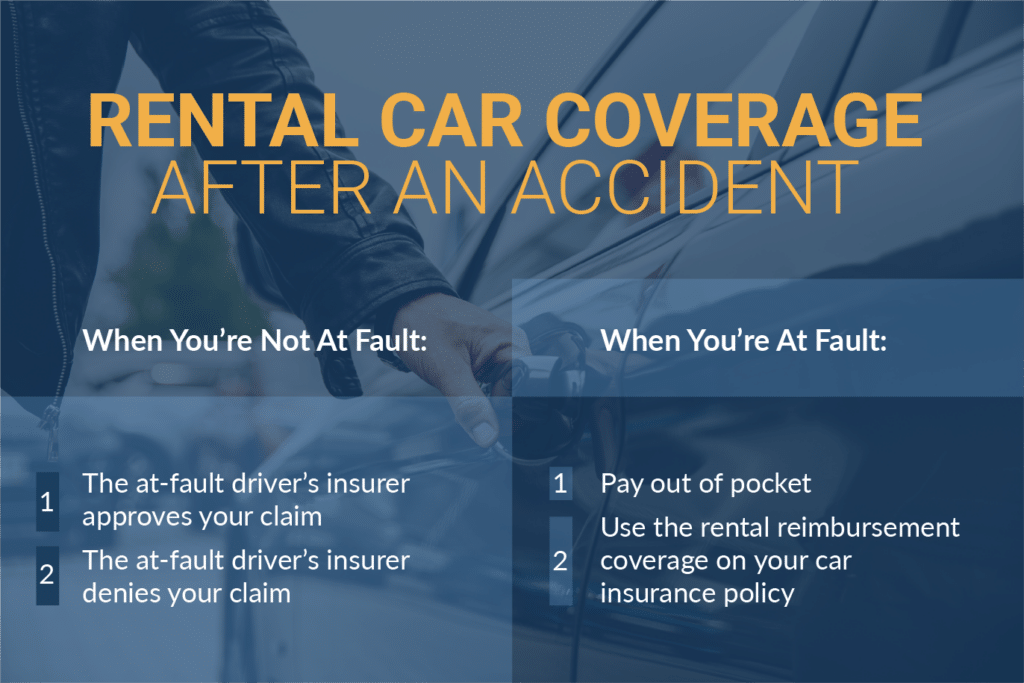
If a driver causes an accident, they must pay for damages. This includes rental car costs. Their insurance covers these expenses. The at-fault driver should contact their insurance company. They will handle the rental car payment. Sometimes, the driver pays first. Then, they get reimbursed later. It’s important to report the accident quickly. Insurance needs to know what happened.
In no-fault states, insurance covers costs, no matter who caused the accident. Each driver uses their own insurance for a rental car. This means less arguing over who pays. Insurance policies differ in each state. It’s important to understand your state’s rules. Some states have special laws. Knowing these helps avoid confusion. Check with your insurance for details.
Rental Reimbursement Coverage
Rental reimbursement coverage helps pay for a rental car. After your car gets damaged in an accident. This coverage comes with policy limits. These limits decide how much the insurance will pay. For example, your policy might cover $30 a day. But only for 30 days. Always check your policy for these limits. They help you know how much you can spend. If the rental costs more than the limit, you pay the extra.
First, report the accident to your insurance. They will start the claim process. You might need to show proof of the accident. This can be a police report. Or photos of the damage. Next, the insurance checks your policy. They see if it covers rental cars. If approved, you can rent a car. Keep all receipts. Submit them to your insurance for repayment.
Credit: www.chainlaw.com
Out-of-pocket Costs
After an accident, paying the deductibleis often necessary. This is a specific amount set by your insurance. Even if the accident is not your fault, you might still pay this cost. It is important to know how much your deductible is. This helps you plan your finances better. Some people have higher deductibles to lower their monthly payments. Others prefer lower deductibles for less expense in accidents. Always review your policy details. This ensures you’re prepared for any situation.
Rental cars come with extra fees too. These can be for added features or services. GPS systemsor special insurance may cost more. Sometimes, returning a car late leads to extra charges. Knowing these potential fees helps you avoid surprises. Always ask the rental company about all costs upfront. Clear understanding saves trouble later.
Steps To Take After An Accident
Notify your insurance company right away. Share all details about the accident. This includes the time, place, and people involved. Make sure to give them your policy number. They will guide you through the next steps. Insurance providers may cover rental car costs. It depends on your policy. Ask about any deductibles or limits. Always keep a record of your communication. This helps if disputes arise later. Remember, insurance companies need a complete picture.
Take photos of the accident scene. Capture vehicle damage from different angles. Write down what happened. Include the date and time. Collect names and contact info of witnesses. This can help later. Police reports are also important. Get a copy if possible. Ensure all details are accurate. This documentation supports your claims. It can be vital in insurance discussions. Keep everything organized for easy reference.
Alternative Transportation Options
Buses and trains are good for short trips. Tickets often cost less than a car rental. Many cities have easy-to-read maps. These maps show routes and stops. Riding a bus or train can also be fun. Look out the window and see the city. Public transit is also safe. Many people use it every day.
Rideshare apps like Uber or Lyft are very popular. Open the app and enter your location. A driver comes to pick you up. No need to drive yourself. Rideshare services are convenient. You can use them anytime. They are usually faster than buses. Payment is easy through the app.
Legal Considerations
An attorney can help with accident issues. They understand legal rights. Insurance companies may confuse you. An attorney explains things clearly. They know the right steps. This helps in getting a rental car.
Each state has different laws. Some states are “no-fault” states. In these, each person’s insurance covers their damages. Other states follow “at-fault” rules. In these, the person who caused the accident pays. It’s vital to know your state’s rules. This knowledge helps in getting a rental car covered.
Credit: www.shirvanianlawfirm.com
Frequently Asked Questions
Who Covers Rental Car Costs After An Accident?
Typically, the at-fault driver’s insurance covers rental costs. If you’re not at fault, their liability insurance should pay. If you’re at fault, your insurance might cover it if you have rental reimbursement coverage. Always check your policy details for specific coverage options.
Does Insurance Always Cover Rental Car Expenses?
Insurance does not always cover rental expenses. It depends on your policy. Rental reimbursement is an optional coverage. You must have it in your plan. Verify with your insurance provider to understand your coverage.
How Can I Get A Rental Car Quickly?
Contact your insurance company immediately after the accident. They can guide you through the process. Provide necessary documentation promptly. Choose a rental company that’s partnered with your insurer for a quicker process.
Are Rental Car Costs Reimbursed Fully?
Rental costs are not always reimbursed fully. Insurance policies usually have daily limits. They also have total reimbursement limits. Check your policy to understand these limits before renting a car.
Conclusion
Sorting out rental car costs after an accident can be tricky. Understand your insurance policy and ask questions. This helps avoid surprises later. Talk with the rental company and your insurer. Both can offer guidance. Knowing who pays saves time and stress.
Consider all options before making a decision. Protect yourself with the right coverage. Being informed keeps your wallet safe. Always plan ahead and stay informed. With the right steps, you can handle this smoothly. Remember, preparation is key. Stay educated to face any situation confidently.