Why Are People Against Electric Cars? Explained
It’s common to wonder about Why Are People Against Electric Cars? Explained when you’re new to the topic. There are many reasons people feel hesitant, and it can seem a bit overwhelming at first.
This post is here to clear things up and break it all down in a super easy way. We’ll walk through each reason step by step so you can get a clear picture. Get ready to learn what’s behind the concerns and find straightforward answers.
Why Are People Against Electric Cars Explained
Electric cars, or EVs, have been gaining popularity, but not everyone is jumping on board just yet. There are several common reasons why some people are hesitant or outright against them. Understanding these concerns is key to seeing the bigger picture.
Let’s explore these reasons one by one to get a clear explanation.
Range Anxiety
One of the most frequently mentioned reasons people are hesitant about electric cars is “range anxiety.” This is the fear that an electric car won’t have enough power to get you to your destination or to a charging station before its battery runs out.
What is Range Anxiety?
Imagine you’re driving a gasoline car and you see your fuel gauge getting low. You know there’s probably a gas station not too far away. With an EV, this feeling can be more intense.
Drivers worry about getting stranded. The distance an EV can travel on a single charge is called its range. While many modern EVs have ranges that are more than enough for daily driving, long road trips can still feel a bit uncertain for some.
Factors Affecting EV Range
Several things can affect how far an EV can go on a charge.
- Speed Driving faster uses more energy.
- Temperature Cold weather can reduce battery performance, meaning less range. Hot weather also impacts range, especially if you’re running the air conditioning heavily.
- Terrain Driving uphill requires more power than driving on flat roads.
- Driving Style Aggressive acceleration and braking drain the battery faster than smooth driving.
- Vehicle Load Carrying more weight or towing can decrease range.
How is Range Anxiety Being Addressed?
Car manufacturers are constantly improving battery technology to offer longer ranges. Additionally, the charging infrastructure is growing. More charging stations are being built in public places, along highways, and even at workplaces.
Home charging also means many people start their day with a “full tank.”
Charging Infrastructure and Time
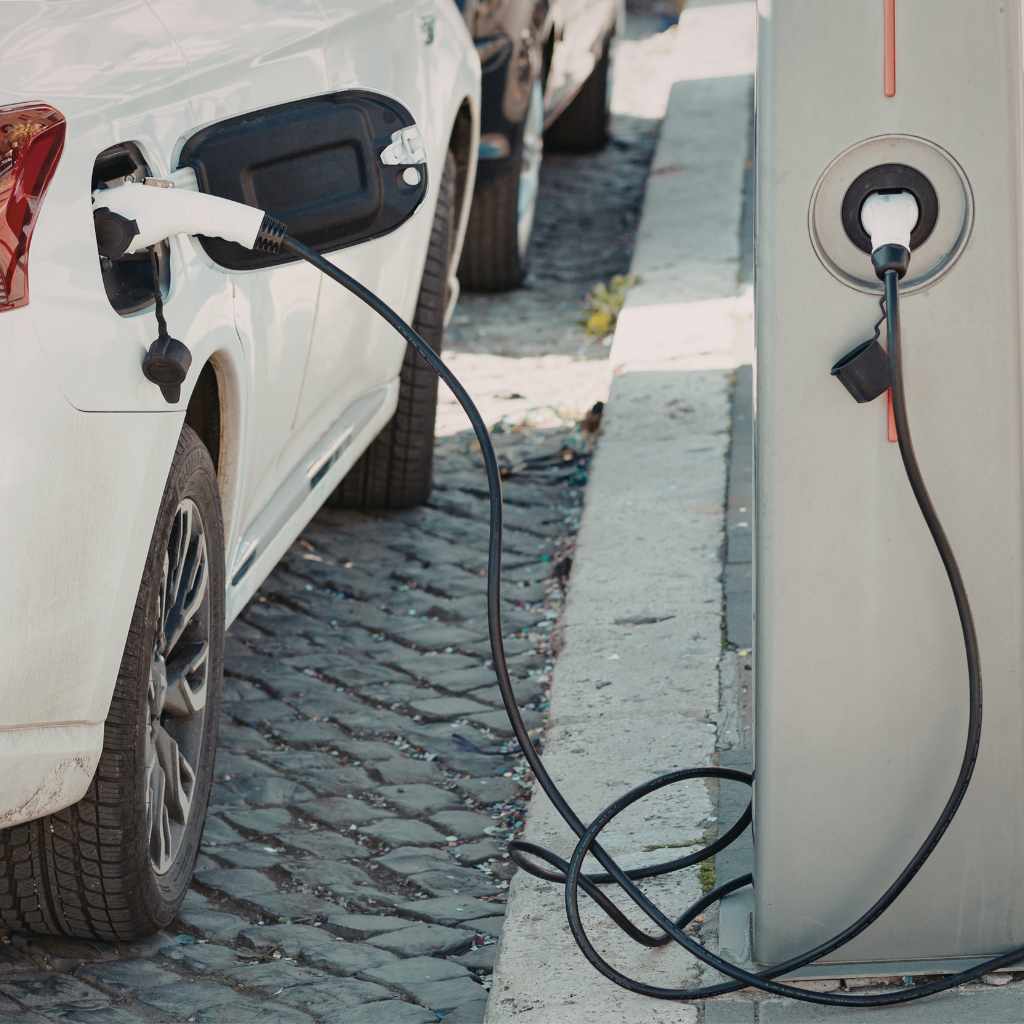
Another big concern is the availability and speed of charging. For those used to quick stops at gas stations, the idea of plugging in an EV and waiting can seem inconvenient.
Availability of Charging Stations
While the number of charging stations is increasing, they are not yet as widespread as gas stations in all areas. This is especially true in rural locations or in certain apartment complexes where dedicated charging might be difficult to install. Finding a charging station, especially one that is working and available, can be a worry for some potential EV owners.
Charging Speeds
Charging an EV takes longer than filling up a gas tank. There are different types of chargers:
- Level 1 Charging This uses a standard wall outlet and is the slowest. It can take many hours, even days, to fully charge a car.
- Level 2 Charging This is what most people install at home or find at public charging stations. It’s faster than Level 1, typically adding 20-30 miles of range per hour.
- DC Fast Charging These are the quickest chargers, often found along highways. They can add a significant amount of range in 20-40 minutes, but they are not available everywhere.
The variation in charging speeds means that a long trip might require careful planning to include charging stops, and these stops will take longer than a quick gas fill-up.
Cost of Electric Cars
The initial purchase price of electric cars is often higher than comparable gasoline-powered vehicles. This upfront cost is a significant barrier for many people.
Upfront Purchase Price
While the technology is becoming more affordable, many popular EV models still carry a premium price tag. This can make them seem out of reach for average consumers who are looking for a budget-friendly option.
Government Incentives and Tax Credits
To help offset the higher cost, many governments offer incentives like tax credits or rebates for purchasing electric vehicles. These can significantly reduce the final price paid by the consumer. However, these incentives can vary by region and may have income limitations or be phased out over time, making the overall cost calculation more complex.
Total Cost of Ownership
When looking at the total cost of owning a car over several years, EVs can sometimes be cheaper. This is because they have lower running costs.
| Factor | Electric Cars | Gasoline Cars |
|---|---|---|
| Fuel | Electricity (generally cheaper per mile) | Gasoline (price fluctuates, generally more expensive per mile) |
| Maintenance | Fewer moving parts, less maintenance (no oil changes, fewer brake replacements due to regenerative braking) | More moving parts, regular maintenance required (oil changes, spark plugs, exhaust systems) |
| Initial Purchase Price | Often higher | Often lower |
Despite the potential for long-term savings, the higher upfront cost remains a major hurdle for many buyers.
Battery Production and Disposal
Concerns also exist around the environmental impact of producing and eventually disposing of EV batteries.
Environmental Impact of Battery Production
The mining of materials like lithium, cobalt, and nickel, which are essential for EV batteries, can have environmental consequences. These can include habitat disruption, water usage, and potential pollution. The energy used in the manufacturing process also contributes to the overall carbon footprint of an EV.
Battery Lifespan and Recycling
EV batteries have a limited lifespan, typically lasting around 8-15 years. What happens to these batteries once they are no longer suitable for use in a car is a question many people have. While battery recycling technology is improving, it is not yet as widespread or efficient as recycling other materials.
This raises concerns about landfill waste and the need for sustainable battery management solutions.
Recycling Efforts and Second Life
Many companies are investing in developing better battery recycling processes. There is also a concept of “second life” for EV batteries, where they can be repurposed for other uses, such as storing energy from solar panels, before they are finally recycled. These efforts aim to reduce the environmental burden associated with EV batteries.
Electricity Grid Capacity
As more people switch to electric cars, there are questions about whether the electricity grid can handle the increased demand.
Increased Electricity Demand
Charging millions of electric vehicles simultaneously, especially during peak hours, could put a significant strain on the existing electricity infrastructure. This could lead to increased electricity prices or even power outages in some areas if the grid is not upgraded.
Grid Modernization and Renewable Energy
Utilities and governments are working on modernizing the grid to accommodate more electric vehicles and renewable energy sources like solar and wind power. Smart charging solutions can also help manage demand by encouraging drivers to charge their cars during off-peak hours when electricity is cheaper and the grid is less stressed.
Perceived Performance and Driving Experience
Some people have misconceptions about how electric cars perform and feel to drive.
Acceleration and Torque
Many EVs offer instant torque, meaning they accelerate very quickly from a standstill. This can be a thrilling experience, but some drivers might prefer the gradual build-up of power from a gasoline engine. The quietness of EVs can also be a point of contention for some, as they miss the traditional engine noise and vibration.
Familiarity with Gasoline Engines
For decades, gasoline engines have been the norm. People are familiar with how they sound, how they feel, and how to maintain them. The transition to electric powertrains requires a shift in mindset and a learning curve for new technologies.
Resource Extraction and Ethics
Beyond the environmental aspects of production, there are ethical considerations surrounding the sourcing of raw materials for batteries.
Labor Practices
Concerns have been raised about the labor conditions in some mines where critical battery minerals are extracted. Issues like child labor and unsafe working environments have been reported, leading some consumers to question the ethical implications of owning an EV.
Geopolitical Supply Chains
The concentration of mining and processing of certain battery materials in a few countries can create geopolitical risks. Reliance on specific regions for these materials can impact supply chains and prices, and raises questions about resource control.
Government Mandates and Personal Choice
Some individuals feel that government mandates pushing for EV adoption limit their personal freedom to choose the type of vehicle they want.
Consumer Freedom
When governments set targets for phasing out gasoline cars or offer strong incentives for EVs, some people feel pressured into adopting the technology rather than making a free choice. They believe that market forces and individual preferences should drive vehicle choices.
Debate over Policy
There’s an ongoing debate about the role of government in steering consumers towards specific technologies. While the goal is often environmental protection, the methods used can be a point of friction for those who value individual liberty and market competition.
Lack of Variety in Models
While the number of EV models is growing rapidly, some consumers still feel that the variety is limited compared to traditional gasoline cars.
Specific Vehicle Types
For certain niche markets or specific needs, the selection of electric vehicles might not yet be as broad. For example, someone looking for a very specific type of truck or a high-performance sports car might find fewer EV options available. This is changing quickly, but it’s still a factor for some buyers.
Availability of Features
Similarly, specific features or trim levels that are common in gasoline cars might not be available in their electric counterparts, or might come at a much higher price point.
Repair and Maintenance Expertise
The specialized nature of electric vehicles means that finding mechanics with the right expertise for repairs can be a challenge.
Specialized Training
EVs have different components and require different diagnostic tools compared to gasoline cars. Not all repair shops are equipped or have technicians trained to work on them. This can lead to longer wait times for repairs and potentially higher labor costs.
Parts Availability
In some cases, specific EV parts might be harder to come by or take longer to order, adding to the inconvenience if a repair is needed.
Frequently Asked Questions
Question: Are electric cars really better for the environment?
Answer: Generally, yes. While the production of EV batteries has an environmental impact, over their lifetime, EVs typically produce fewer greenhouse gas emissions than gasoline cars, especially when charged with electricity from renewable sources. The exact impact depends on the electricity source and battery manufacturing processes.
Question: How long do electric car batteries last?
Answer: Most electric car batteries are designed to last for at least 8 years or 100,000 miles, and often much longer. Many manufacturers offer warranties that cover the battery for these durations.
Question: Can I charge an electric car at home?
Answer: Yes, you can. Most electric car owners charge their vehicles at home overnight using a Level 1 (standard outlet) or Level 2 charger, which is more efficient and faster.
Question: Are electric cars more expensive to insure?
Answer: Sometimes, yes. Insurance costs for electric cars can be higher due to the higher purchase price of the vehicles and the cost of specialized repairs for battery and electric components. However, this can vary significantly by insurer and location.
Question: What happens if an electric car battery needs replacing?
Answer: Replacing an EV battery can be expensive, as they are a significant component of the vehicle. However, battery technology is improving, and costs are expected to decrease. Many batteries are also covered by long warranties, and recycling options are becoming more prevalent.
Final Thoughts
It’s clear that the concerns people have about electric cars stem from a mix of practical issues, cost considerations, and the novelty of the technology. Things like range, charging time, and the initial price are valid points for discussion. However, it’s also important to recognize that these challenges are being actively addressed.
Battery technology is improving, charging networks are expanding, and prices are becoming more competitive. The environmental benefits over the car’s lifespan and the potential for lower running costs are significant advantages that are becoming more apparent as the technology matures. As more information becomes available and more solutions are implemented, the hesitations many people feel are likely to lessen.
Keep exploring the latest developments, and you’ll see how quickly the landscape is changing.