Why Does My Car Fan Keep Turning On And Off? Explained
Your car’s cooling fan is a vital part of the engine’s temperature control system. Its main job is to pull air through the radiator when the vehicle isn’t moving fast enough. This helps keep the engine from overheating.
When your car is driving at higher speeds, the airflow through the radiator is usually enough. The fan doesn’t need to work as hard. But when you’re stopped or moving slowly, like in traffic, the fan kicks in to do the heavy lifting.
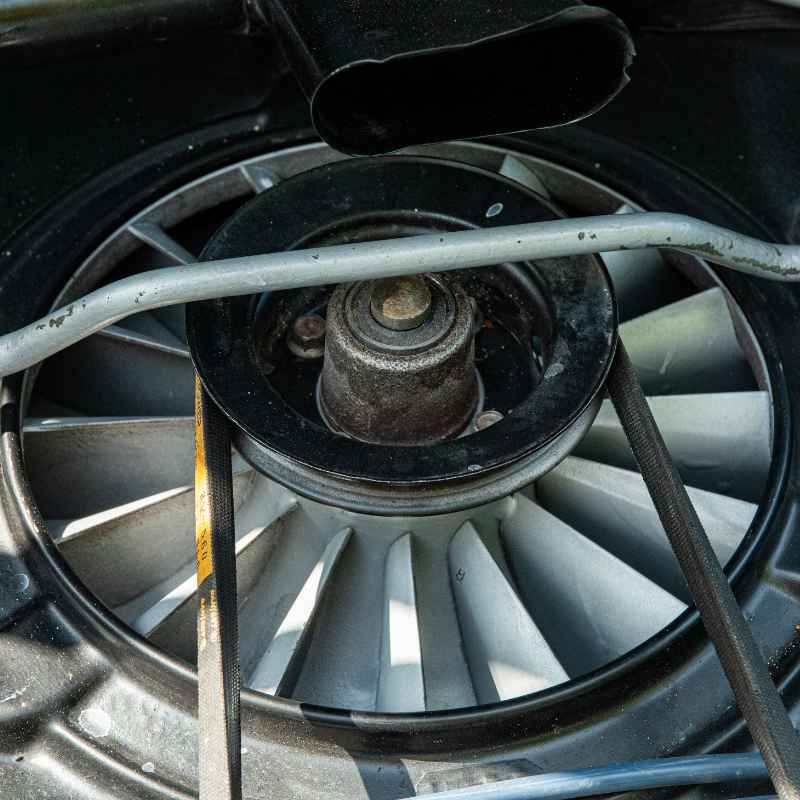
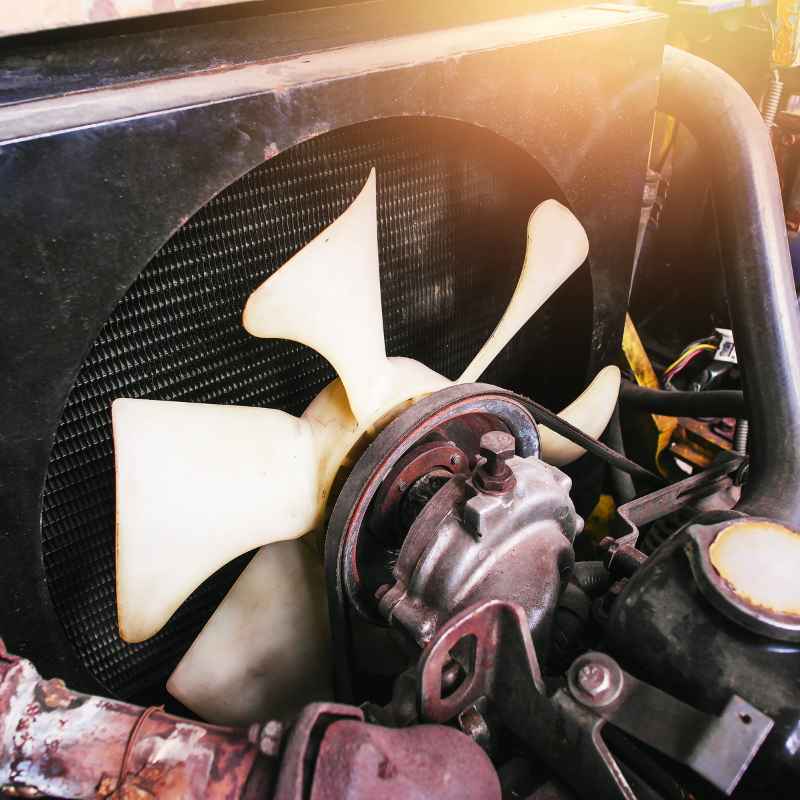
There are usually two main types of cooling fans. Some cars have a mechanical fan. This fan is directly connected to the engine’s crankshaft by a belt.
It spins whenever the engine is running. Other cars use electric fans. These fans are powered by the car’s electrical system.
They are controlled by sensors. This means they only turn on when they are needed. Electric fans are more common today.
They are more efficient and can help save fuel.
The fan’s on-and-off cycling is its way of managing engine temperature. Sensors in the cooling system monitor how hot the engine coolant is. When the coolant reaches a certain temperature, the sensors tell the fan to turn on.
This starts pulling air and cooling things down. Once the temperature drops to a safe level, the sensors tell the fan to switch off. This constant checking and adjusting is what you’re hearing.
This cycling is normal. It’s a sign that your cooling system is working as designed. However, sometimes this behavior can become more frequent or erratic.
That’s when it might point to an issue that needs looking into. It’s about finding that balance between “working hard” and “working too hard.” We’ll explore those nuances.
My Own Close Call With a Fickle Fan
I remember one sweltering summer day in Phoenix. My old sedan started acting up. I was stuck in bumper-to-bumper traffic.
Suddenly, I heard the unmistakable sound of the engine fan. It whirred to life, then stopped. Then it whirred again.
This happened several times in just a few minutes. My heart sank a little. I started to worry about the engine overheating.
The heat was intense, easily over 100 degrees Fahrenheit. The dashboard gauge was creeping up. I felt a wave of panic mixed with annoyance.
Was this going to leave me stranded?
I pulled over as soon as I could. I popped the hood, even though I’m not a mechanic. I just wanted to see if anything looked obviously wrong.
I could feel the heat radiating off the engine. The fan was off, but I could see the radiator’s fins. They looked a bit dirty.
I didn’t know what else to do. I decided to call a roadside assistance service. The technician arrived after about thirty minutes.
He listened to the fan’s behavior. He checked the coolant level. Then he pointed to a small sensor near the radiator.
He said it was faulty. It was sending bad signals about the temperature. This made the fan turn on and off too often.
He replaced the sensor. The fan’s behavior immediately went back to normal. It was a relief.
That experience taught me how sensitive these systems are. Even a small part can cause big changes.
Why Your Car Fan Cycles: The Core Reasons
The most common reason your car fan keeps turning on and off is its job. It’s regulating the engine’s temperature. This is especially true when your car is not moving much.
Think about city driving or sitting in traffic. The airflow through the grille is low. The engine still generates heat.
The fan’s purpose is to create its own airflow. It pulls cool air through the radiator. This lowers the temperature of the engine coolant.
When the coolant gets cool enough, the fan stops. Then, as the engine produces more heat, the coolant warms up again. The fan restarts.
This on-off pattern is normal operation.
Several factors can influence how often your fan cycles. These include the ambient temperature outside. On a hot day, the fan will likely run more often.
Your car’s air conditioning system also plays a role. When the AC is on, it adds extra heat load to the front of the car. This is because of the AC condenser, which sits in front of the radiator.
This extra heat often means the cooling fan needs to work harder. It will cycle more frequently to compensate.
Your driving habits matter too. Stop-and-go traffic is a prime example. Here, the engine works hard.
There’s little airflow. This causes the fan to cycle often. On the other hand, highway driving usually means more consistent airflow.
The fan might run less or stay on for longer periods. It depends on the exact conditions. The car’s computer (ECU) uses data from various sensors.
It decides when to activate the fan. This system is designed to be efficient. It only uses the fan when needed.
There are two main types of fans: electric and engine-driven. The behavior can differ slightly. Engine-driven fans, often older models, have a clutch.
This clutch engages and disengages. It controls how fast the fan spins. Electric fans are more sophisticated.
They have direct control over when they turn on and off. They are typically more efficient. They also respond more quickly to temperature changes.
The Role of Engine Coolant Temperature (ECT) Sensors
The brain behind your car’s fan operation is the Engine Coolant Temperature (ECT) sensor. This small but mighty device constantly measures the temperature of the coolant flowing through your engine. It sends this data to your car’s computer, the Engine Control Unit (ECU).
The ECU then makes decisions based on this information. If the coolant gets too hot, the ECU signals the electric cooling fan to turn on. If the coolant cools down enough, the ECU tells the fan to shut off.
The cycling you hear is precisely this process at work. The sensor detects a high temperature, the fan comes on. The coolant cools, the sensor detects the lower temperature, the fan turns off.
This creates the on-off rhythm. The specific temperature thresholds for activation and deactivation are programmed into the ECU. These are set by the car manufacturer.
They aim to keep the engine within its optimal operating temperature range.
Problems with the ECT sensor itself can cause unusual fan behavior. If the sensor is faulty, it might send incorrect temperature readings. It could tell the ECU the engine is hotter than it is.
This would make the fan run constantly. Or, it might not register a high enough temperature. This could prevent the fan from turning on when it should.
This is a serious problem. It can lead to overheating. Sometimes, a failing sensor might send erratic signals.
This can lead to the fan cycling on and off more rapidly than usual. It’s like a nervous switch.
Air Conditioning System Interaction
Your car’s air conditioning system has a significant impact on the cooling fan. The AC condenser is usually located in front of the radiator. Its job is to release heat from the refrigerant.
When your AC is on, the condenser gets quite hot. It’s also blocking some airflow to the radiator. This extra heat and restricted airflow means the engine is working harder to stay cool.
To help, the electric cooling fan often comes on more frequently when the AC is running. It provides the necessary airflow.
So, if you notice your car fan cycling on and off more often when you have the AC blasting, that’s usually normal. The fan is assisting both the AC condenser and the radiator. It’s a team effort to keep everything cool.
The system is designed to handle this. However, if the fan behavior seems excessive even with the AC off, or if it happens when you wouldn’t expect it, it might be worth investigating.
A refrigerant leak in the AC system could also affect fan operation. If the system is overcharged with refrigerant, it can cause higher pressures. This can put a strain on the system and affect how the fan operates.
It might cause the fan to cycle more than usual. It’s a complex interaction between the cooling and AC systems. They share components and influence each other.
Common Culprits Behind Erratic Fan Behavior
While normal cycling is expected, frequent or unusual on-off patterns can signal underlying issues. A faulty thermostat is a prime suspect. The thermostat is a valve.
It controls the flow of coolant from the engine to the radiator. If it’s stuck closed, coolant can’t reach the radiator. The engine overheats.
The fan will run constantly. If it’s stuck open, coolant flows too freely. The engine might not reach optimal temperature.
This can also mess with the fan’s cycling. It might not turn on when it should.
Low coolant levels are another common problem. If there isn’t enough coolant, the system can’t effectively transfer heat. This can cause the engine to overheat.
The fan will then kick in more often. It’s trying to compensate for the lack of coolant. It’s important to check your coolant level regularly.
Make sure it’s between the MIN and MAX marks on the reservoir. Always check when the engine is cool. Never open a hot radiator cap.
A clogged radiator can also restrict coolant flow. Over time, debris can build up in the radiator’s small tubes. This reduces its ability to dissipate heat.
The coolant gets hotter. The fan has to work harder. This can lead to more frequent cycling.
The radiator might look clean on the outside. But blockages can occur internally. Flushing the cooling system periodically can help prevent this.
Issues with the electric cooling fan itself can cause problems. The fan motor could be failing. It might be struggling to maintain a consistent speed.
Or, the fan relay or fuse could be bad. These electrical components control power to the fan. If they malfunction, the fan might not get the right amount of power.
It could behave erratically. Sometimes, the fan blades themselves might be damaged or bent. This can affect the amount of air they move.
It can also cause noise.
Quick Fan Check: What to Look For
- Coolant Level: Is it between the minimum and maximum marks?
- Radiator Condition: Are the fins blocked by debris?
- Belts (if applicable): Are they tight and in good shape?
- Fan Operation: Does it spin freely by hand (when the engine is cold)?
- Dashboard Lights: Any warning lights illuminated?
These are basic checks. They can give you clues. But for complex issues, professional help is often best.
Problems with the Fan Clutch (Engine-Driven Fans)
If your car has a mechanical fan connected by a belt, it likely uses a fan clutch. This clutch is designed to engage and disengage the fan. It controls how fast the fan spins relative to the engine speed.
When the engine is cold, the clutch disengages. The fan spins slowly. This saves energy and reduces noise.
As the engine warms up, the clutch engages more. The fan spins faster. This pulls more air through the radiator.
A faulty fan clutch is a common cause of fan issues in older vehicles. If the clutch is worn out, it might not engage properly. This means the fan spins too slowly.
It won’t provide enough cooling. You might notice the engine temperature rising, especially at low speeds. The fan might seem to be running, but not effectively.
Conversely, a clutch that stays engaged all the time can be a problem. This means the fan is always spinning at high speed. It will run constantly, even when the engine is cool.
This wastes fuel. It can also make excessive noise. In some cases, a failing clutch might engage and disengage erratically.
This can lead to the on-off cycling you’re hearing. It’s like a faulty dimmer switch.
Diagnosing a fan clutch issue often involves checking for wobble or excessive play. A mechanic can also test its engagement. They might try to spin the fan by hand when the engine is off.
A properly functioning clutch will offer some resistance. It shouldn’t spin freely or be completely locked. The fan clutch is a critical component for mechanical fan systems.
Its proper function is essential for efficient engine cooling.
Electrical System Glitches
For cars with electric cooling fans, the electrical system is paramount. The fan receives power through a series of components. These include fuses, relays, and wiring harnesses.
Any one of these can develop problems. A blown fuse is a simple issue. It will prevent the fan from running at all.
A faulty relay, which acts like a switch, can cause the fan to work intermittently. It might turn on and off unexpectedly.
Wiring issues are also common. Corroded connectors or frayed wires can disrupt the electrical signal. This can lead to the fan not receiving consistent power.
The fan motor itself can also fail. Motors wear out over time. They might start to seize or lose power.
This can cause erratic behavior, like the on-off cycling you’re experiencing.
The control module for the fan, often part of the ECU or a separate module, could also be the source of the problem. If this module malfunctions, it can send incorrect signals. This can lead to the fan operating outside of its normal parameters.
It’s like the fan’s boss is giving bad instructions. The complexity of these electrical systems means troubleshooting can be challenging. It often requires specialized diagnostic tools.
Electric Fan Components to Check
- Fuses: Verify they are intact.
- Relays: Swap with a known good one if possible.
- Wiring: Look for damage or corrosion.
- Fan Motor: Check for power at the motor connector.
- Control Module: Requires advanced diagnostics.
These are starting points for understanding where the problem might lie.
Real-World Scenarios: When Does Fan Cycling Matter?
The environment your car operates in significantly influences fan behavior. In hot, humid climates, like the American South, engine temperatures tend to rise more quickly. This means your cooling fan will likely engage more often.
It’s working overtime to keep things cool. Stop-and-go traffic in these regions is especially tough on the cooling system. The constant idling and minimal airflow put a lot of stress on the fan.
Conversely, in cooler, drier climates, the fan might run less frequently. Mountainous terrain can also affect cooling. Driving uphill requires more engine power.
This generates more heat. The fan might engage more during these climbs. Driving downhill uses less power.
The engine cools down. The fan might cycle off.
Your car’s design also plays a role. Some vehicles are designed with more robust cooling systems than others. Performance cars, for instance, often have larger radiators and more powerful fans.
This is to handle the extra heat generated by high-performance engines. Everyday sedans and compact cars have cooling systems designed for typical driving conditions.
User behavior is a big factor too. If you often drive in extreme conditions—like towing a heavy trailer, driving off-road, or spending a lot of time idling in traffic—your fan will work harder. It will cycle more.
Understanding these real-world contexts helps you distinguish between normal operation and potential issues. It’s about matching the fan’s behavior to the demands placed on the engine.
What This Means For You: Normal vs. Concerning
Knowing when your car fan’s cycling is normal is crucial. It’s normal when it directly relates to engine temperature. You hear it kick on when the engine is warm.
It shuts off when the engine cools. This is especially true in hot weather. It’s also normal when it runs more frequently with the air conditioning on.
The AC adds heat. The fan compensates. Driving in heavy traffic is another situation where increased cycling is expected.
When should you worry? If the fan runs constantly, even when the engine is cold, that’s a concern. It could point to an electrical issue or a faulty sensor.
If the fan never seems to turn on, even when the engine is getting very hot, that’s a major problem. This can lead to severe engine damage from overheating. Another sign to watch for is if the fan seems to be making unusual noises.
This could indicate bearing problems or damage to the fan blades.
Pay attention to your car’s temperature gauge. If it’s climbing into the red zone, and the fan isn’t running (or isn’t running effectively), you need to stop driving immediately. Pull over safely.
Continuing to drive can cause significant damage. Also, if the fan cycles on and off very rapidly, almost like a stutter, this can indicate a problem. It suggests the system is struggling to maintain a stable temperature.
Quick Scan: Fan Behavior Check
- Normal: Cycles on when engine hot, off when cool. More often with AC. More often in traffic.
- Concerning: Runs constantly when cold. Never runs when hot. Cycles very rapidly. Makes strange noises. Temperature gauge in red.
Trust your gut. If something feels off about your car’s fan, it’s worth a closer look.
Simple Checks and Quick Fixes
The first and simplest thing you can do is check your coolant level. Make sure it’s within the recommended range. You can usually see the level in a translucent reservoir.
If it’s low, add the correct type of coolant. Your car’s manual will tell you what to use. Do this only when the engine is cool.
Another easy check is to look at the front of your radiator. Are leaves, dirt, or bugs blocking the fins? If so, gently rinse them away.
You can use a hose with low pressure. Be careful not to bend the delicate fins. This can improve airflow.
It helps the radiator do its job better.
For electric fans, check the fuses and relays. Your car’s owner’s manual will show you where these are located. It will also tell you which ones relate to the cooling fan.
Sometimes, a fuse might blow. Replacing it is a straightforward fix. If a relay is suspect, you might be able to swap it with a similar, known-good relay from another circuit.
This can help you diagnose a bad relay.
If you have an engine-driven fan, check the serpentine belt. This belt drives many engine components, including the fan (in some setups) and the water pump. Make sure the belt is tight and doesn’t have cracks.
A loose or damaged belt can affect fan performance.
These are basic maintenance steps. They can often resolve minor issues. However, if you’re not comfortable performing these checks, or if the problem persists, it’s time to consult a qualified mechanic.
They have the tools and expertise to diagnose more complex problems accurately.
DIY Fan Fix Guide (Basic)
1. Check Coolant: Always when cool. Top up if needed.
2. Clean Radiator: Gently remove debris from fins.
3. Inspect Fuses/Relays: Refer to owner’s manual.
4. Examine Belts: Look for wear and tension.
5. Listen for Noises: Grinding or squealing can indicate issues.
Remember, these are for simple issues. Never attempt repairs beyond your skill level.
Frequently Asked Questions About Car Fans
Why does my car fan turn on when I start the engine?
Sometimes, the car’s computer might briefly run the cooling fan when the engine starts. This can be part of a self-test. Or, it might be to help bring the engine up to temperature faster.
This is usually only for a very short time. If it runs for a long time, there might be an issue.
How often should my car fan cycle on and off?
There’s no exact number. It depends heavily on the outside temperature, AC usage, and driving conditions. In very hot weather or heavy traffic, it might cycle more frequently.
On a cool day with highway driving, it might cycle rarely or stay off. Constant cycling or no cycling are signs to investigate.
Can a bad radiator cap cause fan issues?
Yes, a faulty radiator cap can cause problems. The cap maintains pressure in the cooling system. This raises the boiling point of the coolant.
If the cap is bad, the system might not pressurize correctly. This can lead to overheating. It can also affect how the cooling fan operates.
The system might not reach the temperature where the fan is supposed to cycle normally.
My fan only comes on when the AC is running. Is that normal?
Yes, this is often normal. The AC condenser creates extra heat. It sits in front of the radiator.
The fan needs to run to help cool both the condenser and the radiator. If the fan only runs with the AC on, but not when the engine gets hot without the AC, check your ECT sensor and thermostat. It might be a sign those components are borderline.
What happens if I ignore a fan problem?
Ignoring a cooling fan issue can lead to severe engine damage. Overheating can warp cylinder heads. It can damage the head gasket.
It can even seize the engine. This results in very expensive repairs. It’s always best to address fan problems promptly.
Can I drive my car if the cooling fan is not working?
It depends. If the fan is not working at all and you are in a situation where the engine will overheat (like traffic or hot weather), you should not drive. If it’s a cool day and you’re driving at highway speeds with good airflow, you might be able to drive for a short distance.
However, it’s risky. Monitor your temperature gauge constantly. It’s best to get it fixed right away.
Driving without a working fan can quickly cause catastrophic engine damage.
Wrapping Up: Keeping Your Cool
The on-again, off-again behavior of your car’s cooling fan is usually a sign of its diligent work. It’s a vital part of keeping your engine at its best. Understanding the common causes, from normal temperature regulation to potential electrical glitches, can save you worry and money.
Regular checks of coolant levels and keeping the radiator clear are simple steps. They can prevent bigger problems down the road.
Don’t hesitate to consult a trusted mechanic if you notice unusual patterns. They can perform detailed diagnostics. They ensure your cooling system is in top shape.
A little attention can go a long way. It helps keep your car running smoothly and reliably, no matter the weather or traffic.
80008
Products related to this article
Sponsored / affiliate links. As an Amazon Associate I earn from qualifying purchases. I may earn additional commission from eligible campaigns.