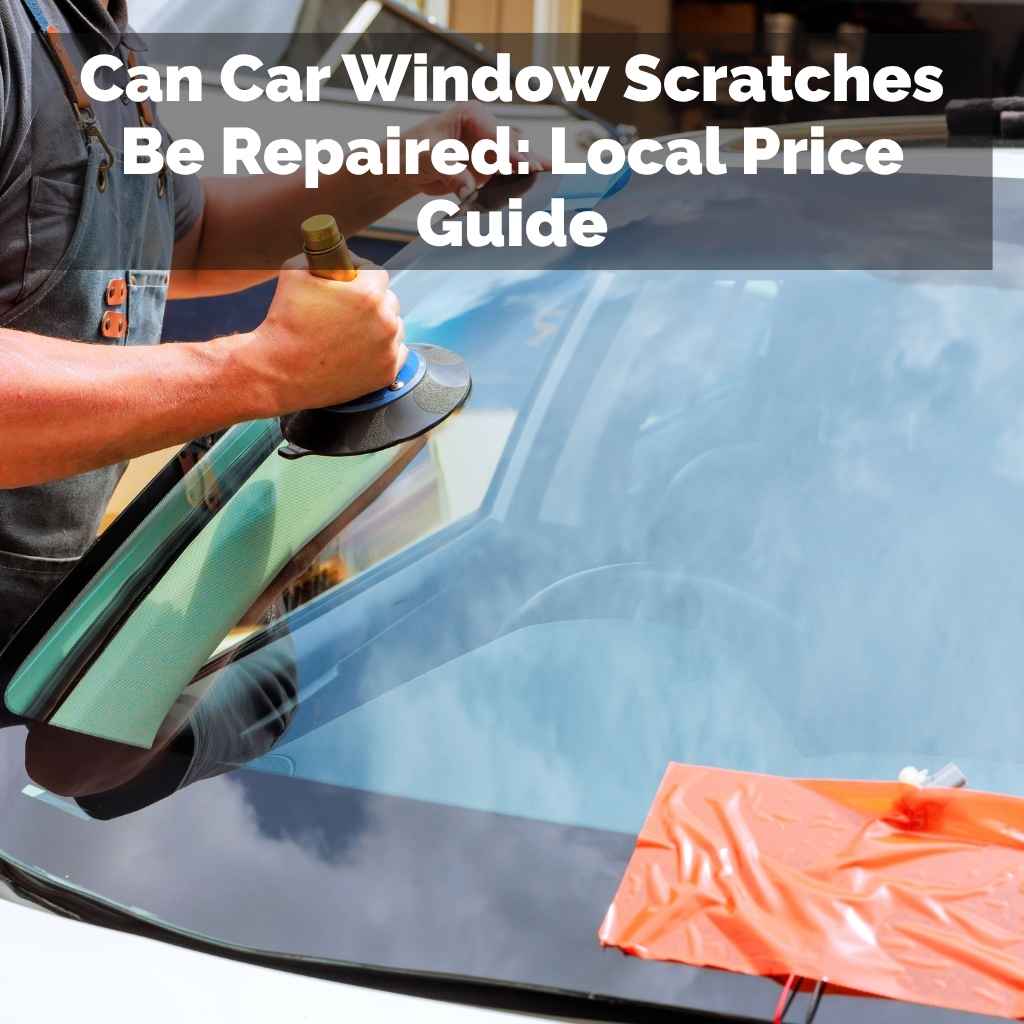
Can Car Window Scratches Be Repaired? Cost & DIY Options
Yes, most car window scratches can be repaired — light surface scratches with a cerium oxide polish or DIY kit, and windshield chips with resin injection for $70-150. Deep scratches you can catch with a fingernail usually need professional buffing or replacement, especially on tempered side glass. Florida, Kentucky, and South Carolina require insurers to waive the deductible for chip repairs. This guide covers repair options by scratch depth, real local pricing, and when replacement is the only safe fix.
Quick Answer
Yes — light and moderate scratches can be repaired. Surface scratches respond well to a cerium oxide polish or DIY glass repair kit. Windshield chips are fixed with resin injection for $70–150, often at no deductible in Florida, Kentucky, and South Carolina. Deep scratches on tempered side windows usually need professional buffing or full replacement.
Types of Car Window Scratches
Not all scratches are created equal when it comes to car windows. The material of the glass, typically tempered for side and rear windows, and laminated for windshields, plays a big role. Windshields, being laminated, have two layers of glass with a plastic layer in between, making them more prone to chip repair than full
Surface scratches are usually very light and might only be visible when the sun hits them just right. These are often the best candidates for repair. Deeper scratches, where you can feel a distinct groove with your fingernail, are more challenging.
If the scratch is deep enough to catch your nail, it might penetrate beyond the surface layer, making a perfect repair more difficult or even impossible for DIY methods. Professional services have specialized tools and resins that can handle more significant damage.
Can Scratches Be Repaired
Yes, many car window scratches can be repaired, especially those that are superficial. The success of the repair often depends on the depth and type of scratch, as well as the type of glass. Light scratches can often be buffed out or filled with specialized repair kits.
Deeper scratches might require professional attention, where technicians use advanced techniques and materials to restore the glass’s clarity and strength. It’s important to address scratches early before they worsen or lead to more significant issues.
For windshields, chips and cracks are commonly repaired using resin injection. This process fills the damaged area, preventing the damage from spreading and restoring structural integrity. For side and rear windows, repairs are less common for scratches, and replacement is often the preferred solution for deeper damage due to the nature of tempered glass.
However, very minor surface abrasions on any window can sometimes be polished out.
-
- Surface-level scratches: These are often fixable with polishing compounds.
These are the easiest to deal with. Think of them like a scuff on paintwork; they haven’t gone deep into the material. Many DIY kits or even mild abrasive polishes can help remove or lessen their appearance.
This means you might not need a costly professional service for these minor blemishes.
-
- Scratches you can feel with your fingernail: These are more challenging.
If your fingernail catches in the scratch, it means the damage has some depth. While some repair kits might improve their look, a perfect, invisible repair might not be achievable without professional help. These scratches can compromise the glass’s strength over time if left unaddressed.
-
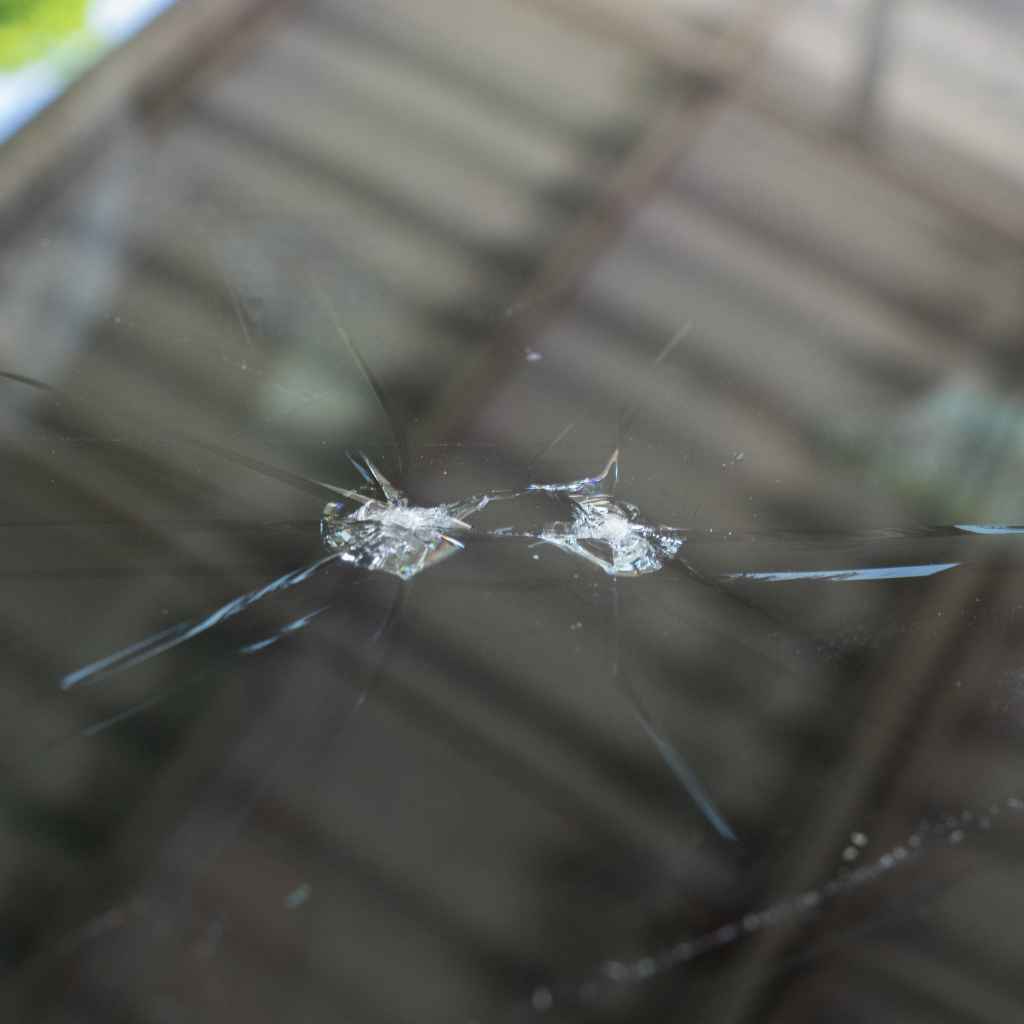
- Deep gouges or cracks: These usually require replacement.
When the scratch is very deep, like a long cut, or if it’s a crack, repairing it to its original state is often not feasible. The glass might have lost too much material, or the damage could be spreading. In these cases, replacing the entire window is usually the safest and most effective solution.
Factors Affecting Repairability
Several factors influence whether a car window scratch can be repaired. The most critical is the depth of the scratch. A scratch that you can feel with your fingernail is generally considered too deep for a perfect DIY repair.
The location of the scratch also matters. Scratches in the driver’s line of sight on the windshield are particularly problematic. Regulations often require that these areas be free from damage that could impair visibility, meaning repair might be mandatory or replacement the only option.
The type of glass is another key factor. As mentioned, laminated windshields are more amenable to chip and crack repair than tempered side and rear windows. Tempered glass is designed to break into small, relatively safe pieces when damaged, which makes it less suitable for filling deep scratches without potentially compromising its integrity.
The age and condition of the glass can also play a role; older glass might be more brittle and prone to further damage during a repair attempt.
Local Price Guide For Car Window Scratch Repair
Understanding the cost of repairing car window scratches is essential for making a decision. The price can vary significantly based on the extent of the damage, the type of repair needed, and where you live. This section provides a local price guide to help you budget for potential repairs.
We’ll break down typical costs for different scenarios and explain what influences these prices. Knowing what to expect financially can help you decide whether to proceed with a repair or consider replacement.
Typical Repair Costs
The cost for repairing minor to moderate car window scratches can range from $50 to $200. This is for professional services that use specialized tools and resins. For very minor, superficial scratches that can be polished out, some detailers might offer this service for around $50-$100.
If the scratch requires filling with resin, especially on a windshield, the cost will likely be in the $100-$200 range. This type of repair is common for chips and small cracks that haven’t spread.
For deeper scratches or those in more difficult locations, the cost can increase. Some services might charge an hourly rate, which can push the total higher. If multiple scratches need attention, you can expect the price to be cumulative.
It’s always a good idea to get a few quotes from different local auto glass shops to compare prices and services. A written estimate is also beneficial for understanding exactly what is included in the repair.
| Type of Damage | Estimated Cost Range (USD) | Notes |
|---|---|---|
| Minor Surface Polish | $50 – $100 | For very light scratches, often done by auto detailers. |
| Windshield Chip/Crack Repair (Resin Fill) | $100 – $200 | Standard for windshield damage, prevents spreading. |
| Deeper Scratch Repair (Professional) | $150 – $300+ | May depend on complexity and glass type. |
| Replacement (Side/Rear Window) | $250 – $600+ | Often more cost-effective for deep scratches on tempered glass. |
These figures are general estimates. Actual prices can vary based on your geographic location, the specific make and model of your car, and the shop you choose. For example, a repair in a major city might cost more than in a smaller town.
Shops specializing in auto glass might have different pricing structures than general auto repair shops.
Factors Influencing Price
The price of repairing a car window scratch is influenced by several key factors. The depth and length of the scratch are primary determinants. Deeper, longer scratches require more material and time to repair, thus increasing the cost.
The type of glass also plays a role; windshield repair is often priced differently than attempts to repair scratches on side or rear windows. Windshield repair kits and resins are specifically formulated for laminated glass.
The labor involved is another major price influencer. Some scratches are quick fixes, while others require more intricate work and multiple steps. The technician’s experience and the tools they use contribute to the overall expense.
Additionally, the brand and quality of the repair materials used can affect the cost. High-quality resins and polishing compounds may be more expensive but can yield better results.
The location of the shop also affects pricing. Auto glass repair services in high-cost-of-living areas will typically charge more than those in lower-cost regions. The reputation and specialization of the auto glass company can also influence their pricing.
Finally, whether the repair is a standalone service or part of a larger auto detailing package can impact the final bill. It’s wise to confirm if the quote includes a guarantee or warranty.
-
- Labor Costs:
Technicians need specific skills and tools to repair glass. This specialized labor isn’t always cheap. A highly skilled technician can charge a premium for their expertise.
The time spent on the repair also directly correlates with labor costs. Simple buffing might take 30 minutes, while resin filling could take over an hour.
-
- Materials and Tools:
Professional auto glass repair uses special resins, fillers, and polishing compounds. These are not your average household products. They are formulated to bond with glass and cure properly, often under UV light.
High-quality tools like drills, vacuum pumps, and specialized buffers are also part of the equipment investment for repair shops, which gets passed on in pricing.
-
- Type of Glass:
Windshields are laminated and can often be repaired. Side and rear windows are usually tempered glass, which is harder to repair for scratches without risking damage. Repairing tempered glass scratches is less common, and replacement is frequently recommended, which has its own cost.
-
- Severity of Damage:
A light polish is cheaper than a deep scratch fill. The more extensive the damage, the more complex and time-consuming the repair will be, leading to higher costs. Multiple scratches on one window will also increase the overall price compared to a single scratch.
DIY Car Window Scratch Repair Kits
For those who prefer a hands-on approach, DIY car window scratch repair kits offer a potential solution. These kits are designed for minor damage and aim to provide a cost-effective alternative to professional services. We’ll explore what these kits typically contain, how they work, and what you can realistically expect from them.
It’s important to have clear expectations when attempting DIY repairs to avoid disappointment or further damage.
What’s In A DIY Kit
Most DIY car window scratch repair kits are designed to address light to moderate surface scratches. They usually include a polishing compound, which is a mild abrasive substance. Some kits might also come with applicator pads, a small buffer or polishing wheel, and sometimes even a resin filler for very fine cracks or chips.
The idea is to gently remove a thin layer of glass around the scratch, effectively smoothing out the imperfection.
These kits often contain instructions that guide you through the process. It’s crucial to follow them precisely. The compounds are typically cerium oxide-based, a common polishing agent for glass.
Some more advanced kits might include UV-curing resin for minor chips, similar to professional methods but on a smaller scale. Always check the kit’s specifications to understand what type of damage it’s intended to fix.
-
- Polishing Compound:
This is the main ingredient. It’s a fine abrasive that, when rubbed against the glass, can buff out shallow scratches. Think of it like sandpaper for glass, but much, much gentler.
The compound helps to level the surface by removing microscopic amounts of glass around the scratch.
-
- Applicator Pads or Cloths:
You’ll need something to apply and work the compound into the scratch. Kits usually provide microfiber cloths or special foam applicators for this purpose. Using the right tool ensures even application and prevents introducing new scratches.
-
- Drill or Buffer Attachment:
Some kits come with a small attachment that fits onto a standard drill or a dedicated mini buffer. This helps to create the friction and speed needed to effectively polish the glass. Without this, manual buffing can be very time-consuming and less effective for anything beyond the faintest scratches.
-
- Resin Filler (in some kits):
More comprehensive kits might include a clear resin. This is used to fill very small chips or hairline cracks. The resin hardens, often with UV light, and helps to restore the integrity and clarity of the glass in that specific spot.
How DIY Kits Work
DIY car window scratch repair kits generally work by abrasion and filling. For surface scratches, the primary method involves using a polishing compound. This compound is applied to the scratched area and then rubbed vigorously, often with a power tool attachment, to gradually wear down the edges of the scratch.
The goal is to make the scratch level with the surrounding glass surface.
For kits that include resin, the process is a bit different. First, the scratch or chip needs to be cleaned thoroughly. Then, the resin is injected into the damaged area, often using a suction cup device to draw it in and ensure full coverage.
Once filled, the resin is typically cured using UV light, which hardens it and makes it blend more seamlessly with the glass. This process can help prevent the damage from spreading and restore some of the glass’s original strength.
It’s important to note that these DIY kits are best suited for very minor imperfections. They are not designed to fix deep gouges or large cracks. Attempting to repair damage beyond the scope of the kit’s capabilities can lead to disappointment, wasted money, or even more significant damage to the glass.
Always start with the least abrasive method and proceed cautiously.
When to Call a Professional
While DIY kits can be helpful for minor scratches, there are clear signs that you should call a professional. If the scratch is deep enough to catch your fingernail, it’s likely too severe for a DIY kit. Such scratches can compromise the structural integrity of the glass, and attempting to repair them yourself could make them worse.
Scratches located directly in the driver’s line of sight on the windshield are also a critical concern. Even a slight distortion from a DIY repair in this area can be a safety hazard and may not meet legal requirements for clear visibility. If you have multiple scratches, or if the scratch is accompanied by a chip or crack that seems to be spreading, professional intervention is almost always necessary.
Furthermore, if you’re unsure about the process or the type of damage you’re dealing with, it’s best to err on the side of caution and seek expert advice. Professionals have access to advanced tools and materials, and their expertise ensures the best possible outcome, whether it’s a repair or recommending replacement.
What most DIY kits don’t tell you: the active ingredient doing the actual work is cerium oxide — a fine mineral abrasive that gently polishes down the glass surface around a scratch until it’s level again. It’s the same compound opticians use to polish lenses. If a kit lists only a generic “polishing compound,” check the label; cerium oxide-based kits outperform generic rubbing compounds on glass specifically because the abrasive grain is soft enough not to introduce new micro-scratches while it works.
“The biggest mistake we see is people trying to polish out a scratch that’s deep enough to catch a fingernail. On tempered side glass especially, that’s not a polish job — that’s a replacement, because you’re not removing the scratch, you’re grinding a divot around it and creating a weak spot.”
— Md Meraj, The Daily Automotive
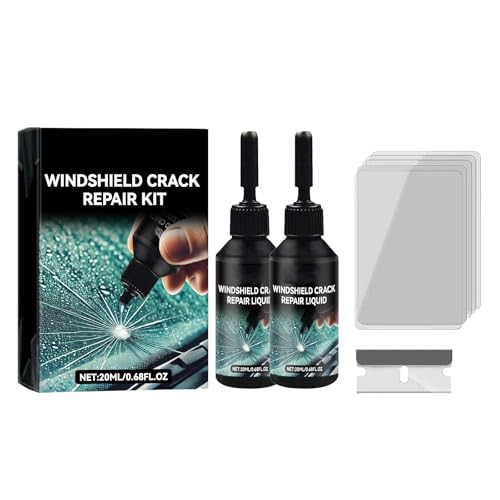
Our Pick: Windshield & Glass Scratch Repair Kits
Rain-X 600001 Windshield Repair Kit – Quick and Easy Durable Resin Based Windshi
Best for: Windshield chips and small cracks — resin injection stops the spread before it reaches the driver’s line of sight.
- Stops The Spread of Chips and Cracks – Rain-X Windshield Repair Kit Helps You Minimize The Appearance And Stop
- Easy To Use – Everything You Need Is Included, Takes Only Minutes With Minimal Steps. For Cracks Simply Apply
Main drawback: Only rated for chips under 1″ and cracks under 12″ — larger damage still needs a professional.
View Our Pick on Amazon — $12.67
 Best for surface scratches SHMZK 10 PCS Glass Polishing Kit, Windscreen Glass Scratch Removal Kit Cerium oxide is the same compound used in optical lens polishing Check on Amazon — $14.09 |
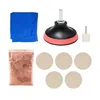 Best budget option SWPHRT 9PCS Car Glass Polishing Kit, Windshield Scratch Removal Set fo Full 9-piece kit works on light scratches and water-spot etching Check on Amazon — $11.99 |
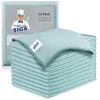 Best for prevention MR.SIGA Ultra Fine Microfiber Cloths for Glass, Pack of 12, 35 x 40cm Lint-free cloths reduce the swirl marks that turn into scratches over time Check on Amazon — $22.99 |
Professional Auto Glass Repair Services
When DIY solutions fall short or the damage is significant, professional auto glass repair services are the way to go. These services offer specialized expertise and equipment to tackle a wide range of glass damage, from minor chips to extensive scratches. This section will delve into what these services entail, how they operate, and why they are often the best choice for maintaining the safety and appearance of your vehicle’s glass.
The Repair Process
Professional auto glass repair often begins with a thorough inspection of the damage. Technicians will assess the depth, length, and location of the scratch or chip to determine the best course of action. For windshields, common repair techniques involve using a specialized resin that is injected into the damaged area under pressure.
This resin fills the void, bonds the glass fragments, and prevents the damage from spreading.
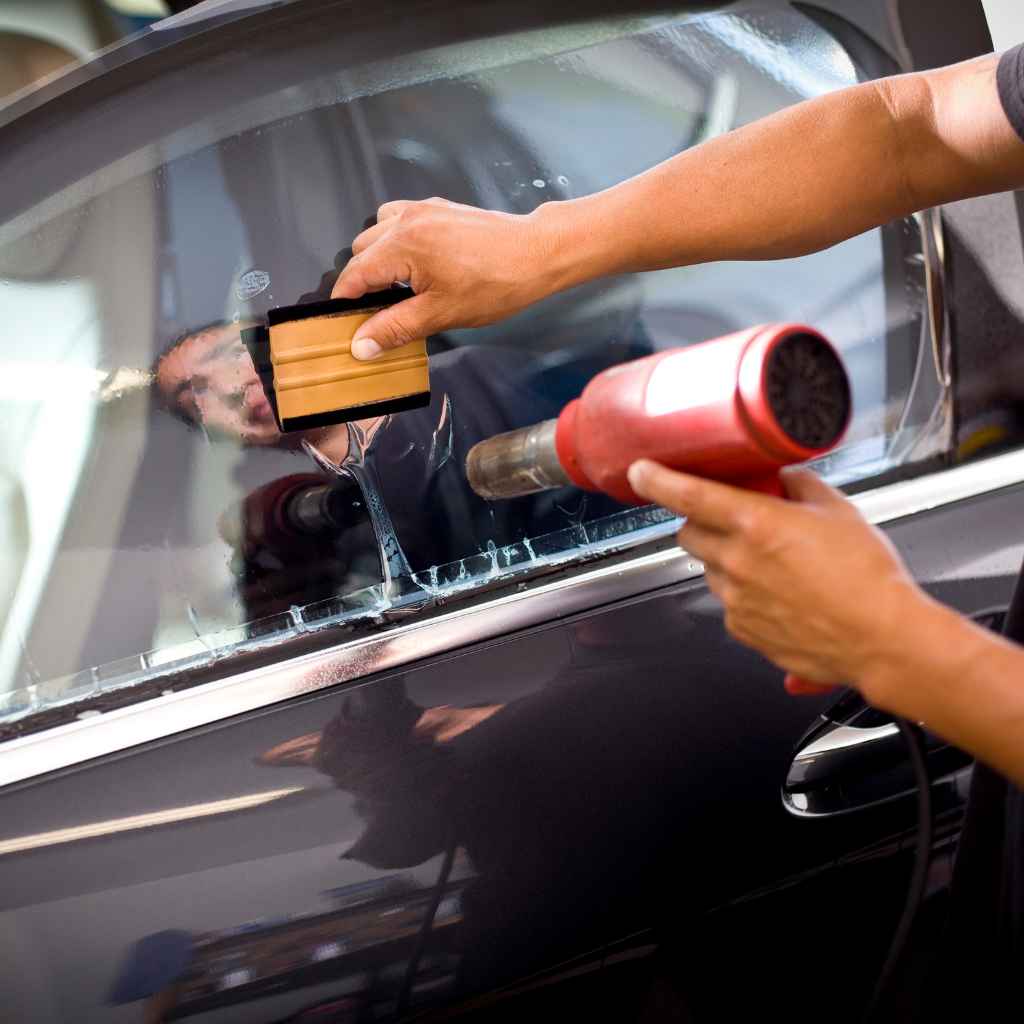
The resin is typically cured using ultraviolet (UV) light, which hardens it and restores clarity to the glass. This process not only improves the appearance but also restores the structural integrity of the windshield. For very light scratches that can be polished out, professionals use high-speed buffers and fine polishing compounds that are much more effective than what’s available in consumer kits.
For side and rear windows, deep scratches are less commonly repaired due to the nature of tempered glass. In most cases of significant damage to these windows, replacement is the recommended and most practical solution. Professionals are skilled at safely removing and replacing these panels to ensure a perfect fit and seal.
-
- Inspection and Assessment:
The first step is always a careful look at the damage. A professional will check the size, depth, and location. They will also determine the type of glass and whether a repair is feasible or if replacement is necessary.
-
- Cleaning the Area:
Before any repair work begins, the damaged area must be perfectly clean. Any dirt, debris, or moisture can interfere with the bonding of the repair material and compromise the final result. Technicians use specialized cleaning solutions for this.
-
- Resin Injection (for chips/cracks):
A special resin is carefully injected into the damaged area. This is done using tools that create a vacuum to draw out air and then fill the space completely with the liquid resin. This helps the resin penetrate all parts of the damage.
-
- Curing the Resin:
Once the resin is in place, it’s cured. This is usually done with a UV light. The UV light causes the resin to harden, creating a strong bond that seals the damage and makes the area clear again.
This step is crucial for a lasting repair.
-
- Polishing and Finishing:
After curing, the repaired area is often polished to a smooth finish. This removes any excess resin and ensures that the repaired spot is as invisible as possible. The goal is to make the glass look as close to its original condition as possible.
When Replacement is Necessary
There are instances where repairing a car window scratch or chip is simply not possible or advisable. Replacement becomes the necessary option when the damage is too extensive. For instance, if a scratch spans a significant portion of the window, or if it’s so deep that it compromises the glass’s structural integrity, repair is unlikely to be effective or safe.
Chips or cracks that have spread significantly, especially across the driver’s line of sight, almost always require replacement. Small chips can often be repaired, but once they begin to spiderweb or lengthen, the damage is usually too widespread for a successful resin fill. Tempered glass in side and rear windows is particularly prone to requiring replacement for anything more than a very superficial scratch, as repairs can be unreliable and potentially weaken the glass.
Safety is the primary concern when deciding between repair and replacement. A compromised window can pose a significant risk in the event of an accident. Auto glass professionals are trained to assess these risks and will recommend replacement when repair would not guarantee the same level of safety and performance as a new window.
They also consider the aesthetic outcome; if a repair will still leave a visible blemish that bothers the owner, replacement might be the preferred route.
A common statistic from the National Highway Traffic Safety Administration (NHTSA) indicates that a damaged windshield can be up to 45% weaker in a rollover accident if not repaired. This underscores the importance of making the right choice. If your windshield has multiple chips or a large crack, it’s not just about appearance; it’s about your safety and the safety of your passengers.
Choosing A Reputable Service
When seeking professional auto glass repair, choosing a reputable service is crucial. Look for established businesses with good online reviews and a strong local presence. Ask for recommendations from friends, family, or colleagues.
A reputable company will be transparent about their pricing, the repair process, and any warranties they offer.
Check if the service is certified by industry organizations. Certifications indicate that technicians have undergone proper training and adhere to high standards. A good service will also offer a mobile service option, where they can come to your home or workplace, making the process more convenient.
Always get a written estimate before agreeing to any work, and ensure it clearly outlines the services to be performed and the total cost.
Maintaining Your Car’s Glass
Keeping your car’s windows in good condition involves more than just occasional repairs. Regular maintenance can help prevent scratches and chips from occurring in the first place, saving you time and money in the long run. This section offers practical advice on how to care for your car’s glass to keep it looking its best and functioning optimally.
Preventing Scratches
Preventing scratches on your car’s windows starts with careful cleaning practices. Always use clean microfiber cloths designed for automotive use. When washing your car, start with the windows after the main body has been rinsed to avoid transferring grit from the paintwork onto the glass.
Use a dedicated automotive glass cleaner and avoid harsh chemicals or abrasive materials.
Be mindful when using ice scrapers in the winter; opt for plastic ones and avoid aggressive scraping that could scratch the glass. Parking your car away from trees or areas where branches might fall can also reduce the risk of impact scratches. If you use a car cover, ensure it’s clean and soft to prevent abrasion when you put it on or take it off.
Small habits can make a big difference in preserving your car’s glass.
Here are some key tips for prevention:
-
- Use the Right Cleaning Tools:
Always use soft, clean microfiber towels specifically designed for car cleaning. Avoid paper towels or rough rags, as they can leave fine scratches over time. Make sure your washing mitt and buckets are also free of grit.
-
- Gentle Washing Techniques:
When washing, rinse your car thoroughly first to remove loose dirt. Then, wash from top to bottom, using plenty of car wash soap and water. For windows, use a dedicated glass cleaner and a separate clean microfiber cloth to avoid cross-contamination with grit from the car body.
-
- Careful Ice and Snow Removal:
In winter, use a soft-bristle ice scraper or a de-icing spray. Avoid using hard plastic or metal scrapers directly on the glass, as these can easily cause scratches. Gently brush snow off the windows rather than wiping with a dry cloth.
-
- Avoid Abrasive Products:
Never use abrasive cleaners or scouring pads on your car windows. These will damage the glass surface and create widespread micro-scratches that diminish clarity.
-
- Mindful Parking:
Try to park away from trees that might drop sap or branches, and avoid areas where construction debris might fall. Even small debris can cause scratches if it blows onto your car and is then wiped.
Regular Cleaning Benefits
Regularly cleaning your car windows offers several benefits beyond just aesthetics. It significantly improves visibility, which is critical for safe driving. Clean windows allow you to see road signs, other vehicles, and pedestrians clearly, especially at night or in adverse weather conditions.
Consistent cleaning also helps you spot potential damage, like small chips or scratches, early on. Addressing these issues when they are minor can often prevent them from worsening and becoming more expensive to fix. For instance, a small chip can be repaired relatively inexpensively, but if left unattended, it can spread into a large crack that requires full windshield replacement.
Furthermore, regular cleaning can prolong the life of your wiper blades. Dirty windows can cause grit and debris to accumulate on the blades, wearing them down faster and potentially causing new scratches. Keeping the glass clean ensures the wipers function smoothly and effectively.
It also helps maintain the overall appearance of your vehicle, making it look well-cared-for.
A study by the AAA found that driving with a dirty windshield can reduce visibility by up to 10%. This highlights the direct impact of cleanliness on driving safety. Regular cleaning is a simple yet effective maintenance task that contributes to both safety and the longevity of your vehicle’s glass.
Frequently Asked Questions
Can I repair a deep scratch on my car’s side window myself?
For deep scratches on side windows, DIY repair is generally not recommended. Side windows are typically made of tempered glass, which is harder to repair than laminated windshields. Deep scratches can compromise the glass’s integrity, and attempting a DIY fix might lead to further damage or an unsatisfactory result.
It’s best to consult a professional for assessment and potential replacement.
How much does it typically cost to repair a small chip on a windshield?
Repairing a small chip on a windshield typically costs between $100 and $200. This price is for professional services that inject a special resin into the chip. The resin fills the damaged area, prevents the chip from spreading, and restores the windshield’s structural integrity and clarity.
Many insurance policies cover this type of repair with no deductible.
What is the difference between laminated and tempered glass?
Laminated glass, used in most windshields, consists of two layers of glass bonded together with a plastic layer in between. This design makes it stronger and less likely to shatter into sharp pieces upon impact, allowing for effective chip and crack repair. Tempered glass, used for side and rear windows, is heat-treated to be stronger and designed to break into small, relatively harmless pieces if it does shatter.
Will a car window scratch repair kit make the glass look perfect?
While repair kits can significantly improve the appearance of minor scratches, they may not always make the glass look perfect. For very light, superficial scratches, a kit can often achieve an almost invisible result. However, for deeper scratches, the repair might still be slightly noticeable, especially in certain lighting conditions.
Professional services often yield better aesthetic results for more significant damage.
How soon should I get a windshield chip repaired?
It’s best to get a windshield chip repaired as soon as possible. Small chips are easier and cheaper to fix, and they are less likely to spread. Dirt and moisture can get into the chip over time, making the repair more difficult and potentially leading to a less satisfactory outcome.
Prompt repair also helps maintain the windshield’s structural integrity, which is important for your safety.
Conclusion
Can car window scratches be repaired? Yes, many can, especially superficial ones. For windshields, professional repair using resin is common and cost-effective.
For deeper scratches on side windows, replacement is often the best option. Getting quotes locally will give you a clear price guide. Taking care of your glass prevents future damage.
Products related to this article
Sponsored / affiliate links. As an Amazon Associate I earn from qualifying purchases. I may earn additional commission from eligible campaigns.