Why Does My Car Shake When the AC Is On?
Hey there! If you’ve ever turned on your car’s air conditioning and felt it start to shake or vibrate, you’re not alone. It’s one of those annoying quirks that can make you wonder what’s going on under the hood. I’ve been there, too, sitting in my car on a hot summer day, expecting cool relief, only to feel like I’m in a mini earthquake. It’s unsettling, right? After diving deep into this issue, talking to mechanics, and poking around my own vehicle, I’ve learned a lot about why this happens and how to fix it. In this article, I’m going to break it all down for you in a way that’s easy to understand, whether you’re a car enthusiast or just someone trying to keep their ride smooth. Let’s get into the reasons your car shakes when the AC is on and what you can do about it.
What’s Happening When Your Car Shakes?
When you flip on the AC, your car’s engine has to work harder. The air conditioning system relies on a compressor, which is powered by the engine. This extra load can cause the engine to struggle, especially if something isn’t quite right. The shaking or vibrating you feel is often a sign that the engine is compensating for this added stress or that a component in the AC system or engine isn’t performing as it should. Think of it like your car saying, “Hey, I’m trying, but something’s off!” Let’s explore the most common reasons this happens.
Common Causes of Car Shaking When the AC Is On
There are several reasons your car might shake when you turn on the AC. I’ve seen this issue pop up in different vehicles, from my old sedan to a friend’s SUV. Here are the main culprits I’ve come across.
Faulty AC Compressor
The AC compressor is the heart of your car’s air conditioning system. It pumps refrigerant through the system to cool the air. If the compressor is faulty or worn out, it can put extra strain on the engine, causing vibrations. I once had a compressor that was starting to seize up, and every time I turned on the AC, the car felt like it was doing a little dance. A bad compressor might also make weird noises, like grinding or squealing. If you hear those, it’s a clue something’s wrong.
Worn Engine Mounts
Engine mounts hold your engine in place and absorb its vibrations. Over time, they can wear out or crack, especially if you drive a lot or your car is older. When the mounts are weak, the extra load from the AC compressor can make the engine shake more than usual. I noticed this in my old car when the shaking got worse over time, not just with the AC on. Replacing the mounts made a huge difference.
Low Refrigerant Levels
Your AC system needs the right amount of refrigerant to work properly. If the levels are low due to a leak or just natural depletion, the compressor has to work harder, which can cause the engine to vibrate. I learned this the hard way when my AC started blowing warm air, and the shaking got worse. A quick check at the shop showed a small leak in the system.
Dirty or Clogged Air Filters
Your car’s engine and AC system rely on clean air filters to function smoothly. A clogged cabin air filter or engine air filter can restrict airflow, making the engine work harder when the AC is on. This can lead to shaking or rough idling. I check my filters every few months now because it’s such an easy fix that makes a big difference.
Issues with the Serpentine Belt
The serpentine belt connects the engine to the AC compressor and other components. If it’s worn, loose, or misaligned, it can cause vibrations when the AC is running. I had a belt that was starting to fray, and the shaking was noticeable every time the AC kicked on. A quick inspection can tell you if the belt needs replacing.

Misfiring Engine or Spark Plug Problems
Sometimes, the shaking isn’t directly tied to the AC but to the engine itself. Worn spark plugs or a misfiring engine can make the car shake, and the extra load from the AC just makes it more obvious. I had a spark plug go bad once, and the shaking was worst when the AC was on. Replacing the plugs fixed it right up.
How to Diagnose the Problem
Figuring out why your car shakes when the AC is on can feel like a detective game, but it’s not as hard as it seems. Here’s how I approach it when I’m trying to pinpoint the issue.
Step 1: Listen and Feel
Turn on the AC and pay attention to when the shaking starts. Does it happen right away or only when the AC has been running for a while? Is there a weird noise, like a rattle or hum? I always start by listening because it gives me clues about what’s going on.
Step 2: Check the Idle
Let your car idle with the AC on and see if the shaking gets worse. If it does, the issue might be related to the engine’s ability to handle the extra load. I’ve noticed that a rough idle often points to engine mounts or spark plugs.
Step 3: Inspect the Engine Bay
Pop the hood and look at the serpentine belt, engine mounts, and AC compressor. Check for obvious signs of wear, like cracks in the belt or loose mounts. I always give the belt a quick tug to see if it’s tight. If you’re not sure what to look for, a mechanic can help.
Step 4: Get a Professional Diagnosis
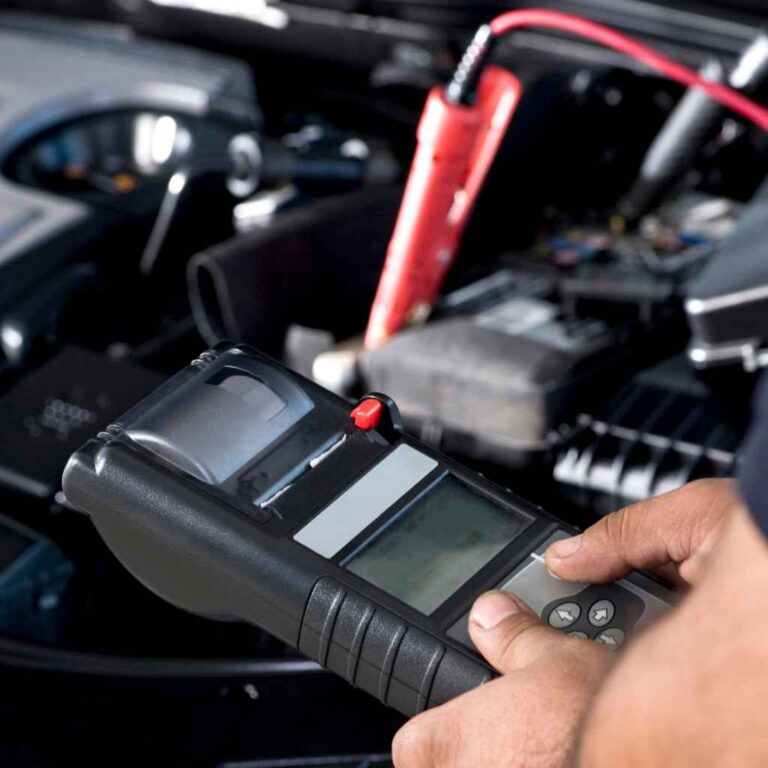
If you can’t figure it out, take your car to a trusted mechanic. They can run tests, like checking the AC system’s pressure or scanning for engine codes. I’ve found that a good mechanic can spot things I’d miss, like a small refrigerant leak.
How to Fix the Shaking
Once you know what’s causing the shaking, fixing it is the next step. Here’s what I’ve learned about addressing the most common issues.
| Problem | Solution | Estimated Cost |
|---|---|---|
| Faulty AC Compressor | Replace the compressor or have it repaired by a professional. | $500–$1,200 |
| Worn Engine Mounts | Replace the mounts. This can be a DIY job if you’re handy. | $100–$400 |
| Low Refrigerant Levels | Have a mechanic check for leaks and recharge the system. | $100–$300 |
| Dirty Air Filters | Replace the cabin and engine air filters. This is an easy DIY fix. | $20–$50 |
| Worn Serpentine Belt | Replace the belt or adjust its tension. | $50–$150 |
| Misfiring Engine/Spark Plugs | Replace spark plugs or address engine misfires with a tune-up. | $100–$300 |
Fixing a Faulty AC Compressor
If the compressor is the issue, you’ll likely need a professional to replace it. It’s a complex job, and the part itself can be pricey. I had mine replaced at a shop, and while it wasn’t cheap, it stopped the shaking and made the AC work like new.
Replacing Engine Mounts
Worn mounts are a common fix. If you’re comfortable with a wrench, you can replace them yourself, but I usually let a mechanic handle it. It’s not too expensive, and it makes your car feel so much smoother.
Recharging Refrigerant
Low refrigerant requires a professional to check for leaks and recharge the system. I’ve had this done a couple of times, and it’s usually quick. Just make sure they fix any leaks, or the problem will come back.
Changing Air Filters
This is the easiest fix. You can buy air filters at any auto parts store and swap them out in minutes. I do this myself every six months to keep things running smoothly.
Replacing the Serpentine Belt
A new belt is affordable and quick to replace. If you notice fraying or cracks, don’t wait—get it fixed before it breaks and leaves you stranded.
Addressing Engine Issues
If spark plugs or engine misfires are the problem, a tune-up can work wonders. I always make sure to use the right spark plugs for my car’s make and model to avoid issues down the road.
How to Prevent Shaking in the Future
Once you’ve fixed the shaking, you’ll want to keep it from coming back. Here are some tips I’ve picked up to keep your car running smoothly.
Regular Maintenance
Stick to your car’s maintenance schedule. I check my owner’s manual for things like filter changes and tune-ups. Staying on top of these prevents a lot of problems.
Keep an Eye on the AC System
Have your AC system checked every couple of years, especially if you live in a hot climate like I do. A quick inspection can catch small issues before they turn into big ones.
Drive Gently
Aggressive driving can wear out components like engine mounts faster. I try to ease off the gas and avoid sudden stops to keep my car in good shape.
Listen to Your Car
If you notice any new noises or vibrations, don’t ignore them. I’ve learned that catching problems early saves me a lot of money and hassle.
When to See a Mechanic
Sometimes, the shaking is a sign of a bigger issue that needs professional attention. If you’ve tried the easy fixes, like changing air filters, and the problem persists, it’s time to call in the pros. I always go to a mechanic I trust when I’m stumped. They have the tools and know-how to get to the root of the problem.
My Personal Experience with This Issue
I’ll never forget the first time my car started shaking when I turned on the AC. It was a scorching summer day, and I was stuck in traffic, sweating despite the AC blasting. The car was vibrating like it was about to take off! I took it to my mechanic, who found a worn serpentine belt and low refrigerant. After a quick fix, it was smooth sailing again. Since then, I’ve made it a habit to check my car’s AC system and engine components regularly. It’s saved me from bigger headaches down the road.

Conclusion
If your car shakes when the AC is on, don’t panic—it’s a common issue with a range of fixes, from simple to complex. Whether it’s a faulty compressor, worn engine mounts, or something as easy as a dirty air filter, you can get your car back to running smoothly with a little effort. I’ve been through this myself, and I know how frustrating it can be. By understanding the causes, diagnosing the problem, and taking steps to fix and prevent it, you can enjoy a cool, comfortable ride without the shakes. Keep up with regular maintenance, listen to your car, and don’t hesitate to call a mechanic if you need help. Your car will thank you with a smooth, quiet ride.
Frequently Asked Questions
Why does my car shake only when the AC is on?
Your car likely shakes because the AC compressor puts extra load on the engine. This can highlight issues like worn engine mounts, a faulty compressor, or low refrigerant. Check these components or visit a mechanic for a proper diagnosis.
Can a bad AC compressor cause my car to shake?
Yes, a faulty AC compressor can strain the engine, causing vibrations. If it’s seizing up or not working properly, it makes the engine work harder, leading to shaking. A mechanic can confirm if the compressor needs repair or replacement.
How much does it cost to fix a car that shakes when the AC is on?
Costs vary depending on the issue. Simple fixes like replacing air filters cost $20–$50, while a new AC compressor can run $500–$1,200. Engine mounts or serpentine belts typically cost $100–$400 to replace.
Can I drive my car if it shakes when the AC is on?
You can drive, but it’s not ideal. The shaking could indicate a problem that might worsen, like a failing compressor or engine issue. Get it checked soon to avoid bigger repairs.
How often should I check my car’s AC system to prevent shaking?
Have your AC system checked every 1–2 years, especially if you use it a lot. Regular maintenance, like checking refrigerant levels and replacing filters, can prevent shaking and other issues.