How Long Should A Car Battery Last? What Experts Say
A typical car battery lasts between 3 to 5 years. However, this lifespan can vary based on several factors like battery type, climate, driving habits, and how well the battery is maintained. Knowing the signs of a weakening battery and performing regular checks can help you predict its end-of-life.
Understanding Your Car’s Battery Life
Your car’s battery is a powerhouse. It starts your engine and keeps your car’s electrical systems running when the engine is off. Think of it as the heart of your car’s electrical system.
When it starts to fade, everything feels the strain.
Batteries don’t live forever, of course. They are electrochemical devices that wear out over time. This wear is natural.
It’s caused by the repeated cycles of charging and discharging that happen every time you start your car and drive it.
The battery’s job is really two-fold. First, it provides a massive surge of power to crank the engine when you turn the key. This is a huge demand on the battery.
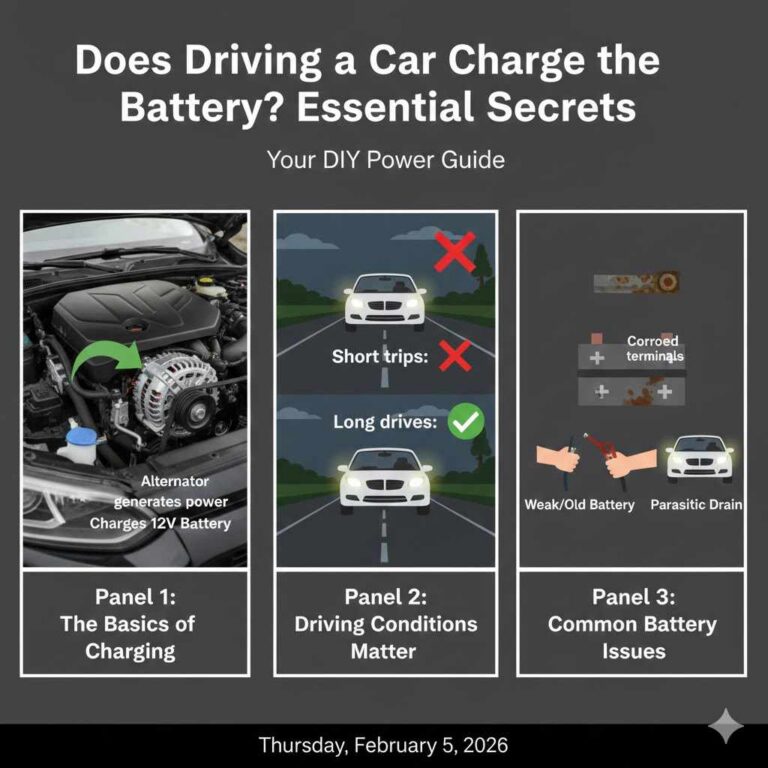
Once the engine is running, the alternator takes over. It powers the car and also recharges the battery.
So, what influences how long this vital part sticks around? It’s a mix of things. Some are within your control, and some are just a fact of life.
Factors Affecting Car Battery Lifespan
Several things play a big role in how long your car battery will serve you well. It’s not just one single element, but a combination of these.
- Climate: Extreme temperatures are tough on batteries. Very hot weather makes the internal components break down faster. Cold weather makes it harder for the battery to deliver power. This means batteries in places with hot summers and cold winters often don’t last as long.
- Driving Habits: Short trips are hard on batteries. If you only drive for a few minutes at a time, the alternator doesn’t get enough time to fully recharge the battery. This repeated undercharging can shorten its life. Longer drives allow the battery to get a good charge.
- Battery Type: Not all car batteries are the same. Some are built for deep cycling, like those in RVs or boats. Car batteries are designed for a lot of power for starting, then less consistent charging.
- Vehicle Age and Electrical Load: Older cars might have electrical systems that are less efficient. Also, if your car has a lot of accessories that draw power (like fancy sound systems, GPS devices, or heated seats), this puts more strain on the battery.
- Maintenance: Keeping the battery terminals clean and ensuring a tight connection is important. Corroded terminals can hinder the flow of electricity. Checking the battery’s charge level can also help.
- Manufacturing Quality: Like anything made, there’s variation in quality from one battery to the next. Some brands and types are known for lasting longer.
Understanding these factors helps you see why there isn’t one single answer for everyone. Your neighbor’s battery might last longer than yours, and it’s not necessarily because one of you is doing something wrong.
The Average Lifespan: What to Expect
As a general rule of thumb, most car batteries are designed to last between 3 to 5 years. This is the average lifespan you can expect for a standard lead-acid battery in a typical car. This is a solid benchmark, but it’s just that—a benchmark.
Many factors can push a battery beyond this range. Others can cause it to fail much sooner. For instance, a battery in a car that’s driven daily on long highway trips in a mild climate might easily go for 5 or even 6 years.
On the flip side, a battery in a car that sits for weeks at a time and is only used for quick errands in a very hot climate might struggle to make it to 3 years.
It’s also worth noting that the technology for batteries is always evolving. While lead-acid batteries are the most common, newer battery types are becoming more prevalent. These might offer different lifespans.
When Your Battery Starts to Show Its Age: Warning Signs
Your car battery won’t usually give you a whole lot of warning before it dies. But there are signs. Paying attention to these can save you from being stranded.
Think of it like noticing your phone battery doesn’t hold a charge as long as it used to. You start to plan your day around charging it. Your car battery does something similar, but the consequences of it dying are much more significant.
Here are some common indicators that your car battery might be on its way out:
- Slow Engine Crank: This is often the first sign people notice. When you turn the key, the engine sounds sluggish. It takes longer to “turn over.” It might sound like a weak groan instead of a strong, quick start.
- Dimming Lights: If your headlights or interior lights seem dimmer than usual, especially when the engine is off or at idle, this can mean the battery isn’t holding a strong charge.
- Warning Light on the Dashboard: Most modern cars have a battery warning light. It looks like a small battery. If this light comes on, it means there’s an issue with the charging system or the battery itself. Don’t ignore this light.
- Swollen Battery Case: If you look at your battery and the case appears swollen or bloated, this is a serious sign. It usually means the battery has been overcharged or exposed to extreme heat. This battery needs to be replaced immediately.
- Sulfur Smell: A rotten egg smell coming from under the hood can indicate a battery problem. This might mean the battery is leaking or has been damaged internally.
- Corroded Terminals: White or blueish powdery buildup on the battery terminals can interfere with the electrical connection. While this can sometimes be cleaned, it can also be a sign of internal battery issues or leaks.
- Older Battery: If your battery is already 4 years old or more, it’s wise to start thinking about replacement, even if it seems to be working fine. It’s better to replace it proactively than wait for it to die unexpectedly.
Not all these signs mean the battery is definitely bad. Sometimes a loose connection or a failing alternator can cause similar symptoms. That’s why it’s good to get it checked by a professional if you’re unsure.
Quick Battery Check: What You Can See
Visual Inspection: Look at the battery. Are the terminals clean? Is the case bulging?
Any signs of leaks?
Terminal Check: Gently try to wiggle the cable connectors on the battery posts. They should be tight and secure.
Headlight Test: Turn on your headlights with the engine off. Are they bright? Now start the engine.
Do they get brighter? If they dim significantly when starting, that’s a clue.
My Own Battery Scare
I remember one particularly cold morning a few years back. It was still dark outside, and I was rushing to get to an early meeting. I hopped into my car, turned the key, and.
nothing. Well, not nothing. It made this horrible, weak grinding sound.
It was the sound every driver dreads.
I tried again. This time, the lights flickered weakly. The engine just wouldn’t catch.
Panic started to set in. I was going to be late. I stood there for a moment, feeling a wave of annoyance mixed with dread.
I had ignored that slight sluggishness I’d noticed a few weeks before. It was just a little slower to start on those cooler mornings. I thought, “Oh, it’s just the cold.”
This was a wake-up call. That day, I ended up having to call a tow truck. It was expensive and incredibly inconvenient.
The mechanic confirmed it was the battery. It was about four and a half years old. It had probably been on its way out for a while.
I learned a valuable lesson about listening to my car and not just hoping for the best.
Types of Car Batteries and Their Lifespans
The type of battery in your car can also influence its lifespan. Most cars on the road today use lead-acid batteries. But there are a few variations.
Standard Flooded Lead-Acid Batteries: These are the most common and generally the most affordable. They contain liquid electrolyte. They can be sensitive to vibrations and require a bit more maintenance, like checking the electrolyte levels (though many are now maintenance-free).
Their lifespan is typically in the 3-5 year range.
Enhanced Flooded Batteries (EFB): These are an upgrade from standard flooded batteries. They are better at handling the demands of vehicles with start-stop technology or those that have higher electrical needs. EFBs can often last a bit longer than standard flooded batteries, sometimes pushing closer to 5-6 years with good care.
Absorbent Glass Mat (AGM) Batteries: These are a more advanced type. The electrolyte is absorbed into a mat of fiberglass. AGM batteries offer better performance, longer life (often 5-7 years or more), and are more resistant to vibration and extreme temperatures.
They are also sealed and maintenance-free. However, they are more expensive.
If your car came with an AGM battery, it’s usually best to
Battery Lifespan by Type (General Estimates)
| Battery Type | Estimated Lifespan | Notes |
| Standard Flooded Lead-Acid | 3-5 years | Most common, affordable |
| Enhanced Flooded Battery (EFB) | 4-6 years | Better for start-stop systems |
| Absorbent Glass Mat (AGM) | 5-7+ years | Premium, best performance, costly |
Real-World Scenarios: Where Batteries Get Tested
The environment your car lives in and how you use it makes a huge difference. Let’s look at a few common situations that really put a battery to the test.
The Daily Commuter in a Hot Climate
Imagine someone living in Arizona. They drive their car to work every day. This commute is about 45 minutes each way, mostly on the highway.
The engine is running for a good amount of time, allowing the alternator to keep the battery well-charged. However, the constant heat is the real challenge here.
High temperatures accelerate the chemical reactions inside the battery. This can cause the internal plates to degrade faster. For this driver, the battery might reach its 3-4 year mark and start showing signs of weakness, even with regular, long drives.
The heat is the primary enemy here, working against the benefits of regular charging.
The Weekend Warrior in a Cold Climate
Now consider someone in Minnesota. They only use their car on Saturdays for errands and maybe a longer drive on Sunday. During the week, the car sits in a cold garage.
In winter, the temperature can drop well below freezing.
Cold weather makes the battery’s chemicals thicker, reducing its ability to deliver power. When the engine is finally started after sitting in the cold, it requires more energy. If the battery wasn’t fully charged to begin with, and then it’s asked to perform under extreme cold, it’s a double whammy.
This driver’s battery might struggle to make it to 3 years, even if it’s a good quality one. The limited use and extreme cold are the main culprits.
The City Dweller with Short Trips
Think about someone living in a busy city like New York or Los Angeles. They use their car for short trips: driving to the grocery store a few blocks away, dropping kids off at school nearby, or going to a restaurant a mile down the road. The engine rarely gets warm, and it’s constantly being turned on and off.
Each time the engine starts, it drains a significant amount of power from the battery. The alternator only has a short time on these short drives to recharge that power. This constant cycle of heavy discharge and minimal recharge wears down the battery much faster.
This driver might see their battery last only 2-3 years, even in mild climates.
Common Battery Stressors
- Extreme Heat: Speeds up internal degradation.
- Extreme Cold: Reduces battery’s power output.
- Short Trips: Insufficient recharge time.
- Frequent Starts: High power drain.
- Parasitic Drain: Small electrical draw when the car is off, slowly depleting the battery.
- Poor Connections: Loose or corroded terminals.
What This Means for You: When to Be Concerned
So, you’ve read about the signs and the factors. What does this mean for your car and your wallet? It means being proactive is key.
When a Battery is Normal
A battery that is 2-3 years old and starts your car reliably every time, with bright lights and no strange noises, is generally doing its job perfectly. If you live in a mild climate and take your car on regular, decent-length drives, you might have a battery that lasts 5 years or even longer. This is the ideal scenario.
A battery that is approaching the 4-year mark and still performing well is also common. Don’t rush to replace it if it’s healthy. Enjoy its service.
When to Worry (And What to Do)
You should start to worry and pay close attention if you notice any of the warning signs we discussed earlier. If your battery is 3 years old or older and you experience even one of these symptoms, it’s time to get it checked. It’s much better to discover a weak battery while you’re at home or at a mechanic’s shop than on the side of the road.
Simple Checks You Can Do:
- Visual Inspection: Look for corrosion on the terminals or a swollen case.
- Test the Charge: Many auto parts stores offer free battery testing. They can tell you the battery’s health and its remaining capacity. This is a quick and easy check.
- Check Connections: Ensure the battery cables are securely fastened to the terminals.
If a mechanic or auto parts store tests your battery and it’s weak, they will usually tell you its “cold-cranking amps” (CCA) and “reserve capacity.” These are indicators of its starting power and how long it can run essential systems if the alternator fails.
A battery that consistently fails tests, shows signs of bulging, or struggles to start the car in cool weather (even if it’s not freezing) is a battery that needs attention. Don’t wait for it to die. The cost of a new battery is usually far less than a tow truck and a hotel room.
Battery Health Indicators
Good: Starts car instantly, lights are bright, passes load test.
Fair: Starts car but is a bit slow, lights may dim slightly on startup, passes load test but with reduced capacity.
Poor: Slow, struggling crank, dim lights, fails load test, needs replacement soon.
Extending Your Car Battery’s Life: Tips and Tricks
While you can’t stop a battery from aging, you can certainly help it last longer. Small efforts can make a real difference in its lifespan and performance.
- Drive Regularly and Long Enough: Aim for at least a 20-30 minute drive a few times a week. This allows the alternator to fully recharge the battery after it’s been used to start the car.
- Minimize Short Trips: If you only need to go a very short distance, consider walking, biking, or using public transport if available. If you must drive, try to combine errands into one longer trip.
- Keep Terminals Clean: Periodically check the battery terminals for corrosion. You can clean them with a wire brush and a mixture of baking soda and water. Make sure the connections are tight.
- Avoid Leaving Electronics On: Don’t leave headlights, interior lights, or the radio on for extended periods with the engine off. This drains the battery unnecessarily.
- Consider a Battery Tender: If your car sits for long periods (weeks or months), a battery tender can help maintain the charge. This device provides a low, steady trickle of power to keep the battery topped up. This is especially useful for classic cars or vehicles used infrequently.
- Protect from Extreme Temperatures: If possible, park your car in a garage during extreme heat or cold. While not always an option, it can help reduce stress on the battery.
- Get it Tested: Have your battery tested annually, especially as it gets older than 3 years. Auto parts stores often do this for free. It’s a simple way to catch problems early.
- Ensure a Secure Mount: Make sure the battery is securely fastened in its tray. Excessive vibration can damage the internal components.
These are practical steps that anyone can take. They don’t require special tools or advanced knowledge. It’s about being a little more mindful of how you use and care for your car.
Frequently Asked Questions About Car Battery Lifespan
How often should I replace my car battery?
Most car batteries need replacement every 3 to 5 years. However, this can vary based on climate, driving habits, and battery type. It’s best to watch for signs of aging rather than sticking to a strict replacement schedule.
Can cold weather really kill a car battery?
Yes, cold weather significantly impacts battery performance. It makes the battery’s chemicals thicker, reducing its ability to deliver starting power. A battery that is already weak will have a much harder time starting a car in freezing temperatures.
What is a parasitic drain on a car battery?
A parasitic drain is a small electrical current that continues to draw power from the battery even when the car is turned off. This could be from a faulty component, a light that doesn’t turn off, or an aftermarket accessory. If not fixed, it can drain the battery completely.
My car battery is only 2 years old, why did it die?
Several things can cause a newer battery to fail prematurely. These include consistent short trips, extreme temperatures, a faulty alternator not charging properly, a parasitic drain, or simply a manufacturing defect in the battery itself.
Does a car battery need maintenance?
Many modern “maintenance-free” car batteries do not require regular watering of the cells. However, checking for clean and tight terminals, ensuring the battery is securely mounted, and getting it load-tested periodically are important maintenance steps for all battery types.
How do I know if my alternator is bad or my battery is dead?
If your battery is completely dead, your car won’t start at all, or the lights will be very dim. If your alternator is bad, the battery might still start the car initially, but it won’t recharge. You’ll likely see a battery warning light on the dashboard, and the car might eventually die while driving.
Final Thoughts on Car Battery Longevity
Understanding your car battery’s expected life is empowering. It helps you anticipate potential issues and avoid being caught off guard. By being aware of the signs of aging and taking simple steps to care for your battery, you can maximize its lifespan and ensure reliable starts for years to come.