Car Battery Light On? Alternator vs. Battery Explained
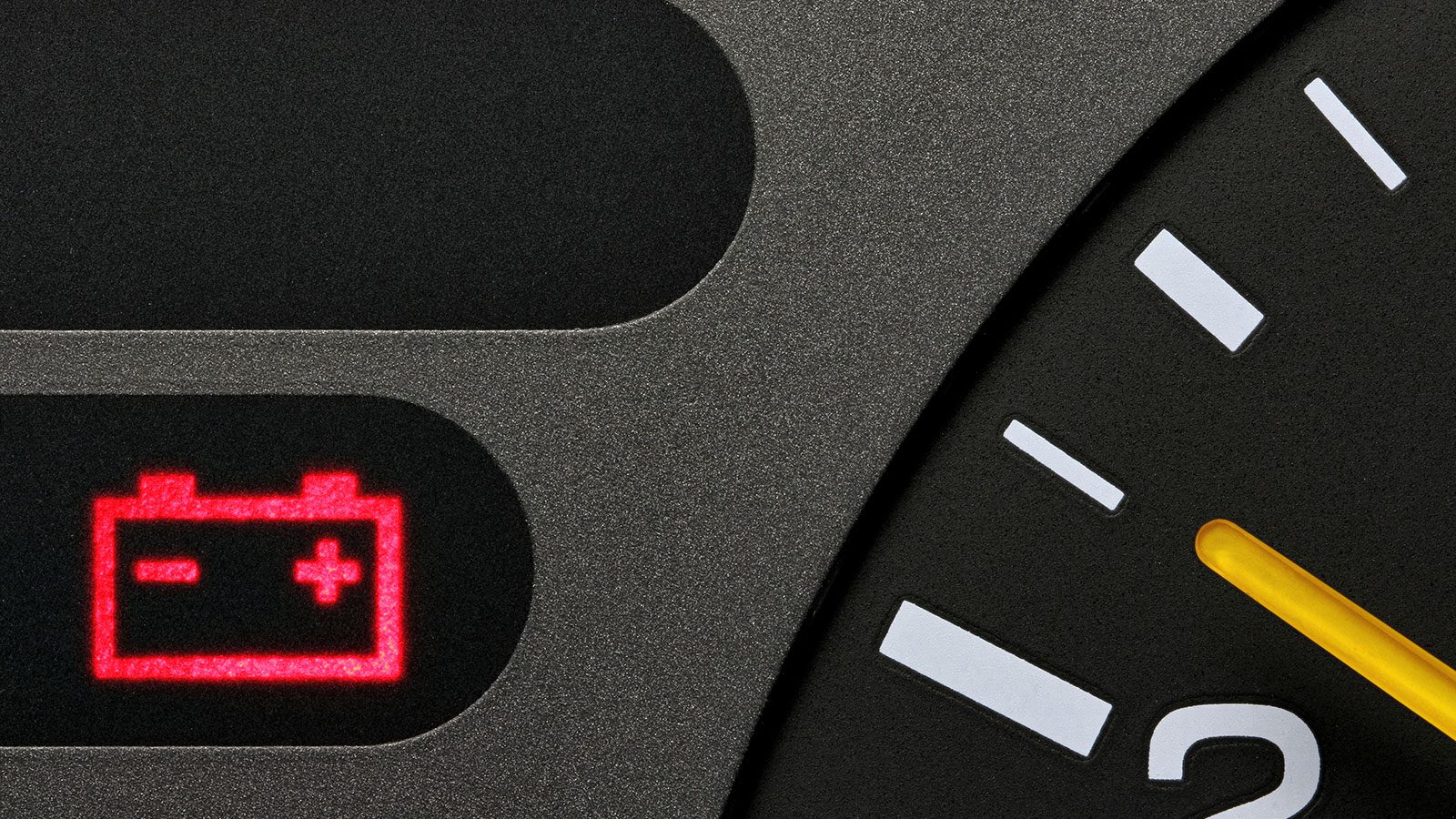
A battery-shaped warning light on your dashboard almost always points to the charging system, not the battery cell itself. In most cars it is the alternator that has stopped keeping the battery topped up while the engine runs, though a loose cable, a slipping belt, or a genuinely worn-out battery can trip the same light.
Below is how to tell which one you are actually dealing with, what causes each failure, and how to get the charging system working again before you end up stranded.
Common Causes of the Battery Light
BEST FOR DIAGNOSING BATTERY VS. ALTERNATOR
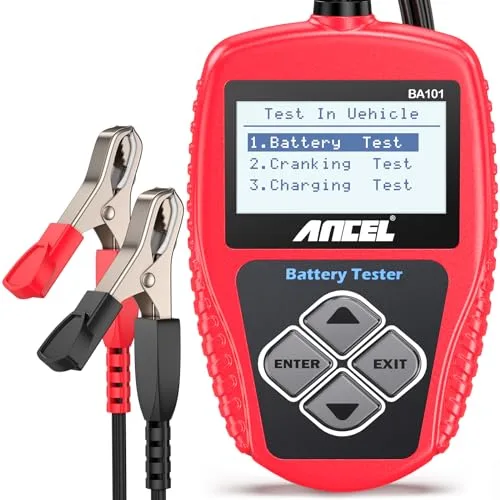 |
ANCEL BA101 Battery and Alternator Tester – $45.99 Clips onto the battery terminals and runs a battery, cranking, and charging test in seconds, which answers exactly the alternator-vs-battery question this article covers.
|
A handful of problems trigger this light, and most of them trace back to the charging system rather than a dead battery cell.
A failing alternator. The alternator recharges the battery while the engine runs and simultaneously powers your lights, radio, and other accessories. When its internal diodes, brushes, or voltage regulator wear out, it can no longer send enough current to the battery, and the warning light comes on. Dim headlights, a whining or grinding noise under the hood, and other dashboard warnings joining it are common companions.
A loose, glazed, or broken serpentine belt. The alternator only spins because the engine’s serpentine belt turns its pulley. A belt that has slipped, glazed over from heat, or snapped stops the alternator cold, and the battery light follows within seconds.
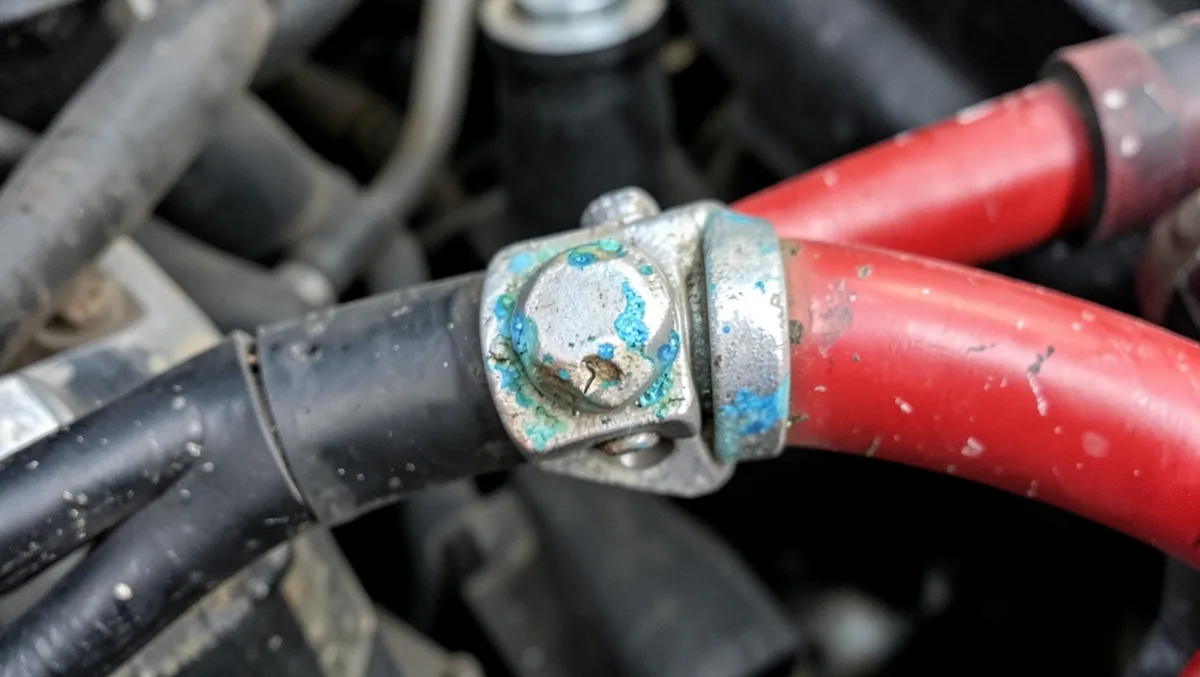
Loose or corroded battery connections. If the cable clamps at the battery are loose or coated in corrosion, the car’s electrical system can read that resistance as a charging fault even when the alternator itself is working fine.
Wiring and fuse problems. A chafed wire between the alternator and the battery, or a blown fuse in the charging circuit, can interrupt the connection just enough to trip the light without any single major part actually failing.
Is It the Alternator or the Battery? Here Is How to Tell
Because the battery light is wired into the charging system, a light that comes on while the engine is running points to the alternator in the large majority of cases. It is not actually measuring the battery’s own state of charge. Two simple checks will confirm it.
Watch what happens after a jump-start. If the engine only stays running while the jumper cables are still attached and dies the moment you disconnect them, the alternator is not recharging the battery and needs attention. If it starts and keeps running fine on its own afterward, the original battery drain was more likely a one-off cause, like a door left ajar overnight.
Read the voltage. A healthy battery should read about 12.4 to 12.6 volts with the engine off. With the engine running, a working alternator should push that reading up to roughly 13.7 to 14.7 volts. A reading that stays near 12.6 volts, or drops lower, with the engine running is the clearest sign the alternator is not charging the battery.
Battery Connection and Corrosion Problems
Loose battery terminals are an easy fix that gets overlooked. The clamps connect the battery to the rest of the car’s electrical system, and if they are loose, the resulting bad connection can make the car behave as if the battery itself is failing. Tightening the terminal bolts by hand, or with a wrench if they will not budge, often makes the light go off on its own.
Corrosion is the other usual suspect. It builds up on the terminals as a chalky white or blue-green crust and weakens the connection over time, slowing or blocking the flow of current. Disconnecting the cables, scrubbing the posts and clamps with a wire brush or a baking-soda-and-water mix, and reconnecting them cleanly usually restores a solid connection.
Electrical System Faults: Wiring and Fuses
The battery light can also point to the wiring itself rather than any single component. Wires carry power between the alternator, the battery, and the rest of the electrical system, and if one breaks, chafes, or works loose, the connection can drop out just long enough to trip the light. Dirt and moisture in the engine bay speed up this kind of damage, so a quick visual check of the harness near the alternator and battery is worth doing whenever the light comes on.
Fuses protect the charging circuit from a current overload, and a blown one will cut the connection just as effectively as a broken wire. If you have already ruled out the alternator, the belt, and the terminals, checking the fuse box for the charging system fuse is the next logical step. Always replace a blown fuse with one rated for the same amperage.
How Temperature Affects Your Battery and Alternator
Cold weather is hard on a car battery. Its chemical reaction slows down as temperatures drop, cutting the power it can deliver right when thick, cold engine oil is making the starter work harder. A battery that is already on its way out often shows its first real symptoms, like a slow, labored crank, on the first genuinely cold morning of the year.
Heat is just as damaging in the long run. High under-hood temperatures speed up fluid loss inside the battery and accelerate corrosion on its internal plates, both of which shorten its lifespan. Checking that the battery is clean and its connections are tight before summer helps it hold up through the heat.
Driving Habits That Drain Your Battery
A string of short trips does not give the alternator enough time to fully recharge the battery after the heavy draw of starting the engine. Over months of that pattern, the battery slowly loses capacity, and the light can eventually come on even though nothing has technically broken.
Frequent starting and stopping compounds the problem. Each start pulls a large jolt of current from the battery, and if the engine only runs for a few minutes before shutting off again, that charge is never fully replaced. If your driving is mostly short errands, a periodic longer highway drive, or an occasional charge with a trickle charger or maintenance kit, keeps the battery from falling behind.
Signs of a Dying Battery
A slow, labored crank when you turn the key is usually the first sign that a battery is on its way out, and cold weather tends to make it noticeably worse. In more advanced cases, the engine will not start at all, or will only start after several attempts.
Dim headlights, especially at idle, are another clue, since a weak battery cannot supply full voltage to every accessory at once. If you notice either symptom, it is worth having the battery load-tested before it leaves you stranded rather than waiting for it to fail completely.
Preventive Maintenance Checklist
Check the battery terminals every few months for corrosion, and make sure the battery itself is held securely in its tray, since vibration from a loose battery can damage it over time. Look over the cables too; they should feel tight and stay clean.
If the car sits unused for more than a week or two, or you mostly drive short trips, put the battery on a maintainer or trickle charger to keep it topped up. Letting a battery drain all the way down repeatedly shortens its usable life significantly.
Frequently Asked Questions
Is It Safe to Drive With the Battery Light On?
Driving with the battery light on is risky because it means the charging system is not reliably keeping the battery topped up. You could lose power steering, headlights, or the engine itself with little warning. Get the charging system checked as soon as possible rather than continuing to drive on it.
How Long Can You Drive With the Battery Light On?
If the alternator has stopped charging, you are typically running on whatever reserve is left in the battery, which is often somewhere between 20 minutes and a couple of hours depending on the battery’s condition and how many accessories are running. Once that reserve is gone, the engine will stall and will not restart until the charging system is fixed, so it is best to get to a repair shop directly rather than keep driving.
What Would Cause the Battery Light to Come On?
The most common causes are a failing alternator, a loose or broken serpentine belt, and loose or corroded battery terminals. A damaged wire or a blown fuse in the charging circuit can cause the same symptom. Addressing whichever one applies promptly prevents a simple fix from turning into a breakdown.
Does the Battery Light Mean the Alternator Is Bad?
Not always, but it is the most likely explanation. The light itself is monitoring the charging system’s output, and a failing alternator is behind it far more often than the battery itself. Loose connections, a bad belt, or wiring issues can produce the exact same light, which is why testing the actual voltage is more reliable than guessing.
How Do I Know if It Is the Battery or the Alternator?
Jump-start the car and see what happens next. If it dies as soon as you disconnect the jumper cables, the alternator is not recharging it. If it keeps running on its own, the battery was more likely the original problem. A multimeter or a dedicated battery and alternator tester makes this more precise: look for roughly 12.4 to 12.6 volts with the engine off and 13.7 to 14.7 volts with it running.
Conclusion
A lit battery light is your car telling you the charging system, not necessarily the battery, needs attention. Check the alternator, the belt, and the terminal connections in that order, test the actual voltage if you are unsure, and see a mechanic if the cause is not obvious. Catching it early is the difference between a quick fix and being stranded with a dead car.
Products related to this article
Sponsored / affiliate links. As an Amazon Associate I earn from qualifying purchases. I may earn additional commission from eligible campaigns.