Does Recirculate Heat A Car Faster? The Real Truth
It’s that first truly cold morning of the year. You hop into your car, feeling the chill seep into your bones. You crank the heat, but it feels like it’s taking forever to warm up.
You start wondering, “Does recirculate heat a car faster?” It’s a common question, and the answer isn’t always black and white. Let’s dive in and clear up the confusion.
Understanding how your car’s heating system works is key. It’s all about moving air. Your car takes air from outside or inside, heats it, and blows it into the cabin.
The recirculate button plays a role in this air movement. But does it always make things warmer, faster? We’ll explore the science and the real-world effects.
Recirculating air in a car can help it heat up faster because it reuses the already warm air inside the cabin, instead of constantly drawing in cold outside air. However, this can lead to foggy windows and stale air over time.
Understanding Your Car’s Heating System
Your car’s heater is basically a small radiator. It uses hot coolant from your engine. A fan blows air across this hot radiator.
This warms the air. Then, it pushes that warm air into your car’s cabin. This process is how your car gets cozy on a cold day.
There are two main ways your car gets air for the heater. One is by pulling air from outside. This is fresh air.
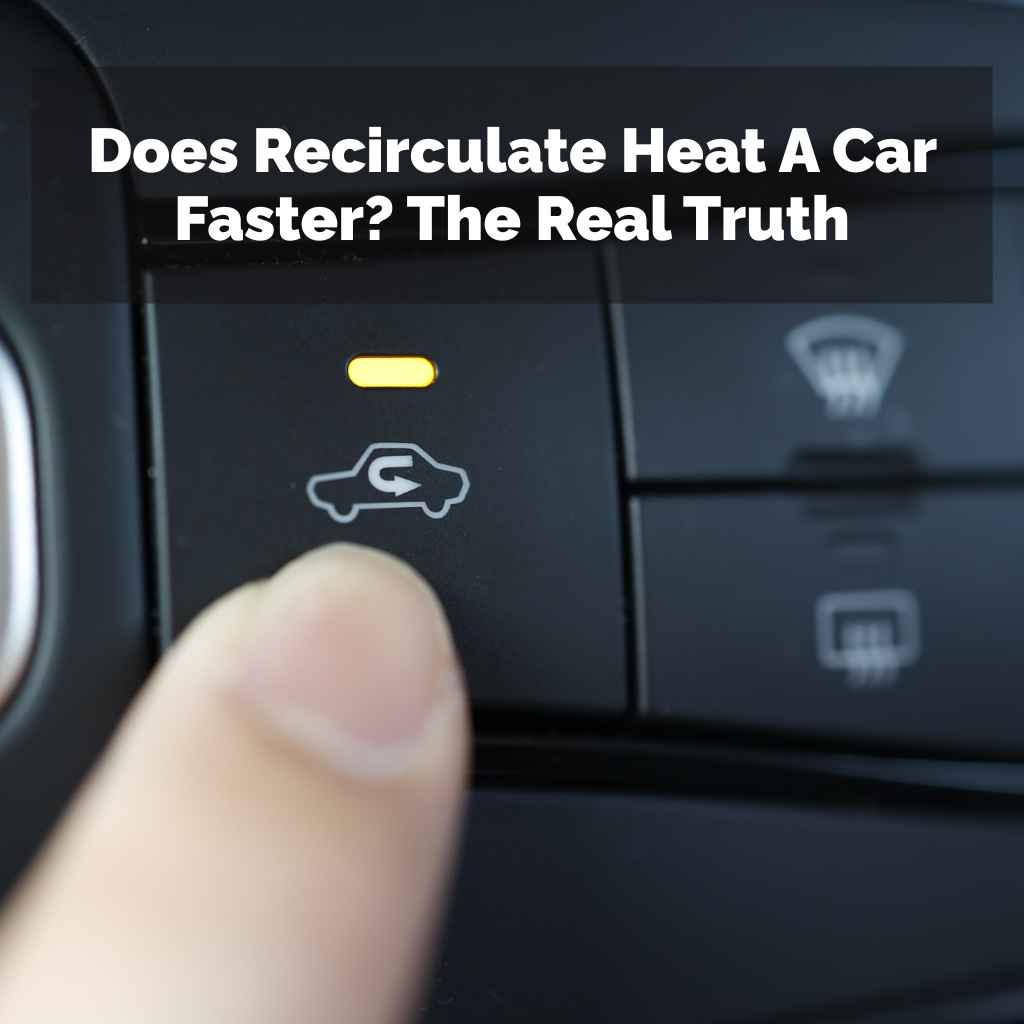
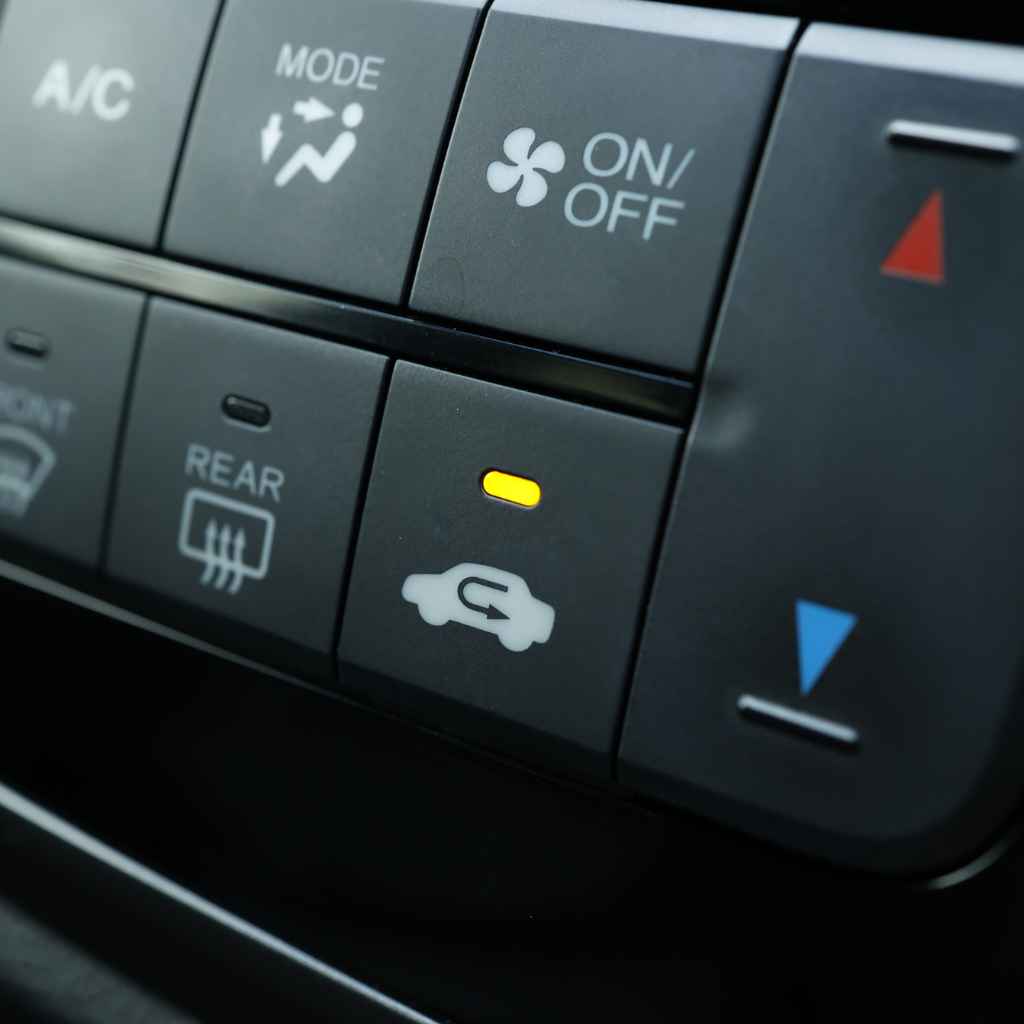
The other is by pulling air from inside the car. This is called recirculating air. The button you press often shows a car with an arrow curving inside it.
That’s your recirculate button.
When you choose fresh air, your car’s fan sucks in the cold air from outside. This air then goes over the hot heater core. It gets warmed up.
Then, it blows into the car. This is good for fresh air. But on a very cold day, that outside air is very cold.
It takes more energy to heat it up.
When you press the recirculate button, the fan stops pulling air from outside. Instead, it pulls air from inside your car’s cabin. This air is already a bit warmer than the outside air.
It’s like closing the windows on a chilly evening. This warmed air then goes over the heater core. It gets heated up even more.
Then, it’s sent back into the car.
Does Recirculate Heat a Car Faster? The Science
So, does recirculating air make your car heat up faster? Yes, it usually does. Think about it like this: imagine you have a room that’s really cold.
If you open a window and try to heat the room, you’re constantly losing warm air. You’re also letting in cold air. It will take a long time to get warm.
But if you close the window and just heat the air already in the room, it will get warm much faster. Your car’s cabin is like that room. When you use recirculate, you’re closing the “window” to the outside cold.
You’re focusing the heating power on the air that’s already inside.
This is because the air inside your car starts at a higher temperature than the outside air. Even on a cold day, the residual heat from when the car was last running, plus body heat from passengers, makes the cabin air warmer. By recirculating this air, the heater core has less work to do to reach your desired temperature.
It’s heating air that’s already partly warm.
This can mean the temperature gauge on your dashboard might show the engine reaching its normal operating temperature a little quicker. More importantly, the air blowing out of your vents will feel warmer sooner. You’ll feel comfortable faster.
This is especially true in very cold climates.
However, it’s not always a simple “yes.” There are other factors at play. The speed of your fan matters. The temperature setting you choose matters.
And the outside temperature itself is a big deal.
Recirculate vs. Fresh Air: A Quick Look
Recirculate Mode:
- Pros: Heats up faster.
- Pros: Can be more energy efficient for heating.
- Cons: Can lead to foggy windows.
- Cons: Air can become stale.
- Cons: Can build up CO2.
Fresh Air Mode:
- Pros: Provides fresh air.
- Pros: Helps keep windows clear.
- Pros: Reduces CO2 buildup.
- Cons: Takes longer to heat the cabin.
- Cons: Can use more fuel to heat colder air.
My Own Recirculate Scare
I remember one particularly brutal winter. It was one of those mornings where the frost looked like intricate lace on every window. I’d rushed out of the house, still half-asleep.
I jumped into my old sedan, fumbling with the keys. The steering wheel felt like ice.
I immediately hit the recirculate button. I wanted that warmth, pronto. I cranked the fan speed up and set the temperature to high.
Within minutes, I started noticing something weird. The inside of my windshield was getting fuzzy. Not just a little bit, but a thick layer of fog was forming.
Panic set in for a second. I couldn’t see! I was on my way to an important meeting.
I remember thinking, “Did I break something? Is this what happens when you try to cheat the weather?” I had to pull over to the side of the road for a moment. I rolled down the window a crack, even though the frigid air rushed in.
The fog slowly cleared. It was a stark reminder that faster heat comes with its own set of problems.
That experience taught me a valuable lesson. While recirculate is great for getting warm quickly, you can’t just forget about it. You have to be mindful of what it does to your windows.
It’s a trade-off, and sometimes the trade isn’t worth the risk of poor visibility.
The Window Fogging Problem
This is the biggest downside to using recirculate mode for too long, especially when heating. When you recirculate air, you’re trapping moisture inside the car. This moisture comes from several places.
It’s from your breath. It’s from wet clothes or shoes. It’s from snow melting off your boots.
Your car’s heating system warms the air. Warmer air can hold more moisture. But as this warm, moist air hits the cold glass of your windows, it cools down.
When air cools, it can’t hold as much moisture. The extra moisture turns into tiny water droplets. This is what you see as fog.
The fog on the inside of your windows is a direct result of recirculating humid air. The more humid the air, and the colder the window glass, the faster and thicker the fog will form. This is a safety hazard.
You need clear visibility to drive safely. Roads can be slick and dangerous in cold weather. You need to see other cars, pedestrians, and any obstacles.
This is why most cars have a “defrost” setting. This setting usually does two things. It directs maximum air to the windshield.
It also often switches the system to fresh air mode. This brings in drier outside air to help clear the fog. It also often turns on the air conditioning compressor.
While this sounds counter-intuitive in cold weather, the AC unit acts as a dehumidifier. It removes moisture from the air before it’s heated and sent to your windows.
Foggy Window Solutions
Problem: Inside fogging up.
Cause: Recirculating moist cabin air.
Solution 1: Switch to fresh air mode. This brings in drier outside air.
Solution 2: Use the front defrost setting. This maximizes air to the windshield and often turns on the AC.
Solution 3: Open windows slightly. This lets moist air escape.
Solution 4: Keep car interior clean. Dirt and grime give water droplets something to cling to.
Solution 5: Use anti-fog products. Sprays or wipes can help.
Stale Air and Air Quality
Beyond foggy windows, recirculating air for extended periods can lead to stale air. When you’re only circulating the same air, its quality can decrease. Carbon dioxide (CO2) levels can rise.
This comes from us breathing. In a fresh air setting, this CO2 is vented outside.
Higher CO2 levels can make you feel drowsy or give you a headache. It’s not ideal for alertness, especially when driving. You might also notice a “stuffiness” or a lack of freshness in the air.
The smell of anything you might have brought into the car can also become more noticeable and linger.
The air you breathe in your car is important. It affects your comfort and your ability to concentrate. While recirculate helps with speed, fresh air is generally better for long-term air quality.
It’s a balance you need to strike for safety and comfort.
Many modern cars have automatic climate control systems. These systems often monitor air quality. They might automatically switch from recirculate to fresh air if they detect higher CO2 levels or certain pollutants.
This is a nice feature that helps manage the air you breathe without you having to think about it.
When Recirculate is a Smart Choice
Despite the downsides, there are times when using the recirculate button is the smart choice. Think about driving through an area with heavy pollution. Maybe there’s a factory nearby emitting fumes.
Or you’re stuck in traffic behind a diesel truck. In these situations, recirculating air prevents those unpleasant or harmful smells and particles from entering your cabin.
Another scenario is when you’re trying to cool down your car on a hot summer day. While this article is about heating, the principle is similar. If the outside air is much hotter than the inside air, recirculating can help the AC work more efficiently.
It doesn’t have to cool down super-hot outside air. It just cools the already cooler cabin air.
So, for heating, the primary benefit is indeed speed. If you’re in a hurry and the outside temperature is extremely low, recirculate can get you comfortable faster. But as we’ve seen, you can’t leave it on indefinitely.
You have to be aware of the trade-offs.
Consider the outside temperature. If it’s just a little chilly, the difference between fresh air and recirculate might be small. But if it’s freezing, the impact of recirculate is much more noticeable.
It’s all about the temperature differential and how much energy it takes to overcome it.
Smart Uses for Recirculate
- Quick Warm-up: On very cold days, use it initially to speed up heating.
- Bad Smells: If passing a smelly area (farm, pollution), use it to block odors.
- Dust Storms: When dust or sand is in the air, it helps keep it out.
- AC Efficiency: On very hot days, it helps the AC cool faster.
How Long Should You Use Recirculate?
There’s no single answer to this. It depends on conditions and your preferences. A good rule of thumb is to use recirculate for the initial warm-up phase.
Once the air coming out of the vents feels noticeably warm, and the cabin starts to feel comfortable, switch back to fresh air mode.
This switch back is crucial. It prevents the air from becoming too stale. It also helps keep your windows clear.
Aim to run in fresh air mode for most of your drive, especially once the car is warm. If you notice fog starting to form, it’s a clear sign to switch back to fresh air.
Think of it as a temporary boost. You use recirculate to get over the initial hump of cold. Once the car is warmed up, you transition to a mode that maintains comfort and good air quality.
This is a common practice among drivers in colder climates.
Your car’s climate control system might even have a sensor for this. Some systems will automatically switch back to fresh air. They do this after a certain amount of time or when they detect high humidity inside the cabin.
This is a feature that adds convenience and safety.
The Role of Engine Temperature
It’s important to remember that your car’s heater relies on engine heat. The engine needs to reach its normal operating temperature to produce enough hot coolant for the heater core. This is why your car doesn’t blow super hot air the moment you start it, even on recirculate.
The engine is like the heart of your car. It generates warmth as a byproduct of its work. When the engine is cold, the coolant flowing through the heater core is not very hot.
So, even if you’re recirculating air, it can only get as warm as the coolant allows.
This means that while recirculate makes the process of warming the cabin faster, the actual maximum heat you get is limited by your engine’s temperature. So, be patient. Let your engine warm up properly.
This is also good for the engine’s longevity.
In very, very cold weather, it can take a good 10-15 minutes for the engine to reach its optimal temperature. During this time, the air coming from the vents will gradually get warmer. Recirculate helps make that gradual warming feel more immediate.
It’s still a process that takes time and depends on physics.
Some people think that turning up the engine speed (revving) will make the heat come faster. This can help a little. Higher engine RPMs mean the engine works harder and generates more heat.
But it also uses more fuel. It’s generally not recommended to rev a cold engine. Let it warm up naturally.
Engine Heat & Cabin Comfort
Engine Cold: Coolant is not hot. Heater core is cool. Air blows cool.
Engine Warming Up: Coolant gets hotter. Heater core warms up. Air blows warmer.
Engine Normal Temp: Coolant is hot. Heater core is hot. Air blows hot.
Recirculate’s Role: Speeds up warming the cabin air using available engine heat.
Fresh Air’s Role: Takes longer to heat the cabin air because outside air is colder.
Fuel Efficiency Considerations
Using recirculate mode can offer some benefits for fuel efficiency, especially when heating. This is because the system doesn’t have to work as hard to heat the air. It’s using air that’s already partially warmed.
This means the engine doesn’t need to burn as much fuel to keep the coolant hot enough.
When you’re using fresh air mode in very cold temperatures, the engine is constantly working to heat a larger volume of very cold air. This requires more energy. That energy comes from burning fuel.
So, over a longer period, using recirculate for heating might save a small amount of fuel.
However, this saving is often offset by the need to switch back to fresh air mode to prevent fogging and stale air. If you find yourself constantly switching the windows down to de-fog, you might negate any fuel savings. The ideal scenario is a balance.
The biggest factor in fuel efficiency is usually your driving style. Quick acceleration and hard braking use more fuel than smooth, steady driving. So, while optimizing your climate control can help, focusing on your overall driving habits will likely have a bigger impact on your gas mileage.
Some sources suggest that running the AC compressor, which often happens in defrost mode, can slightly decrease fuel economy. This is because the compressor needs power from the engine to run. However, the safety benefit of clear windows usually outweighs this small fuel cost.
What About AC in Winter?
It might sound strange, but running the air conditioning (AC) in winter can actually help your car heat up faster and keep your windows clear. Most cars automatically engage the AC compressor when you select the front defrost mode. Here’s why this works:
Air conditioning systems dehumidify the air. This means they remove moisture. When you’re trying to clear foggy windows, the primary problem is excess moisture.
The AC removes this moisture before the air is heated and blown onto the windshield. This makes the defrosting process much more effective.
Even though the AC system is designed to cool, its dehumidifying function is invaluable in winter. The heated air then blows onto the windshield, and because it’s drier, it doesn’t re-fog as quickly. You get clearer windows faster.
So, if your car’s front defrost seems weak, or your windows keep fogging up even on defrost, ensure the AC button is engaged. It’s a feature designed to help you. Don’t be afraid to use it, even when it’s freezing outside.
Real-World Scenarios and Habits
In my experience, most people use recirculate for the initial warm-up and then forget about it, or they only switch back to fresh air when the windows get too foggy. This is especially common during long commutes in cold weather. It’s an understandable habit, driven by the desire for quick comfort.
However, this habit can lead to those foggy windows I experienced. It can also lead to a noticeable drop in air quality inside the cabin. For drivers who spend a lot of time in their cars, like delivery drivers or long-haul truckers, maintaining good air quality is important for alertness and well-being.
Consider the design of your car. Some cars have better ventilation systems than others. Some cabins seal more tightly, trapping moisture more effectively.
Older cars might not have as sophisticated climate control systems as newer models. This means drivers of older cars might need to be more proactive about managing their climate settings.
The environment you drive in also matters. If you live in a very humid climate, even on a cold day, the outside air might still carry a lot of moisture. This means you’ll have to be extra vigilant about managing your recirculate setting to prevent fogging.
In drier climates, this is less of an issue.
Driver Habits: What We’ve Seen
The “Set and Forget” Driver: Leaves system on recirculate for the whole trip. Experiences fog and stale air.
The “Window Warrior”: Constantly rolls down windows to de-fog. Gets cold, but windows are clear.
The “Smart Switcher”: Uses recirculate for initial heat, then switches to fresh air. Balances speed with air quality and visibility.
The “Tech Savvy”: Relies on automatic climate control to manage the settings.
What This Means for You
When is it normal to use recirculate? It’s normal to use it for the first few minutes of driving on a cold morning. It helps the cabin get warm faster.
It’s also normal to use it when you encounter bad smells outside, like exhaust fumes or agricultural odors.
When should you start to worry? You should worry if your windows are constantly fogging up, even on fresh air setting. This could indicate a problem with your AC system’s dehumidifying function or a leak somewhere that’s introducing moisture.
Also, if the air inside your car consistently feels “stale” or causes you headaches, it’s time to ensure you’re using fresh air more often.
Simple checks you can do include looking at your cabin air filter. A clogged filter can affect airflow and humidity. Also, check if your floor mats are unusually damp, which could indicate a leak.
Making sure your climate control panel is set correctly is the first step.
Pay attention to the air coming from your vents. Does it feel dry? Does it smell fresh?
Or does it feel damp and stuffy? These are your clues. Your car is trying to tell you what it needs.
Listen to it. And trust your senses.
If you’re in a very cold climate, the need for rapid cabin heating is high. Using recirculate for a short period is a practical solution. The key is understanding its limitations.
Don’t let it compromise your visibility or the air quality you breathe for too long.
Quick Tips for Optimal Heating
Here are some tips to help you get the most out of your car’s heating system, whether you use recirculate or not:
- Start with Recirculate: For the first 5-10 minutes on a cold day, use the recirculate button. This helps the cabin warm up faster.
- Switch to Fresh Air: Once the cabin feels warmer, switch back to fresh air mode. This keeps the air fresh and helps prevent window fogging.
- Use Defrost Strategically: If you see fog forming, use the front defrost setting. This directs air to your windshield and often activates the AC to dehumidify.
- Check Your Cabin Air Filter: A dirty filter restricts airflow and can contribute to poor air quality and window fogging. Replace it according to your car’s maintenance schedule.
- Keep Interior Clean: A clean interior means less dust and grime for moisture to cling to, which can reduce fogging.
- Don’t Block Vents: Make sure nothing is blocking your interior air vents.
- Regular Maintenance: Ensure your car’s cooling and heating systems are serviced regularly.
These tips are designed to help you achieve a balance. You get the quick heat from recirculate, but you maintain safety and comfort by switching to fresh air. It’s about working with your car’s system, not against it.
Frequently Asked Questions
Can using recirculate for too long damage my car’s heating system?
No, using the recirculate mode itself won’t damage your car’s heating system. However, prolonged use can lead to issues like excessive window fogging, which is a safety concern. It can also make the air inside the cabin stale or stuffy, potentially leading to drowsiness or headaches due to higher CO2 levels.
Does recirculate mode use more gas than fresh air mode when heating?
When heating in very cold weather, using recirculate mode can be slightly more fuel-efficient. This is because the system is reheating air that is already somewhat warm, meaning the engine doesn’t have to work as hard to heat a large volume of very cold outside air. However, this benefit can be lost if you have to frequently switch to fresh air or open windows to manage fogging.
Why do my windows fog up when I use recirculate?
Recirculating air traps moisture from your breath, wet clothing, and melting snow inside the car. When this warm, moist air hits the cold glass of your windows, it cools down. Cooler air can’t hold as much moisture, so the excess moisture condenses into fog on the window surface.
This is a common issue with recirculate mode.
Should I use fresh air or recirculate in summer for AC?
In summer, using recirculate mode can help your car’s air conditioning cool down the cabin faster. This is because the system is cooling air that is already somewhat cool, rather than constantly cooling hot outside air. However, similar to winter heating, prolonged recirculate can lead to stale air, so switching to fresh air periodically is recommended.
How can I keep my car windows from fogging up in winter?
To prevent window fogging, use fresh air mode as much as possible. If you need to use recirculate for faster heating, switch back to fresh air once the cabin is warm. Always use the front defrost setting when needed, as it directs air to the windshield and often activates the AC to dehumidify.
Opening windows slightly can also help. Keeping the inside of your windows clean also reduces fogging.
What is the difference between the recirculate button and the defrost button?
The recirculate button controls whether your car draws air from inside the cabin or from outside. The defrost button specifically directs airflow to the front windshield and rear window (if equipped) to clear fog and ice. The defrost setting often automatically switches the system to fresh air mode and may engage the air conditioning to dehumidify the air.
Conclusion
So, does recirculate heat a car faster? Yes, it generally does. By reusing the warmer air already inside your cabin, the heating system doesn’t have to work as hard.
This means you’ll feel warmer air coming from the vents sooner. It’s a handy feature, especially on those frigid mornings when you’re eager to escape the cold.
However, it’s not a “set it and forget it” solution. Remember the potential for window fogging and stale air. Balancing the speed of recirculate with the need for fresh air and clear visibility is key to a comfortable and safe drive.
Products related to this article
Sponsored / affiliate links. As an Amazon Associate I earn from qualifying purchases. I may earn additional commission from eligible campaigns.