Why Would a Car Fail an Emissions Test?
Hey there! If you’ve ever taken your car for an emissions test, you know the sinking feeling when it doesn’t pass. It’s frustrating, right? You’re probably wondering, “Why would a car fail an emissions test?” I’ve been there, digging into this topic to figure out what’s going on under the hood. Emissions tests are a big deal in the USA, especially in states with strict environmental regulations. They make sure our cars aren’t polluting the air more than they should. But when your car fails, it’s not just a hassle—it can mean something’s wrong that needs fixing.
Let’s dive into the reasons why a car might fail an emissions test. I’ll break it down for you, so it’s easy to understand, whether you’re a car enthusiast or just someone trying to get through the day.
What Is an Emissions Test?
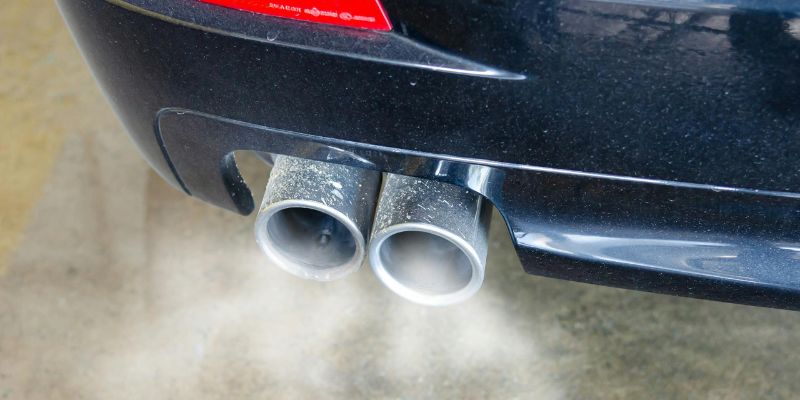
Before we get into why a car fails, let’s talk about what an emissions test is. It’s a check to measure the pollutants your car releases through its exhaust. States like California, New York, and Texas require these tests to keep air quality in check. They use special equipment to measure things like carbon monoxide, hydrocarbons, and nitrogen oxides. If the levels are too high, your car fails. Simple enough, but the reasons behind a failure can get tricky. I’ve spent time researching this, and trust me, there are a lot of factors at play.
Common Reasons a Car Fails an Emissions Test
When my car failed its emissions test a while back, I was clueless about what went wrong. After some digging and talking to mechanics, I learned there are several common culprits. Let’s go through them one by one.
Faulty Oxygen Sensors
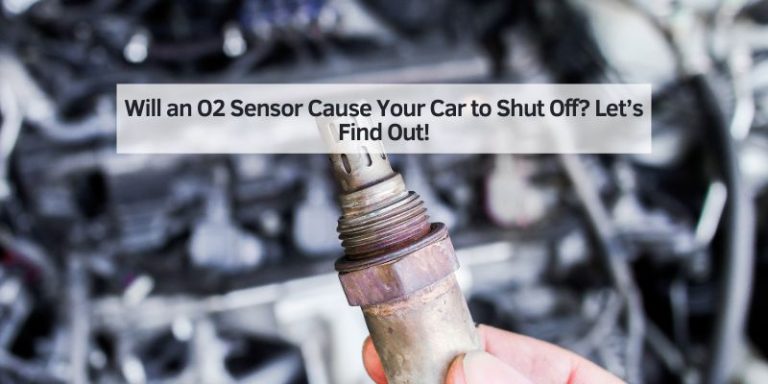
Oxygen sensors, or O2 sensors, are like the car’s nose. They sniff out how much oxygen is in the exhaust and tell the engine how to adjust the air-fuel mix. If they’re not working right, your car might burn too much fuel, pumping out extra pollutants. I had an old sedan once, and the mechanic told me a bad O2 sensor was the reason it failed. Replacing it wasn’t cheap, but it fixed the issue. These sensors wear out over time, especially in older cars, so they’re a common problem.
Dirty or Clogged Air Filters
Think of your car’s air filter as its lungs. It lets clean air into the engine for combustion. If it’s clogged with dirt, dust, or grime, the engine doesn’t get enough air. This messes up the fuel mix, leading to higher emissions. I learned this the hard way when I forgot to change my air filter for way too long. It’s an easy fix, though—just replace the filter regularly, and you’re good to go.
Malfunctioning Catalytic Converter
The catalytic converter is like a superhero for your car’s exhaust. It takes harmful gases and turns them into less harmful ones before they leave the tailpipe. If it’s damaged or clogged, those pollutants don’t get cleaned up, and your car will fail the test. I’ve seen this happen with cars that have been driven hard or have high mileage. Replacing a catalytic converter can be pricey, so it’s worth keeping an eye on.
Faulty Spark Plugs or Ignition System
Spark plugs ignite the fuel in your engine. If they’re worn out or misfiring, the fuel doesn’t burn completely. This leads to unburned fuel escaping through the exhaust, spiking your emissions. I once had a car that felt sluggish, and sure enough, the spark plugs were shot. Replacing them not only helped it pass the emissions test but also made it run smoother.
Leaking Fuel System
A leak in the fuel system—like in the fuel injectors or gas cap—can let fuel vapors escape. These vapors, called hydrocarbons, are a big no-no for emissions tests. I remember tightening my gas cap properly before a retest, and it made a difference. Something as simple as a loose gas cap can cause a failure, so always double-check!
Issues with the EGR Valve
The exhaust gas recirculation (EGR) valve helps reduce nitrogen oxide emissions by sending some exhaust back into the engine to be burned again. If it’s stuck or broken, your car produces more harmful gases. I had a friend whose truck kept failing emissions because of a faulty EGR valve. Cleaning or replacing it solved the problem.
Engine Misfires
An engine misfire happens when one or more cylinders don’t fire properly. This could be due to bad spark plugs, ignition coils, or even low compression. Misfires cause incomplete combustion, which means more pollutants in the exhaust. I’ve noticed my car shaking a bit when this happens—it’s a clear sign something’s off.
Worn-Out PCV Valve
The positive crankcase ventilation (PCV) valve keeps harmful gases from building up in the engine. If it’s clogged or broken, those gases can mix with the exhaust, increasing emissions. It’s a small part, but it plays a big role. I replaced mine once, and it was a quick, inexpensive fix that helped my car pass.
Using the Wrong Fuel
This one surprised me when I first heard it. Using the wrong type of fuel—like putting regular gas in a car that needs premium—can mess with combustion and increase emissions. Check your owner’s manual to make sure you’re using the right fuel for your car.
Less Common but Serious Issues
Sometimes, the problem isn’t one of the usual suspects. Here are a few less common reasons your car might fail an emissions test.
Modified Exhaust Systems
If you’ve added an aftermarket exhaust system to make your car sound cooler, it might not be emissions-compliant. Some modifications remove or alter the catalytic converter, which is a guaranteed fail. I’ve seen car enthusiasts run into this issue after customizing their rides.
Software or Tuning Issues
Modern cars rely on computers to control the engine. If someone’s tweaked the software—like for performance tuning—it can throw off the emissions settings. I talked to a guy who had his car “chipped” for more power, only to find out it caused an emissions failure.
Vacuum Leaks
Vacuum leaks happen when there’s a hole or crack in the hoses that control air flow in the engine. This disrupts the air-fuel ratio, leading to higher emissions. It’s not always easy to spot, but a mechanic can find and fix these leaks.
How to Diagnose and Fix Emissions Problems
When my car failed its emissions test, I felt overwhelmed. Where do you even start? Here’s what I’ve learned about diagnosing and fixing these issues.
Step 1: Check the Check Engine Light
If your check engine light is on, it’s a clue something’s wrong. Get the code read at an auto parts store or mechanic. The code will point you to the problem, like a bad O2 sensor or catalytic converter. I always keep a code reader handy—it’s saved me a lot of guesswork.
Step 2: Inspect the Basics
Check simple things like the gas cap, air filter, and spark plugs. These are cheap and easy to fix. I’ve found that sometimes, the smallest things cause the biggest problems.
Step 3: Visit a Mechanic
If you’re not sure what’s wrong, take your car to a trusted mechanic. They can run a full diagnostic and pinpoint the issue. I’ve had mechanics catch things I’d never have noticed, like a failing EGR valve.
Step 4: Make Repairs and Retest
Once you’ve fixed the problem, take your car back for a retest. Some states give you a grace period to fix issues without extra fees. Make sure everything’s in order before you go back.
Tips to Prevent Emissions Test Failures
After dealing with a few emissions test failures, I’ve picked up some tricks to avoid them in the future. Here’s what works for me.
Regular Maintenance
Keep up with your car’s maintenance schedule. Change the oil, replace air filters, and check spark plugs regularly. It’s like brushing your teeth—you do it to avoid bigger problems later.
Drive Before the Test
Emissions tests often require your car to be warmed up. Drive it for 20-30 minutes before the test to make sure the catalytic converter and other systems are at the right temperature. I always take a quick highway drive before heading to the testing station.
Use Quality Fuel
Stick to good-quality fuel from reputable gas stations. Cheap gas can sometimes have additives that mess with your emissions. I learned this after switching to a better brand and noticing a difference.
Fix Problems Early
If your check engine light comes on, don’t ignore it. Get it checked out right away. Small issues can turn into big ones if you let them sit.
Emissions Test Requirements by State
Emissions tests aren’t the same everywhere in the USA. Some states are super strict, while others don’t require them at all. Here’s a quick look at how it works in a few key states.
| State | Emissions Test Required? | Details |
|---|---|---|
| California | Yes | Strict standards, required every two years for most vehicles. |
| Texas | Yes | Required in major cities like Houston and Dallas, varies by county. |
| New York | Yes | Annual tests for most vehicles, with stricter rules in metro areas. |
| Florida | No | No statewide emissions testing, but local rules may apply. |
| Georgia | Yes | Required in metro Atlanta, varies by vehicle age and type. |
If you’re not sure about your state, check with your local DMV. I had to look this up when I moved to a new state, and it saved me a lot of confusion.

Why Passing Emissions Tests Matters
Failing an emissions test isn’t just about paying for repairs. It’s about keeping our air clean. Cars that pollute too much contribute to smog and health problems. Plus, in some states, you can’t renew your registration until your car passes. I’ve seen friends get stuck with fines or even impounded cars because they ignored emissions issues. It’s worth taking seriously.
My Personal Experience
I’ll never forget the first time my car failed an emissions test. I was stressed, thinking it would cost a fortune to fix. But after some research and a trip to the mechanic, I realized it was just a bad oxygen sensor. It wasn’t cheap, but it could’ve been worse. Since then, I’ve been obsessive about maintenance to avoid that headache again. If you’re dealing with this, don’t panic. Most issues are fixable, and you’ll get through it.
Conclusion
Figuring out why a car fails an emissions test can feel like solving a puzzle, but it’s not impossible. From faulty oxygen sensors to something as simple as a loose gas cap, there are plenty of reasons your car might not pass. By staying on top of maintenance, using the right fuel, and addressing problems early, you can avoid the stress of a failed test. I’ve been through this myself, and I know how frustrating it can be. But with a little effort, you can get your car back on track and keep the air a little cleaner. So, next time you head to the testing station, you’ll be ready. Got any questions? I’ve got answers below!
Frequently Asked Questions
Why does my car fail an emissions test even though it runs fine?
Your car might seem fine but still have issues like a bad oxygen sensor or catalytic converter. These problems don’t always affect how the car drives but can increase emissions. Get a diagnostic check to find the issue.
Can a loose gas cap really cause an emissions failure?
Yes! A loose or damaged gas cap lets fuel vapors escape, which can trigger a failure. Always make sure it’s tight before the time.
How often should I replace my air filter to avoid emissions issues?
It depends on your car and driving conditions, but every 12,000 to 15,000 miles is a good rule of thumb. Check your owner’s manual for specifics.
What should I do if my car keeps failing the emissions test?
Take it to a mechanic for a full diagnostic. They can read any error codes and pinpoint the problem. Fix the issue, then retest.
Are emissions tests the same in every state?
No, each state has its own rules. Some, like California, are very strict, while others, like Florida, don’t require them. Check with your local DMV to know what applies to you.