Will a Car Overheat If You Lose Oil Pressure
It’s a scary thought, right? You’re driving, and a warning light pops on. For many new drivers or folks who don’t spend a lot of time under the hood, the question “Will a car overheat if you lose oil pressure?” can feel like a big mystery.
It’s totally normal to wonder about this. But don’t worry, the answer is simpler than you might think, and we’re going to break it down step-by-step so you know exactly what’s going on and what to do. We’ll get you all the info you need to feel confident.
The Essential Role Of Engine Oil
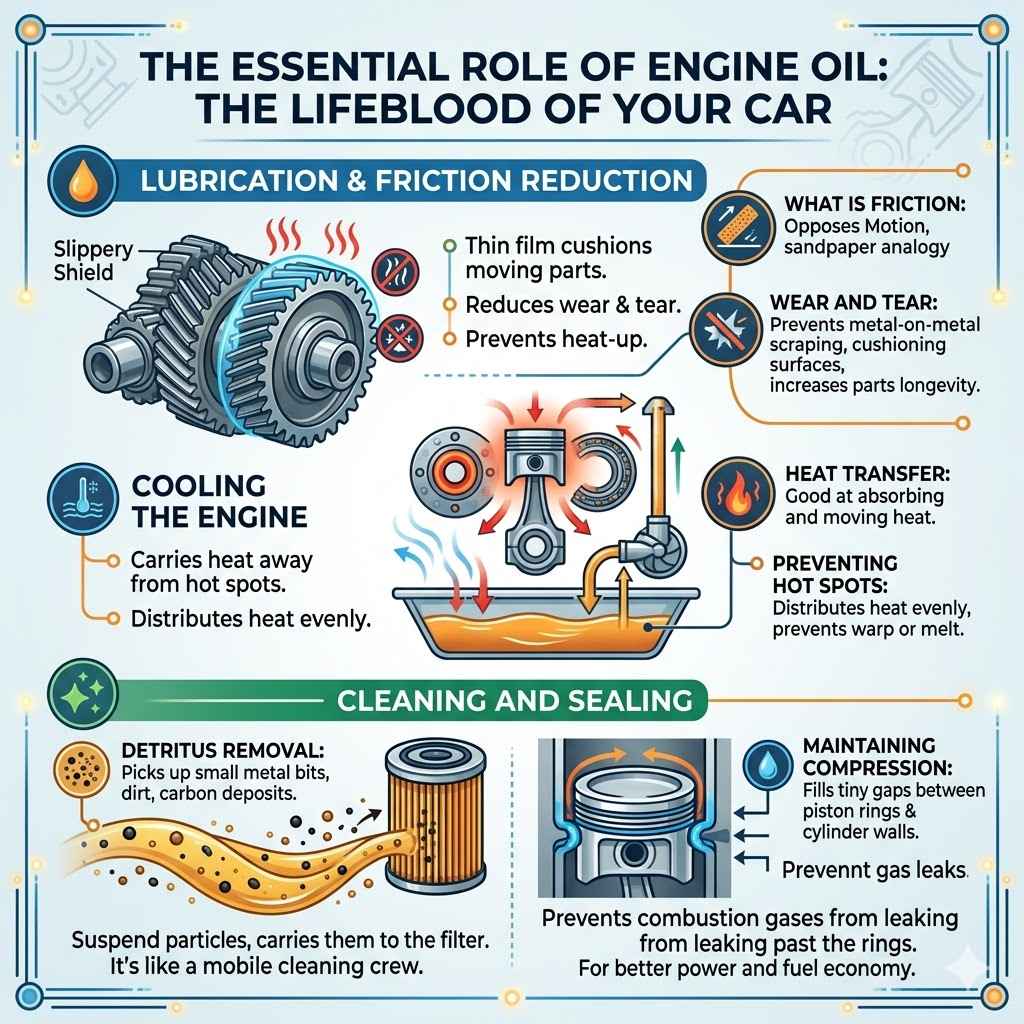
Engine oil is the lifeblood of your car. It does so much more than just keep things moving smoothly. Without enough oil or with the wrong kind of oil, your engine can suffer serious damage.
This section will explain why oil is so important and what its main jobs are. We’ll cover how it helps keep your engine cool and how it reduces wear and tear on all the moving parts inside.
Lubrication And Friction Reduction
Think of engine oil as a slippery shield. Inside your engine, metal parts are constantly rubbing against each other at very high speeds. Without oil, this friction would create a huge amount of heat and wear them down quickly.
Oil creates a thin film between these parts, allowing them to slide past each other instead of grinding. This reduces friction, which in turn reduces heat.
-
What is Friction
Friction is the force that opposes motion when two surfaces rub against each other. In an engine, without lubrication, this force would be immense. It’s like trying to slide two dry pieces of sandpaper together; it’s hard and creates heat. Engine oil makes it like sliding them through a bath of water. -
Wear and Tear
When parts rub without oil, they scrape away tiny bits of metal. Over time, this makes them smaller, misshapen, and can eventually cause them to break. Oil prevents this by cushioning the surfaces. This means your engine parts last much longer.
Cooling The Engine
While your car’s radiator is the main cooling system, engine oil plays a vital role too. As the oil circulates, it picks up heat from the engine’s hottest parts, like the pistons and bearings. It then carries this heat away to the oil pan, where it can dissipate into the air.
This helps prevent specific hot spots from developing within the engine.
-
Heat Transfer
Oil is good at absorbing and moving heat. As it flows over hot engine components, it takes that heat with it. Imagine a metal rod heated at one end; if you dip the other end in cold water, the heat will move. Oil does something similar, but continuously within the engine. -
Preventing Hot Spots
Engines generate a lot of heat, especially during combustion. Without oil’s cooling effect, some parts could get so hot they start to warp or even melt. Oil helps to distribute this heat evenly. This is crucial for engine longevity and preventing sudden failures.
Cleaning And Sealing
Oil also helps keep your engine clean by picking up small bits of dirt and metal debris. These particles are then carried to the oil filter, where they are trapped. Additionally, oil creates a seal between the piston rings and the cylinder walls.
This seal prevents combustion gases from leaking past the rings and helps maintain engine compression.
-
Detritus Removal
As engine parts move and wear slightly, tiny metal particles and carbon deposits can form. Oil suspends these particles, preventing them from building up and causing blockages or further damage. It’s like a mobile cleaning crew for your engine. -
Maintaining Compression
A good seal between the piston and cylinder wall is essential for the engine to work efficiently. Oil fills any tiny gaps, ensuring that the air and fuel mixture stays contained during the compression stroke. This leads to better power and fuel economy.
What Happens When Oil Pressure Is Lost
Losing oil pressure is a serious problem. It means the oil pump isn’t sending enough oil to the engine parts that need it. This can happen for a few reasons, and the consequences can be severe.
This section will explain exactly what happens inside your engine when the oil pressure drops. We’ll look at the immediate effects and why it’s so critical to address this issue right away.
Immediate Effects Of No Oil Pressure
When oil pressure drops to zero, or very close to it, the protective oil film between moving parts disappears. This means metal-on-metal contact starts happening almost immediately. The engine will quickly start to overheat because the primary cooling function of the oil is gone.
You’ll likely hear new, alarming noises coming from the engine.
-
Metal-on-Metal Contact
Without the lubricating film, engine components like bearings, camshafts, and piston rings will directly touch. This causes rapid wear and generates intense friction. It’s the most direct and damaging consequence. -
Increased Friction and Heat
The lack of lubrication means friction spikes dramatically. All that friction creates a massive amount of heat, far more than the coolant system can handle on its own. This is the primary reason why the engine overheats. -
Audible Warning Signs
You might hear knocking or grinding sounds. These are signs that metal parts are colliding. The engine may also start to run rough or stall.
Common Causes Of Oil Pressure Loss
Several issues can lead to a loss of oil pressure. These range from simple things that are easy to fix to more serious engine problems. Understanding these causes can help you prevent them or recognize them if they happen to your car.
-
Low Oil Level
The most common reason for low oil pressure is simply not having enough oil in the engine. If the oil level is too low, the oil pump can’t pick up enough oil to create pressure. This can happen due to leaks or burning oil. -
Faulty Oil Pump
The oil pump is responsible for circulating oil throughout the engine. If the pump itself is worn out or damaged, it may not be able to generate sufficient pressure. This is a mechanical failure. -
Clogged Oil Filter or Pickup Screen
Debris in the oil can clog the oil filter or the screen on the oil pump’s pickup tube. When this happens, oil can’t flow freely to the pump, reducing the pressure. -
Worn Engine Bearings
The bearings in your engine, which support the crankshaft and connecting rods, can wear out over time. Worn bearings create larger gaps, and oil can leak out faster than the pump can supply it, leading to low pressure.
The Role Of The Oil Pressure Sensor
Your car has an oil pressure sensor that monitors the oil pressure. When the pressure drops too low, this sensor tells your car’s computer to turn on the oil pressure warning light on your dashboard. This light is a critical alert system.
-
Monitoring System
The sensor is a small device screwed into the engine block. It measures the force of the oil. If this force falls below a set threshold, it sends a signal. -
Dashboard Warning Light
This light is usually red and shaped like an oil can. It’s designed to get your immediate attention. Ignoring this light can lead to very expensive repairs.
Will A Car Overheat If You Lose Oil Pressure
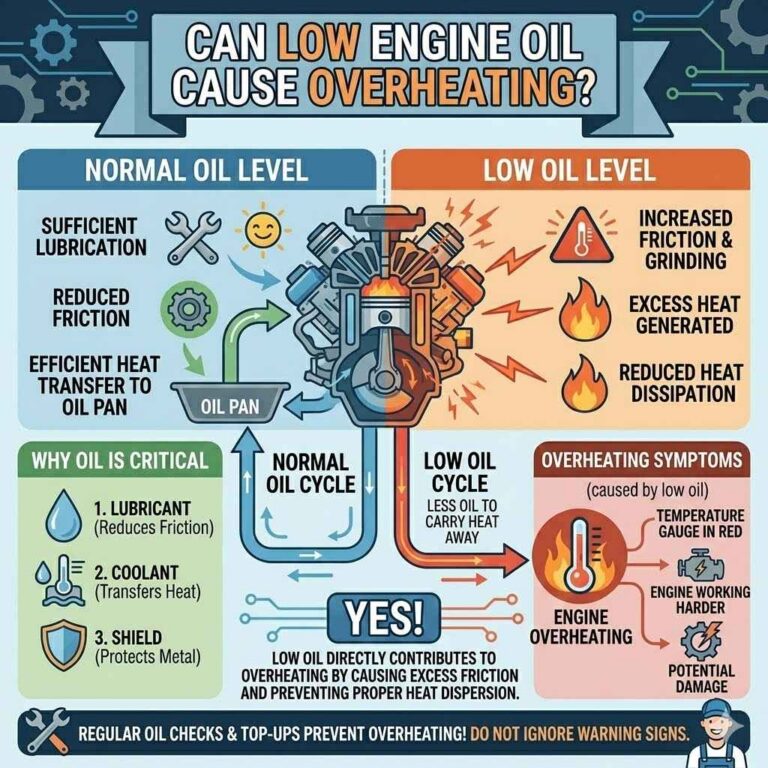
Yes, a car absolutely can overheat if you lose oil pressure. In fact, it’s one of the most direct consequences. Without oil lubricating and cooling the engine’s internal parts, friction increases dramatically.
This friction generates a lot of heat. The engine’s cooling system, which relies on coolant circulating through the radiator, is not designed to handle the extreme heat produced by metal-on-metal contact in an oil-starved engine. The oil itself contributes significantly to engine cooling by carrying heat away from critical components.
When this is gone, temperatures rise rapidly, leading to overheating.
The Chain Reaction To Overheating
When oil pressure disappears, the lubrication stops. The engine components that are supposed to be separated by a thin film of oil start to grind against each other. This grinding causes a massive increase in friction.
All this friction creates a lot of heat.
The engine’s cooling system uses a special fluid called coolant to absorb heat and carry it to the radiator. However, the coolant system is designed to manage heat generated by normal engine operation. It is not equipped to handle the super-high temperatures created by friction from dry metal parts.
Because the oil is no longer there to help cool down components like pistons, bearings, and cylinder walls, they get incredibly hot. This extreme heat quickly overwhelms the coolant system. The engine temperature gauge will start to climb rapidly.
If you continue driving, this can lead to severe damage.
Consequences Of Engine Overheating Due To Oil Loss
Engine overheating caused by oil pressure loss can be catastrophic. The extreme heat can cause metal parts to expand, warp, or even melt. This leads to irreversible damage to the engine.
-
Warped Cylinder Heads
The intense heat can cause the cylinder head to warp. This means it no longer sits flat on the engine block, breaking the seal. This leads to coolant leaks, oil leaks, and combustion gases escaping. -
Seized Engine Components
Metal parts can expand so much from the heat that they seize up, meaning they get stuck. For example, a piston can expand and get stuck inside its cylinder. This stops the engine from turning. -
Cracked Engine Block or Head
In severe cases, the extreme thermal stress can cause the engine block or cylinder head to crack. This is a very expensive repair, often meaning the entire engine needs to be replaced. -
Blown Head Gasket
The head gasket is a seal between the engine block and cylinder head. Extreme heat can cause it to fail, leading to mixing of oil and coolant, or coolant entering the combustion chambers.
Real-World Example: Sarah’s Truck
Sarah was driving her pickup truck on a highway when the oil pressure light came on. She noticed a slight ticking sound but thought it might just be something minor. She decided to drive a bit further to reach the next exit.
Within five minutes, the temperature gauge shot into the red zone, and she smelled burning oil. She pulled over, and the engine wouldn’t start again. A mechanic later told her the engine was completely seized due to a lack of lubrication and extreme overheating.
The repair cost more than the truck was worth.
Scenario: The Warning Ignored
Imagine a driver who sees the oil pressure light illuminate. They hear a faint knocking sound but dismiss it as normal engine noise. They continue driving for another twenty miles because they are in a hurry.
During this time, the engine is running without proper lubrication. Metal parts are grinding, generating intense heat. The coolant temperature starts to rise steadily.
By the time they finally stop, the engine has already suffered significant damage from both the lack of oil and the overheating. The knocking sound becomes louder and more consistent.
Steps To Take If Oil Pressure Is Lost
If you see that oil pressure warning light, it’s crucial to act fast. Your car is telling you something is seriously wrong. This section will guide you through the immediate steps you should take to protect your engine.
We will cover what to do to minimize damage and what to do next.
Immediate Actions When The Light Illuminates
The moment that oil pressure warning light comes on, your priority is to stop driving as safely and quickly as possible. Do not try to reach your destination.
-
Pull Over Safely
As soon as you notice the light, find a safe place to pull over. This might be the side of the road, a parking lot, or a shoulder. Turn on your hazard lights. -
Turn Off The Engine Immediately
Once you have stopped safely, turn off the engine right away. Do not restart it. Every second the engine runs without oil pressure causes more damage. -
Check The Oil Level (If Safe)
After the engine has cooled for a few minutes, you can check the oil level using the dipstick. If it’s very low, this is likely the cause. However, even if the oil level is okay, there is still a problem.
Assessing The Damage And Getting Help
Once the engine is off, you need to figure out the best way to get your car to a mechanic. Driving it further, even for a short distance, can turn a repairable problem into a total engine replacement.
-
Do Not Restart The Engine
Resist the temptation to start the car to move it a little. Even a few minutes of running without oil can cause thousands of dollars in damage. -
Call For Roadside Assistance Or A Tow Truck
Your best bet is to have your car towed to a qualified mechanic. This ensures it won’t be driven further and will be properly diagnosed. -
Explain The Situation To The Mechanic
When you call for a tow, tell the mechanic that the oil pressure light came on. This alerts them to the potential severity of the issue.
Preventative Maintenance Tips
The best way to avoid losing oil pressure and causing overheating is to keep up with regular maintenance. This includes checking your oil and changing it on schedule.
-
Regular Oil Changes
Follow your car’s recommended oil change schedule. Using the correct type and viscosity of oil is also important. Old or dirty oil can break down and lose its ability to lubricate. -
Check Oil Level Frequently
Make it a habit to check your oil level at least once a month, and before long trips. This can help you catch a low oil situation before it becomes critical. -
Listen To Your Car
Pay attention to any unusual noises or warning lights. Early detection of a problem can save you a lot of money and trouble.
Statistics On Engine Damage
Lack of lubrication is a leading cause of catastrophic engine failure. One study found that over 40% of engine failures are directly related to lubrication issues. Another report indicated that driving even a few miles after the oil pressure light comes on can increase repair costs by up to 70%.
The average cost to repair a seized engine can range from $3,000 to $7,000, or even more for luxury vehicles.
Can A Car Still Run Without Oil Pressure
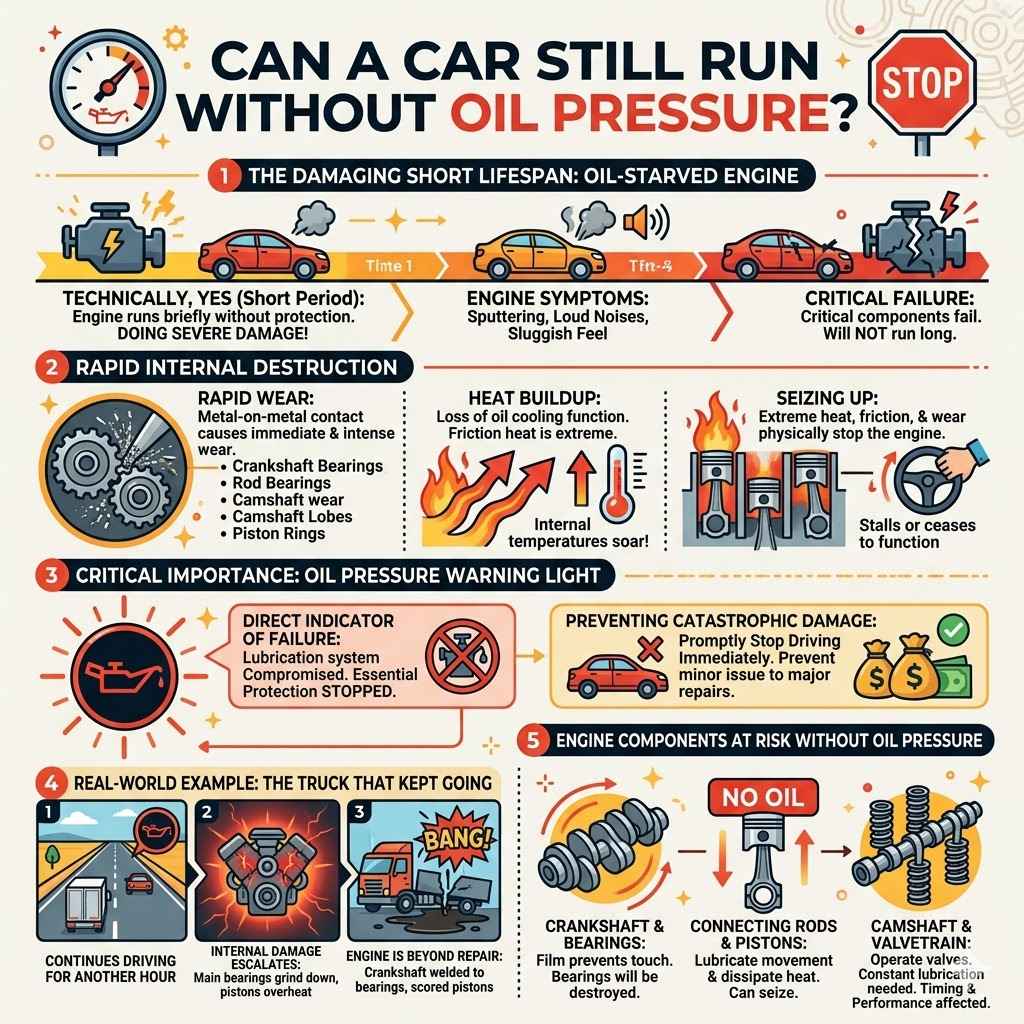
Technically, an engine can continue to run for a short period without oil pressure, but it is doing severe damage to itself. The engine might sputter, make loud noises, and feel sluggish. However, it will not run for long before critical components fail.
The oil pressure warning light is a direct indicator that the lubrication system is compromised and the engine is not being protected.
The Short, Damaging Lifespan Of An Oil-Starved Engine
When oil pressure is lost, the engine is no longer properly lubricated. This means metal parts that should be separated by oil are now grinding against each other. This friction creates intense heat very quickly.
The engine’s internal components are not designed to withstand this level of heat and friction for any extended period.
-
Rapid Wear
The metal-on-metal contact causes immediate and rapid wear on critical parts like crankshaft bearings, connecting rod bearings, camshaft lobes, and piston rings. This wear can quickly lead to component failure. -
Heat Buildup
As friction increases, so does heat. The oil itself also acts as a coolant, carrying heat away from engine parts. Without oil, this cooling function is lost, and internal temperatures soar. This leads to the engine overheating, as discussed before. -
Seizing Up
The combination of extreme friction, heat, and metal wear can cause engine parts to seize. For example, pistons can expand from the heat and become stuck in the cylinder walls. This physically stops the engine from turning, causing it to stall or simply cease to function.
Why The Warning Light Is Critical
The oil pressure warning light is one of the most important indicators on your dashboard. It is not a suggestion; it’s a critical alert that your engine is in immediate danger. The system is designed to detect critically low oil pressure, which means the lubrication system is failing.
-
Direct Indicator of Failure
This light means the oil pump is not delivering oil to the engine at the required pressure. This is not a minor issue; it’s a sign that essential protective functions have stopped. -
Preventing Catastrophic Damage
The purpose of the light is to prompt you to stop driving immediately. By shutting off the engine, you prevent the minor damage from escalating into major, expensive repairs. It’s a crucial safety feature for your engine.
Example: The Truck That Kept Going
Consider a scenario where a truck driver notices the oil pressure light come on. They are on a long haul and believe they can make it to the next town. They continue driving for another hour, hoping the light will turn off.
During this hour, the engine’s main bearings are being ground down, the pistons are overheating, and the oil is completely gone from many parts. When they finally stop, the engine makes a loud bang and dies. Upon inspection, the mechanic finds that the crankshaft has essentially welded itself to the main bearings, and the pistons have scored the cylinder walls.
The engine is beyond repair.
A Brief Look At Engine Components At Risk
Many vital parts of your engine rely on oil pressure to function. Without it, they are immediately at risk.
- Crankshaft and Bearings The crankshaft rotates at high speeds, supported by bearings. Oil creates a film that prevents these metal surfaces from touching. Loss of pressure means these bearings will be destroyed quickly.
- Connecting Rods and Pistons These parts move up and down within the cylinders. Oil lubricates their movement and helps dissipate heat from the pistons. Without it, they can seize.
- Camshaft and Valvetrain The camshaft operates the engine valves. Its lobes and bearings require constant lubrication. Wear here affects engine timing and performance.
Frequently Asked Questions
Question: How long can a car run without oil pressure
Answer: A car can technically run for a very short time, perhaps a few minutes or even just seconds, without oil pressure before severe damage occurs. The exact time varies depending on the engine and how it’s being driven, but it’s always best to turn the engine off immediately.
Question: What is the most common cause of low oil pressure
Answer: The most common cause of low oil pressure is simply having a low engine oil level. If there isn’t enough oil in the crankcase, the oil pump cannot draw enough oil to create adequate pressure.
Question: Is it expensive to fix low oil pressure
Answer: The cost to fix low oil pressure can vary greatly. A simple issue like adding oil or replacing a clogged oil filter might be inexpensive. However, if the low oil pressure has caused internal engine damage, like worn bearings or a damaged oil pump, the repairs can be very costly.
Question: Can I drive a short distance if my oil light is on
Answer: No, you should never drive any distance if your oil light is on. Even a very short drive can cause significant and expensive damage to your engine due to the lack of lubrication and cooling.
Question: What does it mean if my oil light flashes
Answer: A flashing oil light usually indicates a more severe problem than a steady light. It often means the oil pressure is critically low or fluctuating rapidly, putting the engine at immediate risk. You should stop the car immediately.
Wrap Up
If your car loses oil pressure, it is highly likely to overheat. This happens because oil is essential for both lubricating and cooling engine parts. Without it, friction causes extreme heat, overwhelming the cooling system.
Always pull over safely and turn off the engine immediately if the oil pressure light comes on. Ignoring this warning can lead to severe, costly engine damage. Regular oil checks and maintenance are key to preventing this problem.